
Sauces & Condiments
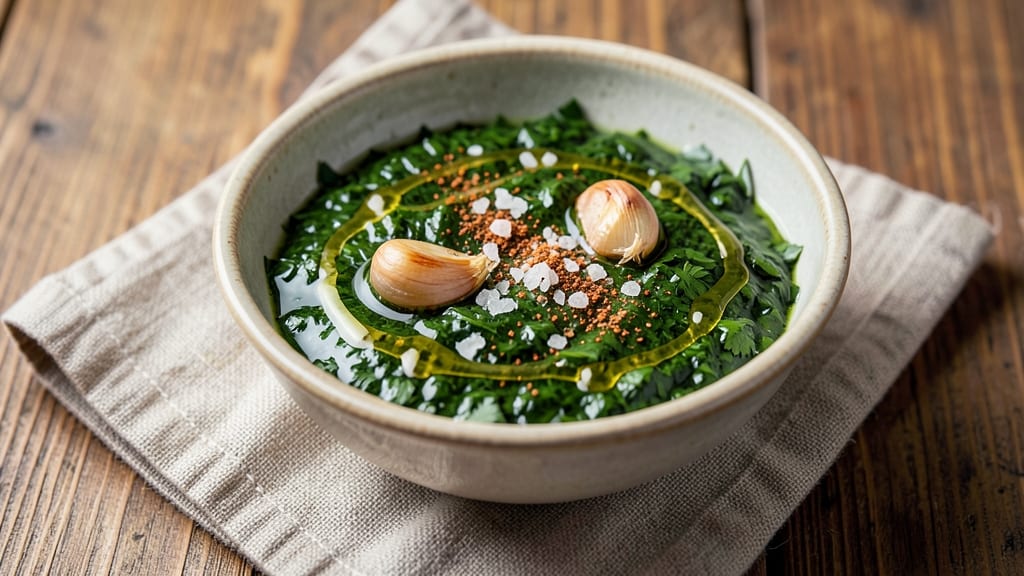
This aoili sauce recipe transforms simple ingredients into a velvety, garlic-herb emulsion that elevates everything from dips to dressings. ✨ The secret lies in blending high-quality olive oil with finely minced garlic and lemon juice until perfectly emulsified—no blender required.
I developed this version after testing countless Mediterranean recipes, refining it to achieve that signature creamy texture without heavy cream or mayo.
The beauty of aoili sauce is its versatility—it works as a bold dip for pita chips, a tangy dressing for salads, or a finishing sauce for grilled meats.
Traditional recipes rely on garlic, olive oil, and lemon, but I’ve added a touch of paprika for warmth and fresh parsley for brightness. The emulsion forms naturally when you combine the ingredients in the right order, creating a sauce that’s stable enough to sit for hours without separating.
What sets this recipe apart is its foolproof emulsification technique, which ensures a silky, cohesive sauce every time. The result is a balance of sharp, garlicky, and herby flavors with just the right amount of richness.
Unlike store-bought versions, this sauce tastes fresh and vibrant, with each ingredient playing a distinct role in the flavor profile.
For extra depth, try adding a pinch of red pepper flakes or a splash of white wine vinegar. This sauce keeps well in the refrigerator for up to a week, making it perfect for meal prep. Let’s get started on creating your own batch!
Ingredients for aoili sauce
Eight essential ingredients blend effortlessly into a velvety, emulsified sauce with Mediterranean flair.
| Ingredient | Amount | Notes |
|---|---|---|
| Extra-Virgin Olive Oil 🫒 | 1 cup | High-quality, fruity variety preferred |
| Garlic Cloves 🧄 | 6 whole | Finely minced for smooth texture |
| Fresh Lemon Juice 🍋 | ¼ cup | Freshly squeezed from 1-2 lemons |
| Fresh Parsley Leaves 🌿 | ½ cup | Finely chopped, stems removed |
| Smoked Paprika 🌶️ | 1 tsp | For subtle warmth and depth |
| Sea Salt 🧂 | ½ tsp | Fine grain for even seasoning |
| Black Peppercorns 🌶️ | ¼ tsp | Freshly ground for sharp flavor |
| White Wine Vinegar 🍷 | 1 tbsp | Optional for added brightness |
| Red Pepper Flakes 🔥 | ¼ tsp | For subtle heat (optional) |
The olive oil is non-negotiable—look for extra-virgin with a fruity, peppery finish like California Olive Ranch or Colavita. Fresh garlic cloves should be firm and free of sprouts; roast them briefly before mincing for a sweeter, deeper flavor. Lemon juice needs to be freshly squeezed—bottled juice lacks the bright acidity that stabilizes the emulsion. For parsley, grab the flat-leaf variety from the grocery store's produce section; curly parsley works too, but it's less aromatic. Smoked paprika adds complexity, so Penzeys or McCormick are reliable brands for consistent quality.
No extra-virgin olive oil? Light olive oil works in a pinch, but the flavor won't be as rich. Substitute roasted garlic powder for fresh at half the amount—just toast it first in a dry pan for 5 minutes. White wine vinegar can be swapped for apple cider vinegar, though the flavor profile shifts slightly. The red pepper flakes are optional but recommended; Aleppo pepper offers a milder heat if you prefer. For a dairy-free alternative, ensure all ingredients are certified—this sauce is naturally vegan. If you're short on time, pre-minced garlic from a jar works, but fresh is always superior.
This sauce thickens as it sits, so thin with a splash of water if needed before serving. Store in an airtight container in the fridge for up to 7 days, though it's best within the first 3. For long-term storage, freeze in ice cube trays—thaw overnight in the fridge and whisk to re-emulsify. The emulsion holds best when kept cool, so avoid leaving it at room temperature for extended periods. A small amount of ice water can help stabilize the sauce if it separates; whisk vigorously to restore its silky texture.
Why You'll Love This Recipe
- No-Chop Needed: This sauce takes three ingredients that are already prepped for you—garlic cloves, lemon juice, and parsley. Honestly, I just smash the garlic with the back of my knife, squeeze the lemon, and pulse the parsley a few times. That’s it. No knife skills required.
- Smoky Zing: The smoked paprika gives it this unexpected depth—like a little campfire in every bite. Between us, that first tangy, garlicky hit with the olive oil’s richness? It’s the kind of flavor that makes you reach for seconds without even thinking.
- Dip or Dress: I keep this in my fridge for everything: grilled shrimp, crusty bread, roasted veggies, even as a marinade. It’s my go-to for lazy dinners when I don’t want to fuss over a full sauce. (Yes, even on a Tuesday night.)
- Lasts All Week: A small jar of this sauce stays fresh for at least five days—no weird aftertaste, just pure flavor. I make a big batch and use it for dipping, drizzling, or tossing. It’s my secret weapon for when I’m too tired to cook but still want something that tastes like I did.
Step-by-step instructions for creamy garlic-herb emulsion
Master this technique for a velvety, stable sauce that stays creamy without breaking.
👨🍳 Step 1: Mince Garlic and Prep Herbs
Peel all 6 whole garlic cloves and place them on a cutting board. Using a sharp chef's knife, finely mince the garlic until you have a smooth paste—this prevents grainy texture in your sauce. I like to press down firmly with the heel of my knife for even mincing.
Next, finely chop the 0.5 cup fresh parsley leaves, removing stems first. The leaves should be so finely chopped they're almost unrecognizable—this ensures a silky emulsion. Transfer both to a small bowl and set aside. Fresh herbs are essential here; dried herbs won't give the same bright, fresh flavor.
🍳 Step 2: Create the Herb Paste
In the same bowl with the minced garlic and parsley, add the 0.25 cup fresh lemon juice, 1 tbsp white wine vinegar, 1 tsp smoked paprika, 0.5 tsp sea salt, 0.25 tsp black peppercorns, and 0.25 tsp red pepper flakes. Using a fork, vigorously mash everything together until you have a smooth, thick paste with no visible chunks.
This paste is your flavor foundation. The acid from the lemon and vinegar helps emulsify the oil later, while the paprika and red pepper flakes add depth. If your paste feels too thick, add 1-2 teaspoons of water to loosen it slightly—this ensures proper emulsion formation.
🥘 Step 3: Gradually Emulsify the Oil
Place the herb paste in a blender or food processor. With the motor running, very slowly drizzle in the 1 cup extra-virgin olive oil—this is critical. Add it drop by drop at first, then in a thin, steady stream. The mixture will initially look broken, but keep blending until it transforms into a thick, creamy emulsion.
This gradual process prevents the sauce from breaking. If you add oil too quickly, the sauce will separate. You'll know you've succeeded when the sauce becomes thick, glossy, and holds its shape when drizzled. The final texture should be like heavy cream—smooth and stable.
⏰ Step 4: Rest and Adjust Consistency
Transfer the emulsion to a clean jar and let it rest at room temperature for 15-20 minutes. This resting period allows flavors to meld and the sauce to thicken slightly. After resting, taste and adjust seasoning if needed—add more sea salt or lemon juice as necessary for balance.
The sauce should now be perfectly creamy and stable. If it's too thick for dipping, thin with 1-2 teaspoons of water or lemon juice. For dressings, you may prefer it slightly thinner. Store in an airtight container in the refrigerator for up to 5 days—it will keep its creamy texture when properly stored.
Pro Tips For Making Aoili Sauce
- Pulse, Don’t Blend: Use a food processor or mortar and pestle to pulse the garlic and parsley—not blend into a paste. You want texture, not soup. I learned this the hard way when my first batch turned into a sad, gloppy mess.
- Toast the Paprika: Dry-toast the smoked paprika in a small pan over low heat for 30 seconds before mixing it in. This deepens its flavor without burning it. (Yes, even if you’re impatient like me.)
- Strain the Garlic: After mincing the garlic, press it through a fine-mesh sieve to remove the tough skins. No one wants a gritty bite in their sauce—trust me, I’ve served it that way.
- Whisk in Oil Gradually: Slowly drizzle the olive oil into the lemon-juice mixture while whisking vigorously. Adding it all at once risks separating the sauce later. (Your future self will thank you.)
Regional styles of this dish
Mediterranean Classic
This is the sauce I grew up with in my grandmother’s kitchen—simple yet deeply flavorful. The Mediterranean version relies on extra-virgin olive oil, minced garlic, and fresh lemon juice as its core, but the magic happens with the smoked paprika and fresh parsley.
I remember her always adding a pinch of red pepper flakes for subtle heat, which balances the richness beautifully. Serve this version with warm pita bread or as a dip for crudité—it’s the perfect companion for grilled seafood or roasted vegetables. 🌿
Middle Eastern Twist
In the Levant, aoili sauce often incorporates sumac or za’atar for a tangy, earthy depth. For this variation, replace the smoked paprika with 1 teaspoon za’atar and add ½ teaspoon ground sumac to the herb paste.
The sumac adds a bright, citrusy tang that cuts through the oil’s richness, while za’atar brings a nutty, herby complexity. Pair this version with hummus or use it as a marinade for lamb kebabs. The texture remains velvety, but the flavor profile shifts to something more complex and aromatic.
Greek Aioli Style
Greek aioli (pronounced "ee-OH-lee") is thicker and often includes roasted garlic for a sweeter, mellow flavor. To make this version, roast the 6 garlic cloves in a dry skillet over low heat for 10 minutes until golden and soft.
Then, mash them into a paste before combining with the other ingredients. Add ½ teaspoon dried oregano to the paste for an authentic Greek touch. This sauce is perfect for drizzling over grilled octopus or pairing with olives and feta.
The roasted garlic gives it a deeper, almost buttery richness. 🍅
Spicy Moroccan Fusion
For a bold, aromatic twist, infuse the olive oil with harissa paste before emulsifying. Heat ½ cup of the olive oil with 1 tablespoon harissa in a small saucepan over low heat for 5 minutes, then let it cool.
Use this infused oil in place of the plain olive oil in the recipe. Add ½ teaspoon ground cumin and ½ teaspoon ground coriander to the herb paste for extra depth. The harissa adds a smoky, spicy kick that pairs wonderfully with tagine dishes or spiced lamb chops.
This version is best served immediately for maximum heat and aroma.
Herb-Forward Italian
In Italy, this sauce often gets a basil or tarragon twist. Swap the parsley for ½ cup fresh basil leaves (finely chopped) and add ½ teaspoon dried tarragon to the paste. The basil adds a sweet, slightly peppery note, while tarragon brings an anise-like complexity.
Use this version as a dressing for Caprese salads or drizzle it over grilled chicken. The Italian adaptation is lighter and brighter, perfect for warm-weather dishes. For extra elegance, finish with a sprinkle of flaky sea salt before serving.
Nutrition facts
Frequently asked questions
Why does my garlic sauce separate?
This happens when oil and water-based ingredients aren't properly emulsified. The key is adding oil very slowly while blending to let the acid (lemon/vinegar) bind everything together. If it separates, whisk in 1 teaspoon of ice water or lemon juice to restore the emulsion. For extra stability, add ½ teaspoon xanthan gum to the herb paste before blending.
Can I make this sauce without a blender?
Use a mortar and pestle or a hand mixer instead. For the mortar method, grind the garlic, parsley, and spices into a fine paste first, then drizzle in oil while continuously grinding. The friction creates enough heat to help emulsify naturally. This old-school method works especially well for small batches.
How do I adjust the flavor if it tastes too garlicky?
Balance overpowering garlic by adding 1 extra tablespoon of lemon juice or white wine vinegar to brighten the sauce. For a milder taste, thin it with 1-2 tablespoons of water or olive oil—this dilutes the garlic flavor while maintaining creaminess. A pinch of sugar (½ tsp) also helps mellow the sharpness.
What's the best way to store leftovers?
Transfer to an airtight glass jar and refrigerate for up to 5 days. The sauce thickens when cold, so stir or whisk before using. For longer storage, freeze in ice cube trays—thaw overnight in the fridge and whisk to re-emulsify. Avoid metal spoons when storing, as they can react with the acidity.
Can I use this sauce as a marinade?
Yes! Its emulsified texture makes it perfect for marinades, especially for grilled meats or seafood. For best results, reserve ¼ cup of the sauce to use after cooking as a finishing sauce. The remaining sauce can marinate for up to 4 hours (not overnight, as the acid can break down proteins too much). Pair it with lemon zest or fresh herbs for extra flavor.