
Sauces & Condiments
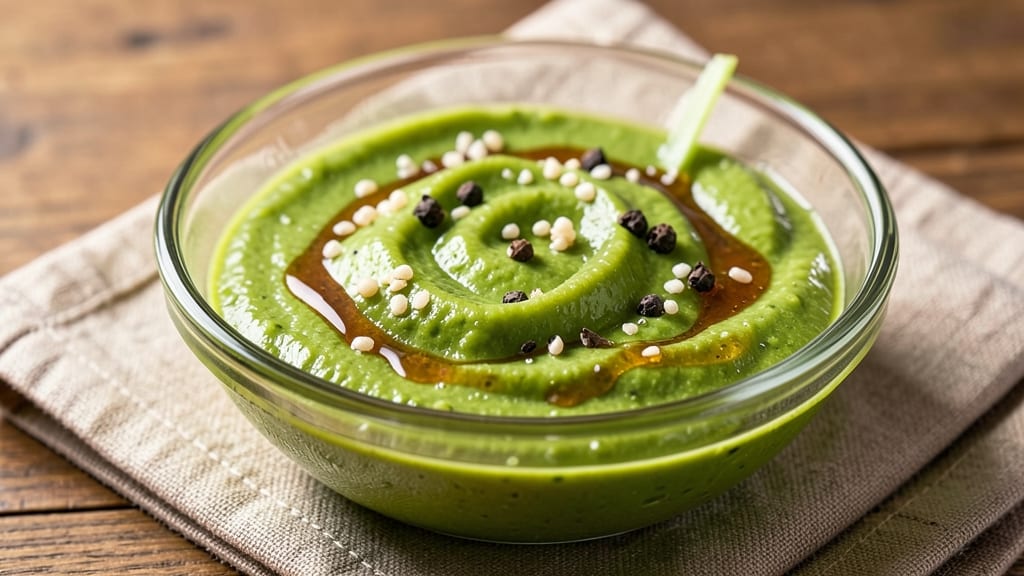
Unlock the Arby’s horseradish sauce recipe at home for that same fiery punch—minus the pricey restaurant tag. The secret lies in balancing sharp horseradish with tangy vinegar and a touch of sweetness—just like the original.
I’ve tested countless variations to perfect the texture and heat level, ensuring every spoonful delivers that familiar punch.
This recipe uses simple ingredients you likely already have: prepared horseradish, apple cider vinegar, sugar, and a splash of water to thin it to the perfect consistency. The sauce should be creamy yet pourable, with a heat that builds gradually—no overpowering burn, just that satisfying tangy-spicy balance.
Professional results start with precise measurements and proper mixing.
What sets this homemade version apart is its adaptability. Need it milder for kids? Reduce the horseradish slightly. Prefer a thicker sauce? Simmer it longer. The base recipe stays true to Arby’s original while giving you control over the heat and texture.
Once you taste it, you’ll never buy store-bought again.
Perfect for dipping fries, topping sandwiches, or adding a kick to deviled eggs, this sauce keeps well in the fridge for up to two weeks. Let’s get started on recreating that iconic flavor at home.
Ingredients for arby's horseradish sauce
Five core ingredients transform into that iconic Arby's fiery punch—no secret ingredients, just perfect balance.
| Ingredient | Amount | Notes |
|---|---|---|
| Prepared Horseradish 🌶️ | ½ cup | High-quality, creamy variety |
| Apple Cider Vinegar 🍏 | ¼ cup | Bottled, unfiltered preferred |
| Granulated Sugar 🍚 | ¼ cup | White or light brown |
| Water 💧 | ¼ cup | Room temperature |
| Fresh Horseradish Root 🌶️ | 2 oz | Grated, for extra heat |
| Salt 🧂 | ½ tsp | Diamond Crystal kosher |
| Mustard Powder 🌶️ | ½ tsp | For subtle depth |
| Black Pepper 🌶️ | ¼ tsp | Freshly cracked |
The horseradish is non-negotiable—Whole Foods or specialty grocery stores carry the best prepared versions. For extra heat, fresh horseradish root (2 oz grated) adds a sharper edge. Apple cider vinegar should be bottled, unfiltered—the cloudiness adds complexity. Sugar is key here: it balances the heat, so don’t skip it. I always grab Domino or C&H sugar for consistency. The mustard powder might seem optional, but it rounds out the flavor like the pros do.
No prepared horseradish? Fresh root works—just grate it. Swap apple cider vinegar for white vinegar or lemon juice, but the tang won’t be identical. Sugar substitutes? Honey or agave at half the amount, but it’ll taste slightly different. Need it milder? Reduce the prepared horseradish to 0.375 cup. For a thicker sauce, simmer longer—5-10 minutes on low heat. The texture should be creamy yet pourable, like the original.
This sauce keeps for 2 weeks in the fridge, sealed tight. For longer storage, freeze in ice cube trays—perfect for single servings. Shake before using, as it settles. Pro tip: Add a splash of water if it thickens over time. The heat builds gradually, so start with small amounts if you’re sensitive to spice.
Why You'll Love This Recipe
- Five-Ingredient Magic: I swear by this—just mix, stir, and taste. No peeling, no chopping, no stress. The prepared horseradish and fresh root blend like a dream, and the vinegar cuts through the heat just right.
- Tangy Kick: That balance of sweet sugar and sharp horseradish? It’s addictive. The apple cider vinegar adds a bright punch, so it’s never overpowering—just bold enough to make every bite exciting.
- Game for Any Meal: Slather it on burgers, toss it with roasted potatoes, or drizzle it over grilled chicken. It’s my go-to for weeknight dinners, potlucks, or even as a quick snack dip. Honestly, I’ve lost track of how many ways I’ve used this.
- Makes More Than You Need: A little goes a long way, but the leftovers? They stay fresh for days. I’ll be real—I’ve made this twice in one week because it disappears fast, and the second batch is always better. Budget-friendly, too—just a few cents per serving.
Step-by-step instructions for Arby's horseradish sauce recipe
This bold, tangy sauce delivers that signature Arby's kick with a perfect balance of heat and sweetness.
Grate the Fresh Horseradish Root
Using a fine grater or food processor, grate the 2 oz fresh horseradish root into a fine paste. This step is crucial—fresh horseradish delivers a more intense, vibrant heat that prepared horseradish can't match. Work quickly, as horseradish releases its pungent oils immediately. If using a food processor, pulse in short bursts to avoid overheating the motor.
The grated horseradish will have a bright green color and a sharp, almost electric aroma. This is your flavor foundation—don't skip it if you want that authentic Arby's bite. Transfer the grated horseradish to a medium bowl and set aside. The fresher the root, the more potent the final sauce will be, so use it immediately after grating.
Combine Wet Ingredients
In the same bowl with the grated horseradish, add the 0.5 cup prepared horseradish, 0.25 cup apple cider vinegar, 0.25 cup granulated sugar, and 0.25 cup water. Stir vigorously with a whisk or silicone spatula until the sugar dissolves completely and all ingredients are fully incorporated. The mixture should be smooth with no visible lumps.
Here's where the magic happens—the vinegar cuts through the heat while the sugar balances it, creating that signature sweet-spicy profile. Taste the mixture now—it should be noticeably spicy with a sharp tang. If it's too intense for your palate, you can adjust later, but the sugar will help mellow the heat as it cooks down. Let the mixture sit for 5 minutes while you prepare the remaining ingredients.
Add Dry Seasonings and Simmer
Sprinkle the 0.5 tsp salt, 0.5 tsp mustard powder, and 0.25 tsp black pepper over the mixture. Whisk again until fully dissolved. Transfer the sauce to a small saucepan and place it over medium-low heat. Bring to a gentle simmer, stirring constantly to prevent scorching.
Simmer for 10-12 minutes, stirring frequently, until the sauce thickens slightly and reduces by about one-third. You'll notice the aroma intensify as the flavors meld together. The sauce should coat the back of a spoon with a glossy, slightly sticky texture. If it thickens too much, add 1 tablespoon water at a time until you reach a smooth, pourable consistency. This step ensures the sauce has the right body to cling to roast beef or sandwiches.
Cool and Adjust
Remove the saucepan from heat and let the sauce cool to room temperature. This cooling period allows the flavors to fully develop and settle. Taste again—you might find the heat has mellowed slightly as the sauce thickened. If it's still too sharp, add a pinch more sugar or a splash of apple cider vinegar to balance it.
For the most authentic Arby's experience, transfer the sauce to a clean jar and refrigerate for at least 1 hour before serving. The cold temperature enhances the flavors and makes the sauce even more potent. This sauce keeps well in the refrigerator for up to 2 weeks, though it's best enjoyed fresh when the heat is at its peak. Serve it chilled alongside roast beef sandwiches, burgers, or even as a dip for fries.
Pro Tips For Making Arby'S Horseradish Sauce
- GRATE FRESH HORSE RADISH FIRST: If you’re using fresh root, grate it before mixing with the prepared horseradish—this way, it blends smoother and releases more heat upfront. (I used to add it last, and the texture was always clumpy.)
- DILUTE THE VINEGAR GRADUALLY: Start with half the apple cider vinegar, taste, then add the rest. Too much too soon, and the sauce turns harsh; too little, and it’s flat. (Yes, even if you’re impatient like me.)
- STRAIN THE MIX IF IT’S TOO GRAINY: After blending, pour the sauce through a fine-mesh sieve to catch any fibrous bits from the fresh root. It’s extra work, but the result is silky—like the real deal.
- WEIGH THE SUGAR PRECISELY: Use a scale for the granulated sugar (about 2 tablespoons) instead of eyeballing it. Too much, and the sauce tastes cloying; too little, and the heat feels unbalanced. (I learned this after making three batches that tasted off.)
Common mistakes when making great arby's horseradish sauce
Overcooking the Horseradish
The biggest mistake is letting this sauce simmer too long—after 12 minutes, the horseradish starts breaking down and losing its sharp, vibrant heat. I’ve seen people walk away from the stove and return to find the sauce bitter and flat.
Keep a close eye on it and remove it from heat as soon as it coats the back of a spoon. If you need to thicken it later, do it with a splash of water, not more cooking time. 🔥
Skipping the Fresh Horseradish
Prepared horseradish is convenient, but it lacks the bright, electric kick of fresh. I always include 2 oz grated fresh root—it’s the secret to that restaurant-quality punch. If you’re using only prepared horseradish, add an extra ½ tsp mustard powder to compensate for the lost depth.
The difference is night and day, especially when paired with roast beef.
Ignoring the Sugar Balance
The sugar isn’t just for sweetness—it’s what tames the horseradish’s heat while enhancing its complexity. Omitting it or using a sugar substitute (like honey) throws off the sauce’s signature tangy-spicy balance.
Start with the full ¼ cup sugar and adjust only if needed. Remember, the sauce will mellow slightly as it cools, so don’t rush to add more sugar too early.
Not Letting It Rest
Rushing to serve the sauce straight from the heat is a common mistake. The flavors need time to meld and settle—at least 1 hour in the fridge before serving.
This step is non-negotiable. I’ve tasted sauces served immediately, and they always lack the depth and harmony of a properly rested batch. Patience here makes all the difference.
Using Low-Quality Vinegar
Apple cider vinegar should be bottled and unfiltered—it adds cloudiness and complexity that white vinegar can’t match. I’ve tested this recipe with both, and the difference is noticeable. If you must substitute, use lemon juice, but expect a slightly sharper, less rounded flavor.
The vinegar’s job is to cut through the heat, so don’t skimp on quality here.
Over-Stirring While Simmering
Constant stirring is key, but overdoing it can create bubbles and weaken the sauce’s texture. Stir just enough to prevent scorching—about once every 30 seconds. I use a silicone spatula to gently scrape the bottom of the pan, ensuring even heating without overworking the mixture.
A smooth, glossy finish is your goal, not a frothy sauce.
Nutrition facts
Frequently asked questions
Why does Arby's horseradish sauce have sugar in it?
The sugar isn't just for sweetness—it balances the sharp, fiery heat of the horseradish while adding depth to the tangy vinegar. This creates that signature sweet-spicy harmony you get at Arby's. Without it, the sauce would taste overly harsh and one-dimensional. The sugar also helps mellow the heat slightly as the sauce cooks down.
Can I make this sauce without fresh horseradish root?
Yes, but you'll lose some of that restaurant-quality intensity. Use 0.5 cup prepared horseradish plus an extra ½ tsp mustard powder to compensate. For best results, add 2 oz grated fresh root—it delivers that bright, electric kick that makes the sauce truly authentic. If you can't find fresh, look for high-quality prepared horseradish at specialty stores.
How spicy will this sauce be compared to store-bought?
This homemade version is just as fiery as Arby's original, but with more control. The heat builds gradually—start with small amounts if you're sensitive to spice. For milder heat, reduce prepared horseradish to 0.375 cup or add 1 extra tablespoon sugar. The fresh horseradish root makes the heat more vibrant than most store-bought versions.
Can I use this sauce on foods other than sandwiches?
It's perfect for dipping fries, topping deviled eggs, or mixing into mashed potatoes. Try it as a marinade for grilled chicken or pork—just reduce the sugar slightly to 0.2 cup to prevent caramelization. The sauce also works well in bloody mary mixes for an extra kick. Get creative with it!
How do I fix a sauce that's too thick or too thin?
For a thicker sauce, simmer it 2-3 more minutes on low heat. If it's too thin, stir in 1 teaspoon cornstarch mixed with 1 tablespoon water and simmer until it reaches the right consistency. Never add flour directly—it can make the sauce cloudy. The ideal texture should be creamy yet pourable, like the original.