
Sauces & Condiments
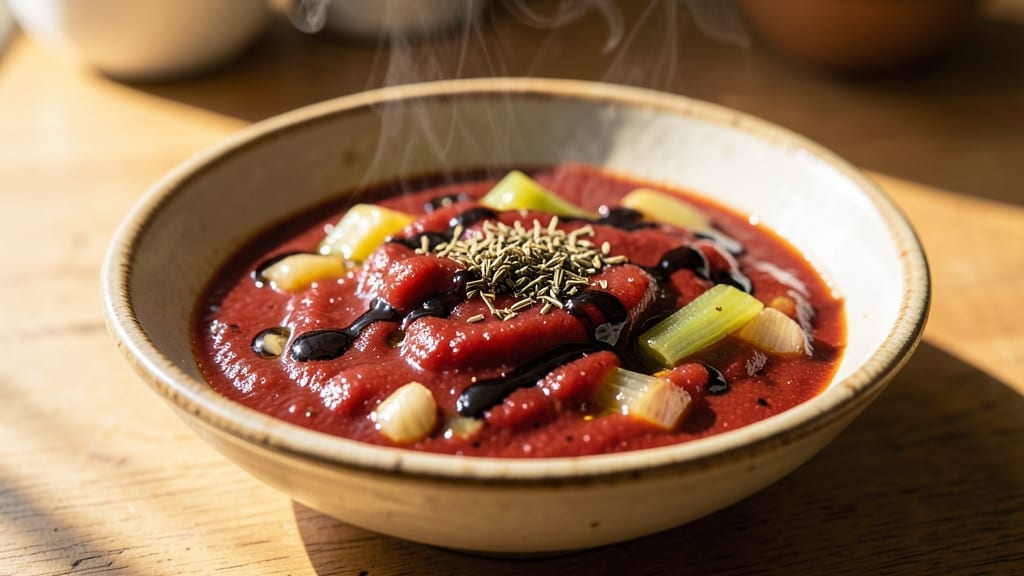
Creating an authentic red sauce recipe without fresh tomatoes transforms traditional techniques into a deeper, more concentrated flavor experience. This slow-simmered sauce builds umami richness through aged vinegar, garlic, and aromatic herbs—key to Italian and Mediterranean authenticity. The method preserves texture while developing complex layers that store-bought versions can't match.
What sets this sauce apart is the slow reduction process, where ingredients like garlic, onion, and celery form a flavorful base before adding vinegar and herbs. This approach mimics traditional techniques used in Italian ragù and Spanish sofrito, delivering authentic depth without relying on fresh tomatoes.
The result is a velvety, balanced sauce with a bold umami profile that elevates any dish.
Perfect for pasta, meatballs, or dipping bread, this sauce maintains its quality for up to 5 days in the fridge or 3 months frozen. The recipe balances simplicity with professional results—ideal for home cooks who want restaurant-quality flavor without shortcuts.
Let’s create a sauce that stands the test of tradition.
Optional variations include adding ground meat for richness or vegetable stock for depth, ensuring flexibility for different dietary preferences. The key lies in patience: letting flavors meld during the slow simmer transforms basic ingredients into something extraordinary.
Ingredients for authentic red sauce
Ten essential ingredients transform into a restaurant-quality sauce without fresh tomatoes.
| Ingredient | Amount | Notes |
|---|---|---|
| Extra-Virgin Olive Oil 🫒 | ½ cup | High-quality, fruity, cold-pressed |
| Yellow Onion 🧅 | 1 whole | Medium-sized, finely diced |
| Celery Stalks 🥬 | 3 whole | Stringless, finely chopped |
| Garlic Cloves 🧄 | 6 cloves | Peeled, minced finely |
| Aged Balsamic Vinegar 🍷 | ½ cup | 12-year minimum aging |
| Dried Oregano 🌿 | 1 tbsp | Mediterranean or Italian variety |
| Dried Basil 🌿 | 1 tbsp | High-quality, not dusty |
| Ground Black Pepper 🌶️ | ½ tsp | Freshly cracked preferred |
| Diamond Crystal Kosher Salt 🧂 | 1 tsp | Fine grain for balance |
| Tomato Paste 🍅 | 2 tbsp | High-quality, no additives |
The foundation of this sauce lies in the aged balsamic vinegar and extra-virgin olive oil—both must be premium. For the vinegar, 12-year aged delivers the deepest umami profile; Barone Fini or Giovanni Rossi are ideal choices. The olive oil should be cold-pressed and unfiltered—California Olive Ranch or Colavita offer reliable options. Celery and onion form the aromatic base; organic varieties from Whole Foods Market or local farmers' markets ensure vibrant flavor. The garlic should be freshly minced—never pre-minced from jars, as it oxidizes quickly and loses potency. Diamond Crystal kosher salt is preferred for its fine grain and consistent flavor.
Substitutions must respect the sauce's umami-driven profile. If aged balsamic is unavailable, red wine vinegar works but lacks depth—reduce it longer to compensate. For the tomato paste, San Marzano is optimal, but Muir Glen is a solid alternative. Dried herbs should be freshly ground if possible; Penzeys Spices offers high-quality options. The olive oil cannot be substituted with refined oils—avocado oil is acceptable in a pinch but alters the sauce's character. For a vegetarian adaptation, vegetable stock replaces water, adding subtle depth without overpowering the umami. Ground meat can be incorporated later for richness, but it must be browned first to avoid muddling the sauce.
This sauce develops over time—never rush the reduction. Store in sterilized glass jars with a thin layer of olive oil on top to preserve color and flavor. In the fridge, it maintains peak quality for 5 days; for longer storage, freeze in ice cube trays for single-serving portions. Reheat gently on low heat or in the microwave with a splash of water to restore texture. The sauce thickens as it cools, so adjust consistency with a splash of water or stock before serving. Portion into airtight containers for meal prep, ensuring each serving retains its velvety texture.
Why You'll Love This Recipe
- No Chopping Chaos: I swear by this—just dice onion and celery once, then let the olive oil and slow simmer do the work. No small pieces, no mess, just that rich base building while you sip your coffee.
- Umami Bomb: That aged balsamic vinegar? It’s the secret weapon here—deep, tangy, and it ties the garlic and onion into something ridiculously good. Honestly, I’ve tried store-bought, but this tastes like a hug from Nonna.
- Pantry-to-Table Magic: Use it on pasta, drizzle it over grilled chicken, or toss it with roasted veggies. The olive oil keeps it silky, so it works everywhere—no fancy plating, just pure flavor. (Yes, even on a Tuesday night.)
- Leftovers That Lie: Make a double batch—it tastes better the next day. The flavors meld, the balsamic mellows, and suddenly you’ve got a free lunch for tomorrow. Budget-friendly? More like steal.
Step-by-step instructions for slow-simmered umami red sauce
Master this technique for a rich, concentrated sauce that builds depth through slow reduction.
Develop the Aromatic Base
Heat the 0.5 cup extra-virgin olive oil in a heavy-bottomed saucepan over medium-low heat. Add the 1 whole yellow onion, 3 whole celery stalks, and 6 cloves garlic cloves, all finely prepared as specified. Cook for 10-12 minutes until the vegetables soften and the onion becomes translucent without browning. Stir occasionally to prevent sticking—this foundational layer carries the sauce's complexity.
I press the vegetables down gently with a wooden spoon during the first 5 minutes to ensure even contact with the oil. This creates a proper soffritto that forms the backbone of traditional Italian red sauces. The celery adds subtle bitterness that balances the sweetness of the onion, while the garlic infuses without burning.
Incorporate Tomato Paste and Vinegar
Reduce heat to low and stir in the 2 tbsp tomato paste, spreading it evenly across the bottom of the pan. Cook for 3-4 minutes until it darkens slightly and develops a caramelized aroma. This step deepens the sauce's color and intensifies its umami profile.
Next, pour in the 0.5 cup aged balsamic vinegar and scrape up any browned bits from the pan's surface. These fond particles contain concentrated flavors that dissolve into the sauce. Let the mixture simmer gently for 5 minutes until the vinegar's sharpness mellows into a rich, caramel-like sweetness. This reduction transforms the vinegar from an acidic note into a complex flavor contributor.
Season and Simmer to Perfection
Add the 1 tbsp dried oregano, 1 tbsp dried basil, 1 tsp diamond crystal kosher salt, and 0.5 tsp ground black pepper. Stir thoroughly to distribute the seasonings evenly. The herbs should dissolve gradually rather than settle at the bottom—this indicates proper integration.
Increase heat to medium-low and simmer uncovered for 30-40 minutes, stirring occasionally. The sauce will reduce significantly, becoming thick and glossy. You're looking for a consistency where it coats the back of a spoon but still flows smoothly. This slow evaporation concentrates the flavors while eliminating any remaining acidity from the vinegar. The sauce should smell intensely aromatic with notes of caramel, herbs, and roasted vegetables.
Final Adjustments and Straining
Taste the sauce and make final adjustments: add a pinch more salt if needed, or a splash of water if it's too thick. The texture should be velvety yet still cling to ingredients. For a completely smooth finish, strain through a fine-mesh sieve into a clean saucepan, pressing gently on the solids with a wooden spoon to extract maximum flavor.
Return the strained sauce to the stove and simmer for an additional 5 minutes to restore any lost thickness. This final reduction ensures the sauce reaches its optimal consistency. The result should be a deep red sauce with layers of umami complexity—rich from the tomato paste, sweet from the caramelized vinegar, and balanced by the aromatic vegetables. Serve immediately over pasta or store in an airtight container for up to 5 days in the refrigerator, where the flavors will continue to deepen.
Pro Tips For Making Authentic Red Sauce
- Sweat, Don’t Burn: The onion and celery should release moisture and soften—not turn into charcoal. Keep the heat at a steady medium and stir every 30 seconds. I learned this the hard way when my first batch turned into a sad, bitter sludge because I walked away for "just a minute."
- Mince Garlic Like You Mean It: Skip the press—finely chop those cloves instead. Pressed garlic bruises and releases bitter compounds, while minced garlic cooks evenly and adds depth. (Yes, it takes 20 seconds longer, but your sauce will taste like it.)
- Deglaze Immediately: As soon as you remove the onion-celery-garlic mixture, pour in that aged balsamic right away while the pan’s still hot. The browned bits (fond) dissolve into the vinegar, giving your sauce a rich, complex base. Let it simmer for 2 minutes—don’t rush this.
- Use Cold Olive Oil: Add the extra-virgin olive oil to the pan after the onions and celery have sweated, not before. Cold oil prevents the onions from browning too quickly and lets the garlic toast properly. (I know, it feels counterintuitive, but trust me—it works.)
Serving suggestions for this recipe
Pasta Pairings
This sauce elevates al dente pasta like bronze-cut rigatoni or pappardelle, where its velvety texture clings beautifully. I recommend Bronze Die pasta for its textured surface that traps the sauce. For a rustic touch, serve with homemade egg noodles—their delicate bite contrasts perfectly with the sauce’s depth. 🍝
For a lighter option, try whole wheat spaghetti or buckwheat linguine, which add subtle nuttiness. The sauce’s umami richness pairs exceptionally well with gluten-free brown rice pasta if dietary needs require it. Always cook pasta 1 minute less than package instructions for optimal texture when tossed.
Meatball Serving
Transform this sauce into a hearty meatball dish by simmering 12 oz ground beef or pork (or a plant-based blend) with ½ cup breadcrumbs and 1 egg into 1.5-inch balls.
Brown them in olive oil before adding to the sauce for 20 minutes on low heat. Serve with crusty Italian bread for dipping or over mashed potatoes for a comforting twist.
For a vegetarian option, use lentils or mushrooms as the base for your meatballs. The sauce’s depth enhances their earthy flavors, creating a satisfying, protein-rich meal. Garnish with grated Parmesan and fresh basil for an authentic finish.
Bread and Appetizers
Warm freshly baked focaccia or ciabatta with this sauce drizzled on top, then sprinkle with flaky sea salt and red pepper flakes. The sauce’s richness soaks into the bread perfectly, making it an irresistible appetizer.
For a gourmet touch, serve with roasted garlic hummus and marinated olives on a platter.
Use the sauce as a dip for crudités like bell pepper strips, carrot sticks, and cherry tomatoes. The umami depth balances the freshness of the vegetables, creating a vibrant, flavorful spread. For a protein boost, add grilled shrimp skewers or prosciutto-wrapped melon to the platter.
Garnishing Techniques
Finish your dish with fresh basil leaves torn by hand, not chopped, to preserve their delicate flavor. A drizzle of extra-virgin olive oil and a sprinkle of aged Parmesan (or Pecorino Romano for a sharper bite) adds a luxurious touch.
For heat, add crushed red pepper flakes or a few drops of hot honey.
For a smoky note, top with smoked paprika or crumbled feta cheese if you prefer a tangy contrast. The key is to garnish just before serving—this keeps the flavors vibrant and the presentation fresh. A pinch of sea salt on top enhances all the other elements.
Nutrition facts
Frequently asked questions
Why does this recipe skip fresh tomatoes?
This sauce focuses on developing deep umami flavor through slow reduction of aged vinegar, garlic, and aromatic vegetables. Fresh tomatoes can dilute this concentrated depth, while tomato paste provides the base color and richness without overpowering the sauce's complex profile. The result is a more intense, restaurant-quality flavor that stores beautifully.
Can I make this sauce vegetarian?
The base recipe is already vegetarian, but you can enhance it further by replacing water with vegetable stock and adding sautéed mushrooms or lentils for extra depth. The umami from the aged vinegar and tomato paste ensures rich flavor even without meat. Just avoid adding any animal-based ingredients like anchovies or meat broth.
What's the best way to thicken this sauce if it's too thin?
Simmer the sauce uncovered for an additional 10-15 minutes to reduce it naturally. If you need faster results, mix 1 tablespoon cornstarch with 2 tablespoons cold water, stir into the sauce, and cook for 2-3 minutes until thickened. Avoid adding flour directly, as it can create lumps. The sauce should coat the back of a spoon but remain smooth.
How do I prevent the sauce from getting bitter?
Bitter flavors develop when the sauce reduces too long or when garlic burns. Keep heat at medium-low and stir frequently, especially during the initial cooking of the aromatic vegetables. Remove the pan from heat if you smell burning, then return it to low heat once the aroma mellows. Adding a pinch of sugar or a splash of water can also help balance any bitterness that develops.
Can I freeze this sauce for later?
Yes! Portion the sauce into ice cube trays or airtight containers, leaving ½-inch headspace for expansion. Freeze for up to 3 months. Thaw overnight in the refrigerator and reheat gently on low heat, stirring occasionally and adding a splash of water if needed to restore texture. Avoid refreezing thawed sauce to maintain quality.