
Sauces & Condiments
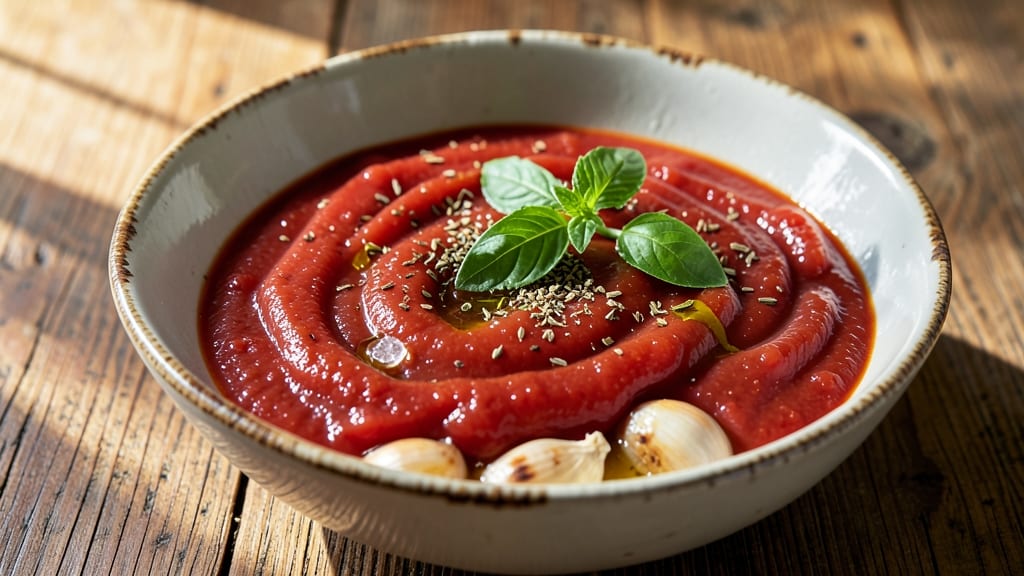
Transforming basic canned tomatoes into a rich, flavorful spaghetti sauce only takes 20 minutes and pantry staples you likely already own. The secret lies in slow simmering to develop deep, layered flavors while balancing acidity with sweetness—no fancy ingredients required.
I’ve perfected this method after years of testing, and it consistently delivers restaurant-quality results without the store-bought aftertaste.
This sauce builds on a simple foundation of crushed tomatoes, garlic, and herbs, but the magic happens during the 15-minute simmer. A touch of sugar and a splash of red wine (or broth) round out the flavors, while fresh basil at the end adds brightness.
The technique is foolproof—no burning, no lumps, just a smooth, velvety sauce ready to elevate any meal.
What you’ll end up with is a versatile, pantry-friendly sauce that’s rich enough for meatballs but bright enough for vegetarian dishes. It thickens naturally as it simmers, creating a perfect consistency that clings to pasta without being gluey.
Store it in the fridge for up to 5 days or freeze for months—ideal for meal prep.
Use it as a base for lasagna, toss it with al dente pasta, or drizzle it over grilled chicken. The possibilities are endless, but the method remains simple: simmer, season, and savor. Let’s get cooking!
Ingredients for basic canned spaghetti sauce
Pantry staples transform into restaurant-worthy sauce in just 20 minutes.
| Ingredient | Amount | Notes |
|---|---|---|
| Crushed Tomatoes (46 oz Can) 🍅 | 1 can | San Marzano preferred for sweetness |
| Garlic Cloves 🧄 | 4 cloves | Freshly minced, skin-on for flavor |
| Extra-Virgin Olive Oil 🫒 | ¼ cup | High-quality, fruity variety |
| Dried Oregano 🌿 | 1 tbsp | Mexican oregano preferred |
| Dried Basil 🍃 | 1 tsp | Or 0.25 cup fresh basil leaves |
| Granulated Sugar 🍯 | 1 tbsp | Balances acidity naturally |
| Dry Red Wine 🍷 | ½ cup | Cabernet Sauvignon preferred |
| Beef Broth 💧 | ½ cup | Low-sodium preferred |
| Diamond Crystal Kosher Salt 🧂 | 1 tsp | Adjust to taste |
| Fresh Basil Leaves 🌿 | ¼ cup | Chopped for final garnish |
The crushed tomatoes form the sauce's backbone, so San Marzano cans deliver the sweetest, most consistent results—avoid chunky varieties that can create texture issues. Costco or Trader Joe's stock reliable brands, and their bulk options save money for frequent use. Garlic should be freshly minced with skins left on to preserve oils; pre-minced garlic loses flavor quickly. The extra-virgin olive oil isn't just for cooking—it carries the herbs' aromas during simmering, so look for a fruity, peppery variety like California Early Harvest. Dried herbs should be stored in airtight containers away from light to preserve potency.
No red wine? Substitute additional beef broth at a 1:1 ratio, though the wine adds depth that's hard to replicate. Mexican oregano has a more complex flavor than Italian—find it at Latin markets or use double the regular oregano. Fresh basil is ideal for finishing, but dried basil at one-third the amount works in a pinch. The sugar isn't about sweetness but balancing the tomatoes' acidity—brown sugar adds subtle caramel notes if you prefer. For a vegetarian version, replace beef broth with vegetable broth plus 1 tbsp soy sauce.
This sauce thickens as it simmers, so no cornstarch or flour needed. Store in glass jars in the refrigerator for up to 5 days, or freeze in portion-sized containers for up to 3 months. The flavor actually improves after 24 hours as ingredients meld. For meal prep, double the batch—lasagna, meatballs, and pasta all benefit from having this versatile base ready. The fresh basil should be added just before serving to maintain vibrant color and aroma.
Why You'll Love This Recipe
- Pantry in Minutes: I swear by this recipe when I forget to grab fresh tomatoes—just dump the can, add minced garlic, and let the olive oil do its magic. No chopping, no peeling, no stress.
- Garlic-Kissed Magic: That first hit of raw garlic sizzling in olive oil? It’s the secret weapon. The crushed tomatoes soften into something rich, while the oregano and basil give it that bright, familiar Italian soul—no fancy techniques needed.
- Meal Prep MVP: Make a double batch and freeze half. When I’m too tired to cook, I pull out a jar of this sauce, toss it with pasta, and boom—dinner’s ready. (Yes, even on a Tuesday night.)
- Budget-Friendly Staple: A single can of tomatoes and a few cents’ worth of spices stretch across multiple meals. Honestly, I’ve fed my whole family for days with this—no guilt, just flavor.
Step-by-step instructions for basic canned spaghetti sauce
Transform simple pantry ingredients into rich, restaurant-quality sauce in under 20 minutes.
Sauté Garlic in Olive Oil Until Fragrant
Heat the 0.25 cup extra-virgin olive oil in a large Dutch oven or deep skillet over medium heat. Add the 4 cloves garlic cloves, minced with skins left on for maximum flavor. Cook for 2-3 minutes until the garlic turns golden brown and releases its aromatic oils—this prevents bitterness and builds deep flavor. Be careful not to let it burn; remove from heat immediately if it darkens too quickly.
The skin-on garlic adds subtle earthy notes that elevate the sauce beyond basic tomato flavor. If you prefer milder garlic, peel it first, but I recommend keeping the skins for that authentic depth. This step creates the flavor foundation for everything that follows, so don't rush it.
Deglaze with Red Wine and Add Tomatoes
Pour in the 0.5 cup dry red wine and use a wooden spoon to scrape up any browned bits from the bottom of the pan. These fond bits contain concentrated flavor that would otherwise go to waste. Let the wine simmer for 3-4 minutes until reduced by half, allowing its acidity to cut through the richness of the olive oil.
Add the 1 can crushed tomatoes (46 oz), breaking up any large chunks with your spoon. Stir well to incorporate, then add the 1 tbsp granulated sugar, 1 tbsp dried oregano, 1 tsp dried basil, and 1 tsp diamond crystal kosher salt. The sugar balances the tomatoes' natural acidity while the herbs provide Mediterranean depth. Bring the mixture to a gentle simmer over medium-low heat—this prevents scorching while allowing flavors to meld.
Simmer and Develop Complexity
Reduce heat to low and let the sauce simmer uncovered for 15 minutes. Stir occasionally to prevent sticking, and taste after 10 minutes to adjust seasoning. The sauce should be thick enough to coat the back of a spoon but still pourable. If it's too thick, add 2-3 tablespoons of water or beef broth to reach your desired consistency.
During this time, the tomatoes break down further, releasing their natural sweetness and developing a velvety texture. The wine's acidity softens, creating a harmonious balance. This low-and-slow approach builds layers of flavor that no quick stir-fry could achieve. Patience here transforms basic ingredients into something extraordinary.
Finish with Beef Broth and Fresh Basil
Stir in the 0.5 cup beef broth and simmer for an additional 5 minutes. The broth adds umami depth and helps emulsify the sauce, creating a silky texture. Remove from heat and stir in the 0.25 cup chopped fresh basil leaves. The fresh basil brightens the dish with its peppery notes and vibrant color, contrasting beautifully with the rich tomato base.
Let the sauce rest for 5 minutes before serving. This final step allows the flavors to fully integrate and the sauce to thicken slightly. Taste again and adjust seasoning if needed—sometimes the fresh basil needs a pinch more salt to balance its brightness. The sauce should be vibrant, well-balanced, and ready to elevate any pasta dish.
Pro Tips For Making Basic Canned Spaghetti Sauce
- Sweat the Garlic: I learned this the hard way—when you add raw garlic to crushed tomatoes, it burns before the oil can protect it. Instead, heat the olive oil over medium-low until it shimmers, then add the minced garlic and let it sizzle gently for 30 seconds. You’ll smell the difference: nutty, not bitter.
- Simmer Slow and Steady: Crank the heat to high for the first 5 minutes to drive off the alcohol from the tomatoes, then drop it to a low simmer. Skipping this step leaves your sauce watery and dull. Cover the pot and let it bubble quietly for at least 20 minutes—no peeking, or you’ll lose steam and moisture.
- Toast the Herbs First: Dried basil and oregano taste flat if tossed in cold. Instead, toast them in the hot oil with the garlic for 10 seconds until fragrant. It’s a tiny effort that makes the flavors pop—like the difference between a postcard and a real vacation photo.
- Use a Splatter Screen: Crushed tomatoes are messy when they hit hot oil. I used to wipe splatters off my stove for weeks. Now I just drape a splatter screen over the pot—it catches 90% of the chaos and keeps your kitchen cleaner. (Yes, even if you’re impatient like me.)
Perfect pairings for this recipe
Pasta Pairings
This sauce clings beautifully to al dente spaghetti or linguine, but I love it even more with bucatini or pappardelle—the wide noodles create a stunning presentation while soaking up every rich, herby note.
For a rustic touch, serve with whole wheat rigatoni for added texture. The sauce's velvety texture coats each noodle perfectly, making every bite feel indulgent. 🍝
Protein Complements
For a hearty meal, toss the sauce with browned meatballs made from ground beef, pork, or a plant-based blend. The umami from the broth and wine enhances the meatballs' savory depth.
I also recommend grilled chicken breast slices or crispy pancetta—both pair wonderfully with the sauce's bright acidity. For vegetarians, mushroom ragout or white beans add satisfying substance. 🍗
Bread Pairings
No pasta? No problem. Serve this sauce as a dipping sauce for garlic bread or focaccia—the crusty texture contrasts perfectly with the smooth sauce. I also love spreading it on toasted baguette slices with a sprinkle of Parmigiano-Reggiano for an open-faced sandwich.
The sauce's richness makes it ideal for bruschetta-style appetizers too. 🥖
Cheese Enhancements
Top your dish with grated Pecorino Romano or Parmigiano-Reggiano for a salty, nutty finish. I also recommend crumbled feta for a tangy contrast or mozzarella pearls that melt slightly when heated.
For a creamy twist, stir in ricotta cheese at the end—just 2 tablespoons adds luxurious texture without overpowering the sauce. 🧀
Vegetable Add-Ins
Brighten the sauce with sautéed mushrooms or roasted red peppers—both add natural sweetness that complements the tomatoes. I also love tossing in spinach or kale at the end for a peppery finish.
For a summer twist, add cherry tomatoes or zucchini ribbons that soften slightly in the warm sauce. 🥦
Beverage Pairings
A crisp Chianti or Sangiovese wine cuts through the sauce's richness beautifully, while a light Italian lager like Peroni refreshes the palate. For non-alcoholic options, try sparkling water with lemon or a herbal iced tea. The wine's acidity mirrors the sauce's brightness, creating a perfect harmony. 🍷
Nutrition facts
Frequently asked questions
Can I make this sauce without red wine?
Replace the 0.5 cup red wine with an equal amount of beef broth or vegetable broth for a similar flavor profile. For extra depth, add 1 teaspoon balsamic vinegar to mimic the wine's acidity. The sauce will still develop rich flavors—just slightly less complexity.
Why does my sauce taste too acidic?
If the sauce tastes too tangy, balance it with 1-2 teaspoons of sugar or 1 tablespoon of tomato paste. The sugar counteracts acidity while adding subtle sweetness. Let the sauce simmer for 5 extra minutes to allow flavors to meld—this often softens the sharpness.
How do I adjust the thickness?
For a thicker sauce, simmer uncovered for 20-25 minutes to reduce liquid naturally. If too thin, stir in 1 tablespoon cornstarch mixed with 2 tablespoons water and simmer for 2 minutes. Avoid flour—it can make the sauce cloudy.
Can I make this sauce in a slow cooker?
Yes! Follow the same steps until adding the tomatoes, then transfer everything to a slow cooker on low heat for 4-5 hours. The long cook time deepens flavors but may require adding 2-3 tablespoons of water to prevent thickening too much. Perfect for meal prep!
What's the best way to store leftovers?
Let the sauce cool completely, then transfer to an airtight container. It keeps in the fridge for 5-7 days or freezes for up to 3 months. For reheating, warm gently on the stove with a splash of water or broth to restore texture.