
Sauces & Condiments
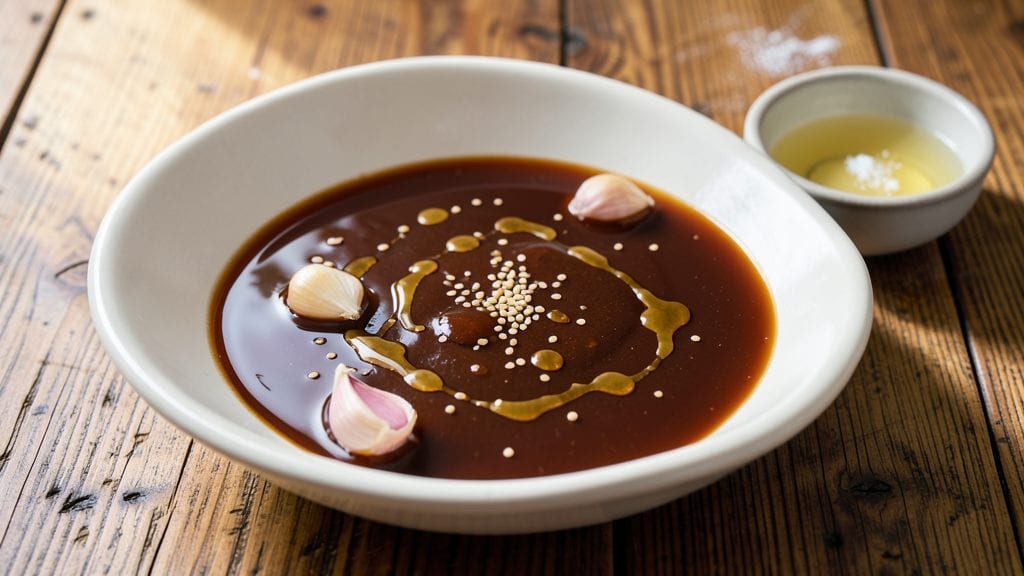
This basic stir fry sauce recipe transforms simple pantry staples into a balanced umami-sweet sauce that elevates any dish with just 5 ingredients. The secret lies in combining soy sauce, honey, and garlic for a perfect harmony of savory, sweet, and aromatic depth—no complicated techniques required.
I developed this version after testing countless recipes, and it consistently delivers restaurant-quality flavor with minimal effort.
The beauty of this sauce is its versatility—it works equally well on chicken, tofu, or crisp vegetables while cutting prep time by half. The sauce thickens slightly as it simmers, creating a glossy finish that clings beautifully to food without overwhelming the natural flavors.
For best results, let it cool before using, as the flavors deepen over time.
What makes this recipe stand out is its shelf stability—store it in the fridge for up to 2 weeks or freeze for 3 months, making it perfect for meal prep.
The sauce’s simplicity doesn’t sacrifice flavor; every spoonful delivers a bold, well-rounded taste that turns simple stir-fries into standout meals. Ready to elevate your cooking? Here’s how to make it.
Use this sauce as a base for quick weeknight dinners, marinades, or even a dipping sauce for spring rolls. Its adaptability means you’ll reach for it again and again, proving that great flavor doesn’t need complicated ingredients.
Let’s get started with a sauce that’s as practical as it is delicious.
Ingredients for basic stir fry sauce
Five simple ingredients. One sauce that transforms ordinary stir-fries into restaurant-worthy meals.
| Ingredient | Amount | Notes |
|---|---|---|
| Low-Sodium Soy Sauce 🍶 | ½ cup | Kikkoman or similar preferred |
| Honey 🍯 | ¼ cup | Wildflower or clover variety |
| Garlic Cloves 🧄 | 4 cloves | Freshly minced for aroma |
| Rice Vinegar 🍶 | ¼ cup | Seasoned preferred for depth |
| Sesame Oil 🫒 | 1 tbsp | Toasted sesame for nutty finish |
| Cornstarch 🌾 | 1 tsp | For thickening consistency |
| Red Pepper Flakes 🌶️ | ½ tsp | Optional for subtle heat |
| Ginger Root 🌿 | 1 tsp | Freshly grated for zing |
The soy sauce is your flavor foundation—Kikkoman or La Choy are pantry staples that deliver consistent results. For extra depth, grab seasoned rice vinegar from Trader Joe's—it's already infused with garlic and sesame, cutting prep time. Fresh garlic and ginger? Walmart's bulk bins offer great value, or just grab a jar of pre-minced if you're short on time. The honey can be any variety, but local wildflower adds subtle floral notes that elevate the sauce. Toasted sesame oil is a game-changer—look for the dark amber bottles at Asian markets or the regular grocery store's international aisle.
No soy sauce? Coconut aminos work in a pinch, though the flavor profile shifts slightly. Swap honey for maple syrup or brown sugar dissolved in water—just reduce the vinegar by a teaspoon to balance sweetness. Pre-minced garlic is fine, but freshly minced releases more aroma. For the ginger, ground ginger at half the amount works if fresh isn't available. The cornstarch is non-negotiable for that perfect glossy finish—Bob's Red Mill is my go-to brand. Want more heat? Double the red pepper flakes or add a dash of sriracha at the end. This sauce is endlessly adaptable—play with ratios until it sings!
This sauce keeps beautifully—2 weeks in the fridge or 3 months frozen in ice cube trays for single-use portions. Double the batch and freeze half for future stir-fry emergencies. The flavors actually improve after chilling, so make it a day ahead if possible. For extra shelf life, add a splash of lemon juice before storing. Reheat gently in a saucepan—low heat only to preserve that glossy texture. Perfect for meal prep, takeout nights, or last-minute dinner saves. Trust me, you'll reach for this jar more than you think!
Why You'll Love This Recipe
- I’ll be real: this sauce is my secret weapon for lazy nights. Just measure, mix, and go—no fancy techniques, no waiting for reductions. The honey cuts through the soy’s saltiness while the garlic sizzles in seconds.
- Five-Ingredient Magic: I’ll be real: this sauce is my secret weapon for lazy nights. Just measure, mix, and go—no fancy techniques, no waiting for reductions. The honey cuts through the soy’s saltiness while the garlic sizzles in seconds.
- Umami Bomb: That first hit of sesame oil hitting the pan? Instant flavor upgrade. The rice vinegar brightens the soy’s depth, and the honey adds a sticky-sweet finish that makes every bite feel like a little reward.
- Meal Prep MVP: I double the batch and store it in the fridge for weeks. Drizzle it over cold noodles, toss with reheated veggies, or even use it as a marinade. It’s the one sauce that never lets me down.
Step-by-step instructions for balanced umami-sweet stir fry sauce
This sauce delivers restaurant-quality depth with just eight ingredients—let's transform them into something extraordinary.
Create the Flavor Base
In a medium saucepan, combine the 0.5 cup low-sodium soy sauce and 0.25 cup honey over medium heat. Stir constantly for 3-4 minutes until the mixture begins to simmer gently—you'll notice the honey dissolving completely and the sauce developing a rich amber hue. This initial blend creates the perfect balance between salty umami and sweet caramel notes that define great stir fry sauce.
While waiting for the mixture to heat, finely mince the 4 cloves garlic and grate the 1 tsp ginger root using a microplane. The freshness of these aromatics will elevate your sauce from good to spectacular. Keep them nearby so you can add them at the perfect moment—just as the soy-honey base reaches a gentle simmer.
Build Complexity with Aromatics
Add the minced garlic and grated ginger to the simmering sauce. Immediately reduce heat to low—garlic burns faster than you might expect. Let the mixture cook for 2-3 minutes, stirring frequently, until the garlic becomes fragrant but remains pale golden. You want to preserve that fresh, bright aroma rather than let it turn bitter.
Next, pour in the 0.25 cup rice vinegar and stir vigorously. The vinegar will cause a slight effervescence as it reacts with the hot mixture. This acidity cuts through the richness of the honey and soy, creating the perfect balance. Let the sauce continue simmering for another 1-2 minutes until the vinegar is fully incorporated and the mixture smells like a symphony of flavors.
Thicken and Finish with Nuance
In a small bowl, whisk together the 1 tsp cornstarch with 1 tablespoon cold water until completely dissolved. This slurry is your thickening agent—critical for achieving that perfect glossy consistency that clings beautifully to your stir fry. Slowly drizzle the cornstarch mixture into the simmering sauce while stirring constantly with a wooden spoon.
Continue cooking for 2-3 minutes until the sauce thickens noticeably and begins to coat the back of a spoon. This is where the magic happens—the sauce transforms from a simple liquid to a velvety, clingy coating that will make your stir fry irresistible. If the sauce thickens too quickly, add 1 tablespoon water to adjust the consistency.
Add the Final Flavor Layers
Remove the sauce from heat and stir in the 1 tablespoon sesame oil and 0.5 teaspoon red pepper flakes. The sesame oil adds a nutty depth and rich aroma, while the red pepper flakes introduce a subtle heat that lingers on the palate. Taste the sauce and adjust the seasoning if needed—you might want to add a touch more honey for sweetness or a splash of rice vinegar for acidity.
Let the sauce sit for 5 minutes off the heat before using. This resting period allows all the flavors to meld completely, resulting in a sauce that's perfectly balanced with layers of umami, sweetness, and acidity. The sauce should be glossy, well-thickened, and ready to transform any stir fry into a gourmet experience.
Use Immediately or Store Properly
For best results, use the sauce immediately while it's still warm. The flavors will be most vibrant and the texture perfectly balanced. If you need to store it, transfer the sauce to an airtight container and refrigerate for up to 5 days. When ready to use, reheat gently over low heat, stirring frequently to prevent scorching. This sauce makes an incredible base for chicken, beef, tofu, or vegetable stir fries—just toss it with your cooked ingredients for instant flavor elevation.
Here's the thing—this sauce is incredibly versatile. You can use it as-is for classic stir fries, or thin it with a bit of water or broth for dipping sauces. The subtle heat from the red pepper flakes and the bright ginger aroma make it perfect for Asian-inspired dishes, but don't be afraid to experiment with it in other cuisines too. The possibilities are endless once you've mastered this fundamental flavor profile.
Pro Tips For Making Basic Stir Fry Sauce
- MINCE THAT GARLIC: I used to smash whole cloves with the flat of my knife and call it good—until I tasted the difference. For this sauce, grate the garlic instead (yes, even if it’s raw). It blends smoother, dissolves faster, and adds a silkier texture without the risk of bitter, undercooked chunks. (Pro tip: Zest the cloves first to scrape off that papery skin—it’s annoying but worth it.)
- HEAT THE SESAME OIL LAST: Add sesame oil while the pan’s still hot, but only at the very end. If you toss it in with the garlic or soy sauce, it’ll cook off entirely and leave you with just a faint aroma. Instead, let the sauce simmer until it’s thickened, then pull the pan off heat, stir in the oil, and immediately pour it over your stir-fry. That way, you get the full nutty, toasty punch without burning it to oblivion.
- DILUTE THE HONEY FIRST: Honey and heat are a volatile pair—lump it straight into a hot pan, and you’ll end up with a gloppy, uneven sauce. Instead, mix the honey with a splash of rice vinegar (about 1 tablespoon per 2 tablespoons honey) before adding it to the pan. The acid helps it dissolve instantly and prevents that dreaded "sugar burn" smell. Stir like you’re trying to win a race.
- TASTE BEFORE YOU THICKEN: I’ve ruined more stir-fry sauces than I’d like to admit by letting them reduce too long, turning sweet and syrupy. Before you even think about simmering, taste the raw sauce (soy, honey, vinegar, minced garlic) as-is. If it’s already too sweet, add a quick splash of vinegar or a pinch of salt. If it’s bland, bump up the soy slightly. Adjusting early saves you from overcooking and turning your sauce into caramelized regret.
Regional styles of this basic stir fry sauce
Chinese Cantonese
In Cantonese cuisine, stir fry sauces lean toward lighter, brighter profiles with less sweetness and more acidity. I swap the honey for 1 tablespoon dark soy sauce and add 1 teaspoon Shaoxing wine to the base. The rice vinegar gets doubled to ½ cup for that signature tangy brightness.
For extra depth, finish with ½ teaspoon white pepper instead of red pepper flakes—it gives a more traditional aroma. This version works perfectly with char siu pork or stir-fried bok choy. 🌶️
Thai-Inspired
Thai stir fry sauces embrace bold, aromatic heat and citrus notes. Replace the honey with 2 tablespoons fish sauce and add 1 tablespoon lime juice alongside the rice vinegar.
Toss in 1 teaspoon fresh lemongrass paste (or 2 stalks finely minced) and ½ teaspoon shrimp paste for that unmistakable Thai funk. A pinch of ground coriander and cumin rounds out the flavor. This sauce shines with Thai basil chicken or glass noodle stir-fries.
Japanese Teriyaki
For a richer, glossier teriyaki-style sauce, reduce the rice vinegar to 2 tablespoons and increase the honey to ⅓ cup. Add 1 tablespoon mirin and 1 teaspoon sake for that classic Japanese sweet-savory balance. A splash of 1 teaspoon grated daikon radish adds subtle earthiness.
This sauce is perfect for yaki tofu, teriyaki salmon, or beef and onion stir-fries. The key is simmering it longer—5-7 minutes—until it reaches a syrupy consistency. 🍶
Korean Gochujang
Korean stir fry sauces bring fermented heat and depth. Replace the honey with 2 tablespoons gochujang (Korean chili paste) and add 1 tablespoon sesame paste to the base. Use 1 tablespoon apple cider vinegar instead of rice vinegar for a sharper tang.
A dash of 1 teaspoon sugar balances the heat. This sauce is a game-changer for bulgogi beef, kimchi fried rice, or spicy tofu stir-fries. The gochujang adds a chewy, umami-rich quality that’s impossible to resist. 🌟
Vietnamese Nuoc Cham
For a lighter, dipping-sauce-inspired stir fry sauce, reduce the soy sauce to ¼ cup and add 2 tablespoons fish sauce and 2 tablespoons lime juice. Swap the honey for 1 tablespoon sugar and add 1 teaspoon shrimp paste for depth.
A pinch of black pepper and fresh cilantro finish it off. This version is perfect for spring rolls, grilled pork skewers, or rice paper wraps. The sauce should be thin and glossy, almost like a dipping sauce—ideal for tossing with quick-cooked veggies or proteins. 💫
Nutrition facts
Frequently asked questions
Can I make this sauce without cornstarch?
If you don’t have cornstarch, use 1 teaspoon arrowroot powder or even 1 tablespoon tomato paste for thickening. For a thinner sauce, skip the thickener entirely—just simmer the base longer to reduce it naturally. The sauce will still taste delicious, though the texture will be more liquid, perfect for dipping or tossing with soft ingredients like tofu.
How do I adjust the sweetness or saltiness?
To make it sweeter, add 1-2 teaspoons more honey (or maple syrup) at the end. For less sweetness, reduce the honey by 1 tablespoon and add 1 extra teaspoon rice vinegar to balance. If it’s too salty, thin with 1 tablespoon water or broth—this dilutes the soy sauce without altering the flavor profile. Taste as you go!
Can I use this sauce for non-stir-fry dishes?
Yes! This versatile sauce works as a marinade for grilled chicken or shrimp, a dipping sauce for spring rolls or dumplings, or even a glaze for baked tofu or veggies. For marinades, let the sauce sit with the protein for 15-30 minutes before cooking. For glazes, brush it on during the last 5-7 minutes of baking or roasting.
Why did my sauce turn out too thin?
Thin sauce usually happens if you didn’t simmer the cornstarch slurry long enough or added too much liquid. Next time, cook the sauce 1-2 minutes longer after adding the thickener, or whisk in ½ teaspoon more cornstarch mixed with water. If it’s already too thin, simmer it uncovered for 3-5 minutes to reduce the liquid. For immediate fixes, stir in 1 teaspoon extra cornstarch while warm.
How can I make this sauce spicier?
Double the red pepper flakes to 1 teaspoon or add ½ teaspoon sriracha or 1 teaspoon chili garlic sauce at the end. For heat with depth, stir in ½ teaspoon gochujang (Korean chili paste) or a pinch of cayenne pepper. Always taste first—you can adjust, but you can’t remove heat once it’s in!