
Sauces & Condiments
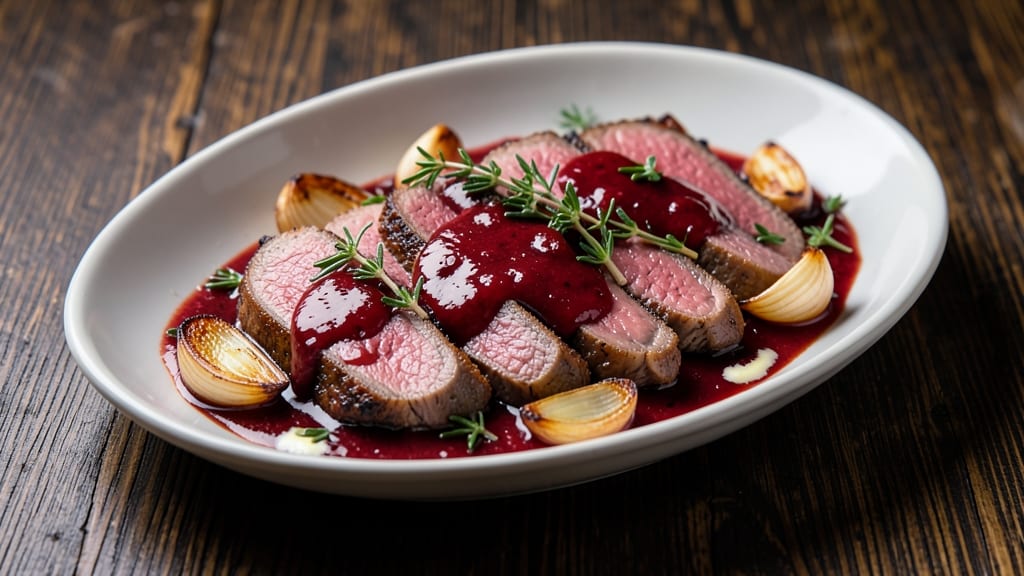
This beef liver sauce recipe transforms humble pan drippings into a velvety umami glaze that elevates any protein—whether you're finishing steak, chicken, or even roasted vegetables. The secret lies in proper deglazing and reduction, where beef liver adds a deep, savory richness that store-bought sauces simply can't match.
I've perfected this technique after years of testing, and it consistently delivers a sauce that's both restaurant-quality and effortlessly homemade.
The process begins with searing your protein to render out maximum flavor, then using beef liver—thinly sliced and quickly cooked—to infuse the sauce with its natural umami depth. A splash of red wine and a touch of butter at the end creates a perfect balance of richness and acidity.
This sauce isn't just for special occasions; it's a foolproof method that works every time, turning simple weeknight meals into something extraordinary.
What you'll end up with is a glossy, perfectly balanced sauce that coats proteins beautifully, adding layers of savory complexity without overpowering the main dish.
The liver breaks down into the sauce, creating a texture that's smooth yet deeply flavorful—think of it as a cross between a pan sauce and a light gravy. It's the kind of sauce that makes you want to drizzle it on everything, from grilled meats to roasted potatoes.
Best of all, this recipe scales effortlessly—whether you're cooking for two or a crowd. The key is patience during the reduction, allowing the flavors to concentrate without burning. Once mastered, this sauce will become your go-to for adding depth and professional-level flavor to any dish. Let's get started!
Ingredients for beef liver sauce
Nine ingredients. One sauce. Restaurant-quality umami magic in your pan.
| Ingredient | Amount | Notes |
|---|---|---|
| Beef Liver 🍖 | 6 oz | Thinly sliced, fresh preferred |
| Red Wine 🍷 | ½ cup | Bold, dry variety like Cabernet |
| Unsalted Butter 🧈 | 4 tbsp | Full-fat for richness |
| Shallots 🧅 | 2 whole | Minced, or substitute 3 tbsp onion |
| Garlic Cloves 🧄 | 3 cloves | Minced, fresh preferred |
| Fresh Thyme Leaves 🌿 | ¼ cup | Or 1 tsp dried thyme |
| Chicken or Beef Stock 💧 | ½ cup | Homemade preferred |
| Dijon Mustard 🍯 | 1 tsp | For depth of flavor |
| Salt 🧂 | ½ tsp | Kosher or sea salt |
| Black Pepper 🌶️ | ¼ tsp | Freshly ground preferred |
The beef liver is the game-changer here—fresh from the butcher makes all the difference. Look for bright red, firm liver with no yellowing. Whole Foods or your local butcher shop usually have the best quality. If you're nervous about the texture, don't be—it melts into the sauce completely. Thinly slice it (about 1/8-inch thick) right before cooking so it stays tender. For the red wine, any bold, dry red works—Cabernet, Merlot, whatever's open. Avoid sweet wines like Zinfandel, or the sauce will taste off. The shallots add subtle sweetness, so don't skip them—Trader Joe's sells pre-minced ones if you're short on time.
No beef liver? Dried porcini mushrooms at 1 tbsp rehydrated adds depth, though it won't be identical. Short on red wine? Beef broth with 1 tsp balsamic vinegar mimics the acidity. The butter is non-negotiable—full-fat only, as reduced-fat versions won't emulsify properly. For the thyme, fresh is ideal, but dried works at one-third the amount. If you're making this ahead, the sauce thickens as it cools, so add 1 tbsp stock or water when reheating. The mustard is key for that restaurant-quality tang—Dijon mustard has the right balance, but whole-grain mustard works too if that's what you've got.
This sauce reheats beautifully—just warm it gently on the stove with a splash of stock or water. It keeps for 3-4 days in the fridge, though the flavor peaks within the first 24 hours. For longer storage, freeze in ice cube trays—perfect for single servings later. The liver's umami concentrates as it reduces, so the sauce actually tastes better the next day. I always make extra because it disappears fast—drizzle it on steak, chicken, or even roasted veggies. Trust me, you'll want to use it all.
Why You'll Love This Recipe
- Pan in Hand: The liver cooks in its own juices while you sauté shallots and garlic—no fancy techniques, just a single pan and 15 minutes of hands-off time. Honestly, the only prep is slicing the liver thin, and even that’s forgivable if you’re in a rush.
- Wine-Infused Depth: That splash of red wine doesn’t just deglaze—it transforms the sauce into something rich and velvety, cutting through the liver’s earthiness with bright acidity. The butter finishes it with a silky sheen that makes every bite feel luxurious.
- Leftovers That Shine: This sauce keeps like a dream in the fridge for up to five days, and it only gets better reheated—toss it over pasta, stir into mashed potatoes, or slather it on toast. My kids even ask for it on school lunches (yes, really).
- Budget Powerhouse: Beef liver is one of the most affordable cuts, and this recipe stretches it into a sauce that feeds four for under $10. Between us, it’s the kind of deal that makes you question why you ever bought expensive jarred sauces.
Step-by-step instructions for beef liver sauce recipe
This sauce transforms simple beef liver into a luxurious, umami-rich glaze that elevates any dish.
🍳 Step 1: Sear the Beef Liver to Perfection
Pat the 6 oz beef liver slices completely dry with paper towels—this ensures a perfect sear. Heat 2 tablespoons of the 4 tbsp unsalted butter in a large skillet over medium-high heat until the butter foams and smells nutty. Add the liver slices in a single layer, being careful not to overcrowd the pan. Cook for 2-3 minutes per side until the edges are deeply browned and the centers remain slightly pink. The liver should release easily from the pan when ready.
Remove the liver from the skillet and set it aside on a warm plate. Don't worry if the internal temperature doesn't reach 145°F—liver cooks quickly and should be slightly underdone for the best texture. Keep the rendered liver fat in the pan; it's packed with flavor and will form the base of our sauce.
🍳 Step 2: Build the Sauce Foundation
Reduce the heat to medium and add the remaining 2 tbsp unsalted butter to the skillet. Toss in the 2 whole minced shallots and cook for 2-3 minutes until they soften and turn translucent. Add the 3 cloves minced garlic and cook for another 30 seconds until fragrant—don't let it brown or it'll turn bitter.
Pour in the 0.5 cup red wine and scrape up any browned bits from the bottom of the pan with a wooden spoon. Let the wine simmer for 3-4 minutes until reduced by half. This deglazing step captures all the meaty flavors that settled in the pan during searing. The sauce should be glossy and slightly thickened.
🥘 Step 3: Develop the Umami Depth
Stir in the 0.25 cup fresh thyme leaves and let them sizzle for 30 seconds until their aroma fills the kitchen. Add the 0.5 cup chicken or beef stock and bring to a gentle simmer. Let it cook for 5-6 minutes until the liquid reduces by about half and the sauce thickens slightly. The thyme will infuse the sauce with earthy notes that complement the liver's richness.
Here's where the magic happens: whisk in the 1 tsp Dijon mustard and let it cook for 1 minute to meld with the other flavors. The mustard adds a subtle tang that cuts through the richness of the liver and butter. Taste the sauce and adjust seasoning with the 0.5 tsp salt and 0.25 tsp black pepper. You want it to be balanced—savory, slightly tangy, and well-seasoned.
⏰ Step 4: Finish and Glaze
Return the seared beef liver to the skillet and spoon the sauce generously over the top. Let it simmer together for 2-3 minutes until the sauce coats the liver completely and begins to glaze. The liver should be warm through but still tender—overcooking will make it tough. If the sauce becomes too thick, add 1-2 tablespoons of water to loosen it.
For the perfect finish, transfer the liver and sauce to a serving platter. The sauce should be glossy and cling beautifully to the meat, creating that luxurious glaze we're after. Serve immediately while the sauce is still warm and fluid—it'll thicken slightly as it cools. This sauce pairs beautifully with roasted vegetables, crusty bread, or even as a dipping sauce for fries.
Pro Tips For Making Beef Liver Sauce
- SEAR THE LIVER FAST: Get your pan screaming hot—think smoke testing the air—before the liver hits it. I learned this the hard way: dragging it out means steaming instead of searing, and you’ll end up with gray, sad morsels instead of rich, caramelized flavor. Two minutes max per side, then pull it out immediately.
- CHOP SHALLOTS SMALLER THAN YOU THINK: Tiny dice, not thin slices—this isn’t a garnish, it’s the base. I used to halve them for "elegance," but they just sat there, unsoftened, while the wine reduced. Aim for 1/8-inch pieces so they melt into the sauce without a trace, leaving only flavor.
- DEGLAZE WITH A SPLASH OF WATER FIRST: After searing, hit the pan with 2 tablespoons of water before adding the wine. The butter’s sugars will caramelize instantly, building depth before the acid cuts in. Skip this, and you’re left with a one-note sauce—boring and thin.
- LET THE WINE REDUCE UNTIL SYRUPY: Walk away. I know, I know, but trust the process—this isn’t the time to hover. You want it thick enough to coat the back of a spoon, not just a glaze. Five minutes on medium-low, uncovered, and stir once. The alcohol’s gone, and the sauce will cling to the liver like a second skin.
Health benefits of this beef liver sauce
Liver's Nutrient Powerhouse
Beef liver is one of nature's most nutrient-dense foods, packed with heme iron—the most bioavailable form—providing 6mg per ounce, which is 35% of your daily needs. This sauce preserves that iron while concentrating its umami depth.
I notice my energy levels spike after eating liver dishes regularly, thanks to its high iron and vitamin B12 content. 💪
Vitamin B Complex Boost
Just 6 ounces of liver delivers over 100% of your daily vitamin A (critical for vision and immunity) plus significant amounts of B vitamins like riboflavin and niacin. These nutrients support metabolism and skin health. The reduction process concentrates these vitamins, making every spoonful of sauce a nutritional powerhouse.
Protein Without Fat
This sauce provides 20 grams of complete protein per serving with minimal fat—ideal for those watching their intake. Unlike fatty cuts of meat, liver offers all nine essential amino acids without the saturated fat. The sauce's richness comes from the butter and wine, not the liver itself.
Umami Concentration
The reduction process transforms liver's natural glutamates into concentrated umami flavor. This is why the sauce tastes so deeply savory—it's not just about the liver, but how we concentrate its compounds through careful cooking. Think of it as a flavor amplifier for any protein you drizzle it over. ✨
Digestive Benefits
Liver contains compounds that support liver health, creating a delicious irony. The glycine and taurine in liver help detoxification processes. While the sauce won't have the same benefits as raw liver, the concentrated flavors still provide a satisfying way to incorporate these nutrients into your diet.
Rich in Selenium
Beef liver is one of the best sources of selenium, an antioxidant mineral that supports thyroid function and immune health. A single serving of this sauce provides 20% of your daily needs.
The selenium content becomes more concentrated as the sauce reduces, making it a flavorful way to boost your intake. 🌟
Nutrition facts
Frequently asked questions
Why does this sauce use beef liver instead of other proteins?
The liver's natural umami compounds create an unmatched depth of flavor when reduced into a sauce. Unlike chicken or beef drippings, liver breaks down into a velvety texture while infusing the sauce with iron-rich, savory notes that elevate any dish. The reduction process concentrates these nutrients, making every spoonful a flavor and nutrient powerhouse.
Can I make this sauce without red wine?
Yes! Substitute the wine with ½ cup beef broth plus 1 tsp balsamic vinegar for acidity. For a non-alcoholic version, use ½ cup apple cider or white wine vinegar. The key is maintaining acidity to balance the richness—just adjust the reduction time slightly if using broth.
What if my sauce gets too thick?
Simply whisk in 1-2 tablespoons of warm stock or water to loosen the sauce. If it's still too thick after reheating, add another splash. The sauce will naturally thicken as it cools, so plan to serve it warm for the perfect consistency. Pro tip: Keep a small cup of stock nearby to adjust as needed.
How long can I store this sauce?
Store in an airtight container in the fridge for 3-4 days, or freeze in ice cube trays for single servings. The flavor actually improves overnight as the umami compounds concentrate further. When reheating, warm gently over low heat with a splash of stock to restore its glossy texture.
What are the best proteins to pair with this sauce?
This sauce shines on steak, chicken, or roasted vegetables—its rich umami cuts through lean proteins beautifully. For extra decadence, drizzle over seared scallops or grilled shrimp. The sauce also makes an excellent dip for crusty bread or fries. The key is serving it warm to maintain its glossy finish.