
Sauces & Condiments
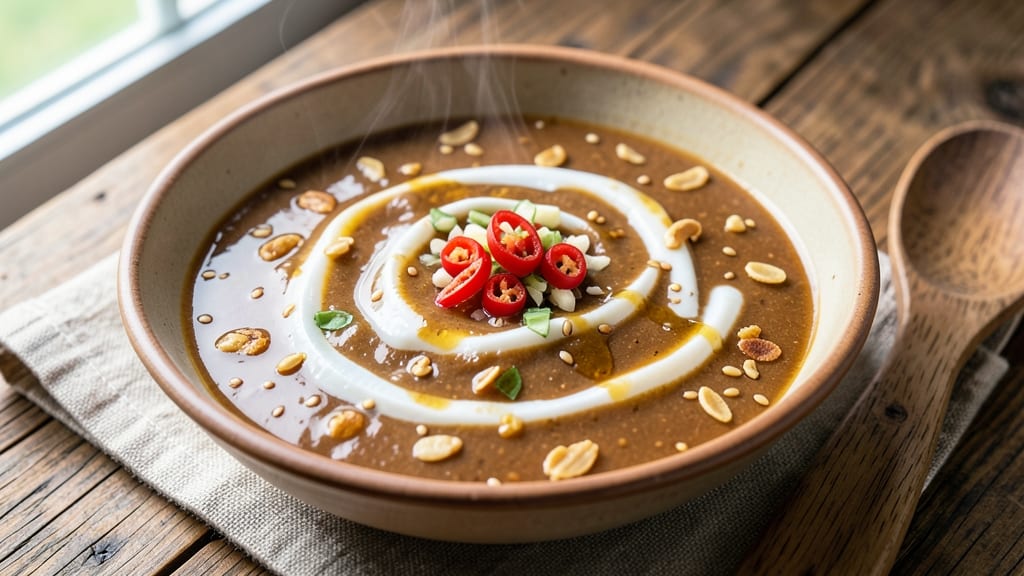
Recreating Trader Joe’s Thai peanut satay sauce at home delivers that perfect balance of nutty richness and tangy sweetness—without the bottle.
The secret lies in simmering peanut butter with coconut milk, soy sauce, and aromatic spices until it reaches a velvety, cling-worthy consistency that’s ideal for satay skewers, stir-fries, or drizzling over noodles.
This sauce begins with a simple base of creamy peanut butter and coconut milk, which provides the signature depth and body. A touch of soy sauce adds umami, while garlic, ginger, and chili bring layers of warmth and complexity.
The sauce thickens naturally as it simmers, creating a smooth, glossy finish that coats every bite perfectly.
Once blended and adjusted to your preferred thickness, this sauce keeps well in the refrigerator for up to a week or can be frozen for longer storage. The result is a restaurant-quality condiment that elevates any dish—whether you’re marinating skewers, tossing with noodles, or drizzling over grilled meats.
With just a few pantry staples and a little patience, you’ll have a homemade version that rivals (and surpasses) the store-bought kind. Let’s get started on this flavor-packed sauce that’s sure to become a kitchen staple.
Ingredients for thai peanut satay sauce trader joe's
Just 10 simple ingredients transform into that addictive Trader Joe's satay sauce.
| Ingredient | Amount | Notes |
|---|---|---|
| Creamy Peanut Butter 🥜 | ½ cup | Natural, unsweetened preferred |
| Full-Fat Coconut Milk 🥥 | 1 can | 13.5 oz can for best creaminess |
| Light Soy Sauce 🍶 | 2 tbsp | Or tamari for gluten-free |
| Natural Honey 🍯 | 2 tbsp | Or maple syrup for vegan option |
| Fresh Garlic 🧄 | 3 cloves | Minced for aromatic depth |
| Fresh Ginger 🌿 | 1 tbsp | Finely grated, vibrant color |
| Red Chili Flakes 🌶️ | 1 tsp | Adjust for heat preference |
| Lime Juice 🍋 | 1 tbsp | Freshly squeezed for brightness |
| Water 💧 | ½ cup | For thinning if needed |
| Sesame Oil 🫒 | 1 tsp | Toasted sesame oil for aroma |
The peanut butter makes this sauce sing—Trader Joe's Organic Creamy Peanut Butter is my go-to, but any natural, unsweetened kind works. Coconut milk should be full-fat for that luscious texture; the canned kind from Goya or Thai Kitchen at most grocery stores is perfect. Fresh ginger and garlic are non-negotiable here; the brighter the color, the fresher the flavor. I always grab extra ginger because it keeps for weeks in the freezer. For soy sauce, Kikkoman or San-J are reliable, but tamari works beautifully if you're avoiding gluten.
No honey? Maple syrup or agave keeps it vegan-friendly. Short on sesame oil? Toasted sesame seeds in a dry pan work in a pinch, though the aroma won't be quite the same. The sauce thickens as it simmers, but if it gets too stiff, that half cup of water is your secret weapon. Chili flakes can be swapped for fresh chili or cayenne powder—just adjust to taste. Lime juice is key for that bright finish; Mexican Key limes at Whole Foods add extra zing if you want to splurge.
This sauce thickens as it cools, so thin with a splash of water if it's too stiff. Keeps in the fridge for up to 1 week in an airtight jar, or freeze for 3 months in ice cube trays for single-serving portions. I always make extra—it disappears fast on satay skewers or noodles. The flavor actually improves after a day in the fridge as everything melds together.
Why You'll Love This Recipe
- Five-Ingredient Magic: I swear by this—just those five pantry staples blend into something ridiculously good. No fancy tools, no stress, just a quick simmer while I chop veggies for stir-fry. That’s how I end up with dinner on the table faster than takeout.
- Garlic-Honey Kiss: Here’s what sold me—the way the honey and garlic caramelize just enough to balance the peanutty richness. It’s sweet, salty, and slightly funky, like a hug from a Thai street food cart. Drizzle it over grilled chicken or noodles, and suddenly, everything tastes like a vacation.
- Weeknight Workhorse: Between us, this sauce is my secret weapon for lazy Tuesdays. Toss it with rice and frozen veggies for a 15-minute meal, or use it as a marinade for skewers. It even turns store-bought tofu into something my picky eaters actually finish.
- Leftovers That Shine: I make a double batch every time—it keeps for a week in the fridge and freezes like a dream. The coconut milk stays luscious, the peanut butter doesn’t separate, and the flavor only deepens. Perfect for when I’m too tired to cook but still crave something special.
Step-by-step instructions for Thai peanut satay sauce
Here's how to make this rich, nutty-sweet sauce from scratch—no store-bought shortcuts needed.
Toast the Aromatics for Maximum Flavor
Heat the sesame oil in a small saucepan over medium heat. Add the 3 cloves of minced fresh garlic and 1 tablespoon of finely grated fresh ginger. Cook for about 1 minute until the garlic becomes fragrant and just begins to turn golden—this prevents that harsh, raw garlic taste. You'll know it's ready when you can smell that warm, toasty aroma filling your kitchen.
Immediately remove the pan from heat and let the aromatics cool for 2 minutes. This brief cooling period stops the cooking process so you don't burn them. Once cooled, transfer the garlic-ginger mixture to a blender or food processor—you'll use it in the next step. The toasted aromatics form the flavor foundation of this sauce, so don't skip this crucial step.
Blend the Base Ingredients
In the same blender, add the 0.5 cup of creamy peanut butter, 2 tablespoons of light soy sauce, 2 tablespoons of natural honey, and 1 teaspoon of red chili flakes. Blend on high speed for about 30 seconds until completely smooth. The peanut butter should incorporate fully, creating a thick, creamy paste.
Now add the toasted garlic-ginger mixture and blend again for another 10 seconds. This ensures all the aromatic flavors are evenly distributed throughout the sauce base. If your peanut butter is particularly thick, you might need to scrape down the sides with a spatula to help it blend properly. The mixture should be completely smooth with no visible peanut butter chunks.
Incorporate the Coconut Milk and Lime
Open the can of full-fat coconut milk and pour in about half of it—approximately 6-7 ounces—along with the 1 tablespoon of freshly squeezed lime juice. Blend again for 20-30 seconds until fully combined. The coconut milk should create a silky texture while cutting the richness of the peanut butter slightly.
Taste the mixture at this point. You'll notice it's quite thick and needs thinning. The remaining coconut milk and water will help achieve the perfect satay sauce consistency. This is also when you can adjust the heat if you prefer a milder or spicier sauce—add a pinch more red chili flakes if you want extra kick.
Thin and Simmer for Perfect Texture
Pour the blended mixture back into the saucepan and add the remaining 0.5 cup of water. Stir well to combine, then place the pan over medium-low heat. Bring to a gentle simmer and let it cook for about 5 minutes, stirring occasionally. You're looking for the sauce to thicken slightly while maintaining a smooth, pourable consistency—it should coat the back of a spoon but still be fluid enough to drizzle.
If the sauce becomes too thick during cooking, add a splash more water, 1 tablespoon at a time, until you reach the desired consistency. The sauce should be glossy and silky, with a perfect balance between peanut butter richness and coconut milk creaminess. Remove from heat as soon as it reaches this ideal texture—overcooking can make it grainy.
Finish with Lime and Adjust Seasoning
Return the saucepan to low heat and stir in the remaining coconut milk from the can. Add another squeeze of lime juice—about 1 teaspoon if you have some left—to brighten the flavors. Taste and adjust the seasoning: you might need a touch more soy sauce for saltiness or honey for sweetness, depending on your preferences.
The sauce is now ready to use! It should have a perfect balance of nutty, sweet, tangy, and slightly spicy flavors with that characteristic satay aroma. For best results, use it immediately over grilled meats, vegetables, or noodles. If you need to store it, transfer to an airtight container and keep refrigerated for up to 5 days, stirring before each use to maintain smooth consistency.
Pro Tips For Making Thai Peanut Satay Sauce Trader Joe'S
- Warm the Peanut Butter: DESCRIPTION: Skip the cold peanut butter—it’ll clump like glue. Melt it gently in a saucepan with the coconut milk over low heat for 2-3 minutes, stirring constantly until smooth. I learned this the hard way after scraping peanut butter globs off my whisk for what felt like an hour.
- Toast the Garlic First: DESCRIPTION: Smash 3-4 garlic cloves flat with the side of your knife, then fry them in a dry pan for 30 seconds until fragrant and just turning golden. This adds depth the raw garlic can’t match—no need to overcomplicate with mincing.
- Balance the Honey Last: DESCRIPTION: Add the honey after the sauce has simmered for 5 minutes—otherwise, it’ll caramelize too fast and turn bitter. Taste as you go; if it’s too sweet, a splash of soy sauce fixes it instantly.
- Simmer, Don’t Boil: DESCRIPTION: Keep the heat low once everything’s combined. A rolling boil will split the coconut milk and make the sauce separate like oil and water. Let it bubble softly for 8-10 minutes—patience here guarantees a silky texture.
Dietary considerations for thai peanut satay sauce trader joe's
Gluten-Free Adaptations
This sauce is naturally gluten-free when using tamari instead of soy sauce—just swap the 2 tbsp light soy sauce for an equal amount. I recommend San-J Tamari for its rich umami flavor without the wheat.
Always check labels on peanut butter and coconut milk to ensure no cross-contamination with gluten-containing ingredients. 🌱
Vegan-Friendly Swaps
For a fully plant-based version, replace the honey with maple syrup or agave nectar (use the same 2 tbsp measurement). The sauce remains just as sweet and luscious.
I’ve also used vegan coconut milk (like So Delicious brand) with excellent results—just ensure it’s full-fat for proper texture. The sauce’s nutty richness shines even without dairy.
Nut-Free Considerations
If you’re avoiding peanuts, substitute the peanut butter with an equal amount of sunflower seed butter or soy nut butter (like Silken Soy Nut Butter). The texture will be slightly different but still creamy.
For extra richness, add 1 tbsp tahini to compensate for the missing peanut flavor. The sauce will have a seed-based depth instead of nutty warmth.
Lower Sugar Options
To reduce sweetness, cut the honey to 1 tbsp and add 1 tsp coconut sugar for a more natural alternative. Alternatively, use monk fruit sweetener (like Lakanto brand) at half the honey measurement.
The sauce will still taste balanced, just with a more subtle sweetness that lets the peanut and coconut flavors take center stage.
Allergen-Free Storage
Store this sauce in an airtight glass jar in the refrigerator for up to 5 days to prevent cross-contamination. If freezing, use ice cube trays for single servings—thaw in the fridge overnight.
For nut-free versions, label containers clearly to avoid mix-ups. The sauce’s consistency may thicken slightly when refrigerated, so stir before using.
Nutrition facts
Frequently asked questions
Can I use powdered peanut butter instead of creamy for this sauce?
Not ideal—powdered peanut butter lacks the fat and moisture needed for a smooth, velvety satay sauce. The recipe depends on creamy peanut butter's richness to balance the coconut milk and soy sauce. If you must substitute, use 1/4 cup sunflower seed butter plus 1 tbsp tahini to mimic the texture, but expect a slightly different mouthfeel.
How do I adjust the heat level if I don't like spicy food?
Simply reduce or omit the red chili flakes entirely. For a milder kick, swap them with 1/2 teaspoon ground coriander or 1/4 teaspoon smoked paprika. Always taste as you go—this sauce is forgiving, and you can always add more heat later if needed.
Why does my sauce look grainy after blending?
Graininess usually means the peanut butter wasn't fully incorporated or the sauce was overcooked. For a smoother texture, blend the peanut butter with 2 tablespoons water first, then proceed with the recipe. If already made, simmer the sauce again with 1 tablespoon coconut milk to restore creaminess. Avoid high heat—low and slow is key!
Can I make this sauce without coconut milk?
Yes, but the texture will be lighter. Replace the coconut milk with 1 cup full-fat Greek yogurt or cashew cream (blend soaked cashews with water). The flavor will shift toward a tangier profile, but it'll still work well for drizzling or marinating. For satay skewers, the yogurt version adds a nice contrast to grilled meats.
How long does this sauce keep in the freezer?
Up to 3 months when stored properly in an airtight container. Freeze in 1-tablespoon portions for easy use—thaw overnight in the fridge. The sauce may separate slightly when frozen, so stir vigorously and reheat gently on low heat to restore smoothness. Avoid reheating in the microwave, as it can make the peanut butter separate.