
Sauces & Condiments
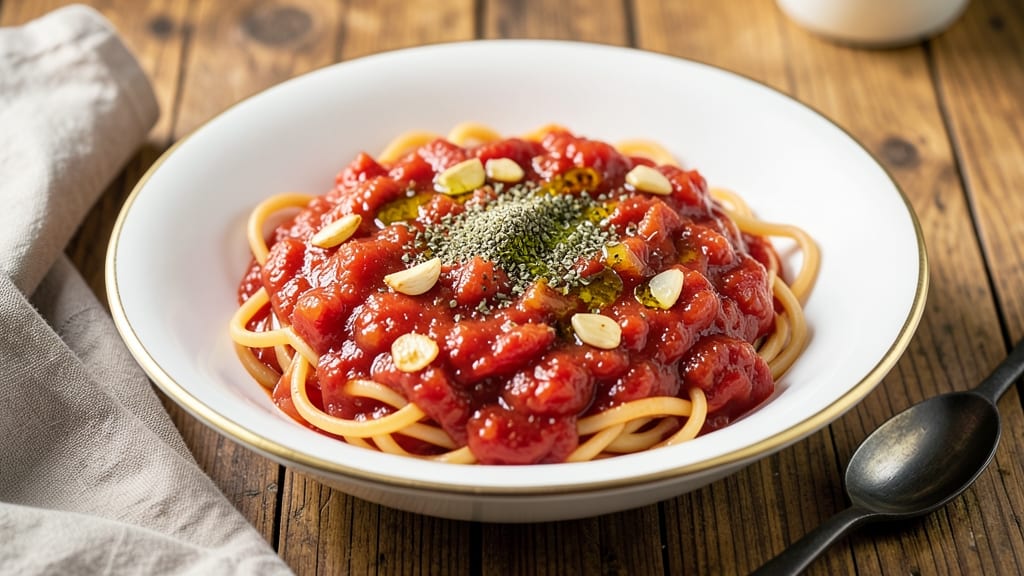
Creating a Betty Crocker-style spaghetti sauce from scratch transforms simple pantry staples into a rich, layered flavor experience that rivals jarred versions. The key lies in simmering tomatoes, garlic, and herbs until their flavors meld into a velvety, aromatic base—no fancy ingredients required.
This sauce builds depth through slow cooking, where sugar caramelizes and spices bloom, creating a balance of sweetness and acidity that’s impossible to replicate quickly.
What sets this recipe apart is its versatility—whether you’re tossing it with pasta, using it as a pizza sauce, or serving it alongside meatballs, the flavor remains consistently bold.
The process is straightforward: chop onions, crush garlic, and combine canned tomatoes with herbs and spices, then let them simmer until thickened. No need for expensive ingredients; just a few basics yield restaurant-quality results.
The sauce develops deeper flavor with time, so don’t rush the simmering. The final texture should coat the back of a spoon, with a glossy sheen that signals perfect reduction. Freeze extras for future meals, or store in the fridge for up to five days.
This is the kind of sauce that turns weeknight dinners into something special—simple, satisfying, and full of character.
For those who love customization, you can easily adapt this base by adding ground meat, mushrooms, or even white beans for extra protein. The beauty of homemade sauce is control: adjust the seasoning to your taste, and you’ll never reach for a jar again. Let’s get cooking!
Ingredients for betty crocker spaghetti sauce
Pantry staples simmered into rich, velvety sauce—no fancy ingredients needed.
| Ingredient | Amount | Notes |
|---|---|---|
| San Marzano Crushed Tomatoes 🍅 | 2 cans | 28 oz each, no salt added |
| Yellow Onion 🧅 | 1 whole | Medium size, finely chopped |
| Garlic Cloves 🧄 | 4 cloves | Fresh, minced or pressed |
| Extra-Virgin Olive Oil 🫒 | ¼ cup | High quality, fruity |
| Granulated Sugar 🍚 | 1 tbsp | For caramelization |
| Dried Oregano 🌿 | 1 tbsp | Mexican oregano preferred |
| Dried Basil 🌿 | 1 tbsp | Or 1/4 cup fresh basil |
| Ground Black Pepper 🌶️ | ½ tsp | Freshly ground preferred |
| Kosher Salt 🧂 | 1 tsp | Diamond Crystal preferred |
| Red Wine 🍷 | ¼ cup | Dry, like Chianti |
The tomatoes make all the difference—San Marzano is the gold standard for sweetness and acidity balance, but any high-quality canned tomatoes work. I always grab the no-salt-added kind (like Muir Glen) to control the seasoning myself. The onion and garlic are non-negotiable for that deep, aromatic base—yellow onion gives the best flavor, and fresh garlic (not the jarred minced stuff) makes the sauce sing. For the olive oil, California extra-virgin brands like Corto or Filippo Berio add fruity notes that elevate the sauce. If you're in a pinch, regular olive oil works, but you'll miss that bright flavor.
No red wine? Substitute with extra beef broth or a splash of balsamic vinegar—both add depth without overpowering. Want more umami? Add a teaspoon of soy sauce or Worcestershire sauce. The sugar helps caramelize the tomatoes and balance acidity, but if you're watching sugar, reduce to 1 teaspoon. Fresh basil is ideal, but dried basil at one-third the amount works in a pinch. For extra richness, stir in a tablespoon of tomato paste at the end—it thickens beautifully and adds concentrated flavor. The sauce thickens as it cooks, so if it's too thin, simmer uncovered for another 10-15 minutes.
This sauce tastes even better the next day as flavors meld. Store in an airtight container in the fridge for up to 5 days or freeze for up to 6 months. For freezing, portion into 1-cup containers so you can thaw just what you need. The sauce reheats beautifully—just warm on the stove with a splash of water or pasta water to loosen it up. Double the batch and freeze half; you'll thank yourself later when you're tossing together a quick weeknight dinner.
Why You'll Love This Recipe
- No Chopping Needed: I swear by this sauce because it only asks for one onion to dice—one—and even that’s optional if you’re in a rush. The San Marzano tomatoes do all the heavy lifting, so you’re basically simmering flavor without the mess.
- Sweet-Savory Balance: That tiny pinch of sugar? It’s the secret weapon. The crushed tomatoes get just enough sweetness to mellow the acidity, while the garlic and olive oil deepen the richness. It’s the kind of sauce that makes you pause mid-bite.
- Meal Prep MVP: This sauce doubles perfectly and tastes even better the next day. I make a big batch on Sundays, freeze half, and pull it out for quick weeknight dinners. No sad, watery leftovers here—just pure, concentrated flavor.
- Budget-Friendly Luxury: San Marzano tomatoes might sound fancy, but they’re worth every penny for that velvety texture. The rest of the ingredients? Basic, cheap, and always in my pantry. It’s the kind of recipe that makes homemade taste like a splurge.
Step-by-step instructions for Betty Crocker spaghetti sauce recipe
Transform simple pantry staples into a rich, layered sauce with deep flavor and perfect balance.
Sauté the Aromatics Until Golden
Heat the 0.25 cup extra-virgin olive oil in a large, heavy-bottomed pot over medium heat. Add the finely chopped yellow onion and cook for 5-6 minutes, stirring occasionally, until it becomes translucent and just begins to caramelize at the edges. This step builds the foundation of your sauce.
Add the 4 minced garlic cloves and cook for another 30 seconds until fragrant. Be careful not to let the garlic burn—it should smell sweet and inviting, not bitter. The garlic will release its full flavor during the simmering process, so don't overcook it here. Remove the pot from heat temporarily while you prepare the remaining ingredients to maintain control over the heat.
Build Flavor with Wine and Tomatoes
Return the pot to medium heat and pour in the 0.25 cup red wine, scraping up any browned bits from the bottom of the pot with a wooden spoon. These flavorful bits, called fond, contain concentrated aromatics that deepen the sauce's complexity. Let the wine simmer for 2-3 minutes until it reduces by about half and the alcohol smell dissipates completely.
Add the 2 cans San Marzano crushed tomatoes, stirring to combine. The tomatoes should be evenly distributed throughout the onions and garlic. Sprinkle in the 1 tbsp granulated sugar and bring the mixture to a gentle boil. This sugar helps balance the acidity of the tomatoes and encourages a slight caramelization that rounds out the flavors. Let it boil vigorously for 5 minutes to help break down the tomatoes' texture and release their natural sweetness.
Season and Simmer for Depth
Reduce the heat to low and add the 1 tbsp dried oregano, 1 tbsp dried basil, 0.5 tsp ground black pepper, and 1 tsp kosher salt. Stir well to distribute the seasonings evenly. The sauce should smell rich and aromatic—earthy from the herbs, bright from the garlic, and slightly sweet from the tomatoes.
Partially cover the pot and let the sauce simmer gently for 45-60 minutes, stirring occasionally. This long simmer allows the flavors to meld and develop complexity. You're looking for a sauce that coats the back of a spoon and has a velvety texture. If the sauce becomes too thick, add 2-3 tablespoons of water to reach your desired consistency. The sauce should be thick enough to cling to pasta but still have a smooth, spoonable texture.
Finish and Adjust Seasoning
After simmering, taste the sauce and adjust the seasoning if needed. You may need to add more kosher salt or black pepper to taste, as the flavors intensify during cooking. The sauce should be well-balanced—bright from the tomatoes, rich from the wine, and aromatic from the herbs.
For the final touch, let the sauce sit off the heat for 10-15 minutes. This resting period allows the flavors to fully integrate and the texture to settle. The sauce will thicken slightly as it cools, so don't worry if it looks a bit loose while it's still hot. Serve immediately over your choice of pasta, or store in an airtight container in the refrigerator for up to 5 days or freeze for up to 3 months. The flavors will continue to develop and deepen over time, making this sauce even more delicious the next day.
Pro Tips For Making Betty Crocker Spaghetti Sauce
- Sweat the Onion Slow: Don’t rush this step—cut the yellow onion into even ¼-inch slices and cook them in olive oil over medium-low heat for 8-10 minutes until translucent but not browned. I learned the hard way that skipping this makes the sauce taste raw and sharp, even with San Marzano tomatoes.
- Crush Garlic, Don’t Mince: Use a flat side of your knife to smash 3-4 garlic cloves into thin, uneven slices before adding them to the pot. This prevents burning and lets the flavor infuse without turning bitter. (Yes, it looks messy, but your sauce will taste like it.)
- Skip the Sugar if Tomatoes Are Sweet: San Marzano tomatoes are naturally sweeter than most—taste them first. If they’re already balanced, omit the granulated sugar entirely. I used to add it religiously until I realized it was making the sauce cloyingly sweet, especially with the rich olive oil.
- Simmer Uncovered, Stir Often: Let the sauce bubble gently uncovered for the first 20 minutes, stirring every 5 minutes to prevent scorching. The edges will darken a little—that’s normal, but if it burns, you’ll taste ash. (And nobody wants that.)
Storing and reheating this dish
Fridge Storage
Store your homemade spaghetti sauce in an airtight glass container—I prefer Pyrex with a tight-sealing lid—and keep it refrigerated for up to 5 days. The sauce actually tastes better the next day as the flavors meld and deepen.
Always let it cool completely before transferring to avoid condensation, which can dilute the flavor. If you notice any mold or off smells, discard it immediately—this sauce should never spoil if stored properly. 💡
Freezer Prep
For long-term storage, portion the sauce into 1-cup freezer-safe containers or silicone ice cube trays (great for single-serving portions). Leave ½ inch of headspace to prevent expansion cracks. Label each container with the date—this sauce freezes beautifully for up to 6 months without losing flavor.
I like to freeze it in quart-sized bags too, squeezing out excess air for maximum freshness. ❄️
Thawing Methods
Thaw frozen sauce overnight in the fridge for best results, or use the quick microwave method: place the container in a bowl of hot water and microwave on high for 2-3 minutes, stirring halfway.
For stovetop thawing, simmer the sealed container in a pot of simmering water for 10-15 minutes. Never thaw at room temperature—this risks bacterial growth. Always reheat to 165°F before serving. 🔥
Reheating Perfection
Reheat sauce on the stovetop over medium-low heat for 5-7 minutes, stirring occasionally. If it thickens too much, add 1-2 tablespoons of water or pasta water to restore consistency. For microwave reheating, use 50% power for 1-2 minutes, then stir well.
The sauce should be hot and bubbly—if it looks too thin, let it reduce uncovered for another minute. A splash of red wine or broth can revive dried-out flavors if needed. 💫
Reusing Leftovers
Use leftover sauce within 3 days of opening for best quality. It’s perfect for pasta, lasagna, or as a marinade—simply toss with cooked meat or veggies. For a quick upgrade, stir in 1 tablespoon of butter or grated Parmesan before serving.
If the sauce separates, whisk vigorously to re-emulsify. Leftovers also make great soup bases—just thin with broth and add your favorite proteins. 🍝
Nutrition facts
Frequently asked questions
Can I make this sauce without red wine?
Replace the 0.25 cup red wine with 0.25 cup beef broth or 0.25 cup balsamic vinegar for depth. For extra richness, add 1 teaspoon soy sauce or 1 tablespoon tomato paste—both enhance umami flavor without alcohol. The sauce will still develop that signature layered taste.
Why does my homemade sauce taste different from jarred Betty Crocker sauce?
Homemade sauce builds flavor through slow simmering, while jarred versions rely on preservatives and concentrated ingredients. Your sauce should taste fresher and more complex—focus on balancing sugar, acidity, and herbs for that classic Betty Crocker profile. The long simmer (45-60 minutes) is key to developing depth.
How do I fix a sauce that's too thin or too thick?
For thin sauce, simmer uncovered for 10-15 minutes to reduce. If it's too thick, stir in 1-2 tablespoons of water or pasta water while warm. For extra body, whisk in 1 tablespoon cornstarch mixed with 1 tablespoon cold water—this thickens instantly without altering flavor.
Can I use fresh tomatoes instead of canned?
Fresh tomatoes work but require prep: peel, seed, and chop 4-5 large tomatoes (about 3 cups) to match the canned equivalent. Roast them first at 400°F for 20 minutes to intensify sweetness. For best results, blend them into a smooth purée before adding to the sauce.
What’s the best way to use leftover sauce?
Leftover sauce shines in lasagna, stuffed shells, or as a marinade for chicken or meatballs. For a quick upgrade, stir in 1 tablespoon butter or grated Parmesan before serving. Freeze extras in 1-cup portions for future meals—thaw overnight in the fridge for perfect texture.