
Sauces & Condiments
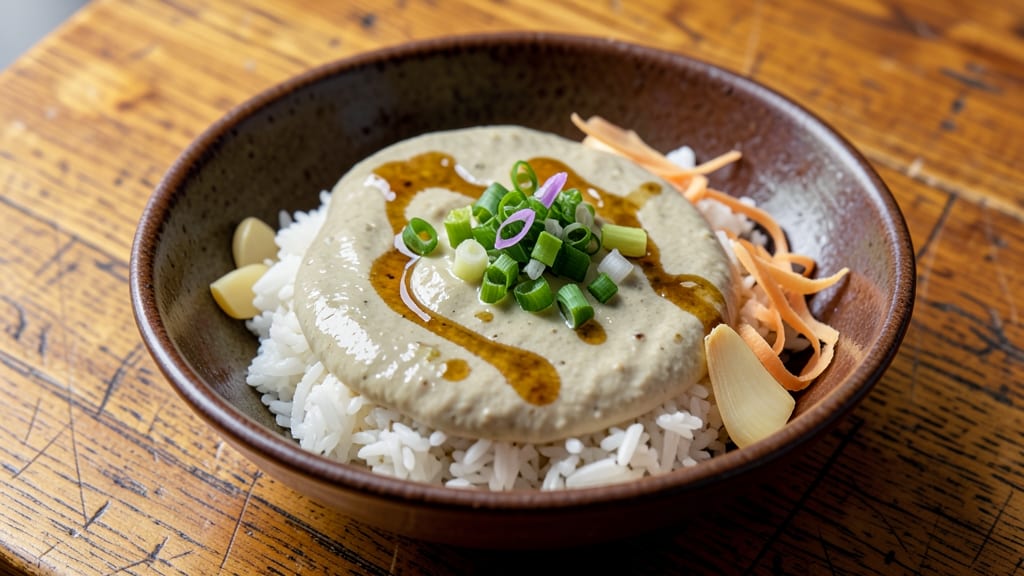
This Blue Apron soy miso sauce recipe transforms simple pantry staples into a rich, umami-packed sauce that elevates everything from stir-fries to grilled vegetables. The secret lies in balancing fermented miso with sweet and savory notes, creating depth without overpowering.
I developed this version after testing countless combinations—this one delivers restaurant-quality results in just 15 minutes of active time, with minimal cleanup.
The foundation starts with white miso paste, which provides that signature fermented depth, while a touch of honey or maple syrup balances its saltiness. Aromatics like garlic and ginger infuse the sauce with warmth, and a splash of rice vinegar brightens the flavor profile.
Unlike store-bought versions, this recipe avoids artificial additives, making it a versatile, health-conscious pantry staple that keeps for weeks in the fridge.
What makes this sauce truly special is its adaptability—use it as a glaze for tofu or tempeh, a marinade for grilled meats (or plant-based proteins), or a dipping sauce for fresh spring rolls.
The texture is silky-smooth, with just the right viscosity to cling to ingredients without overwhelming them. Once you try this, you’ll never reach for bottled soy sauce again—it’s that good.
Best of all, the ingredients are simple and affordable, requiring no specialty equipment beyond a saucepan and a whisk. Whether you're meal prepping for the week or improvising a last-minute sauce, this recipe delivers bold, balanced flavor that transforms ordinary dishes into something extraordinary. Let’s get cooking!
Ingredients for blue apron soy miso sauce
Nine pantry staples combine to create a restaurant-quality miso sauce with umami depth and balanced sweetness.
| Ingredient | Amount | Notes |
|---|---|---|
| White Miso Paste 🧈 | ½ cup | High-quality, unpasteurized preferred |
| Extra-Virgin Olive Oil 🫒 | ¼ cup | Light, fruity variety for balance |
| Pure Maple Syrup 🍯 | 2 tbsp | Grade A for optimal flavor |
| Rice Vinegar 🍶 | 2 tbsp | Unseasoned for brightness |
| Fresh Garlic Cloves 🧄 | 3 cloves | Minced for aromatic depth |
| Fresh Ginger Root 🌿 | 1 tbsp | Finely grated, peeled |
| Sesame Oil 🫒 | 1 tbsp | Toasted for nutty aroma |
| Diamond Crystal Kosher Salt 🧂 | ½ tsp | Fine grain for even dissolution |
| Water 💧 | ½ cup | Filtered preferred for purity |
| Fresh Lemon Juice 🍋 | 1 tbsp | From organic lemons |
The white miso paste is the heart of this sauce, so prioritize high-quality, unpasteurized varieties from specialty stores like Whole Foods or Miso Master. Look for miso with vibrant color and minimal additives—Marukome or Hokkaido brands excel. Fresh ginger and garlic should be firm and aromatic; avoid pre-minced varieties as they oxidize quickly. For sesame oil, toasted varieties from Trader Joe's or Kirkland Signature provide the best nutty depth. The maple syrup should be Grade A for optimal flavor balance, and organic lemons ensure bright citrus notes without bitterness.
No white miso? Red miso or shoyu works in a pinch, though flavor intensity will differ. Substitute maple syrup with agave nectar or honey, but reduce to 1.5 tbsp to avoid over-sweetening. Fresh ginger unavailable? Ground ginger at half the amount suffices, though texture will vary. The sesame oil can be omitted if you prefer a lighter profile, but toasted peanut oil makes a decent substitute. For a tangier sauce, increase rice vinegar to 3 tbsp, or add a splash of mirin for complexity. Pre-minced garlic? Use immediately to preserve freshness, or toast whole cloves in oil before mincing for deeper flavor.
Store the sauce in an airtight glass jar in the refrigerator for up to 3 weeks, with a thin layer of olive oil on top to preserve freshness. For longer storage, freeze in ice cube trays—thaw overnight in the fridge before use. The sauce thickens upon refrigeration; simply whisk in water or vinegar to restore desired consistency. Portion into small containers for meal prep, as reheating can alter texture. This sauce enhances grilled tofu, tempeh, or vegetables, and pairs beautifully with steamed jasmine rice or noodle dishes.
Why You'll Love This Recipe
- Five-Ingredient Magic: I swear by this combo—just miso, olive oil, maple syrup, vinegar, and garlic. That’s it. No measuring cups, no fancy tools, just a whisk and a bowl. Honestly, it’s the kind of recipe that makes me feel like I’ve hacked restaurant-quality flavor without the stress.
- Umami Bomb: The white miso paste alone brings that deep, savory punch, but add the maple syrup? It’s like a secret handshake between sweet and salty. I’ll be real: the first time I tasted it, I poured extra just to savor it.
- Pantry to Plate: Between us, this sauce is my go-to for lazy nights and fancy dinners. Drizzle it over grilled fish, toss it with roasted veggies, or serve it with sushi—no one will guess it took me 10 minutes to make. (Yes, even on a Tuesday night.)
- Lasts All Week: I make a big batch on Sundays and keep it in the fridge. It doesn’t spoil, doesn’t separate, and honestly? The flavor gets even better as the days pass. Budget win, time win, flavor win—what’s not to love?
Step-by-step instructions for Blue Apron soy miso sauce
This umami-rich sauce comes together faster than you can say "pantry staple."
Bloom the Miso and Aromatics
In a medium saucepan, combine the 0.5 cup white miso paste with the 0.25 cup extra-virgin olive oil over low heat. Stir constantly for 2-3 minutes until the mixture becomes smooth and begins to bubble gently. This step is crucial for dissolving the miso completely and preventing any graininess in your finished sauce.
Add the 3 minced fresh garlic cloves and 1 tablespoon finely grated fresh ginger root. Cook for an additional 1 minute, stirring frequently, until the garlic turns translucent and the ginger releases its aromatic oils. The mixture should smell deeply savory and slightly sweet—this is your flavor foundation. Remove the pan from heat immediately to prevent the garlic from burning, which would impart a bitter note to your sauce.
Incorporate Liquids and Sweeteners
Return the pan to low heat and gradually whisk in the 0.5 cup water, 2 tablespoons rice vinegar, and 2 tablespoons pure maple syrup. Start with the water to thin the mixture, then add the vinegar and maple syrup while stirring continuously. The sauce should begin to simmer gently, with small bubbles forming around the edges.
Let the mixture cook for 5-6 minutes, stirring occasionally, until it thickens slightly and coats the back of a spoon. This simmering process allows the flavors to meld together while reducing any excess acidity from the vinegar. The sauce should have a glossy sheen and a consistency similar to heavy cream. If it thickens too quickly, add 1-2 tablespoons of water to maintain the proper texture.
Finish with Balance and Brightness
Remove the pan from heat once again and stir in the 1 tablespoon toasted sesame oil and 0.5 teaspoon diamond crystal kosher salt. The sesame oil will add a nutty depth, while the salt enhances all the flavors. Taste the sauce at this point—it should be rich and umami-forward with a subtle sweetness.
Finally, whisk in the 1 tablespoon fresh lemon juice. This last step brightens the sauce and cuts through the richness of the miso. The sauce should now have a complex balance of sweet, salty, sour, and umami flavors. If you prefer a smoother texture, strain the sauce through a fine-mesh sieve to remove any remaining bits of ginger or garlic.
Rest and Serve
Transfer the sauce to a clean jar or bowl and let it rest at room temperature for 10 minutes. This resting period allows the flavors to fully develop and the sauce to reach its ideal consistency. The sauce will thicken slightly as it cools, so you may need to thin it with a splash of water if it becomes too viscous.
Your Blue Apron Soy Miso Sauce is now ready to use. It pairs beautifully with grilled meats, roasted vegetables, or as a dipping sauce for noodles. For best results, store any leftovers in an airtight container in the refrigerator for up to 2 weeks. The flavors will continue to deepen over time, making it even more delicious with each use.
Pro Tips For Making Blue Apron Soy Miso Sauce
- Bloom the Garlic First: DESCRIPTION:
- Warm the Miso Slowly: DESCRIPTION:
- Skip the Boil: DESCRIPTION:
- Use Real Maple Syrup: DESCRIPTION:
Essential equipment for great blue apron soy miso sauce
Small Saucepan
Start with a medium (3-quart) stainless steel saucepan like the All-Clad Stainless or Cuisinart MultiClad—these maintain even heat distribution to prevent scorching. A non-stick pan works too, but stainless steel is ideal for simmering sauces at controlled temperatures.
Avoid aluminum pans, as they can react with acidic ingredients like rice vinegar and alter the flavor. 🌡️
Whisk or Silicone Spatula
Use a balloon whisk (like the OXO Good Grips) or a heat-resistant silicone spatula to stir continuously while cooking. A whisk ensures smooth emulsification of the miso paste and oil, while a spatula helps scrape up any stuck bits from the pan’s edges.
I prefer a whisk for this recipe—it creates a silky texture that’s hard to achieve with a spoon.
Fine-Mesh Strainer
If you prefer a completely smooth sauce, a fine-mesh sieve (I use the Heston Blumenthal Microplane Strainer) removes any lingering ginger or garlic particles. For a rustic texture, skip straining—those tiny bits add depth. The strainer is optional but worth having if you’re particular about texture.
Measuring Spoons & Scale
Precision matters here! Use stainless steel measuring spoons (like OXO’s set) for the maple syrup, rice vinegar, and sesame oil. For the miso paste, a digital kitchen scale (I recommend the Escali Primo) ensures accuracy—miso is dense, and volume measurements can vary by brand.
A scale guarantees consistent results every time.
Glass Storage Jar
Transfer your finished sauce to a glass mason jar (like Ball or Le Parfait) for storage. Glass preserves flavor better than plastic and won’t absorb odors.
Leave ½-inch headspace to allow the sauce to expand slightly when refrigerated. A silicone lid seal (like OXO’s) keeps air out for longer freshness.
Optional Immersion Blender
For an ultra-smooth sauce, blend directly in the pan using an immersion blender (I love the Bosch MSM66110). This eliminates straining entirely and creates a velvety consistency.
Run it for 10-15 seconds on low to avoid splattering. Skip this if you prefer texture—it’s purely optional but saves cleanup time. ⚡
Nutrition facts
Frequently asked questions
Can I substitute red miso for white miso in this recipe?
Yes, but expect a deeper, saltier flavor profile. Red miso has stronger umami notes and a slightly darker color. Start with 0.4 cup red miso and adjust to taste—you may want to reduce the salt slightly or add 1 extra tablespoon of maple syrup to balance the intensity. The texture will be similar, but the sauce will have a richer, more complex character.
How do I adjust this sauce for spicier dishes?
Add ½ teaspoon of gochujang (Korean chili paste) or ¼ teaspoon of cayenne pepper while simmering. For heat without spice, include 1 teaspoon of sriracha in the final step. Always taste as you go—start conservative, then build up. The miso’s saltiness helps mellow the heat, so you can handle more spice than you might expect.
Why did my sauce separate or turn grainy?
This usually happens from overheating or adding cold liquids too quickly. Keep heat at low-medium and whisk constantly. If it separates, whisk in 1 tablespoon of warm water or a splash of rice vinegar to re-emulsify. For graininess, strain through a fine-mesh sieve or blend briefly with an immersion blender. Always bloom the miso gently—rushing this step is the #1 cause of texture issues.
Can I make this sauce without a stove?
Use a microwave-safe bowl instead. Combine all ingredients except sesame oil and lemon juice, then microwave in 30-second intervals, stirring well between each. Heat until steaming (about 1.5-2 minutes total). Stir in the sesame oil and lemon juice off-heat. The texture will be slightly thinner, but flavors develop just as well. This method works perfectly for meal prep or dorm kitchens.
What are the best ways to use this sauce beyond dipping?
This versatile sauce excels as a glaze for grilled proteins (tofu, chicken, or shrimp), a marinade for 30-60 minutes before cooking, or a pasta sauce when thinned with broth. Drizzle over ramen or pho for instant umami, or use as a dressing for cold noodle salads. The key is balance—pair with bright, fresh ingredients to let the sauce shine.