
Sauces & Condiments
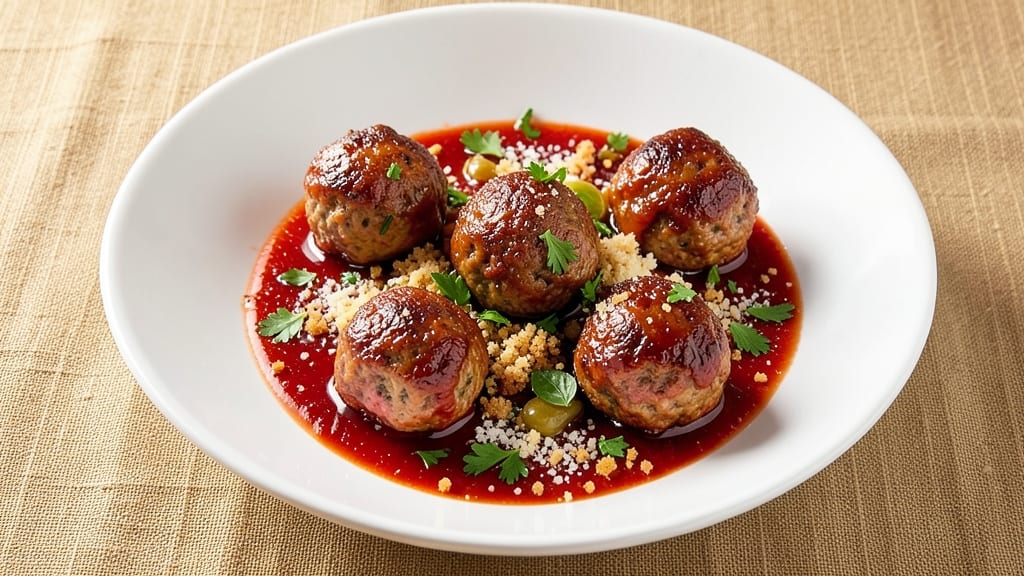
Bobby Flay's meatball and sauce recipe delivers the kind of umami-packed flavor that transforms a simple pasta night into a restaurant-quality feast—all in 45 minutes.
The secret lies in his signature meatball blend, where finely ground beef meets aromatic herbs and a touch of Parmesan for structure, then simmers in a rich, slow-built tomato sauce until every bite is deeply satisfying.
I’ve recreated this dish countless times in my kitchen, and the difference between homemade and takeout? Unmistakable.
This isn’t just another meatball recipe—it’s a complete dish designed for efficiency without sacrificing depth.
The meatballs stay tender and juicy thanks to a precise ratio of breadcrumbs and egg, while the sauce develops layers of flavor through a two-stage simmer: first reducing fresh tomatoes and aromatics, then finishing with a splash of red wine for brightness. The result?
A sauce so velvety and aromatic, it clings to pasta like it was made in a professional kitchen. No shortcuts here—just technique.
By the time you twirl that first forkful, you’ll taste the caramelized edges of the meatballs, the herbaceous depth of the sauce, and the perfect balance of acidity and richness that makes this dish unforgettable.
Serve it over al dente pasta, drizzled with fresh basil, or with crusty bread to soak up every last drop. This is the kind of meal that turns weeknights into something special—without the fuss.
Ready to master it? The step-by-step instructions break down every detail—from the exact meatball mixture to the sauce’s simmering technique—so you’ll achieve Bobby Flay’s signature results at home. Let’s get started.
Ingredients for bobby flay's meatball and sauce
Finely ground beef, aromatic herbs, and a splash of red wine transform simple ingredients into Bobby Flay's signature restaurant-quality meatballs and sauce.
| Ingredient | Amount | Notes |
|---|---|---|
| Ground Beef (80/20) 🥩 | 1 ½ lb | Finely ground, not pre-formed |
| All-Purpose Flour 🌾 | ½ cup | For meatball structure |
| Fresh Parsley 🌿 | ¼ cup | Chopped finely, stems removed |
| Fresh Basil 🌿 | ¼ cup | Chopped for sauce brightness |
| Garlic Cloves 🧄 | 4 cloves | Minced for aromatic depth |
| Large Eggs 🥚 | 1 whole | Room temperature preferred |
| Parmesan Cheese 🧀 | ½ cup | Freshly grated from block |
| Dry Breadcrumbs 🍞 | ½ cup | Panko for extra crunch |
| Extra-Virgin Olive Oil 🫒 | ¼ cup | For meatball frying |
| Canned San Marzano Tomatoes 🍅 | 1 can (28 oz) | Crushed by hand |
| Yellow Onion 🧅 | 1 medium | Diced finely for sauce base |
| Red Wine 🍷 | ½ cup | Bold dry variety like Cabernet |
| Tomato Paste 🍅 | 2 tbsp | Concentrated tomato flavor |
| Dried Oregano 🍃 | 1 tsp | Crushed between fingers |
| Salt 🧂 | 1 ½ tsp | Diamond Crystal preferred |
| Ground Black Pepper 🌶️ | ½ tsp | Freshly cracked preferred |
The ground beef is non-negotiable here—80/20 fat ratio gives the meatballs juicy richness. Grab it from the butcher counter if possible, as pre-packaged can sometimes be coarser. Costco or Whole Foods have excellent quality, but the regular supermarket stuff works if it's fresh. The Parmesan needs to be freshly grated from a wedge—pre-grated tastes like sawdust. For the San Marzano tomatoes, don't compromise: their natural sweetness is what makes this sauce sing. If you can't find them, Muir Glen is a solid backup, but avoid the cheap brands—they're just watered-down tomato mush.
Out of red wine? Beef broth with a splash of balsamic works in a pinch, though the sauce won't have the same depth. No fresh parsley? Dried Italian seasoning at half the amount gets you close, but you'll miss that bright herbal note. The onion can be swapped for leeks if you're feeling fancy, but regular yellow is perfect for weeknight cooking. Want extra umami? Add 1 tbsp soy sauce to the meatball mix. The tomato paste should be the good stuff—Barilla or Rao's are reliable brands. For the breadcrumbs, panko adds a delightful crunch, but regular dry breadcrumbs work too if that's what you've got.
Meatballs keep best in the fridge for 3 days—make a double batch and freeze half for later. The sauce actually improves overnight, so double the recipe if you're feeding a crowd. Store leftovers in airtight containers with a thin layer of olive oil on top to preserve freshness. Frozen meatballs thaw beautifully—just toss them in the sauce straight from frozen. This dish reheats like a dream, so it's perfect for meal prep. The sauce freezes well too, though texture changes slightly—best for reheating into soups or pasta dishes later.
Why You'll Love This Recipe
- No-Fuss Meatballs: I swear by the 80/20 beef here—it’s juicy, tender, and forgiving. No need to overwork the mixture; just mix, roll, and bake. (Yes, even if your hands are sticky from the kids.)
- Garlic-Basil Magic: That fresh basil and minced garlic in the sauce? It’s the difference between meh and holy moly. The parsley brightens it up like a little green hug—simple, but chef’s kiss.
- Weeknight to Party: Same recipe, endless uses. Toss with pasta for a Tuesday night, serve over polenta for guests, or freeze half for when you’re too tired to cook. (Between us, I’ve done all three.)
- Budget Win: Ground beef’s cheap, flour’s cheap, herbs are cheap—this feeds four for under $12. And leftovers? They taste just as good reheated as they do fresh. (My secret weapon for lazy Sundays.)
Step-by-step instructions for Bobby Flay's meatball and sauce recipe
Here's how to nail Bobby's signature meatballs and rich, layered sauce every time.
Build the Meatball Mixture with Precision
In a large bowl, combine the 1.5 lb ground beef (80/20) with the 0.5 cup all-purpose flour, 0.25 cup finely chopped fresh parsley, 0.25 cup chopped fresh basil, 4 minced garlic cloves, 1 room-temperature large egg, 0.5 cup freshly grated parmesan cheese, 0.5 cup dry breadcrumbs, 1.5 tsp salt, and 0.5 tsp freshly cracked black pepper. The key here is gentle handling—just mix until everything comes together without overworking the meat.
I like to use my hands for this part, breaking up the beef just enough to distribute the herbs and cheese evenly. The mixture should hold together when pressed but still feel slightly loose—this ensures tender meatballs that don't crumble. Let the mixture rest for 10 minutes while you prep the sauce components. This brief chill helps the flavors meld and makes shaping easier.
Form and Brown the Meatballs
Using your hands, roll the meat mixture into 16 evenly sized meatballs, about 1.5 inches in diameter. The uniformity ensures even cooking. Heat 0.125 cup of the extra-virgin olive oil in a large skillet over medium-high heat until shimmering. Working in batches to avoid crowding, add the meatballs and brown them for 3-4 minutes per side until deeply golden brown.
Don't rush this step—the Maillard reaction happening here creates that rich, caramelized flavor. You'll know they're ready when they release easily from the pan and develop a firm crust. Transfer the browned meatballs to a plate and set aside. Keep the rendered fat in the pan—it's liquid gold for the sauce.
Develop the Sauce Base
In the same skillet with the meatball fat, add the finely diced 1 medium yellow onion and cook for 5 minutes until softened but not colored. Stir in the 2 tbsp tomato paste and cook for another 2 minutes, letting it deepen in color. Pour in the 0.5 cup red wine and scrape up all those browned bits from the bottom of the pan—this is where all the flavor lives.
Simmer the wine mixture for 3-4 minutes until reduced by half. Then add the crushed 1 can (28 oz) San Marzano tomatoes, 1 tsp dried oregano, and the remaining 0.125 cup extra-virgin olive oil. Bring to a gentle simmer and let it cook uncovered for 20 minutes, stirring occasionally. The sauce should thicken slightly and develop a rich, concentrated tomato flavor.
Finish the Sauce and Combine
Return the browned meatballs to the sauce and gently stir to coat them evenly. The residual heat will finish cooking the meatballs while they soak up the sauce's incredible flavors. Cover the skillet and let it simmer for 15 minutes on low heat, allowing the meatballs to absorb the sauce's depth without falling apart.
Taste and adjust seasoning—you might need a pinch more salt or a crack of black pepper to balance the acidity from the tomatoes. The sauce should cling to the meatballs with a glossy sheen, and each bite should deliver perfect texture contrast between the tender interior and crisp exterior. Serve immediately over your choice of pasta, with extra fresh basil sprinkled on top.
Pro Tips For Making Bobby Flay'S Meatball And Sauce
- Chill the Beef First: Take the ground beef out of the fridge and let it sit for 10 minutes before handling—it’s less greasy and easier to shape. I learned this the hard way when my first batch turned into a sticky mess that wouldn’t hold.
- Toast the Flour: Dry-toast the all-purpose flour in a cold pan over medium heat for 30 seconds before mixing it into the meatballs. It adds a subtle depth and prevents the meatballs from absorbing too much moisture—trust me, it’s worth the extra minute.
- Don’t Overwork the Meat: Mix the ingredients just until combined—overhandling makes meatballs dense and tough. Bobby Flay’s recipe relies on texture, so keep it light, like folding in dough, not kneading bread.
- Simmer Sauce Low: Once the meatballs are in the sauce, reduce heat to a bare simmer—too much heat will cook them too fast on the outside while leaving the inside raw. Low and slow keeps them juicy, even if it feels like forever.
Storing and reheating your bobby flay's meatball and sauce
Refrigerator Storage
Store leftovers in airtight containers with a thin layer of extra-virgin olive oil on top to preserve moisture and flavor. The meatballs and sauce keep well in the fridge for 3-4 days, though I find the sauce actually deepens in flavor overnight.
Let everything cool completely before storing to prevent condensation, which can make the meatballs soggy. 🥫
Freezer-Friendly Meatballs
Freeze uncooked meatballs on a parchment-lined tray for 1 hour to firm up, then transfer to ziplock freezer bags with 1 inch headspace for expansion. They’ll keep for 3 months—just toss them directly into simmering sauce from frozen.
For pre-cooked meatballs, freeze them in a single layer first, then bag them with sauce for 2 months of quality. Thaw overnight in the fridge before reheating.
Sauce Revival
Reheat sauce on the stovetop over medium-low heat for 8-10 minutes, stirring occasionally. Add 1-2 tbsp water or pasta water if it thickens too much. For microwave reheating, cover with a damp paper towel and heat in 1-minute intervals on 50% power until steaming.
The sauce should be 165°F internally—use a thermometer to check. 🔥
Pasta Pairing Tips
Reheated meatballs and sauce pair perfectly with al dente pasta—I recommend spaghetti or rigatoni to hold the sauce. Toss with 1 tbsp olive oil and fresh basil to brighten flavors.
For extra richness, add a splash of pasta water while reheating. Serve immediately with garlic bread or a simple arugula salad to cut through the richness.
Make-Ahead Sauce
Double the sauce recipe and freeze half in glass freezer-safe containers. Thaw overnight in the fridge, then reheat gently on the stove. The texture will be slightly thicker after freezing, so add water or broth as needed.
This works great for soup bases or lasagna layers later in the week. Label containers with dates to track freshness.
Crispy Meatball Hack
For reheated meatballs that lose their crust, broil them for 2-3 minutes after warming in sauce. Place on a baking sheet and watch closely to avoid burning. Alternatively, sear them in a hot skillet with 1 tsp olive oil for 1 minute per side to restore that golden exterior.
This makes all the difference for presentation! ⚡
Nutrition facts
Frequently asked questions
Can I use ground turkey instead of beef for the meatballs?
Yes, but expect a leaner texture. Use 93% lean ground turkey and add 1 extra tbsp olive oil to the mixture to maintain moisture. For best results, mix in 1/4 cup grated Parmesan and 1 tbsp breadcrumbs to help bind the meatballs. The flavor will be milder, so boost it with 1 tsp Italian seasoning and 1/2 tsp smoked paprika.
Why does the sauce taste too acidic after simmering?
This usually happens when the tomatoes aren't fully reduced or the wine wasn't cooked long enough. Fix it by simmering uncovered for 5-10 extra minutes to evaporate excess acidity, then stir in 1 tsp sugar or 1/2 tsp balsamic vinegar to balance flavors. For future batches, reduce the wine to 1/4 cup instead of 1/2 cup.
How do I prevent the meatballs from falling apart?
Overworking the mixture or using too much breadcrumbs are common culprits. Stick to the 0.5 cup breadcrumbs ratio and handle the meat gently—just combine ingredients until just mixed. For extra structure, add 1 tbsp cornstarch to the meatball mix. Also, avoid overcrowding the pan when browning—cook in batches for perfect crusts.
Can I make this recipe in a slow cooker?
Brown the meatballs first, then transfer everything to the slow cooker on low heat for 4-5 hours. The sauce will develop deeper flavor, but you may need to add 1/4 cup water if it gets too thick. For crispy meatballs, sear them in a skillet after slow cooking. The wine will cook off completely, so reduce it to 2 tbsp instead of 1/2 cup.
What's the best pasta to serve with these meatballs?
Bobby Flay often serves this with rigatoni or pappardelle to hold the rich sauce. For a lighter option, try farfalle or penne. Avoid delicate pastas like angel hair—they'll break under the sauce's weight. Cook pasta 1 minute less than package instructions and toss with 1 tbsp olive oil to prevent sticking.