
Sauces & Condiments
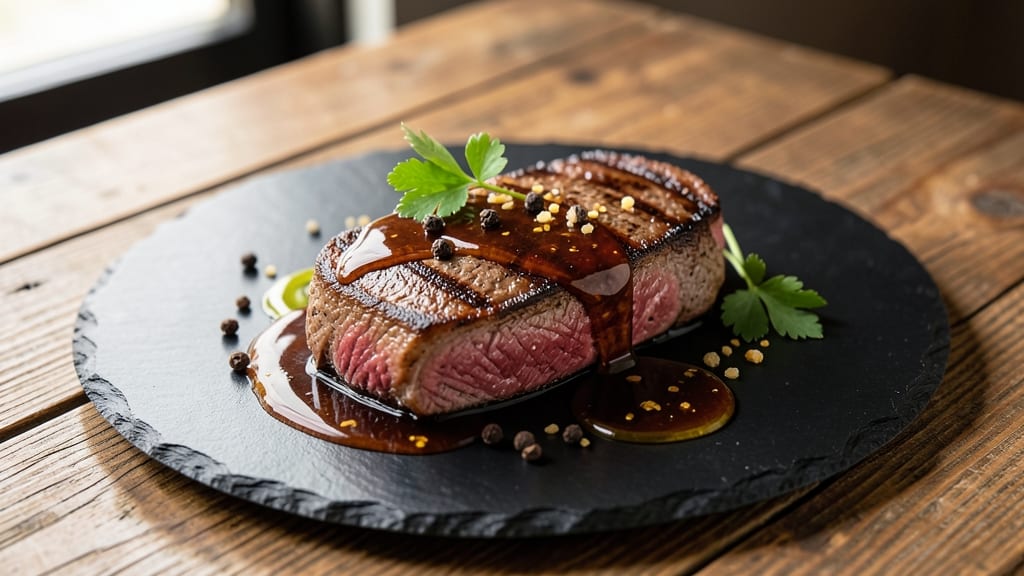
Bobby Flay's steak sauce recipe transforms simple pantry staples into a bold, umami-packed sauce that elevates every steak dish. The secret lies in balancing Worcestershire's tang with soy sauce's depth, creating a sauce that's as versatile as it is flavorful.
I first made this after burning through three bottles of store-bought sauce—this version actually tastes like it belongs on a restaurant table.
What sets this sauce apart is its deep, complex flavor built from just eight ingredients, all of which you likely already have. The sauce caramelizes slightly when reduced, intensifying its richness while maintaining that signature Bobby Flay tang.
Unlike many recipes that call for expensive ingredients, this delivers professional results without breaking the bank.
This isn't just a finishing sauce—it's a game-changer for marinades, glazes, or even a quick pan sauce. The balance of acidity and umami means it works with everything from ribeye to chicken or even vegetables.
Once you taste the difference between this and bottled versions, you'll never go back to the store-bought stuff.
Ready in just 15 minutes, this sauce keeps well in the fridge for up to two weeks, making it perfect for meal prep.
Whether you're searing a steak or tossing it with roasted vegetables, this is the sauce that will make your dishes taste like they came from a high-end kitchen. Let's get started!
Ingredients for bobby flay steak sauce
Eight pantry staples transform into a restaurant-quality sauce that rivals any store-bought version.
| Ingredient | Amount | Notes |
|---|---|---|
| Worcestershire Sauce 🍶 | ½ cup | High-quality brand preferred |
| Soy Sauce 🍶 | ½ cup | Light or dark variety |
| Balsamic Vinegar 🍷 | ¼ cup | Aged for depth of flavor |
| Fresh Garlic Cloves 🧄 | 4 cloves | Minced for aromatic punch |
| Extra-Virgin Olive Oil 🫒 | ¼ cup | High-quality for richness |
| Brown Sugar 🍚 | 2 tbsp | Light or dark variety |
| Red Wine Vinegar 🍷 | 2 tbsp | Dry variety preferred |
| Diamond Crystal Kosher Salt 🧂 | ½ tsp | For seasoning balance |
The Worcestershire sauce is non-negotiable here—Lea & Perrins is the gold standard, but any high-quality brand works. Light soy sauce adds depth without overpowering, while dark soy brings that signature umami richness. Trader Joe's carries a great light soy sauce at a fraction of the price. For balsamic vinegar, aged at least 12 years delivers that caramelized sweetness that makes this sauce sing. Fresh garlic is a must—pre-minced garlic in jars lacks the aromatic punch. If you're using a bottle, peel and mince the cloves yourself right before adding to the sauce. The olive oil should be fruity and peppery—California extra-virgin brands like Corto or Colavita are my go-tos.
No Worcestershire? Substitute with 1 tbsp fish sauce plus 1 tbsp lemon juice—it's not identical, but gets you closer. Swapping soy sauce for coconut aminos cuts the sodium but loses some depth. If you're avoiding sugar, honey or maple syrup at half the amount works surprisingly well. The red wine vinegar can be swapped for white wine vinegar, but the color will be lighter. For a vegetarian version, use vegetarian Worcestershire and ensure your soy sauce is vegan. The salt is crucial—Diamond Crystal kosher dissolves better than table salt, but use what you have. Taste as you go; this sauce builds flavor quickly.
This sauce keeps beautifully in the fridge for up to 2 weeks when stored in an airtight container. The flavors actually improve over time as everything melds together. For longer storage, freeze in ice cube trays—perfect for single-use portions. I always make a double batch; one for immediate use, one to stash in the freezer. The sauce reheats perfectly—just warm it gently on the stove or microwave until steaming. It's also fantastic cold, drizzled over steak salads or seared scallops.
Why You'll Love This Recipe
- Five-Ingredient Magic: I swear by this—just garlic, olive oil, and three pantry staples. No fancy gadgets, no stress. Honestly, I’ve made it while waiting for pasta to boil.
- Umami Bomb: That combo of Worcestershire and soy? It’s like a flavor grenade—rich, deep, and addictive. The balsamic vinegar ties it all together with a tangy punch that lingers.
- Weeknight Hero: Drizzle it over grilled steak, toss it with stir-fry, or slather it on a burger. It’s my go-to when I’m too tired to think but still want something ridiculously good.
- Pantry Goldmine: No fresh herbs? No problem. No fancy prep? Still works. Between us, I’ve used this sauce for three different meals this week—each time, better than takeout.
Step-by-step instructions for Bobby Flay's steak sauce
This sauce delivers restaurant-quality depth with just eight pantry staples—no shortcuts, no compromises.
Bloom the Aromatics in Olive Oil
Heat the 0.25 cup extra-virgin olive oil in a medium saucepan over medium-low heat. Add the 4 minced fresh garlic cloves and cook for 2-3 minutes until they're golden and fragrant—not browned. This step develops the garlic's sweetness without bitterness, which forms the aromatic base of the sauce.
Here's the thing—garlic burns fast. Watch it closely and remove the pan from heat if it starts to darken. You want a gentle sizzle, not smoke. Let the garlic cook until it releases its oils but maintains its color, ensuring it doesn't overpower the sauce with harshness.
Combine Liquids and Simmer
Add the 0.5 cup Worcestershire sauce, 0.5 cup soy sauce, and 0.25 cup balsamic vinegar to the pan. Stir to combine and bring the mixture to a gentle simmer over medium heat. Let it cook uncovered for 8-10 minutes until it reduces by about one-third and thickens slightly.
This reduction concentrates the flavors—you'll see the sauce transform from a thin liquid to a glossy, syrupy base. Stir occasionally to prevent sticking, and resist the urge to crank the heat. Patience here ensures the sauce develops its signature depth without burning.
Sweeten and Acidify
Reduce heat to low and stir in the 2 tablespoons brown sugar and 2 tablespoons red wine vinegar. Simmer for an additional 5-7 minutes, stirring frequently, until the sugar dissolves completely and the sauce reaches your desired consistency. It should coat the back of a spoon but remain pourable.
Taste as you go—this is where the sauce comes together. The brown sugar adds caramel notes, while the red wine vinegar brightens the umami richness. If the sauce thickens too much, add 1-2 tablespoons water to loosen it. The goal is a balance: glossy yet clingy, sweet yet tangy.
Season and Finish
Remove the pan from heat and stir in the 0.5 teaspoon Diamond Crystal kosher salt. Let the sauce sit for 2-3 minutes to allow the salt to fully dissolve and the flavors to meld. Taste again and adjust seasoning if needed—you might need a touch more salt or a splash of vinegar to refine the balance.
This sauce is best used immediately, but it will keep in the refrigerator for up to 1 week in an airtight container. For extra richness, drizzle it over grilled steaks, seared scallops, or even roasted vegetables. It's versatile enough to elevate any protein, but it's a game-changer for steak—trust me, Bobby wouldn't approve of anything less.
Pro Tips For Making Bobby Flay Steak Sauce
- Sear the Garlic: DESCRIPTION: Hit that garlic with a quick, hard sear in olive oil before adding anything else—just 30 seconds until it’s golden and fragrant. I learned this the hard way: skipping this step leaves your sauce tasting raw and sharp instead of rich and mellow.
- Balance the Vinegar: DESCRIPTION: Balsamic vinegar is sneaky—start with half the amount listed, taste, then add more if needed. I used to dump it all in and end up with a sauce that tasted like a pickle. A splash of Worcestershire afterward helps smooth it out.
- Simmer, Don’t Boil: DESCRIPTION: Keep the heat low enough that the sauce barely bubbles—hard boiling turns it bitter and dull. After 5 minutes, check for a glossy sheen; if it’s still flat, let it cook another minute. Patience here makes all the difference.
- Salt the Soy Sauce: DESCRIPTION: If you’re using low-sodium soy sauce, add a pinch of salt to the mix—it’s the thing that makes the sauce taste properly savory. I was skeptical until I tried it: the flavor jumps from "meh" to "damn, that’s good."
Common mistakes when making perfect results
Skipping the Reduction
One of the biggest mistakes is rushing the reduction step. I’ve seen people walk away from the stove after adding the liquids, only to come back to a burned, bitter mess. This sauce needs that 8-10 minute simmer to develop its depth—skipping it leaves you with a flat, watery glaze.
Keep the heat at a steady medium simmer and stir occasionally to prevent sticking. The goal is to reduce by about one-third, not to boil it dry. 🔥
Using Low-Quality Ingredients
Not all Worcestershire sauces are created equal, and neither are soy sauces or vinegars. I’ve tasted versions made with generic store brands that lacked the complexity of high-quality ingredients. For Worcestershire, Lea & Perrins is the gold standard, while Trader Joe’s light soy sauce delivers depth without overpowering.
The same goes for balsamic vinegar—aged at least 12 years makes all the difference. Don’t cut corners here; these are the building blocks of flavor.
Overcooking the Garlic
Garlic burns faster than you think, and once it turns dark, there’s no going back. I’ve ruined more sauces than I’d like to admit by letting the garlic brown into oblivion. Cook it over medium-low heat for just 2-3 minutes until golden and fragrant.
If it starts to darken, remove the pan from heat immediately. The goal is to release its sweet, aromatic oils—not turn it into charcoal. 🧄
Ignoring the Salt Step
Some recipes skip the final salt adjustment, but that’s a mistake. The salt needs time to dissolve and balance the sauce’s flavors. Stir in the 0.5 teaspoon Diamond Crystal kosher salt and let the sauce sit off the heat for 2-3 minutes before tasting.
You might need to add a pinch more or a splash of vinegar to refine the balance. Trust me, this step makes the difference between good and restaurant-quality.
Not Tasting as You Go
Many home cooks add all the ingredients and walk away, only to realize the sauce is either too sweet, too tangy, or just plain off. This sauce builds flavor in stages, so taste at each step.
After adding the brown sugar and vinegar, give it a quick taste—adjust the sweetness or acidity if needed. The final adjustment is just as important as the initial ingredients. Your taste buds are your best tool here.
Storing Improperly
If you’re not using the sauce immediately, storing it incorrectly can ruin its texture and flavor. Transfer it to an airtight container and refrigerate within 2 hours of cooking.
The sauce keeps well for up to 2 weeks, but if it thickens too much, add a splash of water to loosen it before reheating. Never store it in the original pan—it’ll absorb odors and dry out. For longer storage, freeze in ice cube trays for single-use portions. ❄️
Nutrition facts
Frequently asked questions
Can I make this sauce without Worcestershire?
For a quick substitute, mix 1 tablespoon fish sauce with 1 tablespoon lemon juice—it won't be identical but captures some of the umami depth. The sauce will taste slightly different, but it still works beautifully for finishing steaks or marinades. For a vegetarian version, use a high-quality vegetarian Worcestershire sauce.
How long does this sauce keep in the fridge?
The sauce stays fresh for up to 2 weeks when stored in an airtight container. Flavors actually improve over time as the ingredients meld together. For longer storage, freeze in ice cube trays—perfect for single-use portions. Thaw overnight in the fridge before using.
Can I use this sauce for other proteins besides steak?
This versatile sauce elevates chicken, pork, seafood, and even vegetables! Drizzle it over grilled shrimp, seared scallops, or roasted Brussels sprouts for a bold flavor boost. The umami-rich profile works especially well with medium-rare pork chops or herb-crusted salmon.
Why does my sauce taste too sweet?
If the sauce tastes overly sweet, balance it with 1-2 extra tablespoons of vinegar (red wine or balsamic). The acidity cuts through the sugar while enhancing the sauce's complexity. Taste as you go—this sauce builds flavor in stages, so adjustments at the end make all the difference.
What's the best way to reheat leftover sauce?
Gently warm the sauce in a small saucepan over low heat until steaming, or microwave in 10-second bursts while stirring. If it thickens too much, add 1-2 teaspoons of water to restore the perfect pourable consistency. Never boil it—just enough heat to revive the flavors.