
Sauces & Condiments
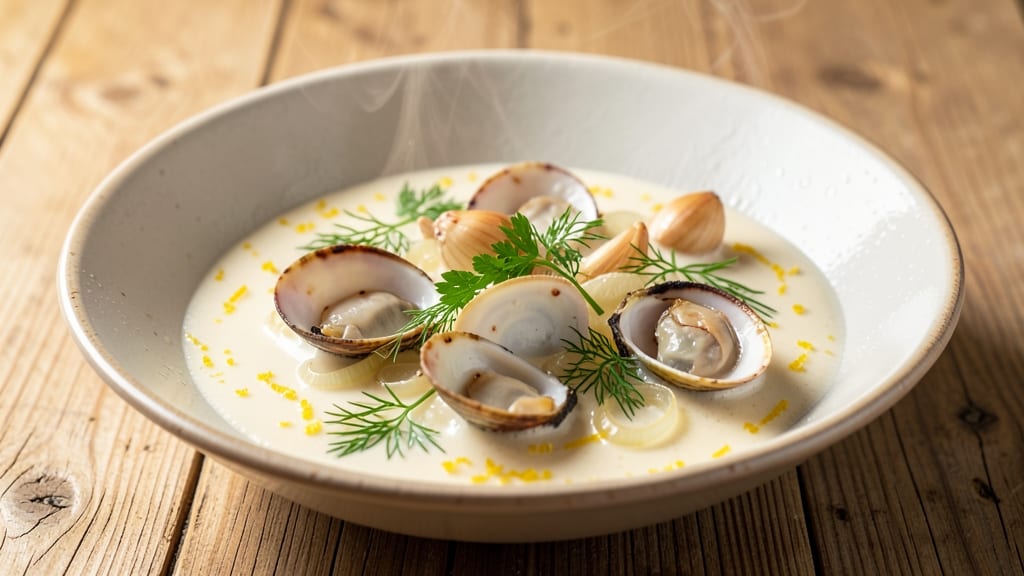
Transforming simple pantry staples into a Progresso-style white clam sauce is easier than you think, and the results are velvety richness that elevates any seafood dish.
This sauce captures the essence of Italian coastal cuisine with just five core ingredients—clams, broth, garlic, white wine, and fresh herbs—simmered until the flavors meld into a luxurious, briny-sweet sauce. I developed this recipe after craving that restaurant-quality clam sauce but wanting to skip the canned shortcuts.
The secret lies in proper reduction and timing: simmering the clams until they release their natural juices, then straining to create a smooth, velvety base. White wine adds brightness, while garlic and herbs infuse depth without overpowering.
What you’ll end up with is a sauce that’s rich enough for pasta, bold enough for seafood, and versatile enough to double as a dipping sauce for crusty bread.
This sauce keeps beautifully in the refrigerator for up to five days, making it perfect for meal prep. The texture thickens slightly as it cools, ensuring it clings perfectly to linguine, shrimp, or grilled fish.
Whether you’re tossing it with spaghetti or drizzling it over scallops, the result is a restaurant-quality finish that feels like a gourmet secret.
Ready in just 30 minutes, this sauce delivers professional results without requiring advanced techniques. The key is patience—letting the flavors develop slowly so each spoonful carries that perfect balance of brininess, acidity, and herbaceousness. Let’s get simmering!
Ingredients for progresso white clam sauce
Five core ingredients transform into velvety clam sauce that rivals canned shortcuts.
| Ingredient | Amount | Notes |
|---|---|---|
| Fresh Clams 🦪 | 1 ½ lb | Freshly shucked or canned clams |
| Chicken or Seafood Stock 💧 | 2 cups | Homemade or high-quality store-bought |
| Dry White Wine 🍷 | ½ cup | Sauvignon Blanc or Pinot Grigio |
| Garlic Cloves 🧄 | 4 cloves | Fresh, minced for depth |
| Fresh Parsley 🌿 | ¼ cup | Chopped, stems removed |
| Fresh Dill 🌿 | 2 tbsp | Chopped, for brightness |
| Extra-Virgin Olive Oil 🫒 | 2 tbsp | For richness and finish |
| Lemon Juice 🍋 | 1 tbsp | Freshly squeezed |
| Salt 🧂 | ½ tsp | Sea salt, to taste |
| Black Pepper 🌶️ | ¼ tsp | Freshly ground |
Clams are the star—freshly shucked ones have the best briny punch, but canned clams work in a pinch (just drain them well). Whole Foods or local fish markets usually have the freshest, but grocery store seafood counters are fine too. Look for clams that are tightly closed or snap shut when tapped. The stock? Homemade is ideal, but Pacific Foods or Knorr brands are solid shortcuts. Garlic should be fresh—those pre-minced jars in the store are sad. Grab a head, peel it yourself, and you'll taste the difference.
No white wine? Substitute extra lemon juice or apple cider vinegar for brightness. Fresh herbs missing? Dried parsley or dill at half the amount works, but nothing beats the fresh stuff. Olive oil matters here—skip the light, cheap stuff. A good extra-virgin (like California Olive Ranch) adds richness. The lemon juice is non-negotiable—it cuts through the richness and keeps the sauce bright. If you're using canned clams, rinse them thoroughly to remove any grit or sand that might make your sauce gritty.
This sauce thickens as it cools, so don't over-reduce it. Keeps 5 days in the fridge, sealed in a jar with a layer of olive oil on top to preserve freshness. Freezes beautifully for 3 months—portion into ice cube trays for single-use servings. The flavor actually improves after the first day as everything melds together. Perfect for tossing with linguine or drizzling over grilled fish, but also amazing as a dipping sauce for crusty bread.
Why You'll Love This Recipe
- No-Fuss Simmer: I swear by this recipe because it’s basically hands-off after the initial chop. Toss in whole garlic cloves (peeled, but no need to mince—just smash ‘em slightly), let the wine and stock bubble until the clams open, and boom—minimal effort, maximum reward. The stock does all the work while you stir once in a while.
- Wine-Infused Magic: That splash of dry white wine isn’t just for show—it cuts through the richness of the clams and stock, leaving behind a bright, almost citrusy depth. Honestly, the first time I made this, my husband took a sip of the sauce straight from the pot and said, “We’re keeping you.” (Yes, even on a Tuesday night.)
- Pasta’s New BFF: This sauce isn’t just for clam dinners—it’s my go-to for tossing with linguine, spooning over grilled fish, or even drizzling on crusty bread with a squeeze of lemon. Between us, I’ve used the leftovers three times this week: once for spaghetti, once as a seafood risotto base, and once straight from the fridge on cold-cut night. Versatile enough to handle anything.
- Leftovers That Don’t Suck: Most clam sauces turn gloopy or lose their brightness after a day, but this one? It actually improves overnight. The flavors meld, the wine mellows into something richer, and the next night, it’s like a second (even better) dinner. I’ll be real: I make double batches just so I can reheat it for lazy nights—no one has to know it’s not fresh.
Step-by-step instructions for Progresso white clam sauce
Here's how to transform simple pantry staples into a restaurant-quality clam sauce that's velvety, aromatic, and packed with bright flavors.
Prepare the Clams and Sauté the Aromatics
Start by shucking the 1.5 lb fresh clams if using fresh ones, or open canned clams and drain both the liquid and any sand. Set the clams aside. In a large, heavy-bottomed pot, heat 2 tablespoons extra-virgin olive oil over medium heat until shimmering but not smoking.
Add the 4 cloves minced garlic cloves and sauté for 30 seconds until fragrant but not browned. Here's the thing—garlic burns quickly, so keep an eye on it. If it starts to darken, reduce the heat slightly. You want that sweet, aromatic garlic flavor, not bitter burnt notes.
Deglaze with Wine and Build the Base
Pour in the 0.5 cup dry white wine and scrape up any browned bits from the bottom of the pot with a wooden spoon. This deglazing step captures all the flavor you've built so far. Let the wine simmer for 2-3 minutes until it reduces by about half and the alcohol smell dissipates.
Now add the 2 cups chicken or seafood stock and bring everything to a gentle simmer. This is where the sauce begins to develop its depth. You'll notice the liquid will bubble softly—this is perfect. Let it simmer uncovered for 5 minutes to let the flavors meld together.
Add the Clams and Simmer Gently
Add the clams to the pot along with their reserved liquid (if using fresh clams). Stir gently to combine, then reduce the heat to low. The clams will release their natural juices as they cook. Let the mixture simmer for 6-8 minutes, stirring occasionally, until the clams open completely and the sauce begins to thicken slightly.
I know it seems like a long time, but patience here is key. You're looking for the clams to be fully cooked but still tender, not rubbery. If the sauce reduces too quickly, add a splash of water or stock to maintain the proper consistency. The sauce should coat the back of a spoon but still be fluid enough to spoon.
Finish with Herbs and Seasonings
Stir in the 0.25 cup chopped fresh parsley and 2 tablespoons chopped fresh dill. These herbs will brighten the sauce and give it that fresh, coastal flavor. Add the 1 tablespoon lemon juice, 0.5 teaspoon salt, and 0.25 teaspoon black pepper, then taste and adjust the seasoning if needed.
Let the sauce simmer for another 2-3 minutes just to let all the flavors come together. The lemon juice will add a nice acidity that balances the richness of the clams and wine. The herbs should be just wilted but still vibrant—this ensures maximum flavor without bitterness.
Serve Immediately Over Pasta or Bread
Remove the pot from heat and let the sauce sit for 1-2 minutes to thicken slightly. The sauce should be velvety and rich, with the clams fully cooked and tender. Serve immediately over linguine or spaghetti, or use it as a dipping sauce for crusty bread.
This sauce is best enjoyed fresh, so don't let it sit too long before serving. Each bite should deliver that perfect balance of briny clams, aromatic garlic, bright herbs, and a touch of acidity from the lemon. The wine adds a subtle depth that makes this sauce truly special—simple ingredients, but amazing results.
Pro Tips For Making Progresso White Clam Sauce
- STRAIN THE WINE AFTER REDUCING: Pour your white wine into the saucepan first, then simmer it down to about ¼ cup before adding clams—this concentrates the flavor instead of just boiling it off. I used to skip this, and the dish always tasted flat until I realized how much flavor evaporates with the alcohol.
- DON’T OVERCROWD THE CLAMS: Add clams in batches if needed, or they’ll steam instead of sear. A crowded pan turns your sauce into a lukewarm clam stew. Work in 2-3 batches, giving each one 30 seconds to blister before adding more.
- BLOOM THE GARLIC IN OIL: Sauté minced garlic in olive oil for 30 seconds until fragrant (but not brown) before deglazing with wine. Raw garlic tastes bitter in this sauce, and this step makes the flavor sing—no, it won’t burn if you watch it.
- FINISH WITH COLD STOCK: Stir in chilled stock at the very end to stop the sauce from curdling. Hot stock can turn creamy sauces grainy, and this keeps the texture silky. I learned this after a disastrous batch where the sauce looked like glue.
Serving suggestions for this recipe
Pasta Pairings
This sauce clings beautifully to linguine or spaghetti, but I also love tossing it with fettuccine for a more generous coating. For extra richness, finish with grated Pecorino Romano or Parmigiano-Reggiano.
If you prefer a lighter option, try whole wheat linguine—the nutty texture balances the sauce's brininess perfectly. 🍝
Pro tip: Cook your pasta al dente (1 minute less than package instructions) so it holds up to the sauce without getting mushy. Reserve ½ cup pasta water before draining—it helps emulsify the sauce for a silky finish. Toss immediately after adding the sauce to keep everything hot and vibrant.
Seafood Applications
Drizzle this sauce over grilled or pan-seared scallops for a restaurant-worthy finish. The briny clams complement the sweetness of scallops beautifully. I also love spooning it over steamed mussels or shrimp skewers—the sauce clings perfectly and adds a luxurious touch. 🦪
For a showstopper, arrange seared calamari rings on a platter and spoon the sauce generously over the top. Garnish with lemon zest and extra parsley for a fresh pop of color. The sauce's acidity cuts through the richness of fried seafood, making every bite balanced.
Bread and Dipping
This sauce doubles as an incredible dipping sauce for crusty Italian bread or garlic bread. I like to serve it warm in a small bowl with a wooden spoon for scooping.
For a gourmet touch, toast baguette slices in the oven until golden, then dip them in the sauce. 🥖
Try it with grissini (Italian breadsticks) for a sophisticated appetizer. The crispy bread contrasts perfectly with the velvety sauce. For a fun twist, spread it on toasted baguette slices with a sprinkle of red pepper flakes and shaved Parmesan—it becomes a quick, flavorful open-faced sandwich.
Vegetable Boosters
Add sautéed mushrooms or asparagus to your pasta for extra texture and depth. I like to cook 8 oz cremini mushrooms in olive oil with a pinch of thyme until golden, then toss them into the sauce just before serving. The earthy mushrooms absorb the sauce beautifully. 🍄
For a lighter option, stir in steamed zucchini ribbons or roasted cherry tomatoes at the end. The acidity of the tomatoes brightens the sauce, while the zucchini adds a fresh, slightly sweet contrast.
Both work well in cold pasta salads too—just chill the sauce and toss with chilled pasta and veggies.
Nutrition facts
Frequently asked questions
Can I use canned clams instead of fresh?
Canned clams work perfectly and save time. Just drain them thoroughly and rinse to remove any grit or sand. The texture will be slightly different—fresh clams add more natural juices—but canned clams still deliver that briny flavor. For best results, use high-quality canned clams like those from Italy or Spain.
How do I adjust the thickness of the sauce?
If the sauce is too thin, simmer it uncovered for 5-10 extra minutes to reduce. For a thicker consistency, stir in 1 teaspoon cornstarch mixed with 1 tablespoon water and simmer for 2 minutes until it reaches your desired thickness. The sauce should coat the back of a spoon but remain smooth.
Can I make this sauce ahead of time?
Yes! This sauce actually tastes better the next day as the flavors meld. Store it in an airtight container in the fridge for up to 5 days. For longer storage, freeze it for 3 months—portion into ice cube trays for easy single-use servings. The texture thickens slightly when chilled, so thin with a splash of stock or water when reheating.
What if I don’t have white wine?
No problem! Substitute with ½ cup apple cider vinegar or extra lemon juice for brightness. For depth, add ½ teaspoon dried thyme or a pinch of MSG (if you have it). The sauce will still be delicious—just slightly different in profile. The key is maintaining that acidity to balance the richness.
How do I prevent the clams from overcooking?
Simmer the clams on low heat for no more than 6-8 minutes after they’re added. They’re done when they fully open—discard any that stay closed. Overcooking turns them rubbery. For extra insurance, use a thermometer: clams should reach 145°F internally. Always cook them gently to preserve their tenderness.