
Sauces & Condiments
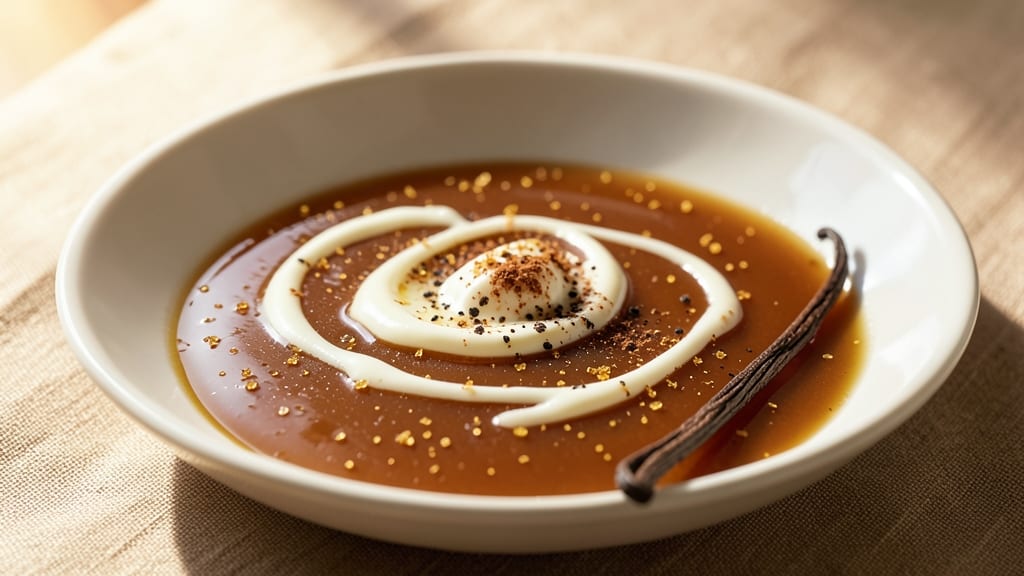
This brandy sauce recipe transforms simple ingredients into a luxurious, velvety sauce that elevates roasts, seafood, and desserts with its warm spiced elegance. The perfect balance of brandy, butter, and cream creates a rich, aromatic sauce that adds depth to any dish.
I developed this recipe after years of perfecting the art of sauce-making, ensuring it delivers restaurant-quality results at home.
What makes this sauce truly special is its versatility—it works equally well drizzled over roasted chicken, spooned onto vanilla ice cream, or paired with fresh berries. The key lies in reducing the sauce properly to achieve that perfect consistency, neither too thin nor too thick.
With just a few simple ingredients and about 20 minutes of active time, you'll have a sauce that tastes like it came from a five-star restaurant.
The result is a sauce that's rich, aromatic, and perfectly balanced—sweet enough to complement desserts but robust enough to stand up to savory dishes. The brandy adds a subtle warmth, while the spices create layers of complexity that make this sauce unforgettable.
Whether you're hosting a dinner party or simply treating yourself to a special dessert, this brandy sauce will impress every time.
Once made, store any leftovers in an airtight container in the refrigerator for up to 5 days, or freeze for longer storage. Reheat gently on the stove, adding a splash of cream if needed to restore its silky texture.
This sauce is the perfect finishing touch for any meal, bringing warmth and sophistication to every bite.
Ingredients for brandy sauce
Nine simple ingredients transform into restaurant-quality brandy sauce that shines on roasts, desserts, and everything in between.
| Ingredient | Amount | Notes |
|---|---|---|
| Unsalted Butter 🧈 | ½ cup | Cold, cubed for even melting |
| Brandy 🍷 | ½ cup | Good quality, 80-proof minimum |
| Heavy Cream 🥛 | 1 cup | Full-fat for richness |
| Granulated Sugar 🍚 | ¼ cup | Light brown works too |
| Vanilla Extract 🌿 | 1 tbsp | Pure, high-quality extract |
| Ground Cinnamon 🌶️ | ½ tsp | Freshly ground preferred |
| Ground Nutmeg 🌿 | ¼ tsp | Freshly grated nutmeg better |
| Salt 🧂 | ¼ tsp | Kosher or sea salt |
| All-Purpose Flour 🌾 | 1 tbsp | For thickening |
The brandy is the soul of this sauce—look for good quality at the liquor store (avoid the cheap stuff). Korbel or Christian Brothers are solid choices, but anything 80-proof will work. Butter matters too—use unsalted and keep it cold when adding to the pan. Heavy cream should be full-fat; light cream will make the sauce separate. For the spices, freshly ground nutmeg makes a world of difference—if you've got a microplane, grate it fresh. The vanilla extract? Pure, not imitation—this is where you taste the difference. I always grab mine at Whole Foods or Trader Joe's for the best quality.
No brandy? Substitute apple cider or extra apple juice—it adds sweetness and depth. Short on heavy cream? Half-and-half works but the sauce won't be as rich. The flour is just for thickening—if your sauce reduces perfectly, you might skip it entirely. Want more warmth? Add a pinch of cardamom. For a sweeter dessert version, increase sugar to 1/3 cup. The sauce is versatile—use it on roasted meats, drizzle over vanilla ice cream, or pair with fresh berries. The key is reducing it properly—don't rush it, or you'll end up with something too thin.
This sauce keeps beautifully—5 days in the fridge in an airtight container. For longer storage, freeze for up to 3 months. When reheating, add a splash of cream or milk to restore that silky texture. I always make extra—it's perfect for last-minute dinner parties or special desserts. The flavor actually improves after a day or two as everything melds together. Store it in a pretty jar for gifting too—everyone loves a good sauce.
Why You'll Love This Recipe
- Five-Ingredient Magic: I swear by this—just butter, brandy, cream, sugar, and vanilla. That’s it. No hidden spices, no last-minute shopping runs. The brandy cuts through the richness while the vanilla keeps it from feeling heavy, and honestly? It’s the kind of sauce that makes you wonder why you ever bothered with complicated recipes.
- Velvet Smooth Richness: The second the butter melts into that warm cream, you’ll know you’re onto something good. The sugar caramelizes just enough to balance the brandy’s warmth, and the vanilla ties it all together like a secret handshake. It’s creamy but not cloying—more like a hug from your favorite chef.
- Weeknight Dinner Hero: Drizzle this over roasted chicken, toss it with mashed potatoes, or even swirl it into ice cream (yes, really). It’s the kind of sauce that turns a simple meal into something special without screaming “I slaved over this.” My go-to? A quick pan-seared steak with this sauce and crusty bread—game over.
- Leftovers That Lie: Between us, this sauce tastes better the next day. The flavors meld, the brandy mellows into something deeper, and you’ll find yourself sneaking spoonfuls straight from the fridge. (Don’t judge me.) Plus, it reheats in minutes—no thinning, no burning, just pure, creamy perfection waiting to elevate whatever you’re serving.
Step-by-step instructions for brandy sauce recipe
This luxurious sauce comes together in minutes with rich brandy and warm spices—perfect for drizzling over roasts or pairing with desserts.
Melt Butter and Bloom the Spices
In a medium saucepan over medium heat, add the 0.5 cup unsalted butter and let it melt completely, swirling occasionally. Once fully melted, reduce heat to low and whisk in the 0.5 teaspoon ground cinnamon, 0.25 teaspoon ground nutmeg, and 0.25 teaspoon salt. Let the spices bloom for 30 seconds—you'll smell that warm, aromatic essence that makes this sauce so special.
This step is where the magic begins. The spices need time to release their oils into the butter, creating a fragrant base. If you rush this, the flavors won't develop properly. Keep the heat gentle to avoid burning the spices—you want them to perfume the butter, not scorch.
Add Sugar and Brandy
Next, whisk in the 0.25 cup granulated sugar until completely dissolved. Increase heat to medium-low and carefully pour in the 0.5 cup brandy, stirring constantly. You'll see the brandy bubble and evaporate slightly—this is normal and adds depth to the sauce. Let it simmer gently for 2-3 minutes until the alcohol smell dissipates completely.
Here's the thing—brandy has a strong flavor, and letting it cook off the raw alcohol transforms it into something richer and more complex. If you're worried about flammability, keep the pan away from direct heat sources, but don't be nervous. With the heat at medium-low, there's no risk of catching fire.
Incorporate Cream and Vanilla
Reduce heat to low and gradually whisk in the 1 cup heavy cream, adding it slowly to prevent curdling. Once fully incorporated, stir in the 1 tablespoon vanilla extract. Let the mixture simmer gently for 4-5 minutes, stirring occasionally, until it begins to thicken slightly—you're looking for a consistency between heavy cream and pudding.
The vanilla extract adds a subtle sweetness that balances the spices perfectly. If you're using high-quality extract, you'll notice a more pronounced vanilla flavor. This is the moment where all the flavors come together, so don't rush it. The sauce should coat the back of a spoon but still be pourable.
Thicken with Flour
In a small bowl, whisk together the 1 tablespoon all-purpose flour with 1 tablespoon cold water to create a smooth paste. Slowly pour this into the saucepan while whisking constantly over low heat. Continue whisking for 2-3 minutes until the sauce thickens to your desired consistency—it should coat the back of a spoon but still be smooth and glossy.
This is where the sauce transforms from creamy to velvety. If it thickens too much, you can thin it with a splash of warm milk or cream. But don't worry—this sauce is forgiving. The key is to whisk constantly to prevent lumps. Once it reaches the perfect consistency, remove it from heat immediately to stop the cooking process.
Rest and Serve
Let the sauce rest for 5 minutes off the heat. This allows the flavors to meld together and the sauce to reach its full potential. Taste and adjust seasoning if needed—you might want to add a pinch more salt or a dash of cinnamon to suit your preference. Serve warm over roasted meats, drizzled over vanilla ice cream, or paired with fresh fruit for an elegant dessert.
This sauce is incredibly versatile. It's rich enough to stand alone but subtle enough to complement other flavors. The brandy adds a sophisticated touch, while the warm spices make it feel cozy and inviting. Once you've made it, you'll want to keep it in your recipe rotation for special occasions—or even weeknight dinners when you want to feel a little fancy.
Pro Tips For Making Brandy Sauce
- Temper the Brandy: Pour the brandy into a cold pan first—literally, ice it down for 10 minutes. This cuts the alcohol burn and lets the flavor meld smoother into the butter. I learned this the hard way when my first batch tasted like a boozy punch instead of a silky sauce.
- Whisk the Cream Cold: Chill the heavy cream in the fridge until it’s bone-cold—like, stick-your-finger-in-and-wince cold. Whisking warm cream into the butter risks curdling, and nobody wants lumpy brandy sauce. (Yes, even if you’re impatient like me.)
- Salt the Butter First: Toss a pinch of salt into the melted butter before adding the brandy. Unsalted butter is deceptive—this small step guarantees the sauce won’t taste flat later. My grandmother swore by this, and she was right: balance matters more than you’d think.
- Simmer, Don’t Boil: Keep the sauce at a gentle simmer—tiny bubbles, no splashing. Boiling burns the brandy’s delicate notes and turns the cream grainy. If it’s fighting you, lower the heat and stir more often. (Your future self will thank you.)
Essential equipment for perfect results
Saucepan Essentials
Start with a medium-sized stainless steel saucepan—I recommend a 3-quart All-Clad or Calphalon for even heat distribution. The stainless steel conducts heat beautifully and won’t impart any metallic taste.
If you’re on a budget, a Cuisinart stainless steel saucepan works perfectly too. The key is a pan with slightly sloped sides to help reduce the sauce efficiently. 🔥
Whisk for Perfection
A balloon whisk is your best friend here—it creates a vortex that incorporates ingredients smoothly without over-mixing. I use a OXO Good Grips balloon whisk because it’s sturdy and comfortable.
Avoid wire whisks with thin strands, as they can break easily when whisking hot sauces. For extra control, a French whisk works too, but it requires more wrist action.
Heat Control Tools
Invest in a digital thermometer like the Thermoworks Thermapen to monitor your sauce’s temperature—ideal range is 180-190°F for proper reduction. A silicon spatula (I love OXO’s) helps scrape up every last bit of sauce without scratching your pan.
For precise heat adjustment, a gas stove with multiple burners gives better control than electric coils.
Measuring Precision
Use a stainless steel measuring spoons set (like Farberware’s) for accurate spice and flour measurements—those tiny differences matter in delicate sauces. A kitchen scale is ideal for butter and sugar, but if you’re measuring by volume, spoon and level your ingredients for consistency.
For liquids, a liquid measuring cup with clear markings ensures you add the exact ½ cup brandy and 1 cup heavy cream.
Storage Containers
For leftovers, store sauce in glass jars with airtight lids—I prefer Le Parfait or Ball mason jars for fridge storage. For freezing, use silicone molds or freezer-safe glass containers with 1-inch headspace to prevent cracking.
Label containers with dates—this sauce keeps 5 days refrigerated or 3 months frozen, but flavors peak within 3 days. ❄️
Optional Upgrades
For a professional touch, a microplane (like Barbagroup’s) lets you grate fresh nutmeg for maximum aroma. A fine-mesh strainer removes any lumps if you prefer ultra-smooth sauce.
And if you’re making this often, a stand mixer with whisk attachment (like KitchenAid’s) saves time for larger batches—just use the lowest speed to avoid splattering. 💫
Nutrition facts
Frequently asked questions
Can I make this brandy sauce without alcohol?
The brandy adds depth and warmth, but you can substitute with ½ cup apple cider or apple juice for a non-alcoholic version. The sauce will be sweeter and fruitier, but still rich. For a neutral substitute, use ½ cup vegetable broth and add 1 teaspoon vanilla bean paste to compensate for the missing brandy flavor.
How do I fix a sauce that's too thick or too thin?
If your sauce is too thick, whisk in 1 tablespoon warm cream or milk at a time until it reaches a pourable consistency. For a sauce that's too thin, mix 1 teaspoon cornstarch with 1 tablespoon cold water, then stir it into the sauce while heating on low until thickened. Always adjust gradually to avoid overcorrecting.
What's the best way to reheat leftover brandy sauce?
Gently reheat on the stovetop over low heat, stirring frequently, until warmed through. If the sauce thickens too much, add a splash of warm cream or milk. For microwave reheating, use 30-second intervals on low power, stirring in between. Never boil the sauce, as it can curdle or lose its delicate flavor.
Can I make this sauce ahead of time?
This sauce actually tastes better after resting. Make it 1-2 days ahead and store in an airtight container in the fridge. The flavors meld beautifully over time. For longer storage, freeze for up to 3 months. Just remember to reheat gently to restore its silky texture.
What are some creative ways to use this sauce?
Beyond roasted meats and desserts, try drizzling it over pancakes or waffles, mixing into mashed potatoes, or using as a glaze for baked apples. For a savory twist, stir it into mac and cheese or use as a dipping sauce for fried chicken. The warm spices pair surprisingly well with grilled vegetables too!