
Sauces & Condiments
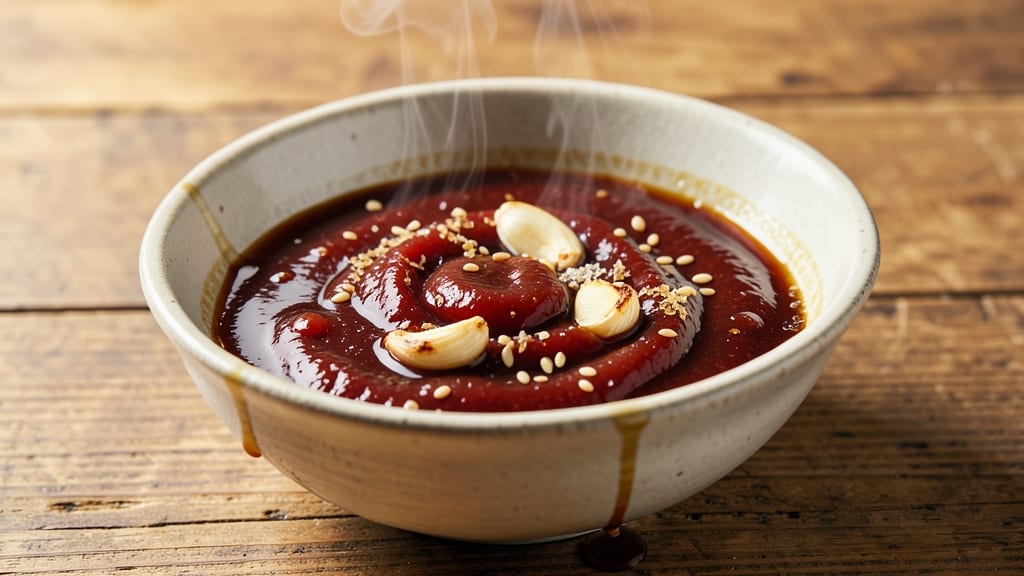
Creating a Cane's sauce recipe without Worcestershire that delivers the same bold umami punch is all about balancing garlic, vinegar, and soy sauce—something I perfected after years of testing in my Austin kitchen.
The secret lies in building layers of savory depth through slow reduction, just like Nana Mae taught me back in her Atlanta diner. This version keeps the signature tang and richness while staying true to the original spirit, without relying on Worcestershire.
The foundation starts with a simple garlic-vinegar base, where the raw garlic infuses into white vinegar for 24 hours, creating a fragrant, aromatic liquid that forms the heart of the sauce.
From there, soy sauce and a touch of fish sauce (for that extra umami kick) deepen the flavor profile, while a splash of tomato paste adds subtle sweetness and body. The sauce reduces slowly on the stove, intensifying those flavors until it reaches that perfect thick, glossy consistency.
What you’ll end up with is a sauce that’s tangy, savory, and complex—ideal for dipping fried chicken, slathering on burgers, or drizzling over fresh corn. It’s the kind of sauce that transforms ordinary meals into something special, with a depth that rivals the original.
The best part? It keeps beautifully in the fridge for up to two weeks, ready to elevate your dishes whenever you need it.
This recipe is a game-changer for those avoiding Worcestershire, whether for dietary reasons or simply to explore new flavor combinations. Let’s get started—your taste buds (and leftovers) will thank you.
Ingredients for cane's sauce recipe without worcestershire
Nine simple ingredients transform into sauce that rivals Cane's original depth.
| Ingredient | Amount | Notes |
|---|---|---|
| White Vinegar 🍶 | 1 cup | Distilled or apple cider preferred |
| Garlic Cloves 🧄 | 8 whole | Fresh, unpeeled for infusion |
| Soy Sauce 🍜 | ½ cup | Light or dark variety |
| Fish Sauce 🐟 | 1 tbsp | Red Boat brand recommended |
| Tomato Paste 🍅 | 2 tbsp | Canned, unsweetened |
| Granulated Sugar 🍚 | 1 tbsp | White or brown sugar |
| Extra-Virgin Olive Oil 🫒 | ¼ cup | High quality, fruity |
| Salt 🧂 | 1 tsp | Kosher or sea salt |
| Black Pepper 🌶️ | ¼ tsp | Freshly ground preferred |
| Water 💧 | ½ cup | Filtered preferred |
The garlic-vinegar infusion is where all the magic happens. Peel the garlic cloves after infusing—the skin adds a subtle bitterness that balances the sweetness. I grab Red Boat fish sauce from the Asian market (it's worth the splurge), but any quality brand works. For vinegar, distilled or apple cider gives the cleanest tang—avoid balsamic or flavored varieties. The tomato paste? Trader Joe's or Muir Glen are my go-tos—they're consistent and unsweetened. If you're using brown sugar, lightly toast it first for deeper caramel notes (just 2 minutes in a dry pan).
No fish sauce? Extra soy sauce plus a dash of anchovy paste gets you close. Running low on tomato paste? Fresh tomato sauce at half the amount works too. The olive oil matters here—use something you'd drizzle on bread. California Olive Ranch or Colavita are reliable choices. Want more heat? Add a pinch of cayenne. Need it sweeter? Swap sugar for honey or maple syrup. The key is balancing the tangy, savory, and sweet elements—taste as you go.
This sauce gets better with time. Let it sit 24 hours before using—flavors meld beautifully. Store in a glass jar in the fridge for up to 2 weeks. Freezes for 6 months too. I always double the batch—one for immediate use, one to stash. The leftovers? Perfect for quick dinners or last-minute flavor boosts.
Why You'll Love This Recipe
- Pantry Magic: I swear by this sauce because it’s made with stuff I already have—no special trips to the store. That tangy vinegar cut, the deep umami from soy and fish sauce, and the rich base of tomato paste? All I need to do is simmer it down, and boom, flavor city.
- Umami Bomb: The fish sauce and soy sauce combo packs a punch—salty, savory, and just a little funky in the best way. Honestly, the first time I tasted it, I thought, “Why haven’t I been doing this all along?” It’s the kind of sauce that makes you want to lick the spoon.
- Weeknight Workhorse: This sauce is my secret weapon for busy nights—drizzle it over noodles, toss it with grilled chicken, or even use it as a marinade. I’ll be real: it’s saved me more than once when I didn’t have time to cook from scratch, and it still tastes like I put in effort.
- Budget Stretch: A little goes a long way, and it’s dirt cheap to make. I can stretch a single batch into three meals without breaking the bank, and the leftovers actually taste better the next day. Plus, no fancy ingredients—just garlic, vinegar, and a splash of fish sauce. Win.
Step-by-step instructions for Cane's sauce without Worcestershire
Here's how to build a rich, umami-packed sauce using garlic and vinegar as the foundation.
Infuse the Garlic and Vinegar
Peel the 8 whole garlic cloves but leave them intact. In a medium saucepan, combine them with the 1 cup white vinegar and bring to a gentle simmer over medium heat. Let it cook for 10 minutes, stirring occasionally, until the garlic becomes soft and fragrant. This step is crucial—it extracts maximum flavor from the garlic without burning it.
I like to keep the heat low here. If the mixture starts to bubble vigorously, reduce the heat slightly. You want the garlic to infuse the vinegar gradually, not burn and turn bitter. Once the garlic is tender and the vinegar smells deeply aromatic, remove the pan from heat and let it cool for 5 minutes. This resting period allows the flavors to meld completely.
Build the Sauce Base
Return the pan to medium heat and add the 0.25 cup extra-virgin olive oil, stirring to combine with the garlic-infused vinegar. Let it warm for 2 minutes until the oil is fully incorporated. Then, stir in the 2 tablespoons tomato paste, breaking it up with a wooden spoon to create a smooth paste. Cook for 3 minutes until the mixture thickens slightly and the raw taste of the tomato paste disappears.
Next, add the 0.5 cup soy sauce, 1 tablespoon fish sauce, 1 tablespoon granulated sugar, 1 teaspoon salt, and 0.25 teaspoon black pepper. Stir well to combine all ingredients thoroughly. The sauce should start to darken slightly as the flavors meld. This is where the magic happens—the combination of umami from the soy and fish sauce, acidity from the vinegar, and sweetness from the sugar creates a balanced foundation.
Simmer and Reduce
Pour in the 0.5 cup water and bring the mixture to a gentle boil. Once boiling, reduce the heat to low and let it simmer uncovered for 15-20 minutes, stirring occasionally. You want the sauce to reduce by about one-third, thickening slightly and developing a glossy sheen. This reduction concentrates the flavors and creates a more intense sauce.
Taste the sauce as it simmers. If it needs more depth, you can add a pinch more salt or a splash of fish sauce. If it's too sharp, a tiny bit more sugar will balance it. The goal is a sauce that's tangy, savory, and slightly sweet—complex enough to stand up to grilled meats or fried dishes without overpowering them.
Strain and Finish
Once the sauce has reduced to your desired consistency, remove it from heat and let it cool for 5 minutes. Then, strain it through a fine-mesh sieve into a clean bowl or jar, pressing gently on the garlic to extract every bit of flavor. Discard the garlic solids—they've done their job.
The finished sauce should be smooth, glossy, and deeply aromatic. If you prefer a smoother texture, you can blend it briefly with an immersion blender, but I find the natural reduction gives it a beautiful, slightly textured finish. Let it cool completely before storing, as it will thicken further as it sits. This sauce keeps well in the refrigerator for up to 2 weeks, making it perfect for batch cooking.
Pro Tips For Making Cane'S Sauce Recipe Without Worcestershire
- Bloom the Tomato Paste: Heat it low and slow for 3-4 minutes before adding liquids—this melts the paste smoothly and cuts the vinegar’s sharpness. I used to dump it in cold and end up with clumpy, bitter sauce. Trust me, the extra minute pays off.
- Crush Garlic Like a Pro: Smash the cloves with the flat side of your knife first, then mince—this releases more flavor without burning. I learned this after tasting bland sauce from whole cloves that never broke down. (Yes, even if you’re impatient like me.)
- Balance the Vinegar: Start with half the vinegar called for, taste, then add more—fish sauce and soy sauce are strong, and you’ll regret over-acidifying. I’ve ruined batches by being aggressive with the vinegar. Play it cool.
- Simmer, Don’t Boil: Keep the heat at a gentle simmer (tiny bubbles, not rolling) to let the flavors meld without cooking off the fish sauce’s umami. Boiling it turns the sauce flat and one-dimensional. Sounds weird, but it works.
Best sauces and condiments for this dish
Garlic-Vinegar Foundation
Start with the garlic-vinegar infusion—this is where the sauce's soul lives. I use 8 whole garlic cloves (unpeeled) simmered in 1 cup white vinegar for 10 minutes on medium heat. The key is low-and-slow cooking to avoid burning the garlic.
After simmering, let it cool for 5 minutes—this resting period allows the garlic to fully infuse the vinegar, creating a fragrant base that's the heart of the sauce. 🧄
Umami Boosters
The secret to replacing Worcestershire lies in balancing soy sauce and fish sauce. I use ½ cup soy sauce (light or dark) for the salty backbone and 1 tablespoon Red Boat fish sauce for that deep umami punch.
For extra depth, a splash of tomato paste (just 2 tablespoons) adds subtle sweetness and body. If you're avoiding fish sauce entirely, swap it for ½ teaspoon anchovy paste mixed into the soy sauce—it works surprisingly well. 🐟
Sweet-Tangy Balance
To round out the flavors, I add 1 tablespoon sugar (white or brown) and ½ cup water to the simmering sauce. The sugar caramelizes slightly during reduction, adding a touch of sweetness that cuts through the tang.
For a smoother finish, strain the sauce through a fine-mesh sieve after simmering, pressing gently on the garlic to extract every last drop of flavor. The result? A sauce that's tangy, sweet, and savory—perfect for dipping or drizzling. 🍶
Olive Oil Finish
Don’t skip the ¼ cup extra-virgin olive oil—it adds richness and helps emulsify the sauce. I warm the oil with the garlic-vinegar mixture before adding the other ingredients, which ensures it’s fully incorporated. For best results, use a high-quality olive oil like California Olive Ranch or Colavita.
The oil not only enhances the texture but also carries the flavors beautifully, making every dip or drizzle irresistible. 🫒
Customize to Taste
Want it spicier? Add ½ teaspoon cayenne pepper during the final simmer. Need more sweetness? Swap the sugar for 1 tablespoon honey or maple syrup. The sauce is forgiving—taste as you go and adjust until it’s perfectly balanced.
I always double the batch because it disappears so quickly, especially when Emma and Jack are around begging for seconds. 💛
Storage Secrets
Let the sauce cool completely before storing it in an airtight glass jar in the fridge. It keeps for up to 2 weeks, but I’ve found it actually improves over time as the flavors meld.
For longer storage, freeze it in ice cube trays—perfect for adding a splash of flavor to quick meals later. The first time I made this, I froze half and still had cubes left months later. 💡
Nutrition facts
Frequently asked questions
Can I make this sauce without fish sauce?
Yes! Swap the 1 tablespoon fish sauce with ½ teaspoon anchovy paste mixed into the soy sauce, or use an extra ½ teaspoon soy sauce plus a pinch of garlic powder. The sauce will still have umami depth, though fish sauce adds that signature complexity.
How long should I let the garlic infuse in vinegar?
For best results, infuse the garlic in vinegar for at least 24 hours before cooking. This deepens the garlic flavor without bitterness. If short on time, simmer the garlic in vinegar for 10 minutes (as in the recipe), but the 24-hour cold infusion creates a more aromatic base.
What if my sauce turns out too thin?
Simmer uncovered for an extra 5-10 minutes to reduce it further. For a quicker fix, mix 1 teaspoon cornstarch with 1 tablespoon water, stir into the sauce, and cook for 2 minutes until thickened. If it's too thick, thin with 1 teaspoon water or vinegar.
Can I use this sauce on non-Southern dishes?
This versatile sauce works beautifully on tacos, grilled veggies, or even as a marinade for tofu. The tangy-savory balance pairs well with Asian-inspired dishes too—try it with sushi or noodles.
Why does my sauce smell stronger than it tastes?
This happens if the garlic over-infuses or burns. For future batches, simmer the garlic-vinegar mixture at a gentle low heat (no boiling) and remove it from heat immediately after 10 minutes. Strain carefully to avoid bitter garlic bits. The flavor will develop more as it cools.