
Sauces & Condiments
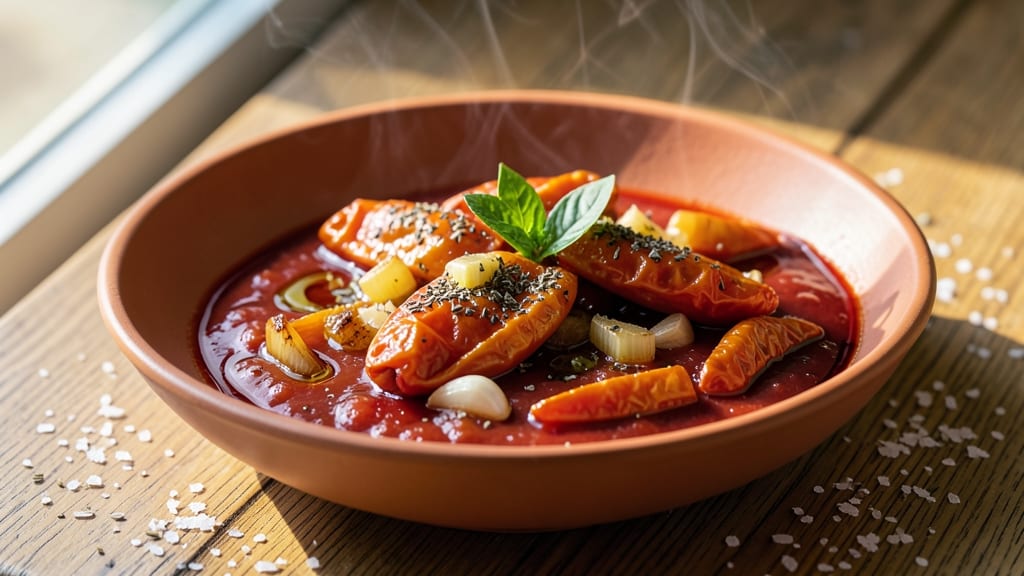
Transforming canned hot peppers in tomato sauce into a smoky-spiced one-pot wonder is the secret weapon for weeknight dinners that taste like they simmered all day.
This recipe builds on the bold flavors of that jarred staple—where the sweet-tangy tomato base meets fiery peppers—to create a rich, aromatic sauce perfect for tossing with pasta or braising tender meat.
I developed this after realizing how often I reached for store-bought jarred peppers but never quite knew how to elevate them beyond basic pasta dishes.
The beauty of this one-pot method lies in its simplicity: just 10 minutes of prep, then hands-off simmering while you handle other tasks. The sauce develops deep, caramelized notes as it reduces, with the peppers softening into the tomato base while retaining their signature heat.
Garlic, onion, and a touch of red wine vinegar brighten the flavors, ensuring every bite delivers that perfect balance of sweet, smoky, and spicy. It’s the kind of sauce that transforms simple ingredients into something restaurant-worthy.
What you’ll end up with is a luxuriously thick, velvety sauce that clings to pasta like a dream or tenderizes meat into melt-in-your-mouth perfection. The aroma alone—warm spices mingling with tomato and pepper—will have everyone at the table asking for seconds.
This isn’t just a sauce; it’s the foundation for a complete meal that feels indulgent yet requires minimal effort. Ready to turn that jar into something extraordinary?
Pair it with al dente spaghetti, grilled chicken, or even as a stuffing for bell peppers—this versatile sauce adapts to whatever you’re craving. The best part? Leftovers taste even better the next day as the flavors deepen. Let’s get cooking!
Ingredients for canned hot peppers in tomato sauce
Simple pantry staples transform into a smoky-spiced one-pot masterpiece—no fancy shopping needed.
| Ingredient | Amount | Notes |
|---|---|---|
| Canned Hot Peppers in Tomato Sauce 🍅 | 1 jar | Look for 15-20 oz size |
| Yellow Onion 🧅 | 1 whole | Medium size, diced small |
| Garlic Cloves 🧄 | 4 cloves | Fresh, minced fine |
| Extra-Virgin Olive Oil 🫒 | ½ cup | For richness and flavor |
| Red Wine Vinegar 🍷 | 1 tbsp | Brightens the sauce |
| Dried Oregano 🌿 | 1 tsp | Crumbled between fingers |
| Ground Black Pepper 🌶️ | ½ tsp | Freshly cracked preferred |
| Salt 🧂 | 1 tsp | Kosher or sea salt |
| Chicken Thighs 🍗 | 1 ½ lb | Bone-in, skin-on preferred |
| Spaghetti 🍝 | 8 oz | Dry weight, al dente |
| Parmesan Cheese 🧀 | ½ cup | Freshly grated, for serving |
| Fresh Basil 🌿 | ¼ cup | Chopped, for garnish |
| Red Pepper Flakes 🔥 | ½ tsp | Adjust for heat preference |
The canned hot peppers in tomato sauce are the star—look for brands like Muir Glen or Rao's for the best quality. That jarred sauce already packs sweet-tangy tomato and fiery peppers, but the magic happens when you build on it. Costco or Trader Joe's usually carry these at great prices. The chicken thighs? Bone-in, skin-on is ideal—they stay juicy and add flavor to the sauce. If you can't find them, bone-in, skinless works too. For the olive oil, California Extra Virgin or Bertolli are solid choices—avoid the cheap stuff here. Fresh garlic and onion are non-negotiable; frozen just won't cut it.
No red wine vinegar? Apple cider vinegar or balsamic works in a pinch, though the flavor will be slightly different. Short on dried oregano? Fresh oregano or thyme at double the amount gives a brighter taste. The chicken thighs can be swapped for pork shoulder or beef chuck, but adjust cooking time accordingly. For a vegetarian version, skip the meat and add chickpeas or mushrooms instead. The spaghetti? De Cecco or Barilla are my go-tos—they cook evenly and have great texture. And if you're worried about the sauce being too thin, just simmer it uncovered for an extra 10 minutes.
This sauce gets better with time—day-old reheats like a dream. Store leftovers in an airtight container in the fridge for up to 5 days, or freeze for 3 months. I like to portion it into small jars so I can grab exactly what I need. The basil and Parmesan should be added fresh when serving, but the sauce itself keeps beautifully. Pro tip: if you're prepping ahead, freeze the sauce without the pasta—just toss the noodles in when you're ready to eat.
Why You'll Love This Recipe
- Pantry Magic: I swear by this recipe because it turns three things I always have—canned peppers, a jar of tomato sauce, and a half-used onion—into something that tastes like a restaurant dish. No fresh herbs? No problem. The vinegar and olive oil do the heavy lifting, and suddenly, you’ve got depth without effort.
- Garlic Bomb: That first sizzle of garlic in olive oil? Pure flavor payoff. The canned peppers bring the heat, but the garlic softens into a sweet, mellow base that makes every bite feel like a hug for your taste buds. I’ll be real: I’ve eaten this straight from the pan with a spoon.
- Game for Any Night: This is my go-to when I’m too tired to think but still need flavor. Toss it over pasta, stir it into scrambled eggs, or serve it as a dip with crusty bread. Even my picky teen asks for seconds when it’s on the table—honestly, that’s the real test.
- Leftovers That Don’t Suck: Most sauces turn sad after day two, but this one? It gets better. The vinegar cuts through the richness, and the peppers mellow into a smoky sweetness. I make a double batch on Sundays, freeze half, and still crave the other half a week later. Budget-friendly? Yes. Reliable? Absolutely.
Step-by-step instructions for smoky-spiced one-pot chicken pasta
This one-pot wonder brings bold flavors together in minutes—no fuss, no mess, just incredible results.
Sauté the Aromatics in Rich Olive Oil
Heat the 0.5 cup extra-virgin olive oil in a large Dutch oven or deep skillet over medium heat. Add the 1 whole yellow onion, diced small, and cook for 5-6 minutes until softened and translucent. You'll smell the sweetness developing—that's your cue to add the 4 cloves garlic cloves, minced fine. Cook for another 30 seconds until fragrant but not browned. This step builds the flavor foundation, so don't rush it.
I always like to add a pinch of salt here—just ¼ teaspoon—to help draw out moisture from the onion. This ensures you get that perfect caramelization without browning. If the onions start to stick, gently stir them and give the pan a moment to heat back up. The oil should be shimmering but not smoking.
Brown the Chicken and Build the Sauce Base
Push the onions and garlic to one side of the pan and add the 1.5 lb chicken thighs, skin-side down. Cook for 6-8 minutes until the skin is golden brown and crispy. This is where the magic happens—the crispy skin adds incredible texture and flavor. Once browned, flip the chicken and cook for another 4-5 minutes until the meat is no longer pink in the center.
Remove the chicken from the pan and set it aside on a plate. Pour in the 1 jar canned hot peppers in tomato sauce, scraping up any browned bits from the bottom with a wooden spoon. Add the 1 tbsp red wine vinegar, 1 tsp dried oregano, 0.5 tsp ground black pepper, and the remaining ¾ teaspoon salt. Stir well and bring the mixture to a gentle simmer over medium-low heat. Let it cook for 5 minutes to meld the flavors and thicken slightly.
Cook the Spaghetti Directly in the Sauce
Return the chicken to the pot and add the 8 oz spaghetti. Pour in 4 cups of water (just enough to cover the pasta and sauce) and bring everything to a rolling boil. Stir occasionally to prevent the pasta from sticking to the bottom. Cook for 12-14 minutes, stirring every few minutes, until the spaghetti is al dente and the sauce has thickened to a rich consistency.
Here's the thing—cooking the pasta directly in the sauce ensures it absorbs all that incredible flavor. You'll know it's ready when the pasta is tender but still has a slight bite, and the sauce has coated everything beautifully. If the sauce looks too thin, reduce the heat and let it simmer uncovered for another 2-3 minutes to thicken further. The pasta should be swimming in a luscious, smoky sauce.
Finish with Fresh Herbs and Crispy Toppings
Once the pasta is perfectly cooked, remove the pot from the heat. Stir in the 0.25 cup fresh basil, chopped, and 0.5 teaspoon red pepper flakes. Taste and adjust the seasoning if needed—you might want to add a pinch more salt or a splash of water to loosen the sauce to your desired consistency. The basil adds a bright, fresh contrast to the smoky, spicy flavors.
Serve the one-pot pasta immediately, garnished with 0.5 cup freshly grated parmesan cheese and an extra sprinkle of red pepper flakes if you love heat. The crispy chicken skin will be a highlight, and the sauce will cling beautifully to every strand of pasta. This dish is even better the next day when the flavors have had time to meld, but trust me, it won't last that long!
Pro Tips For Making Canned Hot Peppers In Tomato Sauce
- Sweat the Onion Slow: I used to rush this and end up with bitter, watery onions—don’t. Cut the yellow onion into even ¼-inch slices, then cook them in olive oil over medium-low heat for 8-10 minutes, stirring occasionally, until they’re translucent and just starting to caramelize. The longer they cook, the deeper the flavor, and it’s the base of this dish.
- Drain and Rinse Peppers: Canned hot peppers often come packed in brine or oil that can make the sauce greasy or overly salty. Drain them well, then rinse briefly under cold water to cut excess oil, but pat them dry—wet peppers will steam instead of crisp up when sautéing.
- Smash Garlic, Don’t Mince: After cooking the onions, add 4-5 smashed (not minced) garlic cloves—the skins protect them from burning, and the texture adds a pleasant bite. Let them cook for just 30 seconds until fragrant but still pale, or they’ll turn bitter. (Yes, even if you’re impatient like me.)
- Deglaze with Vinegar Last: After cooking the onions and garlic, remove the pan from heat, pour in 2 tablespoons red wine vinegar, and let it sit for 1 minute before scraping up the browned bits. This brightens the sauce without cooking off the acid—add the canned peppers and tomato sauce afterward to preserve their texture.
Dietary considerations for this recipe
Gluten-Free Adaptations
This recipe is naturally gluten-free as long as you use certified gluten-free pasta. I recommend Barilla Gluten-Free Spaghetti or De Cecco Gluten-Free—both cook beautifully and have a texture similar to regular pasta. The sauce itself is already gluten-free, so no additional substitutions are needed beyond the pasta.
Just be sure to check your canned hot peppers label to confirm no gluten-containing additives were used during processing. 🌾
Vegetarian Options
Swap out the chicken thighs for 15 oz of chickpeas (drained and rinsed) or 8 oz of sliced mushrooms for a hearty vegetarian version. The mushrooms add a meaty texture, while chickpeas bring extra protein.
I like to add 1 tsp smoked paprika to the sauce when using mushrooms for deeper flavor. For extra richness, stir in 2 tbsp nutritional yeast at the end for a cheesy note without dairy. 🌱
Low-Carb/Keto
Transform this into a keto-friendly dish by replacing spaghetti with 8 oz of shirataki noodles (rinsed thoroughly) or zucchini noodles. The canned hot peppers sauce remains the star, so you're not sacrificing flavor.
For extra satisfaction, add ½ cup of cauliflower rice to bulk up the dish while keeping it low-carb. The chicken thighs provide plenty of protein, and the sauce's richness keeps this meal satisfying. 🥦
Spice Sensitivity
If the heat level is too intense, reduce the red pepper flakes to ¼ teaspoon or omit them entirely. For a milder version, use canned roasted red peppers in tomato sauce instead of hot peppers—the flavor is still rich but without the fire.
You can also add 1 tbsp honey or 1 tsp sugar to balance the acidity and heat in the sauce. The sweetness helps tame the spice while enhancing the tomato flavor. 🌶️
Allergy-Friendly
For nut allergies, ensure your olive oil is refined (not infused with nuts) and check all spice blends for cross-contamination warnings. Dairy-free? Skip the Parmesan and use nutritional yeast or dairy-free Parmesan instead.
The sauce itself is naturally nut-free and dairy-free, making it safe for many common allergies. Always double-check labels on canned goods, especially if you have severe allergies. 🚫
Protein Swaps
Need a different protein? Try 1 lb of Italian sausage (remove casing) for a meatier option, or 15 oz of white beans for a vegetarian alternative. If using sausage, brown it first with the onions for maximum flavor.
For seafood lovers, add 12 oz of shrimp in the last 5 minutes of cooking—just don't overcook them. The sauce's acidity pairs beautifully with shrimp, creating a bright, flavorful dish. 🦐
Nutrition facts
Frequently asked questions
Can I use this sauce for dishes other than pasta?
This rich, spicy tomato-pepper sauce works beautifully with grilled chicken, stuffed bell peppers, or even as a pizza sauce base. Just reduce the sauce slightly to thicken it before using. For stuffed peppers, use it as the filling along with cooked rice or quinoa. The sauce's depth of flavor makes it incredibly versatile beyond just noodles.
How do I adjust the heat level if it's too spicy?
Start by reducing the red pepper flakes to ¼ teaspoon or omit them entirely. For a milder version, swap the hot peppers for canned roasted red peppers in tomato sauce—it keeps the sweet-tangy tomato flavor without the heat. Adding 1 tablespoon honey or 1 teaspoon sugar at the end also balances the acidity and tames the spice.
Can I make this sauce ahead of time?
Yes! This sauce tastes even better the next day as the flavors deepen. Store leftovers in an airtight container in the fridge for up to 5 days, or freeze for 3 months. Reheat gently on the stove, adding a splash of water if it thickens too much. I like to portion it into small jars for easy grab-and-go meals.
What if I don't have red wine vinegar?
No problem! Use apple cider vinegar or balsamic vinegar as a substitute—they’ll add a slightly different but still delicious tang. If you’re out of vinegar entirely, skip it or use 1 teaspoon lemon juice for brightness. The sauce will still be flavorful, though the acidity will be subtly different.
How can I make this vegetarian?
Swap the chicken thighs for 15 oz of chickpeas (drained and rinsed) or 8 oz of sliced mushrooms for a hearty texture. Add 1 teaspoon smoked paprika to the sauce when using mushrooms for deeper flavor. For extra richness, stir in 2 tablespoons nutritional yeast at the end for a cheesy note. The sauce remains the star!