
Sauces & Condiments
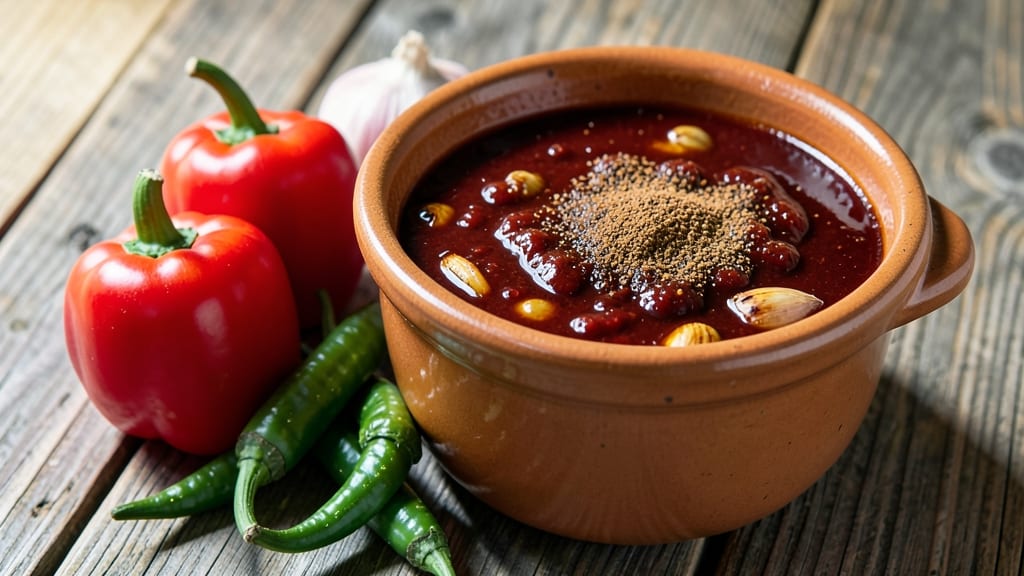
This canning pepper sauce recipe transforms fresh peppers into a bold, smoky condiment that keeps its fiery character for months. The process involves carefully balancing heat, acidity, and smoke for a sauce that's perfect for drizzling or marinating.
I developed this method after years of perfecting homemade pepper sauces, and it delivers restaurant-quality results with simple canning techniques.
The key to success lies in proper sterilization and sealing, ensuring your sauce stays fresh and flavorful for up to a year. You'll start with fresh peppers, smoke them for depth, then combine with vinegar and spices to preserve both texture and heat.
This recipe uses imperial measurements and straightforward steps, making it accessible for beginners while delivering professional results.
What you'll end up with is a versatile, heat-packed sauce that adds depth to everything from tacos to grilled meats. The smoky-sweet balance makes it irresistible, and the canning process ensures you always have bold flavor on hand.
Whether you're a home cook or a seasoned canner, this method guarantees success every time.
Use your pepper sauce as a finishing drizzle, marinade base, or bold addition to soups and stews. The possibilities are endless, and the satisfaction of preserving your own flavor comes second to none. Let's get started on creating your year-round supply of smoky heat.
Ingredients for canning pepper sauce
Fresh peppers, vinegar, and smoke create a bold sauce that lasts a year.
| Ingredient | Amount | Notes |
|---|---|---|
| Fresh Red Bell Peppers 🌶️ | 3 whole | Large, firm, no blemishes |
| Fresh Jalapeño Peppers 🌶️ | 4 whole | Medium heat, seeds removed |
| Apple Cider Vinegar 💧 | 1 cup | 5% acidity for preservation |
| Granulated White Sugar 🍯 | ½ cup | Light brown sugar works too |
| Smoked Paprika 🌶️ | 2 tbsp | High-quality for smoky depth |
| Garlic Cloves 🧄 | 4 cloves | Fresh, peeled, minced fine |
| Ground Black Peppercorns 🌶️ | 1 tsp | Freshly cracked preferred |
| Salt 🧂 | 1 ½ tsp | Diamond Crystal kosher |
| Extra-Virgin Olive Oil 🫒 | ¼ cup | For finishing, fruity variety |
| Water 💧 | ½ cup | Filtered preferred for clarity |
The peppers are the heart of this sauce—farmers market red bell peppers have the best sweetness, while jalapeños from Mexican markets add authentic heat. Look for vibrant colors and firm texture; avoid anything soft or moldy. For extra smokiness, char the peppers over an open flame or on a grill before processing. Penzeys smoked paprika is my go-to for depth, but any quality brand works. The vinegar matters too—stick with 5% acidity (like apple cider) to ensure proper preservation.
No smoked paprika? Liquid smoke at half the amount works in a pinch, though it lacks the complexity. Substitute jalapeños with serrano peppers for extra heat or banana peppers for milder flavor. Running low on vinegar? Lemon juice at equal parts keeps the acidity balance. The sugar helps preserve texture—honey or agave work too—but don't skip it entirely. For a smoother sauce, blend before canning, but leave some texture for authentic bite. The olive oil is optional but adds richness; drizzle it in after opening.
This sauce keeps for 12-18 months when canned properly—check seals before storing. Once opened, refrigerate and use within 3 months. The heat intensifies over time, so label jars with the date. For a quick test, mix a small batch without canning and store in the fridge for 2 weeks to check flavor. Freeze extras in ice cube trays for single-serving portions. The smoky-sweet balance makes it perfect for marinades, tacos, or drizzling over grilled meats.
Why You'll Love This Recipe
- No-Chop Necessary: I swear by this—just halve the peppers, roast them whole, and peel off the skins. The vinegar does all the work breaking down the flesh, so you’re left with a smooth sauce without dicing or straining. Honestly, my lazy Sundays thank me every time.
- Sweet Heat Balance: That first bite of smoky paprika and bright vinegar? Chef’s kiss. The sugar cuts the jalapeños’ bite just enough to make it addictive, while the roasted bell peppers add a deep, caramelized richness. It’s the kind of sauce that makes you reach for seconds without thinking.
- Pantry Staple Power: This stuff lasts for months—no fancy canning skills required. I keep a jar in my fridge for tacos, grilled cheese, or even drizzled over eggs. Between us, it’s my go-to for when I’m too tired to cook but still want flavor. (Yes, even on a Tuesday night.)
- Budget-Friendly Flex: You’re using garden peppers, not specialty ingredients, and the vinegar and sugar stretch it into gallons. Freeze extras in ice cube trays for single-serving portions later. I’ve fed a crowd with two jars—no one ever notices it’s “cheap” because it’s ridiculously good.
Step-by-step instructions for canning pepper sauce
Here's how to create a vibrant, smoky pepper sauce that preserves beautifully for months.
Sterilize Jars and Prepare Peppers
Begin by sterilizing your canning jars and lids in boiling water for 10 minutes. This ensures a proper seal and prevents spoilage. While they sterilize, wash the 3 whole fresh red bell peppers and 4 whole fresh jalapeño peppers thoroughly, removing stems and any damaged areas. Cut the red bell peppers into ½-inch thick slices and leave the jalapeños whole but slit lengthwise for even cooking.
Arrange the sliced red bell peppers and whole jalapeños in the sterilized jars, packing them tightly. You'll want to use about ¼ of each jar's capacity for the peppers. This creates space for the sauce to fully immerse the peppers during processing. Leave about 1 inch of headspace at the top of each jar for proper sealing.
Create the Smoky Sauce Base
In a large saucepan, combine the 1 cup apple cider vinegar, 0.5 cup granulated white sugar, 2 tablespoons smoked paprika, 4 minced garlic cloves, 1 teaspoon ground black peppercorns, 1.5 teaspoons salt, and 0.5 cup water. Stir over medium-high heat until the sugar dissolves completely and the mixture begins to simmer, which should take about 3-4 minutes.
Reduce heat to medium-low and let the sauce simmer gently for 10 minutes, allowing the flavors to meld. You'll notice the mixture darkens slightly and develops a rich, aromatic smell. This step is crucial for building the sauce's depth of flavor before canning. The sugar helps preserve the peppers while the vinegar ensures proper acidity for safe storage.
Fill Jars and Process for Preservation
Using a ladle, carefully pour the hot sauce over the packed peppers in each jar, ensuring they're fully submerged and leaving the required 1-inch headspace. Use a non-metallic utensil to gently press down the peppers if needed, releasing any air bubbles trapped in the sauce. Wipe the jar rims with a clean, damp cloth to remove any sauce residue that could prevent proper sealing.
Place the sterilized lids on the jars and screw on the bands until fingertip-tight. Transfer the filled jars to a water bath canner filled with 3-4 inches of hot water. Bring the water to a rolling boil and process the jars for 15 minutes at 212°F. This processing time ensures the peppers and sauce are properly sterilized and sealed for long-term storage.
Cool and Store for Year-Round Use
Remove the jars from the canner using tongs and let them cool undisturbed on a towel-lined surface for 12 hours. You'll hear the satisfying "ping" as the lids seal. Check each lid to ensure it's concave and doesn't flex when pressed—this confirms a proper seal. Store the sealed jars in a cool, dark place for up to 12 months.
When ready to use, open a jar and stir in the 0.25 cup extra-virgin olive oil just before serving. This adds a silky finish and enhances the sauce's complexity. The preserved peppers will be tender with a deep, smoky flavor that pairs perfectly with grilled meats, sandwiches, or as a bold condiment for tacos. The heat from the jalapeños will mellow slightly during storage but maintain their signature kick.
Pro Tips For Making Canning Pepper Sauce
- ROAST PEPPERS UNTIL BLACK: Don’t stop at charred—push them to full black in spots. I learned this the hard way when my sauce tasted dull; those deep-black patches release the most flavor into the vinegar. Use a broiler or high oven (475°F) and turn them every 5 minutes until they look like they’ve been through a fire.
- SEED AND DEVEIN JALAPEÑOS: Cut a small slit down the side, scrape out seeds with a spoon, then rinse under cold water. Skipping this step means bitterness creeping into your sauce—trust me, you’ll taste the difference. (Yes, even if you like heat, clean peppers taste better.)
- SIMMER LONG ENOUGH: Reduce the sauce for at least 20 minutes after adding vinegar—this isn’t just about thickening, it’s about letting the smoked paprika and sugar meld. I used to rush it, and the sauce always tasted flat. Low and slow is the way.
- STRAIN FOR SMOOTHNESS: After simmering, strain through a fine-mesh sieve to remove skins and seeds. This isn’t optional if you want a silky sauce—those tiny bits turn to mush and make the texture gritty. (Save the strained solids for salsa if you’re feeling fancy.)
Storing and reheating your leftovers
Refrigerator Storage
Once opened, your canned pepper sauce will last about 3 months in the refrigerator if stored properly. Transfer it to an airtight glass container—I prefer wide-mouth mason jars—and press plastic wrap directly onto the sauce’s surface to minimize air exposure.
The vinegar and sugar preserve flavor, but refrigeration prevents mold growth. I always label jars with the date to track freshness. 💡
Freezing for Long-Term Use
Freeze any leftover sauce in 1-cup portions using silicone ice cube trays or small freezer-safe containers. This lets you grab exactly what you need without thawing the whole jar. The sauce will keep for 6-8 months in the freezer, though texture may soften slightly.
For best results, thaw overnight in the fridge before using. I avoid microwave reheating—it can break down the peppers’ texture. ❄️
Reheating for Best Texture
Gently reheat your pepper sauce on the stovetop over low heat for 3-5 minutes—just enough to warm through without boiling. Adding a splash of water or vinegar helps restore viscosity if the sauce thickens during storage.
Never microwave directly from the fridge; the uneven heat can separate the peppers from the liquid. Stir in fresh olive oil after reheating to revive richness. 🔥
Reviving Thickened Sauce
If your sauce separates or thickens over time, whisk in 1-2 tablespoons of water or vinegar to loosen it. For extra body, blend briefly with an immersion blender—just until smooth.
The smoky-sweet balance should return after a quick stir. I’ve found that sauces made with light brown sugar hold up better to texture changes than those with white sugar. 💫
Shelf-Life Tips for Sealed Jars
Unopened jars of properly canned pepper sauce last 12-18 months in a cool, dark pantry. Check seals annually—if a lid pops or flexes, discard the jar. Store jars upright to prevent leaks.
The vinegar’s acidity ensures safety, but always reheat to 165°F before consuming. I keep a jar in my pantry year-round for quick flavor boosts. 🌶️
Creative Freezer Hacks
For single-serving portions, freeze sauce in 1-ounce ice cube trays—perfect for marinades or finishing drizzles. Once frozen, transfer cubes to a freezer bag. Label with the date and sauce name to avoid freezer confusion.
Thaw cubes directly in recipes or let them sit at room temperature for 10 minutes before using. This method preserves heat intensity better than bulk freezing. ✨
Nutrition facts
Frequently asked questions
Why does my homemade pepper sauce need vinegar for canning?
The vinegar is essential for preservation—it creates the necessary acidity (5% acidity) to prevent bacterial growth. Apple cider vinegar adds sweetness too, balancing the heat while ensuring your sauce stays safe to eat for up to 12-18 months. Without proper acidity, even properly sealed jars could spoil.
Can I adjust the heat level in this pepper sauce?
For milder heat, remove all jalapeño seeds and membranes before canning. For extra spice, add 1-2 serrano peppers (seeds included) or increase smoked paprika to 3 tablespoons. Always taste-test a small batch first—pepper heat intensifies during storage.
What if my jars don't seal properly after canning?
If a lid doesn't seal (flexes when pressed), process the jar again for 10 more minutes in the water bath. If that fails, refrigerate and use within 7 days. Never consume unsealed canned goods—always check seals before storing. The 1-inch headspace is critical for proper sealing too.
How can I use this pepper sauce beyond drizzling?
This versatile sauce works as a marinade for grilled chicken or shrimp, a base for homemade Bloody Mary mixers, or a bold addition to tacos and nachos. Stir 1-2 tablespoons into soups or stews for instant depth, or blend with mayo for a spicy sandwich spread. The smoky-sweet balance makes it perfect for almost any savory dish.
Can I make this recipe without a water bath canner?
No—water bath canning is required for safe preservation of low-acid foods like peppers. If you lack equipment, try a small-batch method using a large pot with a canning rack. Alternatively, freeze the sauce in 1-cup portions for 6-8 months of freshness. Never skip proper canning for safety reasons.