
Sauces & Condiments
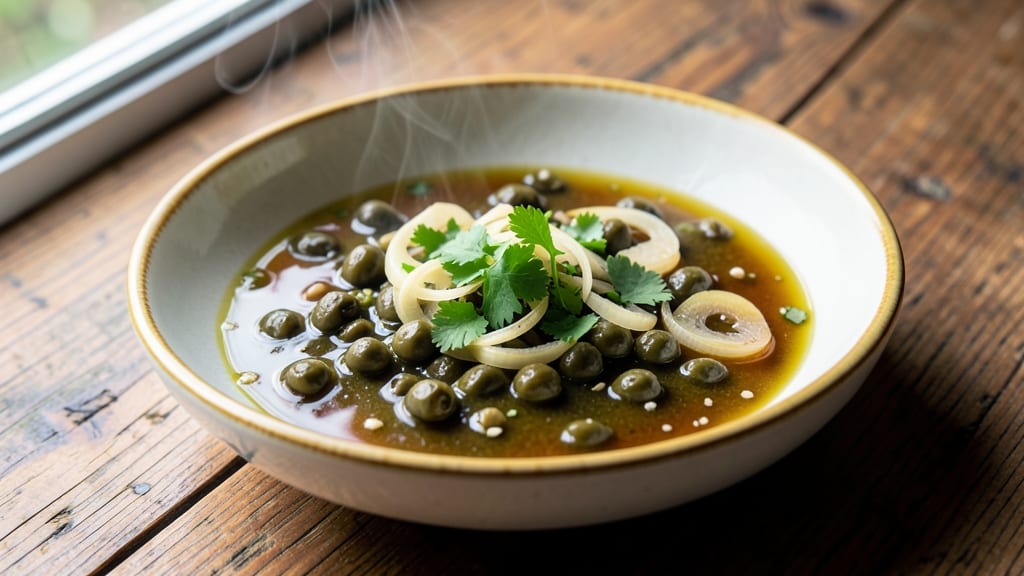
This caper sauce recipe transforms simple ingredients into a bold, briny condiment that adds instant depth to grilled fish, roasted chicken, or crusty bread. The secret lies in balancing capers' sharp tang with garlic, shallots, and a touch of sweetness—creating a sauce that's both complex and effortless to make.
I developed this version after realizing how often I reached for store-bought caper sauces that lacked freshness and depth.
The beauty of this sauce is its versatility—it works as a marinade, dipping sauce, or finishing touch for proteins. With just 10 minutes of active prep and 30 minutes of simmering, you'll have a vibrant sauce that keeps well for up to a week in the fridge.
The key is reducing the sauce slowly to concentrate flavors while maintaining that signature briny brightness.
What you'll end up with is a rich, glossy sauce with tiny capers embedded throughout, offering bursts of salty tang in every bite. The aromatic garlic and parsley add layers of freshness, while the vinegar and oil create a silky texture that clings perfectly to grilled meats or pasta.
This isn't just a condiment—it's a flavor enhancer that elevates simple dishes to restaurant-quality.
Use it to drizzle over grilled swordfish, toss with linguine, or serve alongside charcuterie boards. The possibilities are endless, and once you try homemade, store-bought versions won't compare. Let's make this sauce—your taste buds will thank you.
Ingredients for caper sauce
Ten simple ingredients transform into a restaurant-worthy sauce that adds briny depth to any dish.
| Ingredient | Amount | Notes |
|---|---|---|
| Nonpareil Capers 🫒 | ½ cup | Rinsed to remove excess salt |
| Shallots 🧅 | 3 whole | Minced, not sliced |
| Garlic Cloves 🧄 | 4 cloves | Thinly sliced, not minced |
| Extra-Virgin Olive Oil 🫒 | ¾ cup | Light fruity variety preferred |
| White Wine Vinegar 🍷 | ⅓ cup | Dry, not balsamic |
| Fresh Flat-Leaf Parsley 🌿 | ¼ cup | Stems removed, finely chopped |
| Dijon Mustard 🌶️ | 1 tbsp | Mild or medium heat |
| Granulated Sugar 🍚 | 1 tsp | Balances acidity |
| Salt 🧂 | ½ tsp | Diamond Crystal preferred |
| Black Peppercorns 🌶️ | ¼ tsp | Freshly cracked, not ground |
Capers are the star here, so nonpareil (small, tender ones) make all the difference. Whole Foods or specialty Italian markets carry the best quality—look for capers packed in brine, not vinegar. Rinse them well before using to cut the saltiness. Shallots add subtle sweetness, but if you're in a rush, 3 tbsp minced red onion works in a pinch. The olive oil should be light and fruity—California Early Harvest brands shine here. Fresh parsley is non-negotiable for that bright finish, but if you must use dried, reduce to 1 tsp and add it at the end.
No white wine vinegar? Apple cider vinegar or lemon juice work, but add a pinch more sugar to balance. Short on capers? Green olives or anchovies add depth, though the flavor shifts. Mustard too strong? Swap for 1 tsp honey instead. The sugar is crucial—it rounds out the sharpness. If you're making this ahead, reduce the sugar slightly since flavors mellow over time. For extra richness, stir in 1 tbsp crème fraîche at the end, but keep it optional.
This sauce keeps beautifully in the fridge for up to 1 week—the flavors actually improve as it sits. For longer storage, freeze portions in ice cube trays for 3 months. Thicken with a cornstarch slurry if needed, but it's best served glossy and fluid. Drizzle over grilled swordfish, toss with orzo, or spoon alongside roasted chicken. The key is letting it come to room temperature before serving—that's when the flavors truly sing.
Why You'll Love This Recipe
- Five-Ingredient Magic: I swear by this—just capers, shallots, garlic, olive oil, and a splash of vinegar. No fancy gadgets, no last-minute grocery runs. Honestly, I keep the ingredients in my pantry so I can toss this together when I forget dinner.
- Bright, Tangy Kick: That first bite? The capers pop with briny sharpness while the olive oil smooths it out—like a Mediterranean vacation in your mouth. The vinegar adds a zing that makes even plain toast feel special.
- Weeknight & Holiday: Slather it on grilled fish for a fancy-feeling meal in 10 minutes. Or drizzle it over roasted potatoes when you’re hosting and want zero stress. Between us, it’s my go-to for both lazy Tuesdays and dinner parties.
- Lasts All Week: Make a big batch—it keeps for days in the fridge without losing flavor. I use it on eggs, pasta, or even as a salad dressing. Not the prettiest, but the taste makes up for it every time.
Step-by-step instructions for caper sauce recipe
Here's how to craft this vibrant, briny sauce that transforms simple proteins into something extraordinary.
Prepare the Base Ingredients
Begin by rinsing the 0.5 cup nonpareil capers under cold water to remove any excess salt, then drain thoroughly in a fine-mesh strainer. This step is crucial—salty capers will throw off the delicate balance of flavors in your sauce. While they drain, finely mince the 3 whole shallots using a sharp chef's knife, working in small batches for even texture. The shallots should resemble a fine confit, not coarse dice.
Next, thinly slice the 4 cloves garlic cloves against the grain to create delicate ribbons rather than mincing them into oblivion. This technique preserves their structure and prevents them from turning bitter during cooking. Keep all prepared ingredients within reach—this sauce comes together quickly once you're ready to cook.
Sauté Aromatics in Olive Oil
Heat the 0.75 cup extra-virgin olive oil in a medium saucepan over medium-low heat. You want the oil to shimmer gently—if it smokes, you've gone too high. Add the minced shallots and cook for 5-6 minutes until they soften and become translucent, releasing their sweet, oniony aroma. This slow cooking prevents them from burning and ensures they contribute their full flavor.
Add the garlic ribbons and cook for another 1-2 minutes until they turn a pale golden color and smell irresistibly fragrant. Here's where it gets critical: remove the pan from heat immediately after the garlic turns golden. Garlic burns faster than you think, and once it turns bitter, there's no going back. Let the aromatics cool for 1 minute before proceeding.
Build the Sauce Foundation
Return the pan to medium heat and whisk in the 0.33 cup white wine vinegar and 1 tbsp Dijon mustard. The mixture will bubble gently as the vinegar reduces slightly. Add the drained capers and 1 tsp granulated sugar, stirring constantly for 3-4 minutes until the sugar dissolves completely. The sugar here serves a dual purpose—it balances the acidity of the vinegar while enhancing the capers' natural sweetness.
Taste the mixture now. You should detect a bright, tangy profile with a hint of saltiness from the capers. If it needs more acidity, add a splash of additional vinegar. If it's too sharp, a pinch of sugar will help. This is where you fine-tune the flavor before committing to the final steps.
Finish and Emulsify
Reduce the heat to low and stir in the 0.5 tsp salt and 0.25 tsp freshly cracked black peppercorns. The peppercorns should be cracked, not ground—this adds a subtle textural contrast to the smooth sauce. Add the 0.25 cup finely chopped fresh flat-leaf parsley and stir for 1 minute to wilt the herbs slightly and release their vibrant green color.
For the final touch, carefully drizzle in the remaining 0.25 cup extra-virgin olive oil while whisking vigorously. This step creates an emulsified sauce with a luxurious, velvety texture. The sauce should coat the back of a spoon smoothly, with no separation. If it breaks, simply whisk in another teaspoon of vinegar or a splash of water to stabilize it.
Rest and Serve
Transfer the sauce to a clean bowl and let it rest at room temperature for 10-15 minutes. This resting period allows the flavors to meld completely and the sauce to reach its ideal consistency. The color will deepen slightly, becoming a rich, jewel-toned green with briny highlights from the capers.
This caper sauce keeps beautifully in the refrigerator for up to 5 days, making it perfect for meal prep. Serve it over grilled fish, drizzled over seared scallops, or spooned alongside roasted chicken. The bright, briny tang cuts through rich proteins, adding a sophisticated touch that elevates any dish.
Pro Tips For Making Caper Sauce
- Sweat Shallots Slow: I learned this the hard way—rushing shallots in olive oil turns them bitter. Use low heat and let them cook for 8-10 minutes until they’re translucent and just starting to caramelize. The extra time prevents that vinegary sharpness that ruins the balance.
- Rinse Capers First: Nonpareil capers come packed in brine, and if you skip rinsing, your sauce will taste like a swimming pool. Drain them in a fine-mesh strainer, then give them a quick rinse under cold water. Pat them very dry afterward—wet capers dilute the sauce and make it watery.
- Minimize Vinegar Splatter: Adding white wine vinegar too early turns your sauce into a sad, diluted mess. Wait until the shallots and garlic are fully cooked, then lower the heat before pouring in the vinegar. If it bubbles violently, you’ve already lost control—start over.
- Toast Garlic Lightly: I was skeptical until I tried it: cook the garlic cloves whole in the olive oil with the shallots, then smash them flat with the back of a spoon when they’re just golden. This adds depth without burning, and the crushed texture gives the sauce a subtle richness that raw garlic can’t match.
Serving suggestions for this recipe
Grilled Fish Pairing
This sauce is a game-changer for grilled fish like swordfish, sea bass, or halibut. The briny tang cuts through the richness of the meat beautifully. I like to brush the sauce onto the fish in the last 2-3 minutes of grilling so it caramelizes slightly.
For extra drama, drizzle it over the finished fish and garnish with fresh parsley. The contrast of warm fish and cool sauce is pure magic. 🌊
Pasta Elevation
Toss ½ cup caper sauce with cooked linguine, adding 2 tbsp pasta water to emulsify. The sauce clings perfectly to the strands, creating a restaurant-worthy dish. For a Mediterranean twist, stir in ¼ cup chopped Kalamata olives and 1 tbsp lemon zest at the end.
Serve with a sprinkle of grated Pecorino Romano for a salty finish.
Charcuterie Board Star
Use this sauce as a dipping sauce for crusty bread, prosciutto, or marinated artichokes. I like to serve it in a small bowl alongside aged Manchego cheese and roasted red peppers.
The briny sauce balances the richness of cured meats beautifully. For an elegant touch, chill the sauce before serving to intensify its flavors.
Roasted Chicken
Spoon the sauce over roasted chicken thighs or breasts during the last 10 minutes of cooking. The heat reduces the sauce slightly, creating a glossy finish. For extra depth, add 1 tsp smoked paprika to the sauce before serving. The combination of smoky and briny is irresistible. 🍗
Seafood Platter
Arrange seared scallops, shrimp, and mussels on a platter and drizzle with caper sauce. The acidity in the sauce prevents the seafood from tasting fishy. For a complete platter, add toasted baguette slices and a simple arugula salad. This sauce becomes the star of the show, tying all elements together.
Breakfast Twist
Yes, you read that right! Drizzle this sauce over poached eggs or scrambled eggs with smoked salmon. The briny flavor complements the richness of the eggs perfectly.
For a brunch spread, serve it alongside crispy pancakes or avocado toast. It's an unexpected but delightful way to start the day. 🍳
Nutrition facts
Frequently asked questions
Can I make this caper sauce without white wine vinegar?
Swap the white wine vinegar for apple cider vinegar or lemon juice, but add an extra ½ tsp sugar to balance the acidity. The flavor will shift slightly—apple cider adds a subtle sweetness while lemon brings a brighter citrus note. Both work wonderfully with grilled seafood or roasted chicken.
How do I fix caper sauce that's too thick or separated?
If your sauce is too thick, whisk in 1-2 tbsp warm water or pasta water to loosen it. For separation, stir in 1 tsp Dijon mustard or whisk vigorously with another ½ tsp vinegar to re-emulsify. The key is patience—let it sit for 5 minutes after adjustments to stabilize. A splash of olive oil can also help restore that silky texture.
Can I use jarred capers instead of fresh?
Jarred capers work perfectly, but always rinse them thoroughly to remove excess salt and brine. Look for nonpareil capers (small, tender ones) packed in salt or brine—they'll give you the best texture. Drain well before adding to the sauce, and reduce the added salt by ¼ tsp since jarred capers already contain some.
What's the best way to store leftover caper sauce?
Store in an airtight container in the fridge for up to 5-7 days. For longer storage, freeze in ice cube trays or small jars for 3 months. Thaw overnight in the fridge—never at room temperature. The sauce actually tastes better after 24 hours as flavors meld, making it perfect for meal prep.
Why does my caper sauce taste too salty?
Over-salted capers are usually the culprit. Always rinse capers well before using, and taste as you go—adjust with sugar (to balance salt) or a splash of vinegar (to brighten). If needed, thin with 1 tbsp water to dilute the saltiness. Remember: capers are already packed with flavor, so start conservative and build from there.