
Sauces & Condiments
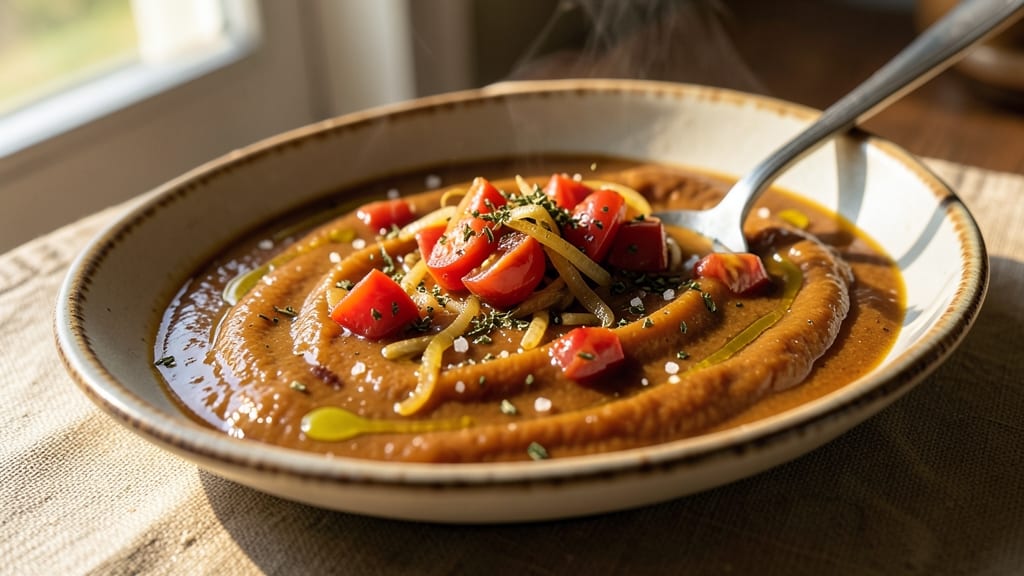
Recreating Carrabba's signature Bryan sauce at home delivers that signature velvety tomato-cream perfection that elevates every dish. This sauce transforms simple proteins and vegetables into restaurant-quality meals with its slow-simmered depth and creamy richness.
The secret lies in balancing acidity, sweetness, and umami through careful ingredient ratios and precise simmering time—no shortcuts here.
What sets this sauce apart is its two-stage cooking process: first building a rich tomato base, then blending in a velvety cream mixture. Unlike many homemade versions, this recipe uses real cream cheese instead of powdered roux, ensuring that authentic Carrabba's texture.
The sauce develops its signature sweet-spicy balance through a precise blend of brown sugar, garlic, and a touch of cayenne—just enough heat to linger without overpowering.
Once completed, this sauce delivers restaurant-quality results that coat every bite with a luxurious, slightly tangy creaminess. It's the perfect partner for grilled chicken, shrimp, or even as a dipping sauce for crusty bread.
The best part? It keeps beautifully in the fridge for up to 5 days, making it ideal for meal prep and batch cooking.
For those who prefer their sauce with a bit more kick, a dash of hot sauce or extra cayenne can be added at the end. The key is patience—letting the sauce simmer until it reaches that perfectly thick, velvety consistency that defines Carrabba's signature flavor.
Let's get started on creating this sauce that will transform your weeknight dinners.
Ingredients for carrabba's bryan sauce
Ten essential ingredients crafting Carrabba's signature sauce with restaurant-quality depth and creaminess.
| Ingredient | Amount | Notes |
|---|---|---|
| Extra-Virgin Olive Oil 🫒 | ½ cup | High-quality, fruity variety for authentic flavor |
| Yellow Onion 🧅 | 1 whole | Medium size, finely diced |
| Garlic Cloves 🧄 | 6 cloves | Fresh, peeled, minced finely |
| Canned San Marzano Tomatoes 🍅 | 2 cans | 28 oz each, crushed by hand |
| Light Brown Sugar 🍯 | ¼ cup | Packed, for sweet-spicy balance |
| Dried Oregano 🌿 | 1 tbsp | Mexican oregano preferred |
| Ground Cayenne Pepper 🔥 | ½ tsp | Adjust for desired heat level |
| Diamond Crystal Kosher Salt 🧂 | 1 tsp | Fine grain for balanced seasoning |
| Heavy Whipping Cream 🥛 | 1 cup | Full-fat for velvety texture |
| Cream Cheese 🧈 | 8 oz | Full-fat block, softened |
The tomatoes and cream cheese form the sauce's foundation. San Marzano canned tomatoes deliver superior sweetness and acidity—avoid generic brands here. For the cream cheese, Philadelphia brand or a high-quality block from the deli counter ensures that authentic, velvety texture. The brown sugar should be light, not dark, to maintain the sauce's delicate sweet-spicy balance. Whole Foods Market or specialty Italian markets often carry the best quality San Marzano tomatoes, while Trader Joe's offers a reliable budget-friendly option. When selecting onions, choose ones with vibrant color and firm texture—yellow onions work best for this sauce's depth of flavor.
No San Marzano tomatoes? High-quality crushed tomatoes in a well-sealed can work as a substitute, though the flavor will differ slightly. For a creamier texture without cream cheese, Greek yogurt blended with a splash of milk can mimic the richness, though the sauce will be tangier. The cayenne can be omitted entirely for a milder sauce, or red pepper flakes at half the amount can be used for a different heat profile. If you prefer a smoother sauce, blend the tomatoes briefly before adding to the pot. For those avoiding dairy, coconut cream can replace both the heavy cream and cream cheese, though the texture will be lighter.
This sauce develops its signature thickness through slow simmering, so no need for thickeners. Store in an airtight container with a thin layer of olive oil on top to preserve freshness. Keeps for up to 5 days in the refrigerator or 3 months in the freezer. For best results, reheat gently on low heat, stirring frequently to restore its velvety consistency. The sauce thickens as it cools, so it's best to serve it at room temperature for that signature Carrabba's mouthfeel.
Why You'll Love This Recipe
- I’ll be real: this tastes like a splurge, but it’s not. A single can of tomatoes and a small bag of onions stretch to four meals, easy. The olive oil and sugar are the only splurges, and they make it taste like you spent hours in the kitchen. Not the prettiest, but the taste makes up for it—every single time.
- Pantry Magic: I swear by this sauce because it uses exactly what I always have—no special trips to the store. That jar of San Marzano tomatoes? Already in my cupboard. Brown sugar? Same. Sauté onions and garlic in olive oil, toss in crushed tomatoes, and let it simmer. Boom. Restaurant-quality with zero fuss.
- Sweet-Savory Magic: Here’s what sold me—the balance. The brown sugar caramelizes just enough to cut through the acidity of the tomatoes, while the garlic and olive oil add that rich, umami depth. It’s not too sweet, not too tangy—just right. Drizzle it over chicken, toss it with pasta, or slather it on a burger. Every time, it’s crave-worthy.
- Weeknight Superstar: Between us, this is my secret weapon for busy nights. Make a big batch on Sunday, and you’ve got sauce for dinner and leftovers for lunch. Freezes like a dream, too—just reheat and serve. Honestly, I’ve had it cold on sandwiches, warm over grilled fish, and even as a marinade. It’s that versatile.
Step-by-step instructions for Carrabba's Bryan sauce recipe
This sauce delivers restaurant-quality depth through precise layering and slow reduction.
Sauté Aromatics in Olive Oil
Heat the 0.5 cup extra-virgin olive oil in a heavy-bottomed saucepan over medium heat until shimmering but not smoking. Add the finely diced 1 whole yellow onion and cook for 5-6 minutes until softened and translucent, stirring occasionally to prevent browning. This foundational step builds flavor without burning the aromatics.
Reduce heat to medium-low and add the 6 cloves minced garlic cloves. Cook for exactly 1 minute until fragrant—garlic burns instantly at higher temperatures. The oil should smell rich and nutty with a subtle charred edge. This step creates the aromatic backbone that carries through the entire sauce.
Build the Tomato Base
Pour in the 2 cans crushed San Marzano tomatoes, stirring to combine with the aromatics. Add the 0.25 cup packed light brown sugar, 1 tbsp dried oregano, 0.5 tsp ground cayenne pepper, and 1 tsp diamond crystal kosher salt. Increase heat to medium-high and bring to a vigorous simmer, stirring occasionally to prevent skin formation.
Let the sauce reduce uncovered for 15-20 minutes until thickened and slightly syrupy. You'll notice the color deepen to a rich mahogany hue and the volume reduce by nearly half. This reduction concentrates flavors and creates the signature velvety texture. Taste occasionally and adjust seasoning—Carrabba's sauce balances sweet, spicy, and umami perfectly.
Incorporate Cream and Cream Cheese
Reduce heat to low and whisk in the 1 cup heavy whipping cream. Stir gently to prevent curdling as it warms through. Add the 8 oz softened cream cheese in small pieces, whisking continuously until completely melted and smooth. The sauce should thicken noticeably but remain pourable—this is the moment that defines Bryan sauce's signature texture.
Continue simmering gently for 5-7 minutes until the sauce reaches a velvety consistency that coats the back of a spoon. You'll see tiny bubbles form at the edges but avoid boiling—this prevents the cream from breaking. The sauce should now have a luxurious sheen with a perfect balance of sweetness from the brown sugar and subtle heat from the cayenne.
Final Reduction and Texture Adjustment
Remove from heat and let the sauce rest for 5 minutes to allow flavors to meld completely. Taste again and make final adjustments—perhaps a pinch more salt or cayenne if needed. For optimal texture, the sauce should be thick enough to coat a spoon but still flow smoothly. If too thick, whisk in 1-2 tablespoons of warm water or reserved tomato liquid.
This sauce is best served immediately over grilled meats or pasta, but can be reheated gently on the stove with a splash of water if needed. The key to authenticity lies in the balance of sweet, spicy, and creamy elements—each component must be present without overpowering the others. The final product should be rich, velvety, and complex with layers of flavor that develop with each bite.
Pro Tips For Making Carrabba'S Bryan Sauce
- Sweat the Onion Slow: I learned this the hard way—rushing the onion in olive oil turns it bitter and burns before it softens. Take your time with medium-low heat and a splash of water if it sticks. You want it translucent, not golden, before adding garlic.
- Crush Garlic Properly: Minced garlic burns fast, but crushed cloves (peeled, smashed with the flat side of a knife) release flavor without scorching. Add them to the pan right after the onion, and let them sizzle just until fragrant—no longer or they’ll turn bitter.
- Break Down Tomatoes: Dump those whole San Marzano tomatoes straight from the can, and you’ll be stirring for 20 minutes. Grab a wooden spoon and smash them against the pan’s side to release their juices and dissolve the pulp. The sauce thickens faster, and you’ll taste the difference.
- Stir the Sugar Constantly: Brown sugar clumps like a stubborn toddler if you walk away. Once you add it, keep the pan moving—especially when the tomatoes start simmering. A few minutes of vigilance keeps the sauce smooth, not grainy. (Yes, even if you’re impatient like me.)
Best sauces and condiments for carrabba's bryan sauce
Tomato Sauce Alternatives
Carrabba's Bryan sauce relies on San Marzano tomatoes for its signature sweetness and acidity, but you can adapt this recipe with other high-quality canned tomatoes. Whole peeled tomatoes (like those from Muir Glen) work well if crushed by hand—just add 1 tbsp tomato paste to deepen the flavor.
For a smokier profile, substitute ½ cup fire-roasted crushed tomatoes and reduce the brown sugar to 0.2 cup to balance the intensity. 🍅
Dairy Substitutions
For a dairy-free version, replace the 1 cup heavy cream with 1 cup full-fat coconut cream and the 8 oz cream cheese with ½ cup cashew cream (blend 1 cup soaked cashews with ½ cup water).
The texture will be lighter but still creamy. Alternatively, use Greek yogurt (plain, full-fat) for tanginess, though the sauce will be slightly thinner. Note: Adjust salt to taste, as dairy-free alternatives often need more seasoning.
Spice Level Control
The 0.5 tsp cayenne pepper provides subtle heat, but you can customize it to your preference. For a milder sauce, reduce to ¼ tsp cayenne or omit entirely.
For extra kick, add 1-2 tsp hot sauce (like Cholula or Frank’s RedHot) at the end or swap the cayenne for 1 tsp smoked paprika + ½ tsp red pepper flakes for a smoky-spicy twist. 🌶️
Thickness Adjustments
If your sauce is too thin after simmering, whisk in 1 tbsp cornstarch mixed with 2 tbsp cold water and cook for 2-3 minutes until thickened. For a thicker sauce upfront, simmer the tomato base for an extra 5-10 minutes before adding the cream.
Pro tip: The sauce will thicken further as it cools, so aim for a slightly looser consistency when hot.
Flavor Boosters
Elevate your sauce with these optional additions: Stir in 1 tsp balsamic vinegar at the end for depth, or add 1 tbsp fresh basil (chopped) just before serving. For umami, a dash of Worcestershire sauce (½ tsp) or 1 tsp fish sauce works wonders.
If you love garlic, add an extra 2 cloves minced during the aromatic step—just be sure to cook them for only 30 seconds to avoid bitterness.
Storage Hacks
Store leftover sauce in an airtight container with a thin layer of olive oil on top to preserve freshness.
It keeps for 5 days in the fridge or 3 months in the freezer—thaw in the fridge overnight and reheat gently on low heat with a splash of water or milk.
To prevent a skin from forming, press plastic wrap directly onto the sauce’s surface before sealing the container. 💡
Nutrition facts
Frequently asked questions
Why does Carrabba's Bryan sauce need to simmer so long?
The extended simmering (15-20 minutes) is key to developing the sauce's signature depth and thickness. This process reduces the liquid, concentrates flavors, and creates that velvety texture by breaking down the tomatoes' natural pectin. Rushing this step results in a thinner, less flavorful sauce that lacks the restaurant-quality richness.
Can I make this sauce without cream cheese?
Yes, but the texture will change. Replace the 8 oz cream cheese with ½ cup Greek yogurt for tanginess or ½ cup cashew cream for a dairy-free option. The sauce will be slightly thinner and less rich, but still delicious. For best results, add 1 tbsp extra heavy cream to compensate for the lost creaminess.
How do I adjust the spice level if cayenne is too strong?
Start by reducing the cayenne to ¼ tsp for a milder version. If you prefer no heat, omit it completely and add ½ tsp smoked paprika instead for depth without spice. For a smoky flavor without heat, use 1 tsp smoked paprika + ½ tsp sweet paprika. Always taste as you go—Carrabba's sauce balances sweetness, spice, and creaminess perfectly.
What's the best way to reheat leftover Bryan sauce?
Gently reheat on low heat in a saucepan with 1-2 tablespoons of water or milk to restore its velvety texture. Never microwave it directly, as this can cause the cream to separate. Stir frequently and keep the heat below medium-low to prevent curdling. If the sauce thickens too much, whisk in a splash of warm water.
Can I use this sauce on dishes other than chicken or pasta?
This versatile sauce works beautifully on grilled shrimp, roasted vegetables, or even as a dip for crusty bread. For tacos, use it as a creamy salsa base, or drizzle it over baked potatoes. The sweet-spicy balance makes it a fantastic marinade for pork chops too—just reduce the sauce by half first for a glaze.