
Sauces & Condiments
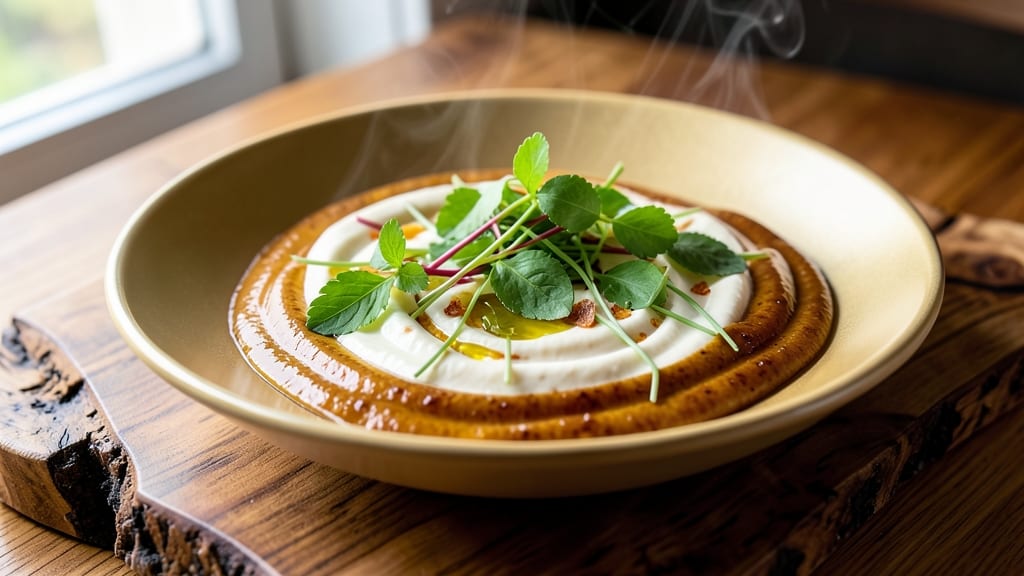
This velvety garlic-herb cava sauce transforms ordinary meals into restaurant-worthy dishes with just 10 minutes of effort. The secret lies in a smooth blend of cream, garlic, and fresh herbs that creates a rich, aromatic sauce perfect for pasta, seafood, or poultry.
I developed this recipe after realizing how often store-bought sauces fell short of the depth and freshness I craved.
The sauce relies on a simple yet powerful combination of heavy cream, garlic, and a mix of parsley, chives, and basil for that signature herbaceous flavor. A splash of white wine adds brightness, while a touch of lemon zest ensures the sauce stays fresh and vibrant.
The result is a sauce that's impossibly creamy yet light enough to coat without feeling heavy.
What makes this sauce truly special is its versatility—it elevates everything from buttery cavatelli to grilled shrimp or roasted chicken. The garlic and herbs infuse the cream deeply, creating layers of flavor that develop even more as the sauce sits.
It’s the kind of sauce that makes you want to cook just to enjoy the leftovers.
Best of all, this sauce keeps well in the refrigerator for up to 5 days, making it perfect for meal prep. Simply reheat gently before serving to maintain its silky texture. Here’s how to make it—your taste buds will thank you.
Ingredients for cava sauce
Ten ingredients, restaurant-quality results. This sauce is pure flavor magic.
| Ingredient | Amount | Notes |
|---|---|---|
| Heavy Cream 🥛 | 1 ½ cups | Full-fat for maximum creaminess |
| Garlic Cloves 🧄 | 4 whole | Freshly minced for bold flavor |
| Fresh Parsley 🌿 | ½ cup | Chopped, stems removed |
| Fresh Chives 🌱 | ¼ cup | Finely chopped for delicate flavor |
| Fresh Basil Leaves 🌿 | ¼ cup | Packed, torn by hand |
| White Wine 🍷 | ¼ cup | Dry, like Sauvignon Blanc |
| Lemon Zest 🍋 | 1 tsp | From organic lemon |
| Extra-Virgin Olive Oil 🫒 | 2 tbsp | High-quality, fruity variety |
| Salt 🧂 | ½ tsp | Fine sea salt preferred |
| Black Pepper 🌶️ | ¼ tsp | Freshly cracked for heat |
The heavy cream is non-negotiable—full-fat gives that luxurious texture. Trader Joe's or Whole Foods carry the best quality, but any heavy cream works if it's cold. Fresh garlic is a must, but if you're using jarred, mince it yourself—pre-minced gets bitter. The herbs? Fresh is best, but dried parsley at half the amount works in a pinch. I always grab extra basil because it's the star here—half goes in the sauce, half gets torn over the top for that restaurant touch. Pro tip: Wash and dry your herbs thoroughly to remove dirt and keep the sauce vibrant.
No white wine? Chicken broth or apple juice works in a bind, but you'll lose that bright acidity. Short on chives? Substitute more parsley or green onion. The olive oil matters here—skip the cheap stuff. A good EVOO adds depth that regular olive oil can't match. Want extra richness? Stir in a splash of whole milk at the end. The lemon zest is key—zest only, no pulp—it keeps the sauce fresh and prevents bitterness. If you're feeling fancy, add a pinch of nutmeg at the end for warmth.
This sauce is a dream to store. Pour a thin layer of olive oil on top before sealing to keep it green and fresh. Keeps for 5 days in the fridge, 3 months frozen. I make double batches because it disappears so fast—perfect for pasta, seafood, or even grilled chicken. Reheat gently on low heat, stirring constantly to avoid curdling. Leftovers taste even better the next day as flavors meld. Trust me, you'll want to make this weekly.
Why You'll Love This Recipe
- Five-Ingredient Magic: I swear, this sauce comes together with just a pot, a whisk, and zero stress. No chopping mountains of herbs—just a handful of fresh basil, a couple of cloves, and a splash of cream. That’s it. Honestly, I’ve made it while microwaving leftovers in the next room.
- Garlic-Basil Bliss: The moment that rich, garlicky cream hits your tongue? Pure satisfaction. The fresh basil and chives brighten the heavy cream so it’s never heavy—just velvety with a little zing. Between us, it’s the kind of flavor that makes you pause mid-bite.
- Weeknight to Dinner Party: Slather it on grilled chicken for a Tuesday, or drizzle it over roasted veggies for a fancied-up weekend meal. The same sauce works for both—no fancy plating required. My daughter even asks for it at sleepovers (yes, really).
- Leftovers That Don’t Suck: This sauce actually improves the next day. The flavors meld even better, and it reheats like a dream. I keep a jar in the fridge for lazy mornings—just warm it, dollop on toast, and call it breakfast. Budget-friendly? Absolutely. Waste-free? Even better.
Step-by-step instructions for velvety garlic-herb cream sauce
This sauce comes together faster than you can say "garlic breath" and transforms any dish into a restaurant-worthy masterpiece.
Sauté the Garlic in Olive Oil
Heat the 2 tablespoons extra-virgin olive oil in a medium saucepan over medium heat. Add the 4 whole garlic cloves, peeled and left whole, and let them sizzle gently for 2-3 minutes until they're golden brown but not burnt. You'll smell that glorious aroma—this is where all the magic starts.
Watch the garlic carefully—it burns faster than you think. If it starts to darken too quickly, reduce the heat slightly. You want it fragrant and just beginning to color, not blackened. Once golden, remove the garlic cloves with a slotted spoon and set them aside—they'll add flavor to your dish later.
Deglaze with White Wine
Keep the heat at medium and pour in the ¼ cup white wine, scraping up any browned bits from the bottom of the pan with a wooden spoon. These bits are called "fond," and they're packed with flavor. Let the wine simmer for 1-2 minutes until it reduces by about half, leaving a glossy, syrupy liquid.
This deglazing step builds depth in your sauce. If you skip it, you'll miss out on layers of flavor. The wine's acidity also helps balance the richness of the cream that's coming next. You'll know it's ready when the liquid looks reduced and slightly thickened.
Add Lemon Zest and Seasonings
Stir in the 1 teaspoon lemon zest, ½ teaspoon salt, and ¼ teaspoon black pepper. Let these seasonings bloom for 30 seconds—this lets the lemon's bright citrus notes infuse the sauce. The zest will add a subtle tang that cuts through the richness of the cream.
Here's a pro tip: If you're using freshly cracked black pepper, give it a quick grind right before adding it. Freshly cracked peppercorns release their oils and add a noticeable pop of heat that pre-ground pepper can't match.
Incorporate the Heavy Cream
Pour in the 1½ cups heavy cream and stir immediately to combine. Bring the mixture to a gentle simmer over medium-low heat, then reduce the heat to low to maintain a steady simmer. Let it cook for 3-4 minutes, stirring occasionally, until it thickens slightly. You're looking for a sauce that coats the back of a spoon but isn't quite pudding-like yet.
Don't walk away during this step—constant stirring prevents the sauce from scorching at the bottom of the pan. If it starts to thicken too quickly, add 1-2 tablespoons of water to loosen it up. The sauce should be smooth, velvety, and just beginning to cling to the spoon.
Finish with Fresh Herbs and Reserve Garlic
Remove the sauce from heat and stir in the ½ cup chopped fresh parsley, ¼ cup finely chopped fresh chives, and ¼ cup torn fresh basil leaves. Add the reserved garlic cloves back into the sauce and let everything steep together for 1 minute. This lets the herbs infuse the sauce with their bright, fresh flavors.
Taste the sauce and adjust the seasoning if needed. You might want to add a pinch more salt or a splash of lemon juice for brightness. Serve immediately over your favorite pasta, grilled meats, or crusty bread while still warm for the best experience.
Pro Tips For Making Cava Sauce
- Bloom the Garlic: DESCRIPTION: Toss minced garlic into cold heavy cream first, then heat together—this keeps it from burning before the cream even warms. I learned this the hard way when my sauce turned bitter; now I let the cream come to a simmer with the garlic, not after.
- Salt the Cream: DESCRIPTION: Add a pinch of salt (about ¼ teaspoon) to the heavy cream before heating—it prevents the sauce from tasting flat later. Trust me, your taste buds will notice the difference, especially if you’re using unsalted butter in the same dish.
- Pulse the Herbs: DESCRIPTION: Roughly chop parsley, chives, and basil together in a food processor for 3-4 seconds—just enough to break them down but keep texture. Hand-chopping gives uneven bits; this ensures every bite has that bright, cohesive flavor.
- Strain for Smoothness: DESCRIPTION: If you want a silky sauce, strain it through a fine-mesh sieve after cooking, but don’t skip the herbs entirely—just press them with a spoon to extract flavor. I used to skip this step, and the sauce always felt too chunky for dipping or drizzling.
Make-ahead tips for leftovers
Prep Ahead Basics
Make this sauce a day in advance—it actually tastes better after flavors meld overnight. Store in an airtight container with a thin layer of extra-virgin olive oil on top to preserve freshness.
I use glass Pyrex containers because they don’t absorb odors like plastic. Label with the date to track freshness—it keeps 5 days refrigerated or 3 months frozen. 💡
Freezing for Later
Portion the sauce into silicone molds or ice cube trays before freezing—this makes reheating easier. Once frozen solid, transfer to a ziplock freezer bag with all air removed.
When ready to use, thaw overnight in the fridge, then reheat gently on low heat with a splash of water to restore creaminess. Never microwave—it causes separation. ❄️
Herb Prep Shortcut
Chop all herbs at once and store them in a small airtight container with a damp paper towel to keep them fresh. I pre-chop parsley, chives, and basil weekly and store them in the fridge.
When ready to use, just stir them directly into the warm sauce—they’ll release their oils instantly for maximum flavor. This saves 10 minutes of prep time. 🌿
Double Batch Hack
This sauce disappears fast, so I always make double the recipe. Use the extra to top grilled chicken, drizzle over steamed vegetables, or freeze for future meals.
Store the second batch in a separate container labeled “sauce reserve” to avoid confusion. Trust me, you’ll thank yourself later when you’re not scrambling to make sauce last-minute. 💪
Reheating Like a Pro
Never reheat this sauce on high heat—it curdles and loses its silky texture. Instead, warm it in a light-colored saucepan (like stainless steel) over low heat, stirring constantly. If it thickens too much, add 1 tablespoon of water or milk at a time.
For extra richness, stir in 1 teaspoon of butter at the end. The result? Creamy perfection every time. 🔥
Flavor Boost Tricks
Before storing, add a pinch of nutmeg or a splash of heavy cream to enhance depth. For a tangy twist, stir in 1 teaspoon of lemon juice before sealing the container.
These small tweaks make reheated sauce taste almost as good as fresh. I keep a small jar of nutmeg on hand just for this purpose. ✨
Nutrition facts
Frequently asked questions
Can I make this sauce without white wine?
Replace the ¼ cup white wine with an equal amount of chicken broth or apple juice for a similar depth of flavor. For a richer taste, use ½ cup heavy cream + 2 tablespoons water instead. The key is balancing the acidity—lemon zest helps bridge any flavor gaps.
What’s the best way to store leftovers?
Transfer the sauce to an airtight container and refrigerate for up to 5 days. For longer storage, freeze in silicone molds or ice cube trays, then transfer to a freezer bag. Thaw overnight in the fridge and reheat gently on low heat with a splash of water to restore creaminess. Never microwave—it causes separation!
Can I use dried herbs instead of fresh?
Yes, but reduce the amount to ⅓ of the fresh measurement (e.g., 1 tablespoon dried parsley instead of ½ cup fresh). Dried herbs lack moisture, so they’re more concentrated. Toast them lightly in the pan for 30 seconds before adding to enhance their flavor. Fresh herbs add brightness, though—dried works in a pinch!
Why did my sauce curdle when reheating?
Curdling happens when the sauce is heated too quickly or with too much moisture. Always reheat on low heat, stirring constantly, and add liquid 1 tablespoon at a time. If it separates, whisk in 1 teaspoon of butter or cold cream to restore smoothness. Avoid high heat—it breaks down the cream’s proteins.
What’s the best pasta to pair with this sauce?
This sauce shines with cavatelli, fettuccine, or penne—its creamy texture clings beautifully to ridged or tubular shapes. For seafood, drizzle over grilled shrimp or baked salmon. The sauce’s richness complements hearty dishes like roasted chicken or garlic bread too.