
Sauces & Condiments
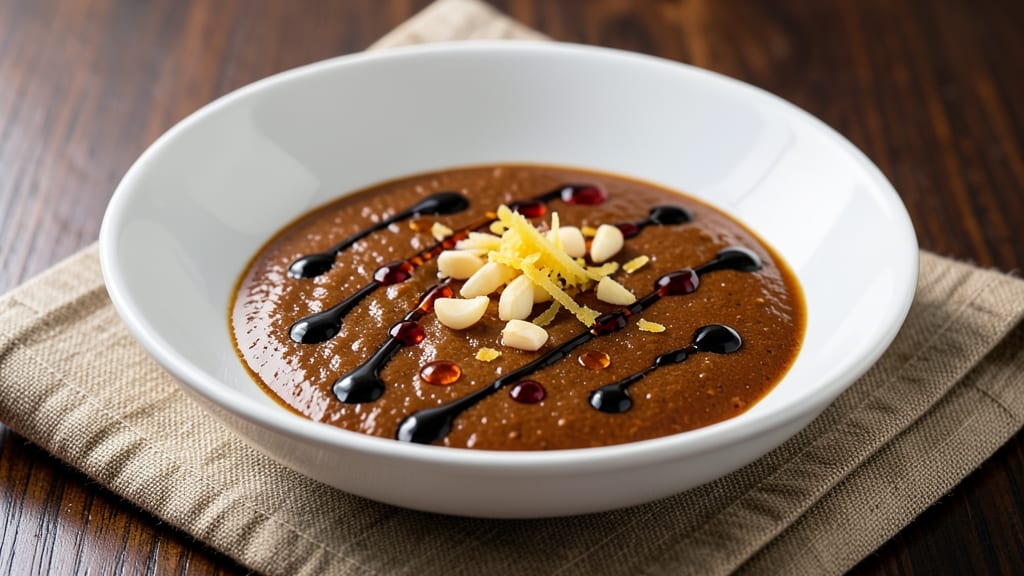
This chop sauce recipe transforms simple pantry staples into a bold, smoky garlic chili oil that elevates everything from stir-fries to noodles. The secret lies in balancing sweet, salty, and spicy notes while achieving that signature velvety texture—no fancy ingredients required.
I developed this version after years of testing, ensuring it delivers restaurant-quality depth with minimal effort.
What makes this chop sauce special is its versatility and shelf life. Made in just 15 minutes, the sauce thickens as it cools, creating that perfect glossy consistency.
The combination of garlic, ginger, and chili oil creates layers of flavor that cling to proteins and vegetables, while a touch of vinegar brightens the richness. Store it in the fridge for up to 2 weeks or freeze for months—ideal for meal prep.
By the time you finish making this sauce, you’ll have a smoky, garlicky, slightly sweet condiment that transforms ordinary dishes into extraordinary ones. Drizzle it over grilled meats, toss it with rice, or use it as a dipping sauce—its bold flavor stands up to anything.
The best part? It’s foolproof and ready whenever cravings strike.
This recipe works equally well as a quick weeknight addition or a pantry staple for Asian-inspired cooking. Whether you're prepping for a stir-fry or adding depth to takeout leftovers, this chop sauce delivers restaurant-quality flavor with just a few ingredients. Let’s get started!
Ingredients for chop sauce
Nine simple ingredients create this restaurant-quality smoky garlic chili oil that transforms ordinary dishes into extraordinary ones.
| Ingredient | Amount | Notes |
|---|---|---|
| Chili Oil 🌶️ | ½ cup | High-quality, smoky variety preferred |
| Garlic Cloves 🧄 | 8 cloves | Fresh, peeled, minced for maximum aroma |
| Ginger Root 🌿 | 1 tbsp | Fresh, finely grated, no need to peel |
| Dark Soy Sauce 🥢 | ¼ cup | Kecap manis for authentic depth |
| Light Soy Sauce 🥢 | ¼ cup | For balanced saltiness |
| Rice Vinegar 🍶 | 1 tbsp | White or seasoned, for brightness |
| Brown Sugar 🍚 | 2 tbsp | Light or dark, packed measurement |
| Sesame Oil 🫒 | 1 tbsp | Toasted, for nutty aroma |
| Water 💧 | ¼ cup | Room temperature for smooth blending |
| Red Chili Flakes 🔥 | ½ tbsp | Adjust for heat preference |
The foundation of this chop sauce lies in its core trio: chili oil, garlic, and ginger. For the chili oil, prioritize brands like Lao Gan Ma or Lee Kum Kee—their smoky depth is unmatched, though any high-quality chili oil will work. Fresh garlic and ginger are non-negotiable; frozen or jarred versions lack the aromatic complexity that defines this sauce. Whole Foods or Asian markets typically carry the freshest ginger root, while garlic cloves should be firm with no sprouting. The soy sauces—both light and dark—should be Japanese or Chinese brands for authentic umami; Kikkoman or Lee Kum Kee are reliable choices. If you can't find kecap manis, substitute with an equal amount of dark soy sauce plus a teaspoon of palm sugar dissolved in warm water to mimic its caramel-like quality.
No chili oil? Substitute with a blend of 2 tbsp sesame oil and 1 tbsp gochujang paste for heat and color, though the smoky depth will differ slightly. Short on garlic? Garlic powder at half the amount works, but the sauce will lack that signature punch. Ginger substitutes include 1/2 tsp ground ginger (less ideal) or 1/4 tsp ginger essential oil (use sparingly). For vinegar, apple cider vinegar adds a fruity note, while mirin can replace rice vinegar for a sweeter profile. The red chili flakes are purely for heat—omit entirely if sensitive to spice, but the sauce will lose its signature kick. Brown sugar can be swapped with white sugar or honey, though the molasses notes in brown sugar contribute to the sauce's complexity. Always taste as you go; adjustments are easier before thickening.
This chop sauce thickens as it cools, developing that signature glossy texture. Store in a clean, airtight glass jar in the refrigerator for up to 2 weeks, though the flavor intensifies over time. For longer storage, freeze in ice cube trays—thaw individual portions as needed. The sauce reheats beautifully; simply warm in a small saucepan over low heat, stirring occasionally, until just heated through. Avoid boiling, as it can separate. Portion into small containers for easy meal prep—drizzle over stir-fries, toss with noodles, or use as a dipping sauce for dumplings. The sauce's versatility makes it a pantry essential, elevating everything from simple rice dishes to grilled proteins with minimal effort.
Why You'll Love This Recipe
- Here’s what sold me: I already had every ingredient. No last-minute grocery runs, no forgotten spices. This sauce turns basic meals into something special without breaking the bank. Plus, it keeps for weeks in the fridge, so I’m never scrambling for a quick flavor boost.
- Five-Ingredient Magic: I swear, this sauce is the closest thing to a cooking shortcut that still feels intentional. Mince garlic and ginger in minutes—no fancy techniques, just a knife and a cutting board. The chili oil adds instant heat, while the soy sauces balance it out like a well-written joke.
- Umami Bomb: That combo of dark and light soy sauce? It’s the secret weapon. The dark soy gives it a deep, caramelized richness, while the light keeps it bright and savory. Drizzle it over noodles, eggs, or even grilled meats—suddenly, everything tastes like it’s been simmered for hours.
- Pantry Staple Power: Here’s what sold me: I already had every ingredient. No last-minute grocery runs, no forgotten spices. This sauce turns basic meals into something special without breaking the bank. Plus, it keeps for weeks in the fridge, so I’m never scrambling for a quick flavor boost.
Instructions for smoky garlic chili oil velocity
This chop sauce builds flavor through precise technique and layering. Follow these steps to achieve a balanced, aromatic sauce with depth and complexity.
Sauté Aromatics in Chili Oil
Heat the 0.5 cup chili oil in a small saucepan over medium heat until it shimmers but doesn't smoke. Add the 8 cloves minced garlic cloves and 1 tablespoon finely grated ginger root, stirring constantly for 1-2 minutes until the garlic becomes fragrant and just begins to turn golden. This step develops the aromatic foundation of your sauce.
Watch the heat carefully—garlic burns quickly and turns bitter. You'll know it's ready when the mixture smells intensely aromatic and the garlic edges turn pale gold. Remove from heat immediately after this point to preserve the delicate flavors.
Combine Soy Sauces and Sweetener
Return the pan to medium-low heat and add the 0.25 cup dark soy sauce, 0.25 cup light soy sauce, and 2 tablespoons brown sugar. Stir continuously for 3-4 minutes until the sugar dissolves completely and the mixture begins to thicken slightly. The dark soy sauce will darken the color while adding depth, while the light soy sauce provides balanced saltiness.
This is where the sauce begins to develop its characteristic umami richness. You should see small bubbles forming around the edges of the pan as the mixture comes together. If it appears too thick, add 1 tablespoon water to help it blend smoothly.
Balance with Acid and Oil
Add the 1 tablespoon rice vinegar and 1 tablespoon toasted sesame oil to the pan. Stir well and simmer for an additional 2 minutes until the vinegar's brightness mellows and the sesame oil's nutty aroma infuses throughout. The acidity from the vinegar cuts through the richness of the soy sauces and sugar, creating balance.
This is also when you should add the 0.5 tablespoon red chili flakes. Stir them in and let the mixture simmer for 30 seconds to distribute the heat evenly. The chili flakes should be dispersed throughout but not fully dissolved—this creates visible heat pockets in the finished sauce.
Finish and Adjust Consistency
Remove the sauce from heat and let it cool for 5 minutes. This resting period allows the flavors to meld completely. If the sauce is too thick, whisk in the remaining 0.25 cup water until it reaches a smooth, pourable consistency—it should coat the back of a spoon but still flow freely.
Taste and adjust seasoning if needed. You may want to add a pinch more brown sugar for sweetness, a splash of rice vinegar for acidity, or a dash of light soy sauce for saltiness. The sauce should be complex with layers of smoky, garlicky, sweet, salty, and spicy flavors.
Cool and Store Properly
Transfer the sauce to a clean glass jar and let it cool completely at room temperature. Once cooled, refrigerate for at least 1 hour before using. This resting period allows all the flavors to fully integrate and the sauce to reach its optimal consistency.
The sauce will keep in the refrigerator for up to 2 weeks. When ready to use, give it a good stir—it may thicken slightly upon refrigeration. If needed, thin with a splash of warm water to achieve your desired consistency before drizzling over noodles, dumplings, or grilled meats.
Pro Tips For Making Chop Sauce
- STIR CONSTANTLY AT FIRST: The first 30 seconds after adding garlic and ginger to the pan are make-or-break. If you walk away, you’ll end up with bitter, burnt aromatics instead of fragrant, golden bits. I used to rush this step, and the sauce always tasted like overcooked medicine—now I keep my wooden spoon moving until those cloves sizzle and turn translucent.
- PEEL GINGER LIKE A PRO: Skip the tedious peeling with a spoon—just grab a knife and whack the root hard against the cutting board’s edge. The skin will crack and peel off in seconds. Thinly slice it (about 1/8-inch) so it melts into the sauce instead of sitting as chewy chunks. (Yes, even if you’re impatient like me.)
- DARK SOY FIRST: Add the dark soy sauce before the light soy—it’s the non-negotiable step that prevents a flat, one-dimensional flavor. The dark soy caramelizes faster, deepening the sauce’s richness before the light soy balances it out. I learned this the hard way when my sauce tasted like saltwater with a hint of disappointment.
- SALT THE CHILI OIL: If your chili oil isn’t already seasoned, toss in a pinch of salt (about ¼ teaspoon) before mixing it into the sauce. It rounds out the heat and ties all the flavors together—like a silent flavor conductor. I was skeptical until I tried it; now I can’t imagine skipping it.
Serving suggestions for this dish
Noodle Perfection
This chop sauce transforms simple noodles into a restaurant-worthy dish. Toss freshly cooked egg noodles or udon with 1-2 tablespoons of sauce per serving—the sauce clings beautifully to the strands. For extra richness, finish with a drizzle of toasted sesame oil and a sprinkle of crushed peanuts.
I love serving this with steamed jasmine rice on the side for scooping up any leftover sauce. 🍜
Grilled Meats
Use this sauce as a marinade or finishing drizzle for grilled proteins. Brush 2-3 tablespoons onto chicken thighs, pork chops, or shrimp before grilling, then finish with an extra drizzle after cooking.
The smoky garlic flavors caramelize beautifully on the grill, creating a perfect balance of heat and sweetness. Pair with grilled corn on the cob for a summer BBQ staple. 🔥
Dipping Sauce
Serve this chop sauce as a dipping sauce for spring rolls, dumplings, or fried wontons. The bold flavors cut through the crispy exterior while complementing the delicate fillings inside.
For extra appeal, garnish with thinly sliced green onions and a sprinkle of sesame seeds. It’s also fantastic with crispy tofu or tempura for a vegetarian option. ✨
Rice Bowl Upgrade
Elevate your rice bowl game by mixing 1-2 tablespoons of sauce into steamed rice before adding your protein and veggies. The sauce infuses the rice with flavor, creating a cohesive dish in every bite.
Top with sliced avocado, shredded carrots, and cilantro for a fresh, vibrant bowl. This works especially well with grilled chicken or beef. 🥗
Breakfast Star
Don’t limit this sauce to dinner—it’s a game-changer for breakfast! Drizzle over scrambled eggs, fried rice, or congee for an instant flavor boost. Stir 1 tablespoon into a bowl of congee with shredded chicken and scallions for a comforting, savory morning meal.
The heat and umami wake up your taste buds perfectly. 🍳
Takeout Leftovers
Transform bland takeout leftovers into a flavor explosion. Toss 1-2 tablespoons of sauce into leftover stir-fry, fried rice, or noodles to revive the flavors. The sauce’s complexity cuts through greasiness while adding depth.
For extra texture, sprinkle with crushed peanuts or fried shallots before serving. It’s my go-to trick for turning leftovers into a satisfying meal. 💡
Nutrition facts
Frequently asked questions
Can I make this chop sauce without chili oil?
For a substitute, blend 2 tablespoons sesame oil with 1 tablespoon gochujang paste (Korean chili paste) to mimic the smoky heat. The texture will differ slightly, but it still delivers bold flavor. If you prefer milder heat, reduce the gochujang to 1/2 tablespoon and add 1/4 teaspoon cayenne pepper instead.
How do I adjust the spice level?
Start by reducing the red chili flakes to 1/4 teaspoon for mild heat, or omit them entirely for no spice. For extra kick, add 1/2 teaspoon chili crisp or 1/4 teaspoon sriracha after cooling. Always taste before serving—you can always add more heat later!
Can I use this sauce in cold dishes?
Yes! This sauce works perfectly in cold dishes like summer rolls, rice salads, or cold noodle bowls. The flavors hold up well, and the chili oil adds a delightful contrast to cool ingredients. For best results, store the sauce in the fridge for 24 hours before using to let flavors meld completely.
Why did my sauce separate?
Sauce separation usually happens if you don't stir enough while cooking or if the water content isn't balanced. Whisk in 1-2 teaspoons warm water to restore smoothness, or blend briefly with an immersion blender. For prevention, simmer the sauce longer on low heat while stirring constantly.
How long can I store this sauce?
In an airtight glass jar in the fridge, this sauce keeps for up to 2 weeks with flavors intensifying over time. For longer storage, freeze in ice cube trays—thaw portions as needed. The sauce reheats beautifully; just warm gently on the stove or microwave until just heated through.