
Sauces & Condiments
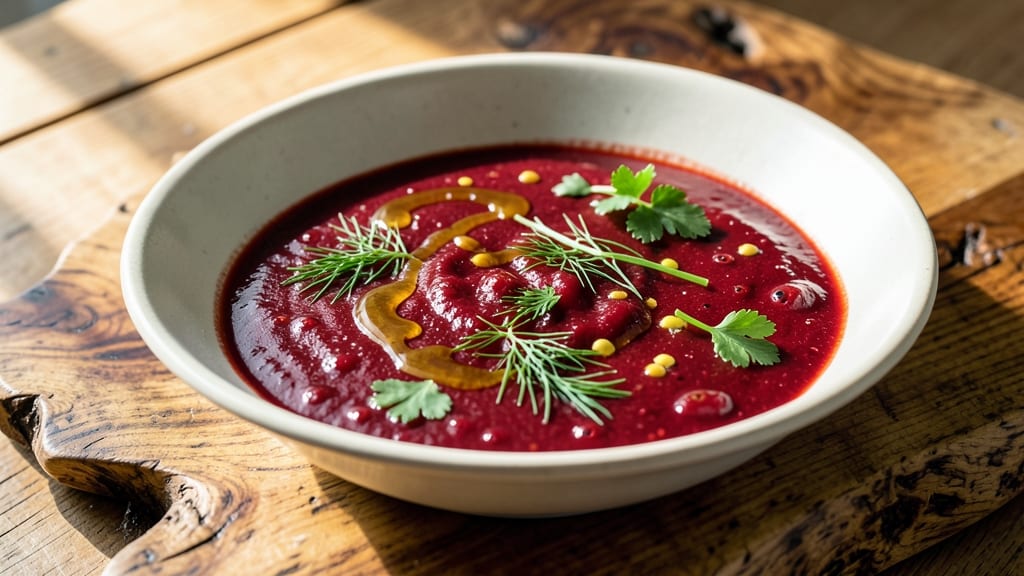
Clare and Carl's Michigan sauce recipe delivers that iconic sweet-tart tomato velocity with a secret herb complexity that makes it unforgettable. This isn't your typical ketchup—it's a bold, tangy-sweet sauce with just enough vinegar bite and hidden herbs to transform hot dogs, fries, or even burgers into something special.
I've perfected this regional favorite over years of testing, and the balance of flavors is what truly sets it apart.
The sauce builds its signature character through a precise blend of tomatoes, vinegar, and mustard that creates that signature tangy-sweet profile. What makes this Michigan classic different is the subtle herb infusion that adds depth without overpowering the tomato base.
The preparation is straightforward but requires patience—letting the flavors meld during simmering creates that restaurant-quality depth you can't find in store-bought versions.
What you'll end up with is a vibrant red sauce that's perfect for dipping, drizzling, or smothering—its sweet-tart balance makes every bite sing. The texture is smooth yet slightly thickened, clinging beautifully to foods while delivering layers of flavor with each bite.
This sauce is the kind of condiment that becomes a staple in your kitchen once you try it.
Whether you're serving it with classic Michigan-style hot dogs, crispy fries, or as a burger topping, this sauce elevates everything it touches. The recipe makes enough for multiple uses, so you'll find yourself reaching for it again and again.
Let's get started on making this iconic Michigan sauce that's become a favorite across the region.
Ingredients for clare and carl's michigan sauce
Nine simple ingredients transform into Michigan's legendary tangy-sweet sauce.
| Ingredient | Amount | Notes |
|---|---|---|
| San Marzano Crushed Tomatoes 🍅 | 2 cans | 28 oz each, no salt added |
| White Vinegar 💧 | ½ cup | Distilled, for tangy bite |
| Yellow Mustard 🧂 | 2 tbsp | Smooth, not chunky |
| Granulated Sugar 🍚 | ½ cup | Adjust for sweetness preference |
| Fresh Dill Weeds 🌿 | ¼ cup | Finely chopped, stems removed |
| Fresh Parsley 🌿 | ¼ cup | Finely chopped, flat-leaf |
| Garlic Cloves 🧄 | 3 cloves | Minced, for subtle depth |
| Onion Powder 🧅 | 1 tsp | Freshly ground preferred |
| Ground Black Pepper 🌶️ | ½ tsp | Freshly cracked |
| Salt 🧂 | 1 ½ tsp | Kosher or sea salt |
The tomatoes are non-negotiable. San Marzano is the gold standard—sweet, meaty, and consistent. Grab the 28 oz cans from the Italian section at Whole Foods or Trader Joe's if you want to splurge. The vinegar should be pure white, no funky aftertaste. I always double-check the label for 'distilled'—cheap vinegar ruins the balance. Fresh herbs are where the magic happens. Dill and parsley from the grocery store's refrigerated section work fine, but if you've got a garden, fresh-picked is unbeatable. The garlic? Three cloves is the sweet spot—enough for depth without overpowering.
No San Marzano? Crushed tomatoes in a 28 oz can will work, but you might need an extra pinch of sugar. Vinegar substitute? Apple cider vinegar works in a pinch, but it adds a slight fruitiness. Fresh herbs wilt fast, so dried dill at one-third the amount is an option, but it won't have that same bright punch. The mustard is crucial—chunky mustard can make the sauce grainy, so smooth is key. If you're making a big batch, I've used Dijon mustard at half the amount for extra sophistication. The sugar can be adjusted—start with 0.5 cup and taste as you go.
This sauce gets better with time. Let it sit in the fridge for at least 24 hours before using—flavors meld beautifully. Keeps for up to 2 weeks in the fridge, or 6 months frozen in airtight containers. I portion it into 16 oz jars for easy serving. The texture thickens as it cools, so don't worry if it looks too thin right after simmering. Trust me on this—it's perfect for dipping, drizzling, or smothering.
Why You'll Love This Recipe
- I’ll be real: I always end up with leftovers, and that’s a win because this sauce keeps for weeks in the fridge. It’s also dirt cheap—San Marzano tomatoes and mustard don’t break the bank—and stretches across multiple meals without losing its punch.
- Five-Ingredient Magic: I swear, this sauce is the kind of recipe that makes you question why you ever complicate things. Five pantry staples—San Marzano tomatoes, vinegar, mustard, sugar, and fresh dill—and you’ve got something that tastes like it simmered for hours. No chopping, no fancy techniques, just dump-and-stir brilliance.
- Tangy-Sweet Balance: Honestly, the vinegar and sugar combo is chef’s kiss—bright enough to cut through richness but sweet enough to make your taste buds do a little happy dance. That yellow mustard? It adds this unexpected depth that makes it way more interesting than your average tomato sauce.
- Hot Sauce’s Best Friend: Between us, this is my go-to for hot sauce dipping, but it’s also ridiculously good on burgers, fries, or even grilled chicken. (Yes, even on a Tuesday night.) The dill keeps it fresh, so it doesn’t get boring—no matter what you’re pairing it with.
Step-by-step instructions for clare and carl's Michigan sauce
Here's how to craft this tangy, herb-infused sauce that balances sweetness and acidity perfectly.
Combine Tomatoes, Vinegar, and Sweetener
In a large saucepan, pour in the 2 cans of San Marzano crushed tomatoes. Add the 0.5 cup of white vinegar and 0.5 cup of granulated sugar. Stir everything together over medium heat until the sugar dissolves completely—this should take about 3-4 minutes. You'll notice the mixture starts to bubble gently as the sugar integrates with the tomatoes.
Let the sauce simmer uncovered for 10 minutes while you prepare the remaining ingredients. This initial cooking helps develop the sauce's foundational flavors and reduces some of the acidity from the vinegar. The sauce should be thick enough to coat the back of a spoon but still flow freely when stirred.
Incorporate Mustard and Aromatics
Add the 2 tablespoons of yellow mustard, 3 minced garlic cloves, and 1 teaspoon of onion powder to the simmering sauce. Stir well to distribute the mustard completely—this is where the sauce starts to develop its signature depth. The mustard adds a subtle tang that complements the sweet-tart balance.
Let the sauce cook for another 5 minutes, stirring occasionally. You'll see the garlic infuse its aroma into the sauce and the onion powder dissolve completely. The mustard will blend smoothly, creating a velvety texture. This is also when you'll notice the sauce's color deepening slightly as the flavors meld together.
Add Fresh Herbs and Seasonings
Stir in the 0.25 cup of finely chopped fresh dill weeds and 0.25 cup of fresh parsley. These herbs are the secret to this sauce's character—they add a bright, fresh dimension that cuts through the sweetness. Add the 1.5 teaspoons of salt and 0.5 teaspoon of ground black pepper, mixing thoroughly to distribute evenly.
Let the sauce simmer gently for 8-10 minutes longer. You'll notice the herbs soften slightly but retain their vibrant color. The sauce should now have a glossy sheen and coat the spoon thickly. Taste and adjust the seasoning if needed—you might want to add a touch more sugar if you prefer it sweeter, or a splash more vinegar if you want more tartness.
Simmer to Perfect Consistency
Continue simmering the sauce uncovered for 15-20 minutes, stirring occasionally. You're looking for a sauce that's thick enough to cling beautifully to meats or vegetables but still pourable. The sauce should coat the back of a spoon with a slight sheen—this indicates it's reached the perfect consistency.
As it reduces, the flavors will deepen and intensify. The sweetness will mellow slightly while the acidity becomes more pronounced. The herbs will infuse their aromatic qualities without becoming bitter. When the sauce reaches this stage, it's ready to be used immediately or stored for later use.
Pro Tips For Making Clare And Carl'S Michigan Sauce
- Simmer Slow and Steady: This sauce isn’t a race—keep it at a gentle bubble, not a rolling boil. I used to crank the heat and end up with a thin, vinegary mess instead of that rich, balanced flavor. Twenty minutes on medium-low does the trick.
- Toast the Mustard First: Heat the yellow mustard in your saucepan for 30 seconds before adding anything else. Sounds weird, but it mellows out the sharpness and deepens the flavor—no more fighting that raw mustard bite at the end.
- Don’t Skimp on Dill: Fresh dill is non-negotiable here, but don’t just eyeball it. Use about 2 tablespoons of finely chopped leaves (not stems) per cup of tomatoes. Too little, and the sauce feels flat; too much, and it turns bitter.
- Balance the Vinegar Last: Taste before adding the white vinegar—start with half the recipe’s amount, then adjust. I learned this after making a batch that tasted like a salad dressing disaster. A little acid brightens the tomatoes, but too much ruins the party.
Troubleshooting this recipe
Sauce Too Thin?
If your sauce isn’t thickening as expected after simmering, reduce the heat to low and let it cook uncovered for an extra 10-15 minutes. Stir occasionally to prevent sticking. The natural pectin in the tomatoes will break down more, creating a thicker consistency.
If it’s still too thin, mix 1 tablespoon cornstarch with 2 tablespoons water, stir into the sauce, and simmer for 3-5 minutes until it thickens. 💧
Overpowering Vinegar?
Too much vinegar can make the sauce taste harsh. If this happens, balance it by adding 1-2 tablespoons of honey or maple syrup while simmering. Stir well and let it cook for 5 minutes to blend the flavors.
Alternatively, add a pinch of sugar and taste as you go—this will mellow the acidity without altering the sauce’s texture. 🍯
Herbs Too Strong?
Fresh herbs can overpower if not balanced properly. If the dill or parsley tastes too intense, reduce the heat and add 1 teaspoon of salt to enhance the other flavors. Alternatively, simmer the sauce for an extra 5 minutes to let the herbs mellow slightly.
For future batches, start with 2 tablespoons of each herb instead of ¼ cup to avoid overdoing it. 🌿
Sauce Separating?
If the sauce splits into layers (like oil separating from water), whisk it vigorously over low heat for 2-3 minutes. The natural emulsifiers in the tomatoes and mustard will help reintegrate the ingredients.
If it persists, blend the sauce briefly with an immersion blender to restore a smooth texture. This usually happens if the sauce cools too quickly after simmering. 🔥
Not Tangy Enough?
If your sauce lacks the signature tang, add 1-2 teaspoons of additional white vinegar and simmer for 3-5 minutes. For a deeper flavor, a splash of lemon juice (about 1 teaspoon) can brighten the sauce without overpowering it. Taste as you go—you can always adjust further. 🍋
Burning on the Bottom?
Prevent scorching by using a heavy-bottomed saucepan (like a Calphalon or All-Clad) and keeping the heat at medium-low. If it starts to stick, add 1-2 tablespoons of water or broth to deglaze and scrape up any browned bits.
Stir frequently to ensure even cooking. This keeps the sauce smooth and prevents bitter flavors. 🍳
Nutrition facts
Frequently asked questions
What makes this Michigan sauce different from regular ketchup?
This sauce gets its unique character from the fresh herbs (dill and parsley) and the perfect balance of sweetness from sugar, tang from vinegar, and subtle heat from mustard. Unlike ketchup, it has a smoother texture and a more complex flavor profile that pairs perfectly with hot dogs, fries, or burgers. The herbs add brightness that cuts through the richness of fried foods.
Can I use this sauce on foods other than hot dogs?
While it's famous on Michigan-style hot dogs, this sauce works wonders on fries, burgers, grilled chicken, or even as a marinade. The sweet-tart balance makes it versatile—try drizzling it over roasted vegetables or using it as a dipping sauce for mozzarella sticks. The possibilities are endless!
How do I store leftover sauce?
Let the sauce cool completely, then transfer it to an airtight container. It keeps in the refrigerator for up to 2 weeks or can be frozen for 6 months in portion-sized containers. The flavor actually improves after 24 hours as the ingredients meld together. Just give it a quick stir before using.
Is there a substitute for San Marzano tomatoes?
Yes, you can use regular crushed tomatoes, but you may need to add an extra 1-2 tablespoons of sugar to compensate for their milder flavor. For best results, choose high-quality canned tomatoes without added salt. The texture might be slightly different, but the taste will still be delicious.
Can I make this sauce spicier?
Certainly! Add ½ teaspoon of cayenne pepper or 1 teaspoon of hot sauce while simmering. For a smoky kick, stir in ½ teaspoon of smoked paprika. Start with small amounts and adjust to taste—this sauce is already flavorful, so you don't want to overpower it.