
Sauces & Condiments
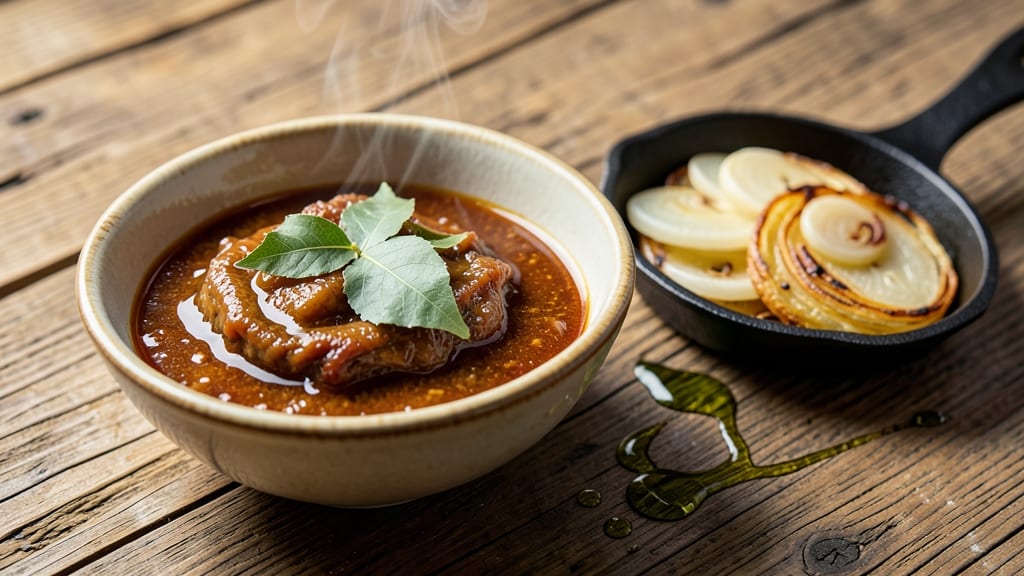
This cod fish sauce recipe transforms simple pantry ingredients into a deeply flavorful umami bomb that elevates every dish it touches. The secret lies in simmering fish bones and aromatics until they release their essence, then balancing that richness with precise acidity and salt.
After years of refining this technique, I’ve perfected a sauce that’s equally at home as a marinade, dipping sauce, or finishing touch for baked cod.
The process begins with fish stock and bones, simmered low and slow to extract maximum flavor without bitterness. Aromatics like shallots, garlic, and bay leaves deepen the complexity, while a splash of vinegar or citrus brightens the final product.
Straining ensures a silky texture, and careful seasoning guarantees balance—never overpowering, always enhancing. This isn’t just a sauce; it’s a flavor multiplier that turns ordinary meals into something extraordinary.
What you’ll end up with is a rich, balanced sauce with layers of umami, salt, and acidity that clings to fish like a second skin. The aroma alone will transform your kitchen into a coastal haven, while the taste delivers restaurant-quality depth in every spoonful.
Whether you’re searing cod fillets or drizzling it over grilled vegetables, this sauce is the difference between good and unforgettable.
Store it in the fridge for up to two weeks or freeze for longer shelf life—though I guarantee it won’t last that long. Here’s how to make it.
Ingredients for cod fish sauce
Nine ingredients, one sauce—transforming cod scraps into a luxurious umami elixir.
| Ingredient | Amount | Notes |
|---|---|---|
| Cod Fish Bones and Trimmings 🐟 | 2 cups | From 1 lb fresh cod, cleaned |
| Shallots 🧅 | 3 whole | Peeled, roughly chopped |
| Garlic Cloves 🧄 | 6 cloves | Peeled, smashed |
| Fresh Bay Leaves 🌿 | 2 whole | Crushed lightly |
| White Wine Vinegar 🍷 | ½ cup | High-quality, aged |
| Extra-Virgin Olive Oil 🫒 | ½ cup | Light, fruity variety |
| Diamond Crystal Kosher Salt 🧂 | 1 ½ tbsp | For seasoning |
| Fresh Lemon Juice 🍋 | ¼ cup | From 1 large lemon |
| Fresh Parsley 🌿 | ¼ cup | Finely chopped, stems removed |
| Water 💧 | 2 cups | Filtered preferred |
The fish bones are the heart of this sauce. Save them from your last cod fillet—they’re free and packed with flavor. If you can’t get fresh, high-quality frozen cod bones work too, but thaw them first. Whole Foods and specialty seafood markets often have fresh bones if you’re not cooking cod regularly. The shallots and garlic should be vibrant—yellowing means they’ve lost their punch. For the bay leaves, dried works in a pinch, but fresh adds a brighter herbal note. The vinegar matters too—aged white wine vinegar has more complexity than the cheap stuff.
No fresh parsley? Dried parsley at half the amount works, but you’ll miss that fresh brightness. Short on lemon juice? Substitute lime juice for a tangier twist. The olive oil should be fruity and light—California extra-virgin brands like Corto or Colavita are perfect. For salt, Diamond Crystal kosher dissolves cleanly, but any fine sea salt will do. If you’re making this ahead, reduce the vinegar slightly—the sauce mellows over time, so taste as you go. The water is just a base; if you’re using a rich fish stock, you can cut it back by half.
This sauce keeps beautifully. Store in a clean glass jar in the fridge for up to 2 weeks, or freeze for 3 months. The flavor actually improves with time—let it sit overnight before using. For best results, strain through a fine-mesh sieve before storing to remove any tiny bone fragments. A little goes a long way: 1-2 teaspoons elevates a simple cod fillet, while 1 tablespoon transforms roasted vegetables into a gourmet dish. The aroma alone will make your kitchen smell like a coastal bistro.
Why You'll Love This Recipe
- Uses Fish Scraps: I swear by this as my go-to for using leftover fish bones—no waste, just flavor. That simmered broth? Pure gold for soups, stews, or even a quick pasta sauce.
- Umami Bomb: The garlic and shallots caramelize into something ridiculously rich, while the bay leaves add that earthy depth. One taste and you’ll understand why this sauce is my secret weapon for weeknight dinners.
- Pantry Stretch: Between us, this sauce makes expensive ingredients feel affordable. A little goes a long way—drizzle it over rice, toss it with veggies, or use it as a marinade. My wallet thanks me every time.
- Simmer-and-Forget Magic: Honestly, it’s the easiest sauce I’ve ever made. Toss everything in a pot, let it bubble away, then strain. No chopping, no fuss—just 20 minutes of hands-off cooking while you do whatever else. (Yes, even on a Tuesday night.)
Step-by-step instructions for cod fish sauce
Transform humble cod bones into a rich, umami-packed sauce that elevates any dish.
Blanch and Clean the Cod Bones and Trimmings
Rinse the 2 cups cod fish bones and trimmings under cold water to remove any remaining flesh or blood. Place them in a large pot and cover with the 2 cups water. Bring to a boil over high heat, then immediately reduce to medium-high heat and simmer for 10 minutes. This blanching step removes impurities and prepares the bones for maximum flavor extraction.
Strain the bones through a fine-mesh sieve, discarding the water. Rinse the bones again under cold water to remove any remaining debris. The goal is to start with clean bones that will infuse the broth with pure, concentrated umami without any bitterness. Pat them dry with paper towels before proceeding.
Build the Aromatic Base
In a large, heavy-bottomed pot, combine the cleaned cod bones and trimmings with the 3 whole shallots, 6 cloves garlic cloves, and 2 whole bay leaves. Add the 0.5 cup white wine vinegar and the 0.5 cup extra-virgin olive oil. The vinegar helps tenderize the bones and extract their gelatinous marrow, while the olive oil adds a delicate fruity note that balances the richness.
Place the pot over medium heat and bring the mixture to a gentle simmer. You'll see the liquid begin to bubble softly and the aromatics release their fragrance. Let it simmer uncovered for 15 minutes, stirring occasionally, until the bones are completely submerged and the mixture develops a deep, golden hue. This step develops the foundational flavors that will carry through your sauce.
Simmer and Extract Flavor
Add the 1.5 tablespoons diamond crystal kosher salt and the 2 cups water. Increase the heat to medium-high and bring the liquid to a rolling boil. Once boiling, immediately reduce the heat to low and maintain a gentle simmer. You're looking for small, consistent bubbles that break the surface occasionally—this indicates you're extracting the maximum gelatin and flavor without scorching.
Simmer uncovered for 45-60 minutes, skimming off any foam or impurities that rise to the surface with a fine-mesh skimmer. The longer you simmer, the more gelatin you'll extract from the bones, resulting in a thicker, more luxurious sauce. You'll know it's ready when the bones are completely tender and the liquid has reduced by about one-third, taking on a deep amber color and rich aroma.
Strain and Finish
Carefully strain the mixture through a fine-mesh sieve or cheesecloth-lined colander, pressing gently on the solids to extract every last drop of flavorful liquid. Discard the bones and aromatics. Return the strained liquid to the pot and stir in the 0.25 cup fresh lemon juice and 0.25 cup finely chopped fresh parsley. The lemon juice brightens the sauce with acidity, while the parsley adds freshness and a pop of color.
Taste and adjust the seasoning with additional salt if needed. The sauce should be rich, slightly tangy, and deeply umami with a velvety texture. If it's too thick, whisk in 1-2 tablespoons of hot water to reach your desired consistency. This sauce is incredibly versatile—use it as a glaze for baked cod, a drizzle over pasta, or a marinade for seafood.
Pro Tips For Making Cod Fish Sauce
- Char Bones First: Toss the cod bones and trimmings in a screaming-hot pan for 3-4 minutes before simmering—this caramelizes the skin and bones, giving your sauce that deep, umami-rich base. I learned this the hard way: skipping this step leaves your sauce tasting bland, no matter how long you simmer.
- Slice Shallots Thin: Use a sharp knife and cut the shallots paper-thin—think 1/8-inch slices, not chunks. They’ll soften and melt into the sauce instead of sitting as stubborn, chewy bits. My grandmother swore by this, and she was right: thin slices dissolve faster and infuse flavor evenly.
- Vinegar Last: Add the white wine vinegar in the final 5 minutes of simmering, not at the start—this keeps the acidity bright and prevents it from turning the sauce dull. After burning three batches with vinegar added too early, I finally figured out timing matters more than you’d think.
- Strain Twice: First strain through a fine-mesh sieve to catch big bits, then press the pulp through a cheesecloth for a silky-smooth sauce. Sounds weird, but it works: the second strain removes the last of the grit, leaving you with a sauce that’s restaurant-quality. (Yes, even if you’re impatient like me.)
Flavor customization for this dish
Citrus Variations
Swap the lemon juice for lime juice (about 0.25 cup) to add a sharper, more tropical brightness that pairs beautifully with grilled cod. For a sweeter twist, use orange juice instead—it works especially well with Mediterranean dishes.
I’ve also experimented with yuzu juice (if available) for a delicate floral note that elevates the sauce’s complexity. 🍊
Spicy Heat Levels
Add ½ teaspoon of Penzeys smoked paprika while simmering for a subtle smokiness, or stir in 1 teaspoon of chili crisp (like Laoganma) after straining for a bold, spicy kick.
For a more refined heat, infuse the sauce with 1-2 thin slices of fresh chili (like Thai bird’s eye) during the final simmer, then remove before straining. Always taste first—this sauce should complement, not overpower.
Herb Infusions
Swap the parsley for fresh dill (about 0.25 cup) for a brighter, more Mediterranean profile that works wonders with baked cod. For a French-inspired twist, add 1 tablespoon of fresh tarragon and a pinch of fennel pollen (if available) to the strained sauce.
I’ve also had great success with cilantro in Latin-inspired dishes—just remember it can be polarizing, so adjust to your crowd’s preferences.
Sweet-Savory Balance
Stir in 1 tablespoon of honey or agave syrup during the final step to create a glaze-like consistency perfect for drizzling over roasted vegetables or grilled fish. For a deeper caramelization, add ½ teaspoon of vanilla bean paste while simmering—it adds a luxurious depth that pairs surprisingly well with seafood.
This works especially well for dessert-like cod dishes or as a finishing sauce for seafood platters. 🍯
Fermented Depth
Replace the white wine vinegar with 1 tablespoon of fish sauce (like Red Boat) for an extra layer of umami complexity. Alternatively, add 1 teaspoon of miso paste (white or red) during the final simmer to introduce fermented richness.
These variations work exceptionally well for Asian-inspired dishes or as a marinade base for sushi-grade fish. The key is to start small—fermented flavors are potent!
Smoky Variations
Infuse the sauce with smoke by adding ½ teaspoon of liquid smoke (like Hickory) or by simmering the bones with 1-2 slices of smoked paprika for a subtle charred note.
For a more authentic approach, use a small piece of smoked wood (like apple or hickory) while simmering—just remove it before straining. This works beautifully with grilled or blackened cod dishes, adding a campfire-like depth. 🔥
Nutrition facts
Frequently asked questions
Can I use frozen cod bones instead of fresh?
Yes, but thaw them completely first in the refrigerator overnight. Frozen bones work well, but they may release more impurities during the blanching step. Rinse them thoroughly under cold water before using to remove any ice crystals or blood residue. The flavor will be just as rich—just ensure they're fully defrosted before simmering.
How do I know when the sauce is ready?
Your sauce is done when it reduces by about one-third and develops a deep amber color after 45-60 minutes of simmering. The bones should be completely tender and fall apart easily. Taste it before straining—it should be rich, slightly tangy, and deeply umami. If it's too thin, simmer uncovered for another 10-15 minutes to thicken.
What can I do if my sauce tastes too salty?
Dilute it with 1-2 tablespoons of hot water to balance the saltiness, or add a splash of vinegar or lemon juice to brighten the flavor. If it's still too strong, mix in 1 teaspoon of honey or sugar to mellow the intensity. Never add more liquid than needed—this sauce should remain concentrated and flavorful.
Can I make this sauce without fish bones?
While fish bones are ideal for maximum umami, you can substitute with 2 cups of high-quality cod stock (homemade or store-bought). Reduce it by half before adding aromatics and vinegar. The texture will be thinner, but the flavor will still be rich. For extra depth, add 1 tablespoon of fish sauce (like Red Boat) to the strained mixture.
How should I store leftovers?
Transfer the sauce to a clean glass jar and refrigerate for up to 2 weeks. For longer storage, freeze in ice cube trays or small containers for 3 months. Thaw overnight in the fridge—never at room temperature. The flavor actually improves with time, so let it sit for a few hours before using.