
Sauces & Condiments
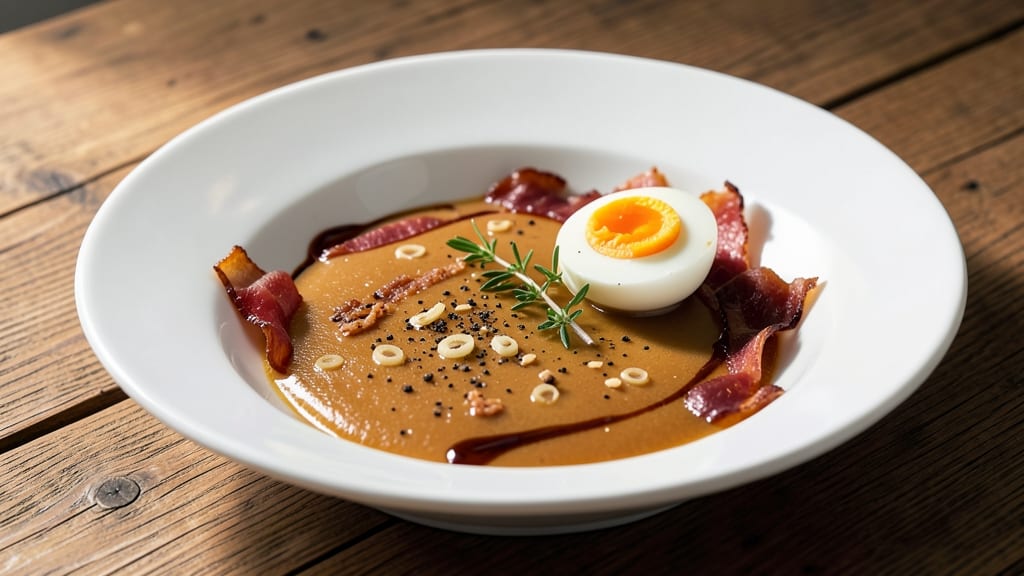
Creating a cognac sauce transforms simple weeknight dinners into restaurant-worthy meals with just a few pantry staples and precise technique. This rich brown butter velouté builds depth through slow reduction and velvety texture, making it the perfect finishing touch for steak, chicken, or seafood dishes.
The secret lies in balancing brandy’s warmth with butter’s richness and cream’s smoothness, all while developing a glossy, velvety consistency. Shallots provide subtle sweetness, while a touch of Dijon mustard adds complexity—no specialty ingredients required. The sauce thickens naturally as it reduces, ensuring a perfect pour every time.
What you’ll achieve is a sauce that’s decadently smooth, with notes of caramelized butter and brandy that linger on the palate. It’s versatile enough for weeknight suppers but elegant enough for dinner parties, and it reheats beautifully for leftovers.
Perfect for drizzling over grilled meats, pairing with roasted vegetables, or serving alongside pasta. Let’s make this sauce—it’s simpler than you think.
Ingredients for cognac sauce
Eight pantry staples transform into a velvety sauce that elevates any protein—no fancy ingredients needed.
| Ingredient | Amount | Notes |
|---|---|---|
| Unsalted Butter 🧈 | 8 tbsp | Cold, cubed for browning |
| Shallots 🧅 | ¾ cup | Finely minced, 3-4 medium |
| Cognac 🍷 | ½ cup | Good quality, 80-proof minimum |
| Heavy Cream 🥛 | 1 cup | Full-fat for richness |
| Dijon Mustard 🌶️ | 1 tbsp | For depth and tang |
| Chicken Stock 💧 | 1 cup | Homemade preferred |
| All-Purpose Flour 🌾 | 1 tbsp | For thickening |
| Fresh Thyme Leaves 🌿 | 1 tsp | Or 0.25 tsp dried |
| Salt 🧂 | ½ tsp | Kosher or sea salt |
| White Pepper 🌶️ | ¼ tsp | Freshly ground |
The butter is your foundation—European-style like Plugrá or Land O'Lakes has higher fat content, which gives that luscious browning. Grab shallots from the fresh section (not onion substitutes)—their sweetness shines here. Cognac? Hennessy VS or Martell are classic choices, but any decent brandy works. Fresh thyme from the grocery store's herb section (not dried bundles) adds that bright, herbal note that cuts through the richness. For the flour, King Arthur all-purpose is my go-to—it thickens smoothly without gummy results.
No cognac? Substitute apple brandy at the same amount—it's sweeter but works in a pinch. Heavy cream too expensive? Half-and-half with a splash of whole milk keeps it creamy. Short on chicken stock? Vegetable stock works just as well, or even white wine in a bind. The Dijon mustard is non-negotiable—it's what gives this sauce its sophisticated depth. If you're using dried thyme, toast the leaves in the butter first for an extra aromatic punch. And for the love of all things creamy, don't skip the cold butter cubes—they create those beautiful browned bits that make this sauce sing.
This sauce keeps beautifully—3-4 days in the fridge sealed in a jar, or up to 3 months frozen in ice cube trays for single servings. Reheat gently on low, adding a splash of warm water or stock if it thickens too much. I always make a double batch—one for dinner, one to freeze for future weeknight rescues. The flavor actually improves after a day or two as everything melds together. Perfect for drizzling over steak, spooning onto mashed potatoes, or turning a simple grilled chicken into something restaurant-worthy.
Why You'll Love This Recipe
- Here’s what sold me: the cognac burns off into this deep, nutty aroma while the cream and mustard marry into something dangerously smooth. One spoonful and you’ll understand why I keep a bottle of cognac in my pantry—even if it’s just for cooking.
- I’ll be real: I always make extra. The sauce thickens beautifully when reheated—just a splash of cream to loosen it—and tastes just as good the next day. Plus, the cognac’s lingering warmth makes it feel indulgent, even when you’re eating it straight from the fridge.
Step-by-step instructions for cognac sauce recipe
Here's how to transform simple pantry staples into a luxurious brown butter velouté with deep cognac flavor.
Develop Rich Brown Butter Base
In a heavy-bottomed saucepan, melt the 8 tablespoons of cold, cubed unsalted butter over medium heat. Watch carefully as it foams and bubbles—this is where the magic begins. Continue cooking until the butter turns a deep golden brown with nutty aromas filling your kitchen (about 8-10 minutes). You'll see small browned bits forming at the bottom of the pan.
This browning process creates complex flavors that form the foundation of your sauce. Don't rush it, but don't let it burn—remove from heat immediately when it reaches that perfect amber color. The butter should smell like toasted nuts with a hint of caramel. Let it cool for just 1 minute before proceeding, which prevents the flour from cooking too quickly and burning.
Build Flavor with Shallots and Cognac
Add the 0.75 cup of finely minced shallots to the browned butter and cook for 3-4 minutes over medium heat, stirring frequently. The shallots should soften and begin to caramelize slightly, releasing their sweet, oniony aroma. This step develops depth that transforms a simple sauce into something sophisticated.
Next, carefully pour in the 0.5 cup of cognac—this is where the sauce gets its signature complexity. The alcohol will sizzle dramatically for about 1 minute as it evaporates. Never stir during this time—let it reduce naturally. You'll notice the liquid transforms from bubbling to a glossy, reduced glaze. This step is crucial for developing the sauce's rich, caramelized flavor profile.
Thicken with Flour and Deglaze
Sprinkle the 1 tablespoon of all-purpose flour over the reduced cognac mixture and stir vigorously for 1-2 minutes over medium heat until completely smooth. This creates a roux that will thicken your sauce beautifully. Cook for another 1-2 minutes until the mixture turns a light golden color—this ensures proper thickening without developing a raw flour taste.
Gradually whisk in the 1 cup of chicken stock, adding it slowly to prevent lumps from forming. Bring the mixture to a gentle simmer and cook for 5-7 minutes until it thickens enough to coat the back of a spoon. This is where your sauce begins to take shape—it should be velvety and rich, with the browned butter and cognac flavors fully integrated.
Finish with Cream and Seasoning
Reduce the heat to low and stir in the 1 cup of heavy cream. Let it warm through gently for 3-4 minutes, stirring occasionally. The cream should heat through completely but not boil—you're looking for a smooth, luxurious texture that coats the spoon. Add the 1 tablespoon of Dijon mustard and stir well to incorporate its tangy depth.
Finally, add the 1 teaspoon of fresh thyme leaves, 0.5 teaspoon of salt, and 0.25 teaspoon of freshly ground white pepper. Taste and adjust seasoning if needed—this sauce should balance rich, nutty, and slightly sweet notes with proper acidity from the mustard. The finished sauce should be silky smooth with a glossy sheen, ready to elevate any protein or pasta dish.
Pro Tips For Making Cognac Sauce
- Sweat Shallots Slow: Don’t rush this step—low heat for 8-10 minutes until they’re translucent and just starting to turn golden. I learned this the hard way: charred shallots add bitterness that no amount of cream or cognac can fix. (Yes, even if you’re impatient like me.)
- Use Cold Cream: Chill the heavy cream in the fridge for 10 minutes before adding it to the pan. Warm cream breaks too easily, and you’ll end up with lumps—no one wants curdled sauce. This isn’t the prettiest method, but it’s the tastiest.
- Deglaze Hot: Pour the cognac over the shallots after they’ve cooled slightly—right after removing the pan from heat. The alcohol burns off faster this way, and you get that deep, caramelized flavor without wasted booze. (Your future self will thank you.)
- Mustard Last: Whisk in the Dijon mustard after the sauce has thickened, not at the start. Adding it early can make the sauce too tangy too soon, and the heat from the butter will mellow its sharpness. Balance matters—trust the process.
Troubleshooting perfect results
Butter Burns Too Quickly
If your butter turns pitch black or smells acrid, you’ve gone too far. The ideal color is deep golden brown with nutty aromas—not blackened. Use a heavy-bottomed saucepan (I recommend All-Clad) to distribute heat evenly.
Keep heat at medium and stir occasionally to prevent hot spots. If it starts smoking, immediately remove from heat and let it cool for 2 minutes before proceeding. 🔥
Sauce Too Thin
If your sauce isn’t thickening properly, your flour-to-liquid ratio is off. The 1 tbsp flour should thicken 1 cup stock perfectly. If it’s still runny, mix 1 tsp cornstarch with 1 tbsp cold water, then whisk into the sauce.
Simmer for 2-3 minutes until it reaches the desired consistency. For a smoother finish, strain through a fine-mesh sieve to remove any lumps. ✨
Alcohol Flavor Lingers
The cognac should reduce completely, leaving only rich, caramelized notes. If you taste raw alcohol, your heat was too low or you didn’t let it sizzle long enough. After adding the cognac, let it reduce for full 1-2 minutes without stirring.
If needed, simmer the sauce uncovered for an extra 3-5 minutes to burn off any remaining alcohol. A splash of chicken stock can also help dilute any harsh notes. 💡
Sauce Separates or Curdles
This usually happens when cream is added too quickly or heated too vigorously. Always stir in the cream over low heat and let it warm gradually for 3-4 minutes. If it separates, whisk in 1 tbsp cold butter, a few drops at a time, until smooth.
For extra insurance, temper the cream first by mixing it with a little of the hot sauce before adding it all at once. 🥛
Overpowering Shallot Bitterness
Shallots can turn bitter if cooked too long. They should soften and caramelize in 3-4 minutes—no longer. If they taste harsh, reduce the cooking time next batch.
For extra sweetness, add ½ tsp sugar with the shallots. Alternatively, swap shallots for 1 small onion, which has a milder flavor. 🧅
Sauce Too Salty
Salt builds up during reduction, so taste frequently. If it’s too salty, balance it with 1 tsp lemon juice or ½ tsp Dijon mustard. For a richer fix, stir in 1 tbsp cold butter to dilute the saltiness.
If you’re using store-bought stock, check the label—some brands are saltier than homemade. 🧂
Nutrition facts
Frequently asked questions
Can I substitute brandy for cognac in this sauce?
Use the same amount of brandy, but expect a slightly different flavor profile. Brandy has a more pronounced fruitiness that works beautifully in this sauce. For a closer cognac experience, opt for apple brandy—it's sweeter and pairs well with the butter and cream. Just remember, brandy's higher alcohol content means you'll need to let it reduce for 1-2 extra minutes to burn off any harsh notes.
How do I store leftover cognac sauce?
Store your sauce in an airtight container in the fridge for up to 4 days. For longer storage, freeze it in ice cube trays or small jars—this makes it perfect for single-serving use later. When reheating, warm it gently on the stove over low heat, adding a splash of warm water or stock if it thickens too much. The sauce actually improves after a day or two as flavors meld together.
What are the best proteins to pair with this sauce?
This rich cognac sauce shines with steak (filet mignon or ribeye), grilled chicken breast, and pan-seared seafood (scallops or salmon). For vegetarian options, drizzle it over mushroom risotto or creamy polenta. The sauce's velvety texture and deep flavors complement dishes with a neutral base, letting the sauce be the star.
Why does my sauce sometimes taste bitter?
Bitterness usually comes from overcooked shallots or burnt butter. Shallots should cook for just 3-4 minutes—no longer. For the butter, watch for a deep golden brown color, not black. If bitterness lingers, balance it with 1 tsp lemon juice or ½ tsp Dijon mustard. A pinch of sugar with the shallots can also help prevent harsh flavors.
Can I make this sauce ahead of time?
Yes! This sauce actually tastes better when made a day in advance. Prepare it fully, then refrigerate in an airtight container. The flavors deepen as they meld together. When ready to use, reheat gently on the stove, stirring occasionally. For a quick fix, store portions in ice cube trays—just thaw and warm for instant sauce. Perfect for busy weeknights!