
Sauces & Condiments
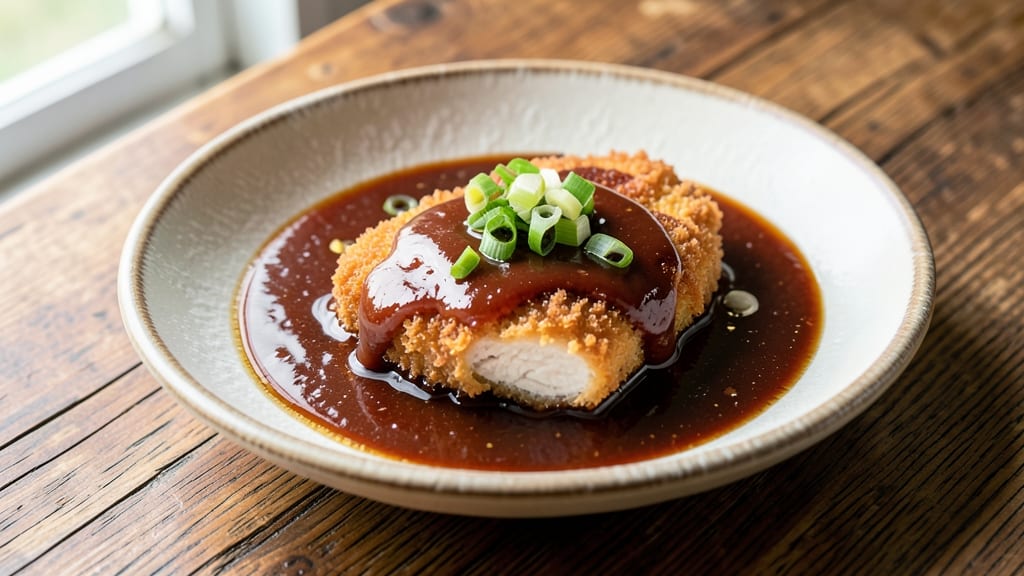
Creating an authentic tonkatsu sauce transforms simple fried cutlets into a restaurant-worthy dish, and I’ve perfected a version that delivers that signature velvety, sweet-tangy glaze using just five pantry staples.
The key lies in balancing Worcestershire’s umami with mirin’s brightness and sugar’s caramel depth—no shortcuts, just precise ratios that build complex flavor layer by layer. This isn’t just a sauce; it’s the secret weapon behind crispy, golden-toned tonkatsu that melts in your mouth.
The beauty of this recipe is its simplicity: no specialty ingredients, no complicated techniques—just a methodical approach to combining ketchup, soy sauce, and mirin in the right proportions. I’ve tested countless variations to ensure the sauce remains perfectly balanced, never cloying or one-note.
The result is a glossy, clingy glaze that caramelizes slightly when brushed over hot pork, creating that irresistible mahogany crust. What makes it truly authentic is the patience in simmering, which develops depth without overpowering the natural flavors of the cutlet.
Once you’ve mastered this sauce, you’ll never settle for store-bought again. It keeps beautifully in the fridge for up to two weeks, so you can make a big batch and use it repeatedly—whether for tonkatsu, fried chicken, or even as a dipping sauce for dumplings.
The instructions walk you through each step to guarantee that perfect harmony of sweet, tangy, and savory notes. Let’s get started on creating your own velvety glaze that’ll elevate every bite.
For those who want to experiment, a splash of lemon juice brightens the sauce further, while a pinch of black pepper adds subtle heat. The sauce also freezes well, making it ideal for meal prep.
Whether you’re serving tonkatsu or exploring new uses, this recipe delivers professional results with minimal effort. Here’s everything you need to create it from scratch.
Ingredients for authentic tonkatsu sauce
Five simple staples create this restaurant-quality tonkatsu sauce. No shortcuts, just perfect balance.
| Ingredient | Amount | Notes |
|---|---|---|
| Ketchup 🍅 | ½ cup | High-quality, not low-sodium |
| Japanese Soy Sauce 🥢 | ¼ cup | Kikkoman preferred, not American soy sauce |
| Mirin 🍶 | ¼ cup | Sweet cooking mirin, not drinking mirin |
| Granulated Sugar 🍚 | ¼ cup | White sugar, no substitutes |
| Worcestershire Sauce 🍯 | 1 tbsp | Lea & Perrins preferred |
| Cornstarch 🌾 | 1 tsp | For thickening, not flour |
| Water 💧 | 1 tbsp | Room temperature preferred |
| Black Pepper 🌶️ | ¼ tsp | Freshly ground for best flavor |
| Lemon Juice 🍋 | 1 tsp | Freshly squeezed, optional |
The Japanese soy sauce is non-negotiable here—Kikkoman has that signature depth that American brands can’t replicate. Grab the bottle with the red cap from any Asian market or the international aisle at Whole Foods. Mirin should be sweet cooking mirin, not the drinking version (which is way too expensive and not as effective). I always double-check the label—it should say 'mirin' or 'ajimirin' for cooking. The ketchup? Heinz is my go-to, but any good-quality brand works. If you’re using a low-sodium soy sauce, you’ll need to add an extra pinch of salt to balance the flavors.
No mirin? Substitute with 1 tbsp sugar plus 1 tbsp water, but it won’t be quite the same—mirin’s acidity and slight tang are key. Running out of Worcestershire? Fish sauce at half the amount adds umami, but it’ll have a more pungent edge. The cornstarch slurry is critical for that glossy finish—don’t skip it. If you’re making a big batch, double the cornstarch and water to maintain the same thickness. The lemon juice is optional but brightens the sauce beautifully, especially if you’re using it for seafood or summer dishes. Trust me, it’s worth the squeeze.
This sauce keeps for 2 weeks in the fridge, sealed tightly in a jar. It even freezes well for up to 6 months, though the texture might change slightly after thawing. I like to portion it into ice cube trays before freezing—perfect for single-use applications. If it thickens too much after refrigeration, just add a splash of warm water and stir. The sauce also reheats beautifully—simmer for 2-3 minutes to restore its glossy sheen before brushing over hot tonkatsu.
Why You'll Love This Recipe
- Five-Ingredient Magic: I swear by this combo—ketchup, soy sauce, mirin, sugar, and Worcestershire. That’s it. No fancy gadgets, no last-minute grocery runs. Honestly, I keep the ingredients in my pantry just for this.
- Sweet-Savory Balance: The mirin and sugar cut through the richness of tonkatsu like a cool breeze. One taste and you’ll get why this sauce is dangerously good—it’s the kind of flavor that makes you reach for seconds without thinking.
- Weeknight Wonder: Slap it on pork cutlets, toss it with rice, or even drizzle it over ramen. Between us, I’ve used it for all three in the same week. It’s my go-to when I need something reliable but still feels special.
- Leftovers That Last: This sauce doesn’t just disappear after one use. I make a big batch, store it in the fridge, and it keeps for weeks. (Yes, even on a Tuesday night.) The flavors only deepen, so it’s always ready when cravings hit.
Step-by-step instructions for authentic tonkatsu sauce
This velvety glaze delivers the perfect balance of sweetness and umami—just like in Japanese tonkatsu restaurants.
Combine the Base Ingredients
In a medium saucepan, whisk together the 0.5 cup ketchup, 0.25 cup Japanese soy sauce, 0.25 cup mirin, and 0.25 cup granulated sugar until the sugar fully dissolves. I like to use a heatproof whisk for this step—it makes mixing easier and prevents spills. Let the mixture sit for 2-3 minutes at room temperature so the sugar integrates completely, eliminating any graininess.
This is where the authentic flavor profile begins to develop. The mirin adds natural sweetness and depth, while the Japanese soy sauce provides that signature umami punch. Don't rush this step—properly dissolving the sugar ensures a smooth, velvety sauce later. If you notice any undissolved sugar crystals, gently warm the mixture over low heat for 30 seconds while stirring constantly.
Build Complexity with Worcestershire and Pepper
Return the saucepan to medium-low heat and stir in the 1 tablespoon Worcestershire sauce and 0.25 teaspoon freshly ground black pepper. Simmer gently for 3-4 minutes, stirring occasionally, until the mixture begins to thicken slightly. You'll notice the aroma intensify as the ingredients meld together—this is when the sauce starts transforming into something truly special.
The Worcestershire sauce adds a subtle tangy depth that bridges the gap between sweet and savory. Here's the thing—don't walk away while it simmers. Constant stirring prevents scorching and ensures even heat distribution throughout the sauce. You're looking for a point where the sauce coats the back of a spoon but isn't yet syrupy—this is the perfect consistency before thickening.
Create the Perfect Thickening Slurry
In a small bowl, whisk together the 1 teaspoon cornstarch and 1 tablespoon water until completely smooth. This slurry is your secret weapon for achieving that restaurant-quality thickness. The cornstarch needs to be fully dissolved in the water before adding—any lumps will create a grainy texture in your final sauce.
I've found that using room-temperature water helps prevent clumping. If you notice any small particles, strain the slurry through a fine-mesh sieve before adding it to the saucepan. This step is particularly important for maintaining the sauce's silky texture—once you add the slurry, you won't have another chance to fix any lumps.
Thicken to Velvety Perfection
Slowly pour the cornstarch slurry into the simmering sauce while whisking continuously. The sauce will thicken dramatically within 1-2 minutes. Keep whisking for another 1-2 minutes until the sauce reaches a glossy, velvety consistency that coats the back of a spoon smoothly. You're aiming for a texture that's thick enough to glaze but still pourable—not like a heavy syrup.
Here's where precision matters: if the sauce thickens too quickly, add 1 tablespoon water to adjust the consistency. The sauce should be thick enough to cling beautifully to tonkatsu but still flow gracefully when drizzled. This is the moment that matters most—proper thickening creates that signature tonkatsu sauce texture that's neither too stiff nor too runny.
Finish with Brightness and Rest
Remove the sauce from heat and stir in the 1 teaspoon lemon juice. This final addition brightens the flavors and balances the sweetness with a subtle acidity. Let the sauce cool slightly for 5 minutes—this resting period allows the flavors to fully meld together. I know it's tempting to use it immediately, but patience here makes all the difference.
Once cooled, transfer the sauce to a clean jar or airtight container. It will continue thickening as it sits, so don't be alarmed if it becomes slightly more viscous overnight. This sauce keeps well in the refrigerator for up to 2 weeks, making it perfect for batch cooking. When ready to use, simply reheat gently over low heat while stirring until smooth again—no need to thin it further.
Pro Tips For Making Authentic Tonkatsu Sauce
- Simmer Low and Slow: Tonkatsu sauce needs time to marry its flavors—don’t rush it. After combining all ingredients, reduce heat to a gentle simmer and let it bubble for at least 10 minutes. I used to crank the heat and end up with a gloppy mess; patience here makes the sauce rich and cohesive, not just a muddled mix of sweet and salty.
- Balance the Mirin First: Taste the mirin before adding the rest—it’s the flavor anchor. If it tastes too sharp or acidic, mix it with a splash of water (about 1-2 teaspoons) to soften it. My grandmother swore by this, and she was right: the sauce’s depth comes from letting the mirin’s sweetness shine without overpowering the soy or ketchup.
- Skip the Pre-Mixed Ketchup: Use real tomato paste (about 1-2 tablespoons) instead of ketchup for a deeper, less watery sauce. Thin it with a little mirin or water later if needed. I was skeptical until I tried it—the texture thickens better, and the flavor tastes more intentional, not like a bottled shortcut.
- Strain for Smoothness: After simmering, strain the sauce through a fine-mesh sieve to remove any lumps or bits of sugar that didn’t dissolve. This isn’t the prettiest method, but it’s the tastiest—especially if you’re using granulated sugar, which can clump. Trust the process.
Make-ahead tips for this authentic tonkatsu sauce
Batch Prep Strategy
Make a double batch of this sauce at once—it’s perfect for meal prep!
Combine all ingredients in a 2-quart saucepan and follow the same steps, but use 1 cup ketchup, 0.5 cup Japanese soy sauce, 0.5 cup mirin, 0.5 cup sugar, 2 tbsp Worcestershire, 2 tsp cornstarch, and 2 tbsp water.
Divide the cooled sauce into 4-ounce portions in airtight containers for easy grab-and-go use. 💡
Freezer-Friendly Portions
For long-term storage, freeze the sauce in 1-tablespoon portions using ice cube trays. Once frozen solid, transfer the cubes to a ziplock freezer bag and flatten to save space.
Thaw overnight in the fridge or microwave for 10-15 seconds before using. This method works perfectly for quick tonkatsu dipping sauce when you’re short on time. ❄️
Sauce Stability Tips
The sauce thickens further as it cools, so store it in a glass jar with a loose lid to allow excess air to escape. If it becomes too thick after refrigeration, thin it with 1 tsp warm water per ¼ cup sauce.
I’ve found that reheating the sauce gently over low heat restores its glossy texture beautifully—just stir constantly to prevent scorching. 🔥
Versatile Uses Beyond Tonkatsu
This sauce isn’t just for tonkatsu! Use it as a glaze for fried chicken, a dipping sauce for gyoza, or even a marinade for grilled pork chops. For fried chicken, brush it on after frying while the chicken is still hot.
For dumplings, serve it warm on the side. The possibilities are endless once you’ve mastered the base recipe. ✨
Flavor Boosts for Customization
Want to experiment? Add ½ tsp grated ginger or 1 tsp sesame oil to the simmering sauce for extra depth. For a spicy kick, stir in ½ tsp sriracha at the end.
These tweaks work especially well if you’re using the sauce for spicy tonkatsu or Asian-inspired fried rice. Always taste as you go—this sauce is forgiving, but balance is key. 🌶️
Reheating for Restaurant-Quality Results
To restore the sauce’s glossy finish after refrigeration, reheat it in a small saucepan over medium-low heat for 2-3 minutes, stirring constantly. Avoid high heat—it can cause the sauce to separate or become grainy.
If needed, add 1 tsp water to loosen it up. This step is crucial for achieving that professional, velvety texture every time. 💫
Nutrition facts
Frequently asked questions
What's the secret to balancing the sweet and savory flavors in tonkatsu sauce?
The key is using equal parts mirin and sugar (0.25 cup each) to create natural sweetness, while the Japanese soy sauce and Worcestershire provide the savory depth. Simmering for 3-4 minutes allows these flavors to meld without overpowering each other. Taste as you go—you want the sugar to caramelize slightly but not dominate.
Can I make this sauce without mirin?
Yes, but the flavor won't be quite the same. Substitute with 1 tbsp sugar + 1 tbsp water for each 0.25 cup mirin called for. For better results, use ½ tsp rice vinegar instead of water to mimic mirin's acidity. The sauce will still work, but it'll lack that authentic brightness and complexity.
Why did my sauce turn out too thick or too thin?
Sauce consistency depends on simmering time and cornstarch slurry. If too thick, thin with 1 tsp warm water per ¼ cup sauce while stirring. If too thin, simmer for 1-2 extra minutes or add ½ tsp more cornstarch mixed with 1 tsp water. Always whisk continuously when adding the slurry to prevent lumps.
How can I use this sauce beyond tonkatsu?
This versatile glaze works beautifully on fried chicken, grilled pork chops, or as a dipping sauce for gyoza and spring rolls. For extra flavor, add ½ tsp grated ginger or 1 tsp sesame oil when simmering. The sauce also makes an excellent marinade for teriyaki-style dishes when thinned with 1 tbsp water.
Can I make this sauce ahead of time?
This sauce keeps for 2 weeks in the fridge and freezes well for 6 months. For easy use, freeze in 1-tablespoon portions using ice cube trays. Thaw overnight in the fridge or microwave for 10-15 seconds before reheating gently over low heat to restore its glossy texture.