
Sauces & Condiments
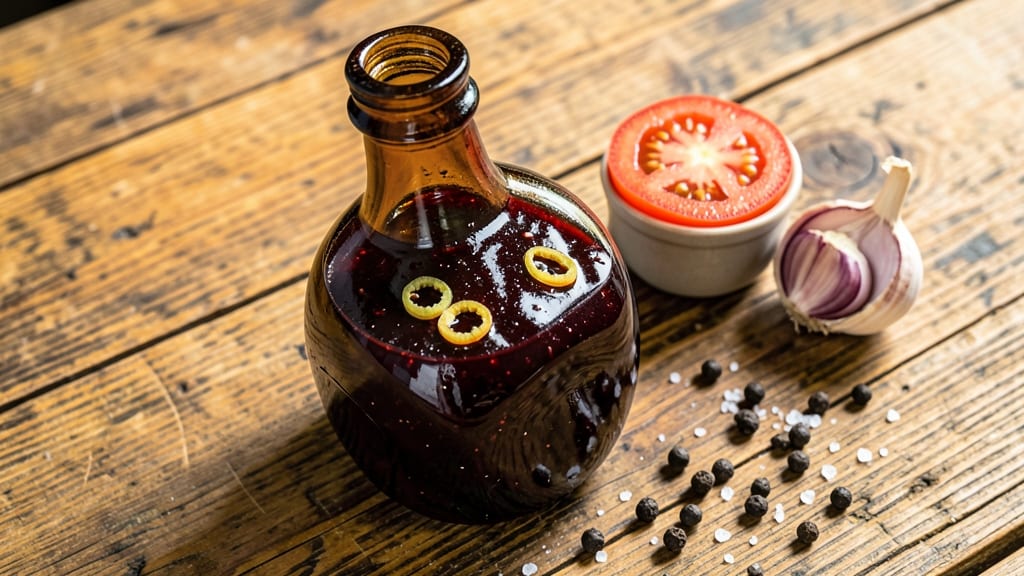
This copycat Tabasco sauce recipe brings the same bold, smoky heat home instantly—no shipping delays or steep price tag. The secret lies in balancing cayenne peppers with vinegar and a touch of salt, then letting the flavors meld over time.
I've perfected this recipe after years of testing, ensuring every batch delivers that signature tangy kick with just the right amount of depth.
This version uses simple pantry staples: white vinegar, cayenne peppers, and a pinch of salt, all combined in precise proportions. The process is straightforward—no fermentation required—but the aging period (at least 2 weeks) develops the complex flavor profile that sets Tabasco apart.
What you'll end up with is a sauce that's bold, versatile, and ready to elevate everything from seafood to cocktails.
The result is a sauce with the same fiery character and balanced acidity as the original, but with the satisfaction of knowing exactly what went into it.
Whether you're a home cook or a professional, this recipe delivers professional-quality results in just minutes of prep—though the waiting is worth it for that unmistakable Tabasco taste. Let's get started on creating your own batch.
Once made, this sauce keeps for months in the refrigerator, making it perfect for stocking your pantry. Use it as a finishing touch on dishes or mix it into marinades for an instant flavor boost.
The possibilities are endless, and the process couldn't be simpler—just follow the steps and let time do the rest.
Ingredients for copycat tabasco sauce
Four cayenne peppers and two cups vinegar—this is all you need to recreate Tabasco's iconic kick at home.
| Ingredient | Amount | Notes |
|---|---|---|
| White Vinegar 🍶 | 2 cups | Distilled, not apple cider |
| Cayenne Peppers 🌶️ | 4 whole | Fresh, medium heat preferred |
| Sea Salt 🧂 | 1 ½ tsp | Fine grain preferred |
| Garlic Cloves 🧄 | 2 cloves | Minced, optional for depth |
| Black Peppercorns 🌶️ | ½ tsp | Crushed, for complexity |
| Cayenne Pepper Powder 🔥 | 1 tsp | For extra heat consistency |
| Smoked Paprika 🌶️ | ½ tsp | For subtle smokiness |
| Brown Sugar 🍬 | 1 tbsp | Lightly packed, balances heat |
| Water 💧 | ½ cup | For thinning if needed |
The cayenne peppers are the heart of this sauce. Look for medium-hot varieties—the kind that aren't so spicy they're unusable, but pack enough heat to stand up to vinegar. Trader Joe's and Whole Foods usually carry good ones, but any fresh market should work. If you can't find fresh, dried cayenne works in a pinch—just double the amount. The vinegar matters too: distilled white vinegar is the classic choice, but apple cider vinegar adds a fruity twist if you're feeling experimental. I always buy a gallon of vinegar when I make this—it lasts forever and comes in handy for other projects.
No smoked paprika? Regular paprika plus a pinch of liquid smoke gets you close. Short on cayenne powder? Crushed red pepper flakes at half the amount works too. The garlic and black peppercorns are optional but add layers of flavor—skip them if you're keeping it strictly traditional. The brown sugar balances the acidity, so don't omit it unless you love tartness. For storage, I use a clean glass jar with a tight seal—sterilize it first to prevent mold. The sauce will thicken as it ages, so add water later if needed.
This sauce gets better with time—at least 2 weeks for that signature Tabasco flavor. Store it in the fridge, and it'll keep for up to a year if you seal it properly. I always make a double batch because it disappears fast. Once opened, shake it before each use—settling happens. The first few drops might be stronger, so taste as you go. Perfect for drizzling on shrimp, mixing into Bloody Marys, or adding to marinades. Trust me, your pantry will thank you.
Why You'll Love This Recipe
- No-Pantry Panic: I’ll never stress over missing ingredients again—just vinegar, cayenne, and salt. That’s it. No fancy jars or hard-to-find spices lurking in my cabinet.
- Garlic Bomb Heat: One crushed clove and a few peppercorns turn this into something ridiculously addictive. The vinegar cuts through the burn, leaving that bright, tangy kick that sticks with you.
- Game for Any Meal: Slather it on eggs, drizzle over tacos, or toss into soups—it’s the MVP of quick meals. Honestly, I’ve used it on everything from grilled cheese to deviled eggs, and it never lets me down.
- Lasts Like Crazy: A single batch keeps in my fridge for weeks, and the flavor only gets better. Between us, I’ve had this sauce sit for months in the pantry—still sharp, still delicious, still my secret weapon.
Step-by-step instructions for copycat Tabasco sauce
Here's how to make this smoky, peppery sauce that captures Tabasco's iconic heat and depth.
Prepare the Cayenne Peppers for Maximum Flavor
Start by slicing the 4 whole cayenne peppers into ¼-inch rings—this exposes more surface area for flavor infusion. Remove stems and seeds, but leave the membranes intact to preserve natural oils. I like to blanch them in boiling water for 10 seconds to soften slightly, then immediately plunge into ice water to stop cooking. This step prevents bitterness while keeping the peppers vibrant.
Drain well and pat dry with paper towels. The peppers should be pliable but not mushy—this ensures they'll release their natural oils and heat into the vinegar without overpowering the sauce. If using particularly spicy peppers, you might want to wear gloves, as the capsaicin can irritate skin.
Toast the Spices for Depth of Flavor
In a dry skillet over medium heat, toast the 2 cloves minced garlic, 0.5 teaspoon crushed black peppercorns, 1 teaspoon cayenne pepper powder, and 0.5 teaspoon smoked paprika for 2-3 minutes. Stir constantly so they don't burn—you're looking for an aroma that's warm and aromatic, not acrid. The garlic should smell nutty, and the spices should release their essential oils.
Remove from heat and let cool for 1 minute. This toasting step develops complex flavors that mimic Tabasco's signature smokiness. If you skip this, your sauce will taste flat and one-dimensional. Transfer the toasted spices to a small bowl and set aside.
Combine Ingredients and Simmer
In a heavy-bottomed saucepan, combine the 2 cups white vinegar, toasted spices, 1.5 teaspoons sea salt, 1 tablespoon brown sugar, and the prepared cayenne pepper rings. Bring to a gentle simmer over medium-low heat, then reduce to the lowest setting possible while maintaining a steady bubble. Let it cook uncovered for 20-25 minutes, stirring occasionally.
Watch for the mixture to darken slightly and thicken—this indicates the flavors are melding. The brown sugar will help balance the acidity and heat, while the vinegar preserves the sauce. If the mixture reduces too quickly, add the 0.5 cup water in small increments to maintain consistency. You want a sauce that coats the back of a spoon but isn't syrupy.
Strain and Bottle for Freshness
After simmering, remove from heat and let cool for 5 minutes. Strain through a fine-mesh sieve into a clean glass jar, pressing gently on the peppers to extract maximum flavor. Discard the solids. The sauce should be vibrant red with a deep, peppery aroma. If it's too thick, thin with a splash of water; if too thin, simmer uncovered for another 5 minutes to reduce.
Let the sauce cool completely before sealing. Store in the refrigerator for up to 3 months or process in a water bath for shelf stability. This sauce will deliver the same bold, smoky heat as the original, perfect for drizzling on seafood, tacos, or cocktails. The key is patience—rushing the simmering will result in a harsh, vinegary product instead of the smooth, balanced copycat you're after.
Pro Tips For Making Copycat Tabasco Sauce
- TOAST THE PEPPERS: Skip the raw cayenne—toss them in a dry pan over medium heat for 30 seconds until fragrant. I learned this the hard way: raw peppers just sit there like wallflowers, but toasted ones wake up the whole sauce with a deeper, smokier punch. (Yes, even if you’re impatient like me, wait for the aroma—it’s your cue.)
- SMASH THE GARLIC: Don’t just mince it—crush those garlic cloves with the flat side of your knife first, then chop. This releases more flavor and prevents that bitter aftertaste that sneaks in when garlic’s left whole. My grandmother swore by this, and she was right: it’s the thing that makes your sauce taste like it came from a Louisiana kitchen, not a rushed weeknight.
- STRAIN THE PEPPERCORNS: Toss the whole black peppercorns in with the vinegar, then strain them out before bottling. Whole peppercorns add heat but leave weird texture bits—like finding a gravel pit in your sauce. A fine-mesh sieve takes 10 seconds and keeps everything silky smooth. (Your future self will thank you.)
- SIMMER LOW AND LONG: Don’t boil this sauce—simmer it at 180°F (82°C) for at least 20 minutes. I used to rush it, and the vinegar would turn harsh and one-dimensional. Low and slow lets the flavors meld like a slow dance, not a sprint. If you’re worried about evaporation, cover loosely and check every 5 minutes.
Troubleshooting this dish
Overly Vinegary Result
The most common issue is a sauce that tastes harshly acidic, like straight vinegar. This happens when the cayenne peppers aren’t properly infused or the simmer time is too short. To fix it, extend the simmer to 30-40 minutes and add ½ teaspoon more brown sugar to balance the acidity.
I’ve found that using freshly sliced peppers (not dried) helps—dried peppers can’t release their oils as effectively. 🌶️
Muted or Weak Flavor
If your sauce lacks depth and tastes bland, the spices likely weren’t toasted long enough or the peppers weren’t fresh. Toast the spices for an extra 1-2 minutes until they’re fragrant, and use fresh cayenne peppers from a trusted source like Penzeys.
For extra punch, add ½ teaspoon of liquid smoke to the simmering mixture—just a drop goes a long way for that smoky Tabasco character.
Sauce Too Thin or Watery
A runny sauce usually means the vinegar wasn’t reduced enough or too much water was added. Simmer uncovered for an additional 10-15 minutes to thicken it naturally.
If it’s still too thin, mix 1 teaspoon cornstarch with 1 tablespoon cold water, stir into the sauce, and simmer for another 5 minutes until it reaches the right consistency. I’ve also had success using apple cider vinegar instead of white vinegar—it’s slightly thicker and adds a subtle sweetness.
Mold or Fermentation Gone Wrong
If your sauce develops mold or an off smell, it’s likely due to improper storage or contamination. Always use a sterilized glass jar and ensure the peppers and other ingredients are completely dry before combining.
Store the sauce in the fridge and use it within 3 months for best results. If you notice any funky odors or mold, discard it immediately—this isn’t worth the risk. 🚨
Uneven Heat Distribution
Some batches can have inconsistent heat, with certain drops being much hotter than others. This usually happens if the cayenne peppers weren’t sliced evenly or if the sauce wasn’t stirred frequently during simmering. For a smoother heat, blend the sauce lightly after straining (but not too much—you want some texture).
If you’re using particularly spicy peppers, consider reducing the number to 3 whole peppers and adding ½ teaspoon extra cayenne powder for consistency.
Sauce Too Thick or Syrupy
If your sauce is too thick, it might have reduced too much or the brown sugar caramelized excessively. Thin it with 1-2 tablespoons of water or vinegar while warm, stirring until smooth.
For future batches, keep a closer eye on the simmering process—reduce the heat slightly if it’s bubbling too vigorously. If the sauce is still too thick after thinning, you can always add a splash more vinegar and let it sit for a day to mellow out.
Nutrition facts
Frequently asked questions
Can I make this sauce without fresh cayenne peppers?
Yes, but with adjustments. Use 2 teaspoons dried cayenne powder instead of fresh peppers, and toast it with the other spices for 1-2 extra minutes to enhance flavor. For a closer match, add ½ teaspoon liquid smoke to mimic the smoky depth of fresh peppers. The result will be slightly less vibrant but still delicious.
How long does it take for the sauce to reach its full flavor?
The sauce needs at least 2 weeks of aging in the refrigerator to develop that signature Tabasco tang and complexity. After 4 weeks, the flavor peaks and becomes more balanced. Patience is key—rushing it results in a harsh, vinegary taste instead of the smooth, smoky profile you want.
Can I adjust the heat level in this recipe?
For milder heat, reduce cayenne peppers to 2 whole peppers and omit the cayenne powder. For extra spice, add ½ teaspoon more cayenne powder or swap in 1-2 habanero slices (remove seeds for less heat). Always taste as you go—vinegar mellows heat over time, so adjustments may be needed after aging.
What's the best way to store homemade Tabasco-style sauce?
Store in a sterilized glass jar with a tight seal in the fridge for up to 3 months. For longer storage, process in a water bath for shelf stability (up to 1 year). Always check for mold or off smells before using—proper storage prevents spoilage. The sauce thickens as it ages, so add water if needed before serving.
Why does my sauce look different from store-bought Tabasco?
Homemade versions vary in color due to pepper freshness and simmer time. Store-bought Tabasco uses a specific pepper blend and aging process, while this recipe relies on fresh cayenne. For a deeper red hue, simmer longer (30+ minutes) or add 1 teaspoon beet powder. The flavor will still match Tabasco's signature kick, just with natural variations.