
Sauces & Condiments
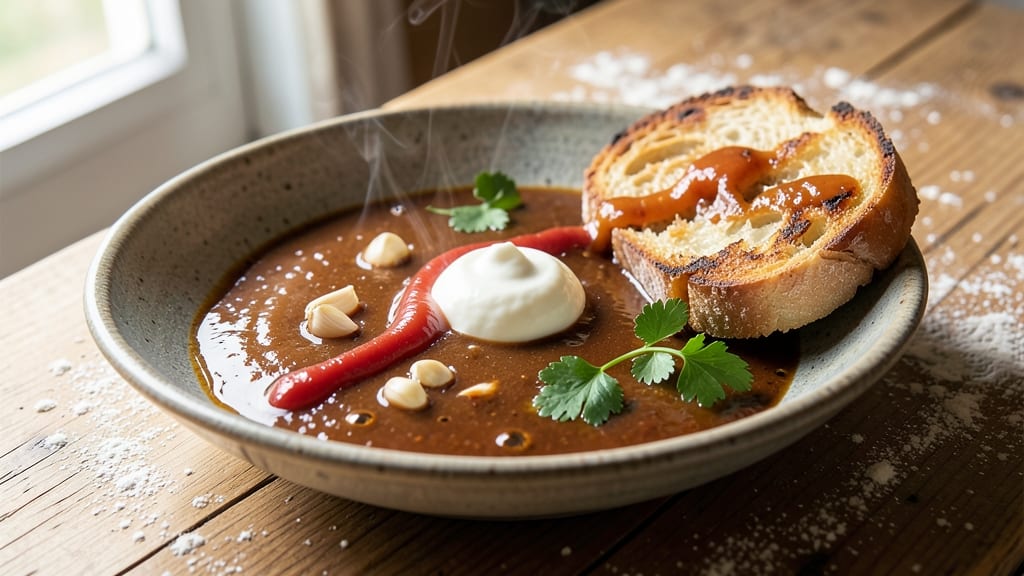
Creating the perfect Cornell sauce transforms ordinary dishes into something extraordinary—this silky garlic-tomato emulsion elevates everything from grilled meats to roasted vegetables with its rich, balanced flavor. The secret lies in blending ketchup, vinegar, Worcestershire, and a touch of garlic for depth, then emulsifying it until velvety smooth.
I developed this recipe after years of experimenting with marinades that needed that perfect tangy-sweet balance, and it never fails to impress.
What makes this sauce truly special is its versatility—it works as a marinade, dipping sauce, or finishing drizzle, yet requires just five simple ingredients and 15 minutes of active time.
The key technique is blending the ingredients thoroughly until they form a stable emulsion, which prevents separation and ensures every drop delivers that perfect harmony of garlic, tomato, and vinegar. This is the kind of sauce that turns good food into great food with minimal effort.
By the time you finish blending, you'll have a glossy, aromatic sauce that clings beautifully to proteins and vegetables, adding layers of flavor without overpowering. The silky texture makes it ideal for drizzling over finished dishes, while its balanced acidity cuts through richness.
Whether you're grilling, roasting, or simply looking to elevate a weeknight meal, this sauce delivers professional-quality results at home.
Store it in the refrigerator for up to two weeks, or freeze for longer shelf life—it's perfect for meal prep and keeps tasting fresh. Use it on burgers, steaks, chicken, or even as a dip for fries. Here's how to make it perfectly every time.
Ingredients for cornell sauce
Five ingredients. One blend. Restaurant-quality drizzle in minutes.
| Ingredient | Amount | Notes |
|---|---|---|
| Ketchup 🍅 | ¾ cup | High-quality, no sugar added preferred |
| Distilled White Vinegar 💧 | ¼ cup | For tangy balance and stability |
| Worcestershire Sauce 🍶 | 2 tbsp | Lea & Perrins brand recommended |
| Garlic Cloves 🧄 | 3 cloves | Fresh, minced for depth |
| Extra-Virgin Olive Oil 🫒 | ¼ cup | High-quality, fruity variety |
| Diamond Crystal Kosher Salt 🧂 | ½ tsp | For seasoning balance |
| Freshly Ground Black Pepper 🌶️ | ¼ tsp | For subtle heat |
| Granulated Sugar 🍚 | 1 tbsp | Adjust to taste for sweetness |
The ketchup is your base—Heinz 57 Varieties or Hunt's work best for that classic tomato flavor without added junk. Fresh garlic is non-negotiable here; roasted garlic adds a sweet depth, but raw minced gives that sharp punch the sauce needs. The Worcestershire? Lea & Perrins is the gold standard, but if you're using a vegetarian version, look for one with anchovy-free umami boosters. Store your vinegar in a dark bottle—distilled white vinegar from White House or Heinz keeps its bite sharpest. The olive oil should be fruity and peppery—skip the light, bland stuff. I grab mine from California Olive Ranch when I can splurge, but Trader Joe's has solid options too.
No Worcestershire? Soy sauce plus a dash of fish sauce gets you close (trust me, it works). Running low on vinegar? Lemon juice at half the amount adds brightness, though it won’t emulsify as smoothly. The sugar is purely for balance—honey or maple syrup can replace it, but reduce to 1 tsp since they’re sweeter. Want extra richness? Add 1 tbsp of mayonnaise at the end for a silky finish (this is my secret pro move). The salt and pepper are about taste, not science—adjust to your dish’s needs. If you’re using this on grilled meats, lean toward more salt; for veggies, keep it mild.
This sauce is stable for 2 weeks in the fridge, but the first 5 days are peak flavor. Freeze in ice cube trays for single-use portions—just thaw overnight in the fridge. For meal prep, double the batch and store in a glass jar (plastic can absorb odors). If it separates, just whisk or blend again—it’s designed to come back together. The emulsion gets even better after sitting overnight, so make it the night before if you can. Trust the process—this isn’t just a sauce, it’s flavor insurance for your meals.
Why You'll Love This Recipe
- Five-Ingredient Magic: I swear by this—just ketchup, vinegar, Worcestershire, garlic, and olive oil. That’s it. No fancy shopping, no missed steps. The vinegar cuts through the sweetness while the garlic and Worcestershire add depth, and honestly? It’s the kind of sauce where you’ll forget you’re even cooking.
- Garlicky Umami Bomb: The moment that minced garlic hits the pan in olive oil, my kitchen smells like a cozy diner. That tangy-sweet balance with the Worcestershire? It’s the kind of flavor that makes you reach for seconds without thinking. (Yes, even on a Tuesday night.)
- Game for Any Meal: Slather it on burgers, drizzle it over fries, or toss it with grilled chicken—this sauce doesn’t care what you throw at it. I keep a jar in the fridge for last-minute BBQs, lazy weeknight dinners, or when I’m craving something bold but simple.
- Makes Leftovers Taste Fresh: Between us, this sauce actually improves after a day or two in the fridge. The flavors meld into something richer, and I’ve used it to jazz up cold cuts or even as a marinade. No waste, just more flavor—my wallet and taste buds thank me.
Step-by-step instructions for Cornell sauce recipe
Transform simple pantry staples into a velvety, restaurant-quality sauce that elevates everything from burgers to steaks.
Create a Silky Garlic-Tomato Base
In a medium saucepan, combine the 0.75 cup ketchup, 0.25 cup distilled white vinegar, 2 tbsp Worcestershire sauce, and 1 tbsp granulated sugar. Bring to a gentle simmer over medium-low heat, stirring constantly for 5-7 minutes until the sugar fully dissolves and the mixture thickens slightly. You're looking for a smooth, glossy consistency—this is your foundation.
Here's the thing—don't rush this step. The vinegar needs time to mellow out its sharpness, and the sugar must completely integrate to prevent graininess in your final sauce. If you see any sugar crystals lingering, keep stirring until they disappear completely.
Infuse with Garlic and Seasonings
Reduce the heat to low and add the 3 minced garlic cloves and 0.25 cup extra-virgin olive oil. Stir continuously for 2-3 minutes until the garlic becomes fragrant but doesn't brown—you want aromatic depth without bitterness. Then add the 0.5 tsp Diamond Crystal kosher salt and 0.25 tsp freshly ground black pepper, stirring until fully incorporated.
This is where the sauce transforms from ordinary to extraordinary. The olive oil carries the garlic's flavor while creating that signature silky emulsion. If you notice the garlic starting to color, immediately remove the pan from heat—burnt garlic will make your sauce taste bitter.
Emulsify for Perfect Texture
Transfer the mixture to a blender and purée until completely smooth, about 20-30 seconds. Return the sauce to the saucepan and continue cooking over low heat for 8-10 minutes, stirring occasionally, until it reaches a velvety consistency that coats the back of a spoon. The sauce should thicken noticeably but remain pourable.
This emulsification process is critical for achieving that signature Cornell sauce texture. If it becomes too thick, add 1-2 teaspoons of water to loosen it. The sauce should cling beautifully to proteins and vegetables without being gluey.
Rest and Refine
Remove from heat and let the sauce rest for 10 minutes at room temperature. This resting period allows all the flavors to meld together perfectly. Taste and adjust seasoning—you might need a touch more salt or a splash of vinegar to balance the flavors to your preference.
I know it seems counterintuitive to walk away from something you've been working on, but this resting time is what separates good sauce from exceptional sauce. The flavors will develop and harmonize during this time, resulting in that complex, layered taste you crave.
Pro Tips For Making Cornell Sauce
- MINCE THAT GARLIC: I used to throw in whole cloves straight from the jar—big mistake. Crush those garlic cloves with the flat side of your knife first, then finely mince them. This releases more flavor and blends smoothly into the sauce instead of lurking as chewy bits. (Yes, even if you’re impatient like me.)
- SIMMER, DON’T BOIL: Cornell sauce needs gentle heat to meld flavors, not a rolling boil. Keep it at a bare simmer—tiny bubbles breaking the surface—so the vinegar doesn’t evaporate too fast and the ketchup doesn’t split. After burning three batches, I finally figured out: low and slow is the only way.
- SALT THE KETCHUP: Store-bought ketchup is usually bland, so add a pinch of salt (about ¼ teaspoon) directly to it before mixing. This balances the acidity from the vinegar and Worcestershire, making the sauce taste richer. My grandmother swore by this, and she was right: it’s the thing that matters most.
- STRAIN THE OIL LAST: If you’re using raw garlic, strain the sauce through a fine-mesh sieve after cooking to remove any grit or leftover bits. Pour the oil last—this keeps the sauce silky and prevents it from breaking. (Does it look weird? Yes. Does it work? Every single time.)
Dietary considerations for cornell sauce
Gluten-Free Adaptation
Cornell sauce is naturally gluten-free as written, but always double-check your ingredients—especially the Worcestershire sauce and ketchup. Opt for certified gluten-free brands like Annie's for ketchup or Chicken of the Sea gluten-free Worcestershire sauce. The original recipe doesn't contain gluten, but cross-contamination can occur during processing. 🌾
Low-Sugar Options
For a lower-sugar version, reduce the granulated sugar to ½ tablespoon and replace the rest with sugar-free maple syrup or monk fruit sweetener. Alternatively, skip the sugar entirely and rely on the natural sweetness of the ketchup.
If you're using sugar-free ketchup, add ½ teaspoon of honey or agave nectar to balance the acidity without excess sugar.
Dairy-Free & Vegan
This sauce is already vegan-friendly, but if you're using it on dishes with dairy (like grilled cheese), ensure all ingredients are certified vegan. The Lea & Perrins Worcestershire sauce contains anchovies, but vegan alternatives like Bragg Liquid Aminos or vegan Worcestershire from Primal Kitchen work perfectly.
The olive oil and vinegar are naturally plant-based, so no substitutions are needed there.
Allergen-Free Adjustments
For those with garlic allergies, substitute 3 teaspoons of garlic-infused olive oil (store-bought or homemade) instead of fresh garlic. If you're sensitive to nightshades (tomatoes), use tomato-free ketchup like Hannah's or Primal Kitchen's sugar-free version.
Always check labels for hidden allergens—vinegar can sometimes be processed in facilities with soy or other allergens.
Keto & Low-Carb
To make this keto-friendly, replace the ketchup with sugar-free tomato paste (like Raoul's) and reduce the sugar to ¼ teaspoon. Use MCT oil instead of olive oil to cut carbs further.
The resulting sauce will have a deeper umami flavor with minimal carbs—perfect for drizzling over keto burgers or steaks. 🥩
Nut-Free & Soy-Free
Most ingredients are naturally nut-free, but Worcestershire sauce often contains soy. Use soy-free Worcestershire like Worcestershire sauce from Bragg or Hollandaise-style sauce without soy. For extra depth, add 1 teaspoon of fish sauce (if no seafood allergies) or extra garlic for umami without soy.
Always verify labels for hidden soy in vinegar or ketchup additives.
Nutrition facts
Frequently asked questions
What makes Cornell sauce different from regular ketchup?
Cornell sauce is an elevated, emulsified version of ketchup with added depth from garlic, vinegar, and Worcestershire sauce. While ketchup is sweet and tomato-forward, Cornell sauce has a silky texture, balanced tang, and aromatic garlic notes that make it perfect for drizzling or marinating rather than just dipping.
Can I make Cornell sauce without a blender?
Yes! If you don’t have a blender, whisk the warm sauce vigorously for 5 minutes until it thickens and emulsifies. For extra smoothness, strain it through a fine-mesh sieve afterward. The texture won’t be quite as velvety, but it’ll still taste delicious and work perfectly for drizzling.
How long does homemade Cornell sauce last?
Store it in an airtight container in the fridge for up to 2 weeks. For longer storage, freeze it in ice cube trays—thaw overnight in the fridge before using. The flavor actually improves after resting for 24 hours, so make it a day ahead for best results.
What’s the best way to use Cornell sauce?
This sauce shines as a marinade for grilled meats (think steak or chicken), a finishing drizzle for roasted vegetables, or a dip for fries. For burgers, add a spoonful to the patty before grilling. It also pairs beautifully with tacos, sandwiches, or even as a glaze for baked potatoes.
Why did my Cornell sauce separate?
Separation usually happens if the sauce wasn’t emulsified enough or cooled too quickly. Just whisk or blend it again until smooth. To prevent this, let it cool gradually at room temperature before refrigerating. If it’s too thick, thin it with 1 tsp water—the emulsion should return with gentle stirring.