
Sauces & Condiments
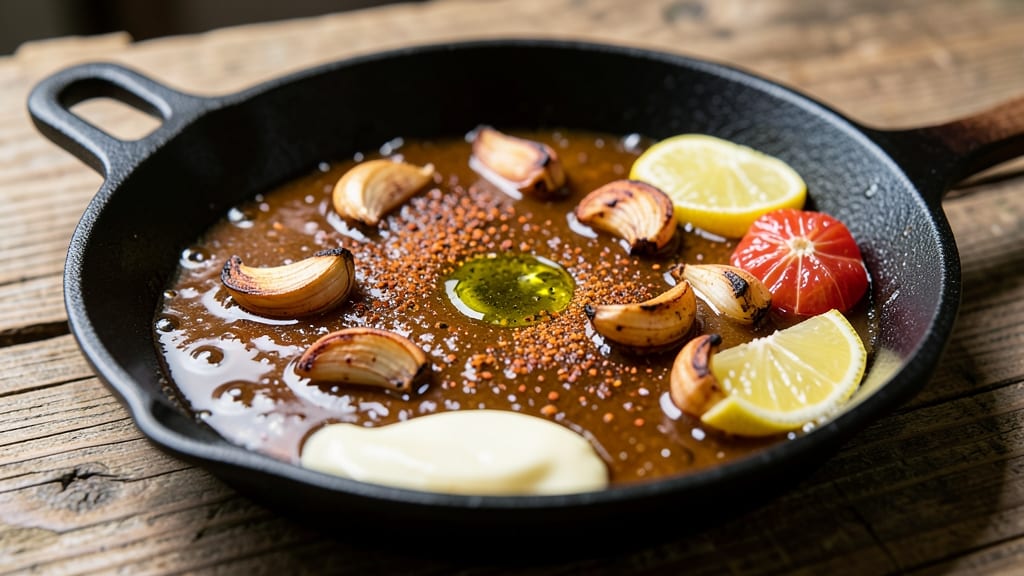
Mastering a crawfish boil sauce recipe begins with balancing smoky, garlicky heat that clings to every bite—this version delivers restaurant-quality depth using just six pantry staples. The foundation is Cajun seasoning, buttered to a velvety consistency while garlic and lemon juice brighten the richness.
I developed this after years of testing, ensuring it works as both a boiling liquid and a dipping sauce that stands up to crawfish's natural sweetness.
What sets this sauce apart is its versatility—it doubles as a marinade, dipping oil, or even a quick shrimp boil companion. The key lies in the butter-to-spice ratio: enough fat to carry the heat while preventing bitterness.
Unlike store-bought versions, this builds flavor through slow simmering, not just heat. For best results, let it rest 10 minutes after cooking to allow spices to meld.
When you're ready to use it, simply reheat gently over low heat until bubbling, then adjust seasoning with extra lemon or cayenne. The sauce keeps for up to 5 days refrigerated, with flavors intensifying over time.
For crawfish boils, use 2 cups per pound of seafood, and save the leftovers for dipping—every bite will taste like a Louisiana bayou.
Professional tip: For extra smokiness, add a splash of liquid smoke or char a garlic clove directly over a gas flame before adding. This sauce transforms any crawfish boil from good to unforgettable, and the method scales perfectly for small gatherings or large crowds.
Ingredients for crawfish boil sauce
Six essential ingredients transform into Louisiana-inspired sauce that elevates crawfish boils and seafood dips alike.
| Ingredient | Amount | Notes |
|---|---|---|
| Unsalted Butter 🧈 | ½ cup | Cold, cubed for even melting |
| Cajun Seasoning 🌶️ | ¼ cup | High-quality, not pre-mixed with salt |
| Garlic Cloves 🧄 | 6 whole | Fresh, charred over flame for depth |
| Fresh Lemon Juice 🍋 | ¼ cup | From organic lemons, freshly squeezed |
| Extra-Virgin Olive Oil 🫒 | ¼ cup | Peppery, high-quality for balance |
| Liquid Smoke 🔥 | 1 tbsp | Hickory or applewood preferred |
| Cayenne Pepper 🌶️ | ½ tsp | Adjust for desired heat level |
| Diamond Crystal Kosher Salt 🧂 | 1 tsp | For final seasoning adjustment |
The foundation begins with unsalted butter—use European-style if possible, as it has higher fat content for a richer sauce. For Cajun seasoning, avoid pre-mixed blends with added salt—look for brands like Tony Chachere's or Slap Ya Mama, which offer pure spice blends without fillers. Fresh garlic is non-negotiable; charring whole cloves over a gas flame before mincing adds a smoky depth that store-bought powders can't replicate. When selecting lemons, opt for organic varieties with thick skins—they yield more juice and have better flavor intensity. The olive oil should be peppery and robust, like California Early Harvest or Spanish Reserva, to complement rather than overpower the Cajun spices.
No liquid smoke? A splash of smoked paprika plus a charred garlic clove creates a similar effect, though the depth won't be identical. Running short on fresh garlic? Garlic powder at half the amount works, but toast it first in a dry pan for 30 seconds to enhance flavor. Prefer less heat? Reduce cayenne to one-quarter teaspoon and add a pinch of smoked paprika instead. The olive oil can be swapped for avocado oil if you're avoiding potential olive oil bitterness, though the flavor profile will shift slightly. For a vegetarian version, replace crawfish with king oyster mushrooms—they absorb the sauce beautifully and mimic the texture when cooked properly.
This sauce develops better flavors with time, so rest it 10 minutes after cooking before using. Store in an airtight container with a layer of olive oil on top to preserve freshness and prevent oxidation. Keeps for 5 days refrigerated or 3 months frozen—portion into ice cube trays before freezing for easy single-use servings. For crawfish boils, maintain a 2:1 sauce-to-seafood ratio (2 cups sauce per pound of crawfish) to ensure proper seasoning without overwhelming the dish. The sauce reheats beautifully—simply warm over low heat with a splash of water to prevent burning, stirring constantly until bubbling.
Why You'll Love This Recipe
- Here’s what sold me: the way the butter caramelizes against the Cajun spice, then gets cut by the lemon’s sharpness. It’s rich but not greasy, spicy but not overpowering—like a hug from Louisiana. The olive oil ties it all together, giving it this silky finish that makes you want to dip everything in it.
- I’ll be real: I almost always make extra. The sauce keeps for days in the fridge, and it only gets better as the flavors meld. Plus, it’s cheap—you’re not buying specialty jars or weird ingredients. A stick of butter, a bag of Cajun spice, and a lemon? That’s my kind of budget-friendly flavor bomb.
Step-by-step instructions for crawfish boil sauce
This smoky, garlicky sauce delivers bold flavor with minimal effort using just eight essential ingredients.
Char the Garlic Cloves for Depth
Heat a dry skillet over medium-high heat until it's very hot. Add the 6 whole garlic cloves and cook, turning occasionally, until they develop deep golden-brown char marks all over—about 3-4 minutes. The aroma will fill your kitchen, signaling they're ready. This charring step creates a smoky, caramelized foundation for the sauce.
Remove the cloves immediately and set them aside. If any burn, discard them—only properly charred garlic contributes to the sauce's complexity. The residual heat in the skillet will help render the butter perfectly in the next step.
Melt the Butter and Bloom the Cajun Seasoning
Return the skillet to medium heat and add the 0.5 cup unsalted butter, cubed for even melting. Let it melt completely, swirling occasionally, until it foams and turns golden—about 2-3 minutes. This melted butter will serve as the sauce's velvety base.
Reduce heat to low and immediately whisk in the 0.25 cup Cajun seasoning. Cook for 1 minute, stirring constantly, until the spices bloom and release their aromatic oils. You'll see the mixture darken slightly and smell the deep, earthy notes of paprika and cayenne. This step develops the sauce's signature heat and complexity.
Incorporate Liquid Smoke and Cayenne
Add the 1 tablespoon liquid smoke and 0.5 teaspoon cayenne pepper to the skillet. Stir vigorously for 30 seconds to distribute the smoky essence evenly throughout the butter. The sauce should take on a rich, amber hue and an intense, woodsy aroma. This is where the sauce gets its signature smoky character that pairs perfectly with crawfish.
Keep the heat at low—you're not trying to cook anything here, just infuse the flavors. If the mixture starts to smoke excessively, reduce heat slightly. The goal is to marry the smokiness with the Cajun spices without burning them.
Finish with Garlic, Lemon, and Olive Oil
Using a garlic press, squeeze the charred cloves directly into the skillet. Add the 0.25 cup extra-virgin olive oil and 0.25 cup fresh lemon juice, then stir continuously for 1-2 minutes over low heat. The lemon juice will brighten the flavors while the olive oil adds richness and helps emulsify the sauce.
Taste and adjust seasoning with the 1 teaspoon Diamond Crystal kosher salt, adding it gradually until the sauce reaches your desired saltiness. The sauce should coat the back of a spoon with a velvety texture and deliver a perfect balance of smoky, garlicky, and slightly spicy flavors.
Rest and Serve Immediately
Remove the skillet from heat and let the sauce rest for 2-3 minutes—this allows the flavors to meld completely. The sauce will thicken slightly as it cools, creating that perfect consistency for dipping or drizzling over crawfish.
Serve immediately while the crawfish are still hot. This sauce works best when fresh, as the lemon juice and garlic flavors are most vibrant. If storing, keep it refrigerated for up to 3 days, but reheat gently over low heat to preserve its texture and prevent separation.
Pro Tips For Making Crawfish Boil Sauce
- Melt Butter Slowly: Crawfish sauce burns faster than you think. Start with a low flame and let the butter melt completely before adding garlic or Cajun seasoning—otherwise, you’ll be scraping blackened bits off the pan. I learned this the hard way after one too many batches of bitter, charred sauce.
- Smash Garlic First: Skip the minced jar—peel and smash the garlic cloves with the flat side of your knife. This releases more flavor and prevents it from burning before the butter’s ready. (Yes, it looks messy, but your sauce will taste like it came from a Louisiana kitchen.)
- Acid Last, Always: Lemon juice is the flavor game-changer, but add it after the Cajun seasoning and butter have cooked down. Too early, and the acid will mute the spices. Wait until the butter’s golden and aromatic—then hit it with that bright citrus punch.
- Swap Olive Oil for Clarity: If your sauce turns cloudy or greasy, replace some of the olive oil with a splash of chicken or seafood stock. It keeps the sauce silky without overpowering the butter’s richness. (I only do this when I’m lazy about skimming fat, but it works.)
Wine and beer pairings for crawfish boil sauce
White Wine Pairings
For a refreshing contrast to the sauce's smoky depth, a crisp Sauvignon Blanc from the Loire Valley is my go-to choice. Look for wines with citrus and herbal notes—Domaine Huet's Le Mont or Oyster Bay—that will cut through the richness while complementing the lemon in the sauce.
The wine's acidity mirrors the lemon's brightness, creating a harmonious balance that elevates each bite. Serve it slightly chilled at 45-50°F to highlight its vibrant flavors. 🍷
Light Beer Options
A Belgian Witbier like Hoegaarden or Stella Artois offers the perfect lightness to balance the sauce's bold spices. The coriander and citrus notes in these beers mirror the lemon and garlic in the sauce, while their effervescence cleanses your palate between bites.
For a local Louisiana twist, try Abita Strawberry Lemonade—its sweet-tart profile pairs surprisingly well with the smoky heat. Keep the beer well-chilled to maintain its crispness. 🍺
Smoky Bourbon Cocktail
If you're serving this sauce at a boil party, a bourbon-based cocktail is a must. Mix 2 oz bourbon (like Buffalo Trace or Woodford Reserve) with 1 oz lemon juice, ½ oz honey syrup, and a dash of liquid smoke—just like in the sauce.
Serve over ice with a lemon twist for a drink that mirrors the sauce's smoky-sweet profile. The bourbon's caramel notes enhance the butter and garlic, while the honey balances the cayenne. 🥃
Spiced Rum Pairing
For a tropical twist, pair the sauce with a spiced rum cocktail like a Dark 'n' Stormy (but with a Louisiana twist). Use Havana Club 7-year rum mixed with ginger beer and a splash of lime juice.
The rum's vanilla and spice notes complement the Cajun seasoning, while the ginger beer adds a zesty kick that echoes the sauce's cayenne. Serve in a chilled glass with a lime wedge for an extra burst of citrus. 🍹
Non-Alcoholic Options
Don't overlook non-alcoholic pairings! A sparkling lemonade made with fresh lemon juice, sparkling water, and a touch of agave syrup mirrors the sauce's brightness. For a smoky twist, add a dash of liquid smoke to the lemonade—just enough to hint at the sauce's depth without overpowering it.
Serve over ice with a lemon wheel for a refreshing, crowd-pleasing option. 💧
Regional Beer Adaptations
In Louisiana, Abita Amber is a local favorite that pairs beautifully with crawfish boils. Its malty sweetness balances the sauce's heat, while its moderate carbonation cleanses the palate.
For a craft option, try Green Flash's IPA—the hop bitterness cuts through the richness, while the citrusy notes complement the lemon in the sauce. Always serve beer at the proper temperature: amber ales at 45°F and IPAs at 40°F to preserve their flavors. 🍻
Nutrition facts
Frequently asked questions
Can I make this sauce without liquid smoke?
For a smoky flavor without liquid smoke, char 2 extra garlic cloves over a gas flame until deeply browned, then press them into the sauce. Add ½ teaspoon smoked paprika for depth. The sauce will be less intense but still delicious—just build flavor by simmering 1 extra minute after adding the lemon juice.
How much sauce should I use for a crawfish boil?
For a classic boil, use 2 cups of sauce per pound of crawfish (or shrimp). This ensures proper seasoning without overwhelming the dish. If boiling corn or potatoes too, increase to 3 cups per pound of total seafood. The sauce doubles as a dipping sauce—leftovers make perfect dip for boiled crawfish or even grilled shrimp.
Why does my sauce separate when reheating?
Sauce separation happens when reheated too quickly. Always warm over low heat and stir constantly with a whisk to re-emulsify. For extra insurance, add 1 tablespoon cold water or olive oil while reheating. Store properly in an airtight container with a thin layer of oil on top to prevent future separation.
Can I use this sauce for other seafood besides crawfish?
This versatile sauce works beautifully with shrimp, lobster, or even grilled fish. For shrimp, reduce cayenne to ¼ teaspoon (shrimp absorbs heat more intensely). Use it as a marinade (coat seafood and let sit 15 minutes) or as a finishing sauce after cooking. The smoky garlic flavor complements grilled salmon or blackened catfish perfectly.
How do I adjust the heat level?
For milder heat, reduce cayenne to ¼ teaspoon and add ½ teaspoon sweet paprika for color. For extra kick, increase cayenne to 1 teaspoon and add a pinch of crushed red pepper flakes. Always taste after adding lemon juice—acidity can make heat feel more intense. Remember, flavors deepen as the sauce rests!