
Sauces & Condiments
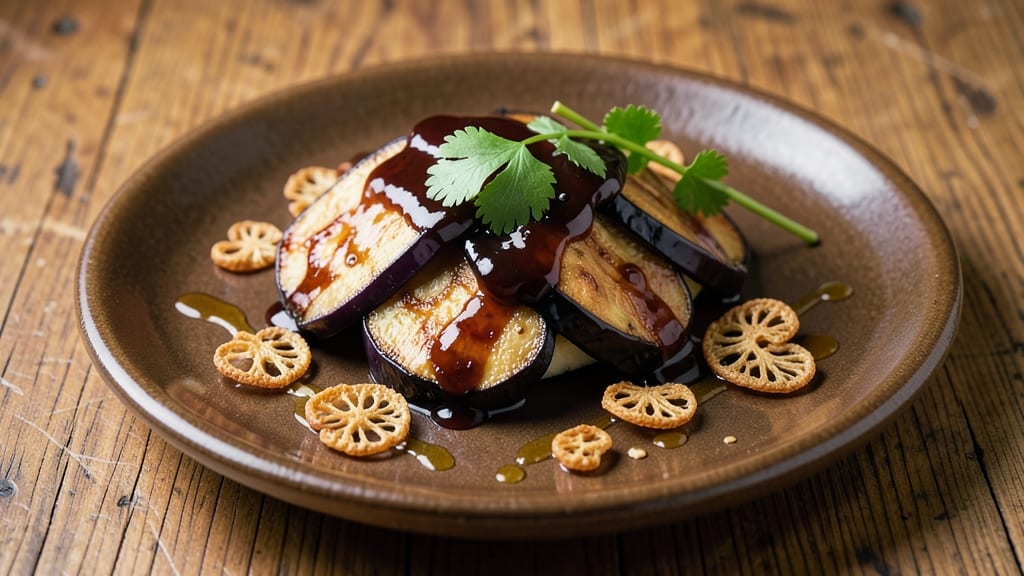
This eggplant oyster sauce recipe transforms simple eggplant into a restaurant-worthy dish with a deep umami glaze that clings to tender, silky flesh.
The marriage of eggplant's natural sweetness with oyster sauce's rich, briny depth creates a dish that's both elegant and approachable—perfect for pescatarian meals or vegetarian occasions where you crave bold flavors without meat.
I developed this recipe after years of experimenting with stir-fry techniques, and the result is a balance of textures and tastes that always impresses.
The secret lies in two-stage cooking: first, roasting the eggplant to concentrate its natural sugars and create a caramelized exterior, then simmering it in a velvety oyster sauce reduction. This method ensures the eggplant absorbs maximum flavor while maintaining its tender, melt-in-your-mouth consistency.
The sauce itself is a foolproof blend of oyster sauce, soy sauce, and a touch of honey, creating a glossy glaze that's both sweet and savory—with just the right amount of heat from a pinch of chili flakes.
What you'll end up with is golden-brown eggplant that's crisp at the edges yet silky inside, bathed in a shiny, umami-rich sauce that clings to every bite.
The aroma alone will have everyone gathering around the table, and the first taste delivers that perfect harmony of sweet, salty, and slightly spicy. This dish pairs beautifully with steamed jasmine rice or noodles, making it a complete meal that's both satisfying and visually striking.
Whether you're serving this for a weeknight dinner or a special occasion, the technique is simple yet professional, with steps designed to minimize active cooking time while maximizing flavor.
The eggplant's natural mildness lets the oyster sauce shine, creating a dish that feels luxurious without requiring advanced skills. Ready to elevate your eggplant game? Let's get cooking.
Ingredients for eggplant oyster sauce
Pantry staples meet Asian market finds for this restaurant-quality eggplant dish.
| Ingredient | Amount | Notes |
|---|---|---|
| Japanese Eggplant 🍆 | 1 lb | Long, slender variety preferred |
| Oyster Sauce 🍶 | ½ cup | High-quality, like Lee Kum Kee |
| Light Soy Sauce 🥢 | ¼ cup | Kikkoman preferred for balance |
| Honey 🍯 | 2 tbsp | Pure, for subtle sweetness |
| Sesame Oil 🫒 | 1 tbsp | Toasted, for aroma |
| Garlic Cloves 🧄 | 4 cloves | Minced, fresh preferred |
| Fresh Ginger 🌿 | 1 inch | Thinly sliced, peeled |
| Red Chili Flakes 🌶️ | ½ tsp | Adjust for heat preference |
| Extra-Virgin Olive Oil 🫒 | 2 tbsp | For roasting eggplant |
| Salt 🧂 | 1 tsp | Diamond Crystal kosher |
| Black Pepper 🌶️ | ¼ tsp | Freshly ground |
| Green Onions 🧅 | 2 whole | Thinly sliced, for garnish |
| Sesame Seeds 🌰 | 1 tsp | Toasted, for crunch |
| Jasmine Rice 🍚 | 1 ½ cups | Uncooked, for serving |
The eggplant is the canvas here—Japanese varieties (long and slender) absorb sauce better than globes, but any firm eggplant works. Whole Foods or Asian grocery stores carry the best Japanese eggplant, but regular grocery stores usually have decent globe eggplant. Look for skins that are deep purple and unblemished—no soft spots. The oyster sauce is non-negotiable for authentic flavor; Lee Kum Kee is my go-to, but any good brand will work. The honey should be pure and liquid—Manuka or clover both add subtle depth. For sesame oil, Kadoya or Marukyu brands are worth the splurge for that nutty aroma.
No oyster sauce? Soy sauce plus a splash of fish sauce gets you close, though you'll lose some depth. Running short on honey? Maple syrup works at a 1:1 ratio, but it has a stronger flavor. Fresh ginger and garlic are ideal, but if you're in a pinch, jarred minced ginger or powdered garlic will do (reduce amounts by half). The chili flakes can be swapped for Sichuan peppercorns if you want a numbing heat instead of spice. For the sesame seeds, white or black both work—just toast them in a dry pan for 30 seconds until fragrant.
Eggplant keeps 5 days in the fridge wrapped in paper towels—it's sensitive to moisture. The sauce components (except honey) can be prepped 3 days ahead and stored in the fridge. Once combined, the sauce stays fresh for 5 days in an airtight container. For leftovers, reheat gently on the stove with a splash of water to restore the glossy texture. The rice? Cook it fresh—the aroma alone makes this dish feel special.
Why You'll Love This Recipe
- Five-Ingredient Magic: Honestly, this dish proves you don’t need a pantry full of exotic stuff—just eggplant, oyster sauce, soy, honey, and a drizzle of sesame oil. I swear, that’s it. The Japanese eggplant’s silky texture soaks up the sauce like a dream, and the honey adds just enough sweetness to balance the umami.
- Umami Bomb: Between us, that oyster sauce and light soy combo is chef’s kiss—deep, savory, with a hint of caramelized richness. The sesame oil finish? It’s like a little flavor hug you didn’t know you needed. (Yes, even on a Tuesday night.)
- Leftover Hero: This recipe doubles as tomorrow’s lunch without any extra effort. The flavors actually improve when reheated—crispy edges soften just enough to be comforting, and the sauce clings to every bite. My go-to for busy mornings.
- Budget Flex: Japanese eggplant might sound fancy, but it’s cheaper than you think, especially if you buy it frozen. Oyster sauce stretches far, and honey adds luxury without breaking the bank. I’ve fed four people for under $10 with this—no guilt, all flavor.
Step-by-step instructions for eggplant oyster sauce with silky texture
This method delivers restaurant-quality eggplant glaze with perfect balance of umami and sweetness.
Roast the Eggplant Until Caramelized
Preheat your oven to 400°F. Cut the 1 lb Japanese eggplant into 1-inch thick rounds, leaving the skin intact. Arrange them on a baking sheet lined with parchment paper, brushing each side generously with 2 tbsp extra-virgin olive oil. Sprinkle with 1 tsp salt and 0.25 tsp black pepper.
Roast for 25-30 minutes, flipping halfway, until the eggplant is tender when pierced with a fork and the edges are deeply golden brown. The skin should blister slightly but remain intact—this creates that signature smoky depth in the sauce. If the eggplant softens too quickly, reduce heat to 375°F and continue roasting.
Build the Umami Sauce Base
While the eggplant roasts, heat 1 tbsp sesame oil in a large skillet over medium heat. Add the 4 minced garlic cloves and 1 inch thinly sliced fresh ginger, cooking for 1-2 minutes until fragrant but not browned. Add the 0.5 tsp red chili flakes and stir for 30 seconds to toast the spices.
Pour in the 0.5 cup oyster sauce and 0.25 cup light soy sauce, scraping up any browned bits from the pan. Bring to a gentle simmer and reduce by half—about 5-7 minutes—until the sauce thickens slightly. The aroma should be deeply savory with a subtle sweetness developing.
Blend the Eggplant into Silky Perfection
Transfer the roasted eggplant to a blender or food processor. Add the reduced sauce along with the 2 tbsp honey and 1 tbsp sesame oil. Blend until completely smooth, scraping down the sides as needed. The texture should be velvety with no visible chunks—this is where the magic happens.
Return the mixture to the skillet and simmer over low heat for 5-7 minutes, stirring occasionally, until the sauce thickens to a glossy consistency that coats the back of a spoon. Taste and adjust seasoning—add a splash of water if too thick, or a pinch more salt if needed. The sauce should balance sweet, salty, and umami flavors with a gentle heat from the chili.
Finish and Serve Over Jasmine Rice
Strain the sauce through a fine-mesh sieve if you prefer an ultra-smooth texture, pressing gently with a spatula to extract all the liquid. Return it to the skillet and stir in the 2 whole thinly sliced green onions and 1 tsp toasted sesame seeds. Keep warm over low heat until ready to serve.
Cook the 1.5 cups jasmine rice according to package instructions for a neutral base that lets the eggplant sauce shine. Ladle the sauce over the rice, garnishing with additional sesame seeds and green onions. The sauce should cling beautifully to each grain, creating a luxurious, umami-rich dish that's perfect for any occasion.
Pro Tips For Making Eggplant Oyster Sauce
- CHAR THE EGGPANT FIRST: Japanese eggplant’s spongy texture soaks up sauce like a dry sponge—no one wants that. Hit it with a quick sear in a screaming-hot pan (no oil needed) for 2-3 minutes per side until deep blackened spots appear. This locks in moisture and gives the dish that smoky depth that cuts through the sweetness of the honey.
- SALT THE SLICES: I learned this the hard way—skipping the salt means your eggplant turns to mush when it hits the sauce. Sprinkle each slice with a pinch of flaky salt (kosher or sea) right after slicing, let sit 10 minutes, then pat dry. The salt pulls out bitterness, and drying prevents a soggy final dish.
- REDUCE THE SAUCE LOW: Oyster sauce thins out fast when heated, so don’t walk away. Simmer the sauce (oyster + soy + honey) on actual low heat—just until it coats the back of a spoon, about 5-6 minutes. Too much liquid? The eggplant will swim. Too thick? It’ll taste cloying. Medium-low is your Goldilocks zone.
- FINISH WITH SESAME OIL LAST: Sesame oil burns faster than you’d think, and adding it too early turns your dish bitter. Wait until the very end—after the pan’s off heat but the eggplant is still sizzling. Drizzle just enough to coat the pan walls, then toss everything together. That nutty aroma should hit you like a fresh breeze, not a smoky cloud.
Best sauces and condiments for this recipe
Oyster Sauce Variations
For a sweeter glaze, add 1 tbsp maple syrup to the sauce and reduce by 3-5 minutes longer to deepen the caramelization. I prefer Manuka honey for its subtle floral notes, but agave nectar works well too.
For a spicier kick, increase the red chili flakes to 1 tsp or add ½ tsp crushed Sichuan peppercorns for that signature numbing heat. 🌶️
Sauce Thickness Control
If your sauce thickens too quickly, add 1 tbsp water or rice vinegar to loosen it. For a glossier finish, stir in ½ tsp cornstarch mixed with 1 tsp water and simmer for 1 minute.
I’ve found that low and slow simmering at medium-low heat prevents scorching while building depth. Avoid high heat—it can turn the sauce bitter.
Protein Pairings
This eggplant sauce pairs beautifully with pan-seared shrimp or grilled chicken thighs. Toss 8 oz shrimp with 1 tsp soy sauce and ½ tsp garlic powder, then sear in a hot pan for 2 minutes per side.
Serve over the eggplant sauce with steamed bok choy for a complete meal. The sauce’s umami richness complements the shrimp’s natural sweetness perfectly. 🍤
Vegetarian Adaptations
For a vegan version, swap the oyster sauce for 1 cup soy sauce + 1 tbsp mushroom powder (like Better Than Bouillon). Add 1 tbsp rice vinegar to mimic the tangy depth.
The honey can be replaced with agave, and ensure your sesame oil is 100% pure (no additives). The texture remains velvety, and the flavor profile stays balanced.
Garnish Ideas
Elevate the dish with toasted sesame seeds (heat 1 tsp seeds in a dry pan for 30 seconds until fragrant). For extra crunch, sprinkle crushed peanuts or fried shallots.
A drizzle of chili oil adds heat and visual drama. Fresh cilantro or Thai basil brightens the plate with a citrusy note. 🌱
Make-Ahead Sauce
The sauce keeps for 5 days in the fridge in an airtight container. Reheat gently on the stove with 1 tbsp water to restore its glossy texture. For longer storage, freeze the sauce in ice cube trays—thaw and reheat as needed.
The eggplant’s texture holds up best when reheated low and slow, never microwaved directly from frozen.
Nutrition facts
Frequently asked questions
Can I use regular eggplant instead of Japanese eggplant?
Yes, but expect slightly different texture results. Japanese eggplant has thinner, more tender skin that absorbs sauce beautifully. Globe eggplant will work—just cut it into ½-inch thick slices and roast for 15-20 minutes at 400°F to prevent overcooking. The sauce will still cling, but the texture may be slightly denser.
How do I make this recipe without oyster sauce?
Replace ½ cup oyster sauce with ¼ cup soy sauce + 1 tbsp fish sauce + 1 tbsp maple syrup. For a vegetarian version, use ½ cup soy sauce + 1 tbsp mushroom powder + 1 tsp rice vinegar. The umami depth will be slightly different but still delicious—just add ½ tsp MSG if you want extra savory punch.
Why does my sauce turn bitter?
Overcooking or high heat causes bitterness. Always simmer on medium-low heat and never let it boil. If it thickens too fast, add 1 tbsp water to loosen. For extra insurance, strain the sauce through a fine-mesh sieve after blending to remove any bitter eggplant bits.
Can I make this ahead of time?
The sauce keeps for 5 days in the fridge. Store it in an airtight container and reheat gently with 1 tbsp water to restore its glossy texture. For longer storage, freeze the sauce in ice cube trays—thaw and reheat slowly on the stove. The eggplant holds up best when reheated low and slow.
What are the best sides to serve with this dish?
Jasmine rice is ideal, but you can also serve it with steamed bok choy, garlic green beans, or cucumber salad for balance. For protein, add pan-seared shrimp or grilled chicken. The sauce's rich flavor pairs well with lighter, fresh sides that cut through its depth.