
Sauces & Condiments
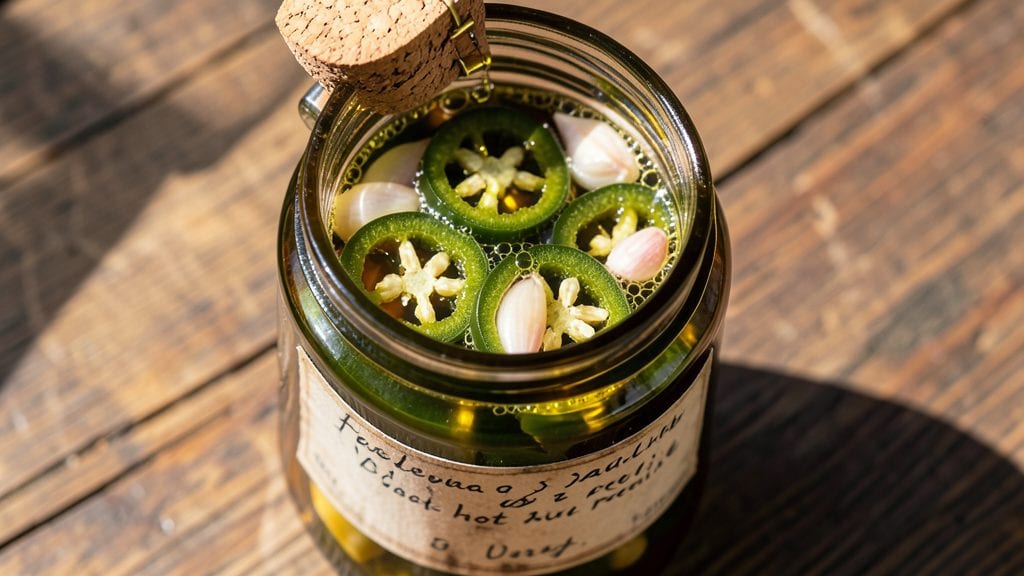
This fermented jalapeño hot sauce recipe transforms fresh peppers into a complex, tangy condiment with layers of heat that develop over time. The process is straightforward but requires patience—seven days of fermentation unlocks flavors that store-bought sauces simply can't match.
I've perfected this method through years of experimentation, balancing heat, acidity, and depth for a sauce that's bold yet versatile.
The foundation begins with fresh jalapeños, salt, and apple cider vinegar—a combination that preserves while building flavor. Unlike quick hot sauces, fermentation allows the peppers to soften and develop a natural sweetness that contrasts beautifully with the vinegar's tang.
This isn't just heat; it's a balance of bright acidity, subtle sweetness, and lingering spice that lingers on the palate long after the first bite.
By day seven, you'll have a sauce that's thicker than traditional hot sauces but still pourable, with a texture that clings to food without overwhelming it. The jalapeños retain their vibrant green color while developing a mellow, almost fruity depth that surprises even seasoned hot sauce lovers.
This isn't just a condiment—it's a flavor enhancer that elevates everything from tacos to grilled meats.
What makes this recipe particularly rewarding is its flexibility. Use it immediately for a bright, pepper-forward kick or let it age for weeks to develop even more complexity. The key is proper storage—sterile jars and cool darkness preserve both safety and flavor for months. Ready to make your own?
Ingredients for fermented jalapeno hot sauce
Nine ingredients, seven days—transform humble jalapeños into a sophisticated hot sauce with depth and complexity.
| Ingredient | Amount | Notes |
|---|---|---|
| Fresh Jalapeño Peppers 🌶️ | 1 lb | Organic preferred, stems removed |
| Non-Iodized Sea Salt 🧂 | ½ cup | Fine grain, Diamond Crystal preferred |
| Apple Cider Vinegar 🍎 | 1 cup | Raw, unfiltered preferred |
| Distilled White Vinegar 💧 | ½ cup | For acidity balance |
| Garlic Cloves 🧄 | 6 cloves | Fresh, peeled, smashed |
| Extra-Virgin Olive Oil 🫒 | ¼ cup | High-quality, fruity |
| Raw Honey 🍯 | 2 tbsp | Local preferred for depth |
| Black Peppercorns 🌶️ | 1 tsp | Freshly cracked |
| Filtered Water 💧 | 1 cup | For dilution if needed |
The jalapeños are the heart of this sauce, so choose vibrant, unblemished peppers—the fresher, the better. Mexican grocery stores often carry superior varieties, but any organic jalapeño from a well-stocked market will work. Avoid overripe peppers, as they can introduce off-flavors during fermentation. The salt is critical for preservation and flavor development; Diamond Crystal or Redmond Real Salt are ideal due to their purity and fine grain. Apple cider vinegar should be raw and unfiltered—Bragg or local orchard brands add subtle complexity. Garlic cloves should be fresh and smashed (not minced) to release their oils gradually during fermentation.
No apple cider vinegar? White wine vinegar or rice vinegar work in a pinch, though they lack the fruity depth. Substituting raw honey? Maple syrup or agave can mimic the sweetness, but honey's enzymatic activity contributes uniquely to fermentation. Want more heat? Add 1-2 habanero peppers (seeds removed) to the initial blend. For a smokier profile, infuse 1 tbsp smoked paprika into the olive oil before adding it to the mixture. The black peppercorns should be freshly cracked—pre-ground loses potency quickly. If your sauce is too thick after fermentation, filtered water is the best diluent; tap water can introduce unwanted minerals.
Ferment in sterilized glass jars with airtight lids, stored in a dark cupboard at 68-72°F for optimal fermentation. The sauce will keep for 6-12 months in the fridge once opened, though flavor peaks at 2-4 weeks. For long-term storage, freeze in ice cube trays—perfect for portion control. Always use clean utensils when scooping to prevent contamination. The sauce's texture will naturally thicken over time; if it becomes too viscous, a splash of vinegar or water restores balance. Label jars with the date to track aging progress.
Why You'll Love This Recipe
- Five-Ingredient Magic: I swear by this—just peppers, salt, vinegars, and garlic. No fancy gadgets, no waiting for hours. Honestly, the hardest part is deciding how many jalapeños to pack into your jar.
- Garlic Kiss Heat: Between us, that fermented garlic? It’s the secret weapon. The vinegars cut through the spice while the garlic blooms into this deep, savory punch—like a hug for your taste buds after the initial burn.
- Game for Any Meal: Slather it on breakfast tacos, drizzle it over grilled cheese, or toss it into a quick stir-fry. I’ve even used it to wake up a sad salad. The best part? It’s ready when you are—no last-minute shopping trips.
- Pantry Goldmine: A single batch lasts me weeks, and I’m not exaggerating. The vinegars preserve it beautifully, so you’re not scrambling to use it up. Plus, non-iodized salt and vinegar are cheap staples—this is cooking on a budget without sacrificing flavor.
Step-by-Step instructions for fermented jalapeño hot sauce
This method delivers vibrant, complex heat with balanced acidity and depth—no shortcuts, just precise technique.
Prepare and Pack the Jalapeños
Remove stems from the 1 lb fresh jalapeño peppers and slice them into ¼-inch thick rings. For even fermentation, I slice each pepper crosswise into 3-4 pieces—this exposes more surface area while maintaining structural integrity. Transfer the sliced peppers to a clean, quart-sized mason jar, packing them tightly to minimize air pockets.
In a small bowl, combine the 6 smashed garlic cloves with the 1 tsp freshly cracked black peppercorns. Pour this aromatic blend over the jalapeños, pressing down gently to ensure full contact. The garlic will infuse its pungent depth while the peppercorns add subtle complexity that rounds out the heat. Leave 1 inch of headspace at the top of the jar—this prevents overflow during fermentation.
Create the Brine and Seal
Dissolve the ½ cup non-iodized sea salt completely in the 1 cup filtered water until no grains remain. This saturated brine creates the ideal osmotic environment for safe fermentation. Pour the brine over the jalapeños until they're fully submerged, then add the 0.25 cup extra-virgin olive oil. The oil creates a protective layer that enhances texture and preserves the peppers' vibrant color.
Seal the jar tightly with the lid and place it on a small plate or shallow dish. This containment prevents spills during the vigorous fermentation process. Store the jar at room temperature in a dark, warm spot (around 70-75°F) where it won't be disturbed. The peppers should float slightly as gases are released—this is normal and indicates active fermentation.
Ferment for 5-7 Days with Daily Checks
After the initial 24 hours, you'll notice bubbles forming and a faint effervescence when you gently shake the jar. This indicates lactic acid bacteria are converting sugars into flavor compounds. I check the jar daily, pressing the peppers down if they float to the surface. They should remain fully submerged at all times—this prevents mold growth and ensures even fermentation.
By day 5, the jalapeños will develop a subtle sour aroma and slightly softened texture. Taste one carefully—it should be tangy with developing heat, but not yet fully fermented. The ideal fermentation window closes at 7 days maximum. Over-fermenting beyond this point risks turning the peppers mushy and developing off-flavors. If the heat level isn't to your preference, you can extend fermentation by 1-2 more days.
Strain and Combine with Vinegar Base
After reaching your desired fermentation level, remove the jar from heat and let it sit at room temperature for 1 hour to settle. Using a fine-mesh strainer or cheesecloth, carefully strain the jalapeños, pressing gently to extract maximum flavor. Discard the solids or compost them—they've done their job. Measure the strained liquid; you should have about 1½ cups of fermented pepper liquid.
In a clean glass jar, combine the strained liquid with the 1 cup apple cider vinegar and 0.5 cup distilled white vinegar. The vinegar serves a dual purpose: it preserves the sauce and balances the fermentation acidity. Stir in the 2 tbsp raw honey to round out the flavors and add subtle sweetness that complements the heat. The honey also acts as a natural preservative, extending shelf life.
Bottle and Rest for Maximum Flavor
Transfer the hot sauce mixture to sterilized glass bottles, leaving ½-inch headspace to allow for carbonation. Seal tightly and let the sauce rest at room temperature for 48 hours before refrigeration. This resting period allows the flavors to meld and the heat to mellow slightly—what initially tastes intense will develop into a more nuanced, layered complexity.
The finished sauce should have a vibrant red-orange hue with visible pepper flecks suspended throughout. The heat should build gradually rather than hit immediately, followed by bright acidity and lingering garlic notes. For best results, store in the refrigerator and use within 3 months. The flavor will continue to evolve over time, becoming more complex with each passing week.
Pro Tips For Making Fermented Jalapeno Hot Sauce
- Pack Peppers Tight: Stuff those jalapeños into your jar firmly—no wiggle room. I learned this after my first batch had half the peppers floating in brine like lazy noodles, leading to uneven fermentation. Use a wooden spoon or your fist to press them down until the brine just covers them.
- Salt the Garlic: Toss those garlic cloves in a pinch of salt before adding them to the jar. It keeps them from floating and mashing into the peppers, which ruins the texture. (Yes, even if you’re impatient to start fermenting—this takes two seconds.)
- Vinegar Ratio Matters: Split that vinegar 50/50—apple cider for depth, distilled white for preservation. I used all apple cider once and ended up with a funky, overgrown mess in three weeks. The distilled white cuts through the wild yeast while keeping the flavor balanced.
- Burp the Jar Daily: Open that jar for 30 seconds every day to release CO₂ buildup, especially in the first week. I skipped this once and my jar nearly exploded—literally. A quick twist and a deep breath is all it takes to avoid a kitchen disaster.
Creative variations of this recipe
Smoky Chipotle Twist
Infuse your fermented jalapeño hot sauce with smoky depth by adding 1 tbsp chipotle powder to the vinegar base during Step 4. I like to toast the powder in a dry skillet for 1 minute to enhance its aroma before mixing.
For extra intensity, use 2-3 smoked chipotle peppers in adobo sauce blended into the strained liquid—this adds a rich, earthy smoke that pairs beautifully with grilled meats and tacos. 🌶️
Citrus-Infused Brightness
Brighten the sauce with 2 tbsp fresh lime juice and 1 tbsp lime zest added during the 48-hour resting period. The citrus cuts through the heat while adding a refreshing zing that works perfectly on seafood or summer salads.
For a tropical variation, substitute lime with orange juice and zest—this creates a sweeter, more complex profile that’s ideal for glazing proteins. Store any unused citrus-infused sauce in the fridge for up to 2 weeks for maximum freshness.
Spicy Fruit Fusion
Blend ½ cup mango puree (fresh or frozen) into the vinegar mixture for a sweet-spicy fusion that’s especially vibrant with jalapeños. The natural enzymes in mango help tenderize the peppers further during fermentation. I also add 1 tsp ground cumin to deepen the tropical notes.
This variation works exceptionally well on chicken wings or as a dipping sauce for spring rolls. For a berry twist, replace mango with ¼ cup raspberry puree—the tartness balances the heat beautifully.
Herb-Forward Variations
Elevate the sauce with fresh herbs like cilantro or basil added during the final resting period. I chop ¼ cup cilantro finely and stir it in just before bottling—this adds a bright, fresh contrast to the fermented heat.
For a Mediterranean twist, blend in 1 tbsp fresh oregano and 1 tsp red pepper flakes during Step 4. These herb variations work wonderfully with roasted vegetables, grilled fish, or as a marinade base. Store herb-infused sauces in airtight containers to preserve their vibrant flavors.
Sweet and Tangy Adaptation
Create a dessert-friendly hot sauce by reducing the vinegar to ½ cup total and adding 3 tbsp maple syrup instead of honey. This balances the heat with a caramelized sweetness that’s perfect for drizzling over vanilla ice cream or pairing with spicy chocolate truffles.
For extra richness, stir in 1 tbsp tahini during the resting period—this adds a nutty depth that complements both sweet and savory applications. Store sweet variations in the fridge for up to 1 month due to the added sugars.
Global Heat Profiles
Transform your sauce into a Thai-inspired version by adding 1 tsp galangal or ginger (freshly grated) and 1 tsp fish sauce to the vinegar base. The umami from fish sauce deepens the flavor profile, while ginger adds a warm, spicy kick.
For a Caribbean twist, blend in ½ tsp allspice and 1 tsp Scotch bonnet pepper juice—this creates a bold, fruity heat that’s perfect for jerk seasoning or rum cocktails. Always taste as you go to adjust the balance of flavors.
Nutrition facts
Frequently asked questions
Why does my fermented pepper sauce need both vinegar and salt?
The salt creates a saturated brine that preserves the peppers and encourages safe fermentation by inhibiting harmful bacteria. The vinegar then acts as a preservative and flavor enhancer, balancing the fermentation acidity while preventing mold. Together, they ensure your sauce stays safe to eat for months while developing complex flavors.
Can I use store-bought hot sauce as a starter for fermentation?
No, store-bought hot sauces contain preservatives and artificial ingredients that won't support proper fermentation. You need fresh jalapeños and a natural brine to cultivate the beneficial bacteria that create the signature tangy depth. Think of it like sourdough starter—you can't make it from scratch with pre-made ingredients!
How do I know when the fermentation is complete?
Your sauce is ready when the jalapeños have softened slightly and developed a tangy, slightly sour aroma (around 5-7 days). Taste one carefully—it should be bright with heat building gradually, not overwhelming. If the peppers are mushy or smell off, fermentation went too long. The ideal texture is firm but tender, with no slimy residue.
What can I do if mold appears during fermentation?
If you see any mold (fuzzy spots or discoloration), discard the entire batch immediately—it's not safe to eat. To prevent this, always keep peppers fully submerged in the brine and store at 68-72°F. Use sterilized jars and clean utensils, and never leave the jar uncovered. Proper technique guarantees safe fermentation every time!
How long can I store the finished hot sauce?
Unopened, store in a cool, dark place for up to 6 months. Once opened, refrigerate and use within 3 months for peak flavor. The vinegar and honey act as natural preservatives, but the sauce will continue evolving in the fridge—some people love the deeper complexity after 2-3 weeks of aging. Label your jars with the date!