Sauces & Condiments
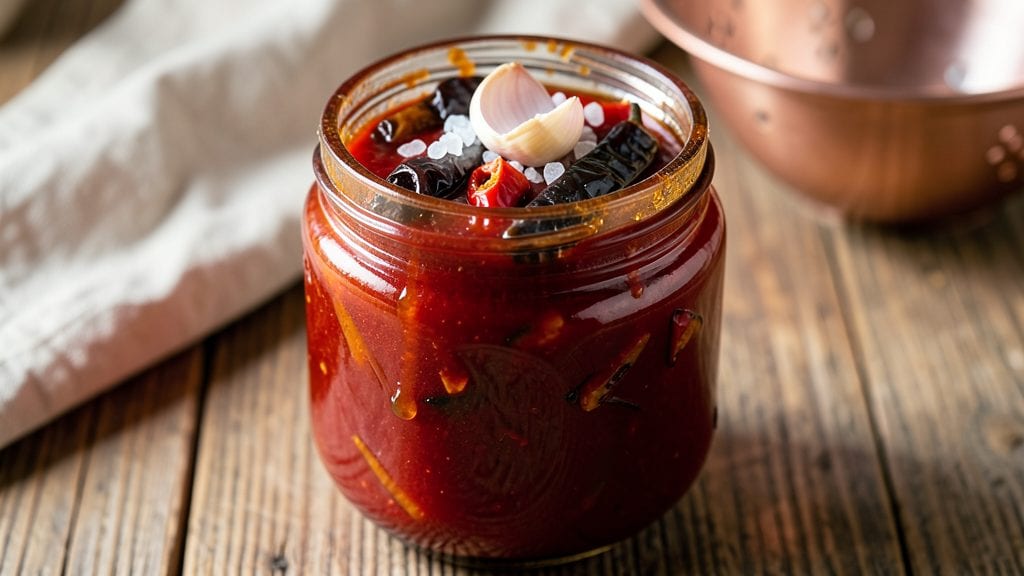
This fermented Tabasco sauce recipe delivers authentic smoky heat that store-bought versions can’t match—here’s the exact method I’ve perfected over years of fermentation experiments. The key lies in balancing vinegar, peppers, and time—where the magic happens in the aging process rather than complex ingredients.
This isn't just another hot sauce; it's a bold, complex condiment with layers of flavor that develop over weeks, transforming simple peppers into something extraordinary.
The traditional approach uses red peppers and vinegar, but modern variations let you experiment with chipotle, habanero, or even smoked paprika for depth. Safety is critical—proper fermentation prevents contamination while building flavor, and I'll walk you through every step to ensure reliability.
What you'll end up with is a deeply aromatic, fiery sauce that's perfect for drizzling on tacos, marinating meats, or adding heat to cocktails without overpowering the dish.
This method requires patience, but the results are worth it: a smooth yet intense sauce with a tangy-sweet finish that only fermentation can achieve. The process is straightforward once you understand the science behind it—vinegar preserves while peppers develop their signature Tabasco character.
Whether you're a home cook or a fermentation enthusiast, this recipe will give you professional-quality results in your own kitchen.
We'll cover everything from pepper selection to aging times, including troubleshooting tips for common fermentation issues. The best part? You can customize the heat level and flavor profile to suit your taste—just adjust the pepper-to-vinegar ratio. Let's get started on creating your own batch of restaurant-quality Tabasco sauce at home.
Ingredients for fermented tabasco sauce
Simple ingredients, bold fermentation magic—this is how you build restaurant-quality Tabasco at home.
| Ingredient | Amount | Notes |
|---|---|---|
| Fresh Red Cayenne Peppers 🌶️ | 1 lb | Organic preferred, stems removed |
| White Vinegar 💧 | 2 cups | Distilled, 5% acidity minimum |
| Smoked Chipotle Peppers in Adobo 🌶️ | 4 whole | Minced finely, for depth |
| Garlic Cloves 🧄 | 6 cloves | Peeled, crushed for aroma |
| Diamond Crystal Kosher Salt 🧂 | 1 tbsp | For preservation and flavor |
| Cane Sugar 🍯 | ½ cup | Light brown preferred |
| Black Peppercorns 🌶️ | 1 tsp | Freshly cracked for heat |
| Water 💧 | 1 cup | Filtered or distilled |
| Smoked Paprika 🌶️ | 1 tbsp | For smoky complexity |
| Lemon Juice 🍋 | 1 tbsp | Fresh, for brightness |
The peppers are everything. Organic red cayennes from a trusted farm stand (like Whole Foods or a Latin market) give the cleanest, brightest heat. Chipotles in adobo add that signature smokiness—no shortcuts here. If you can't find fresh cayennes, dried red peppers rehydrated overnight work, but they lack the same punch. The vinegar matters too—distilled white vinegar at 5% acidity or higher ensures proper fermentation without overpowering. I always double-check the acidity level on the bottle before buying.
No chipotles in adobo? Dried ancho chiles soaked in vinegar give a different but delicious depth. Running short on sugar? Honey or agave at the same amount keeps the fermentation balanced. The smoked paprika is non-negotiable for that authentic Tabasco character—Penzeys brand is my go-to, but any high-quality smoked variety works. For extra heat, add a pinch of cayenne powder to the finished sauce. And if you're worried about vinegar smell, don't be—the fermentation process transforms it into something complex and layered.
This sauce develops over 4-6 weeks, so patience is key. Store in a clean, sterilized glass jar with an airlock lid or a regular lid left slightly loose. Keep it in a cool, dark place (like a pantry) away from direct sunlight. Taste after 3 weeks—if it's too tart, let it ferment another week. Once opened, it'll last 6 months in the fridge, but the flavor peaks at 4-5 weeks. I always make a double batch—one for immediate use, one to age longer for deeper flavor.
Why You'll Love This Recipe
- No-Chop Required: I swear by this—just slice those cayennes thin (or leave them whole if you’re lazy), toss them in vinegar, and let time do the work. No dicing, no peeling, no mess. The chipotles in adobo? You’ll just tear open the can and dump them in.
- Smoky Heat Magic: That first bite of fermented heat? It’s like Tabasco’s smoky soul meets a campfire. The vinegar keeps it bright, the chipotles add deep smoke, and the garlic—oh, the garlic—turns this into something you’ll reach for instead of store-bought. Honestly, my jar never lasts more than a week.
- Pantry Starter Kit: You already have the ingredients. Vinegar? Check. Salt? Probably in your shaker. The only thing you might need to grab is cayenne—unless you’re growing it in your windowsill like I do. Between us, this is the kind of sauce that turns a sad bowl of ramen into a flavor bomb or makes grilled chicken taste like it’s from a food truck.
- Lasts Like a Champ: Make a big batch—it keeps for months in the fridge. I’ve had mine sit for weeks, and it only gets better. No waste, no last-minute grocery runs, and it’s way cheaper than buying fancy hot sauces. Plus, it’s the kind of thing you’ll gift to friends who “love spicy food”—they’ll think you’re a genius.
Instructions for fermented Tabasco sauce with authentic smoky depth
Here's how to transform fresh peppers into a complex, aged sauce with layers of heat and smokiness.
Prepare and Sterilize the Fermentation Vessel
Begin by thoroughly cleaning a quart-sized mason jar with hot, soapy water and then sanitizing it with a solution of 1 tablespoon white vinegar per quart of hot water. Rinse completely and let it air-dry. This step is critical—any residual soap or bacteria will spoil your sauce before fermentation completes.
Remove stems from the 1 pound fresh red cayenne peppers and slice them into ¼-inch thick rings. The thinner the slices, the faster and more evenly they'll ferment. Pack these tightly into the sterilized jar, leaving about 1 inch of headspace at the top. This prevents overflow during fermentation and allows for proper sealing.
Build the Flavor Base with Aromatics and Preservatives
In a small bowl, combine the 4 whole smoked chipotle peppers in adobo (minced finely), 6 cloves garlic cloves (peeled and crushed), 1 tablespoon smoked paprika, 1 teaspoon black peppercorns (freshly cracked), 1 tablespoon diamond crystal kosher salt, and ½ cup cane sugar. The sugar helps preserve the peppers while adding subtle sweetness that balances the heat.
Pour 1 cup water into the jar with the cayenne slices, then add the aromatic mixture. Stir gently with a sterilized wooden spoon to ensure all pepper slices are coated. The liquid should cover the peppers completely—if not, add a splash more water. Leave 1 inch of headspace at the top again before sealing the jar tightly.
Ferment at Room Temperature for Initial Development
Place the sealed jar in a dark, warm spot (around 70-75°F) where it won't be disturbed. Ferment for 7-10 days, checking daily for any signs of mold or excessive bubbling. You'll notice the liquid develop a cloudy, golden hue and the peppers soften slightly. The aroma will shift from fresh pepper to something deeper, almost wine-like.
After 7 days, open the jar and taste one of the peppers. It should be tangy, slightly sweet, and developing heat—but still firm to the bite. If the flavor is too mild, continue fermenting for 3 more days. The goal is to develop complexity without turning the peppers mushy. Once satisfied with the flavor, proceed to the next step.
Blend and Strain for a Smooth, Vibrant Sauce
Transfer the fermented peppers, along with all the liquid, to a high-powered blender. Add 2 cups white vinegar and 1 tablespoon lemon juice to brighten the sauce and preserve its freshness. Blend until completely smooth, scraping down the sides as needed. The sauce should be vibrant red with a thick, syrupy consistency—similar to commercial hot sauce but with deeper layers of flavor.
Strain the blended mixture through a fine-mesh sieve or cheesecloth into a clean jar, pressing gently on the solids to extract every last drop of flavor. Discard the pulp or compost it. The strained sauce should be silky and glossy, with a rich aroma combining smoky chipotle, bright lemon, and the sharp tang of fermented cayenne. Seal the jar and store it in the refrigerator.
Age and Adjust for Perfect Balance
Let the sauce rest in the refrigerator for at least 1 week before tasting. This aging period allows the flavors to meld and the heat to mellow slightly. After 7 days, open the jar and assess the balance—it should be bright, smoky, and fiery without being overwhelming. If the sauce is too thin, simmer it gently in a saucepan for 10-15 minutes to reduce and thicken.
For a smoother texture, blend again briefly. If the heat is too intense, add a splash more lemon juice or a pinch of sugar to balance it. Once perfected, your homemade Tabasco-style sauce will keep in the refrigerator for up to 3 months, or you can can it for long-term storage. Use it to elevate tacos, seafood, or even cocktails—just like the pros do.
Pro Tips For Making Fermented Tabasco Sauce
- Sterilize Your Jars First: I learned this the hard way—skipping sterilization means mold sneaks in. Boil jars and lids in water for 10 minutes before filling, even if you’re not canning long-term. Trust me, the last thing you want is vinegar turning to vinegar-mold soup.
- Seed Cayennes Last: Remove stems and seeds from cayennes after chopping—it’s messy, but wait until the last minute. Fresh peppers release capsaicin fast; if you seed them too early, you’ll lose heat and make a bigger cleanup job. (And your hands will regret it.)
- Blend Chipotles Whole: Don’t mince those adobo chipotles—toss them in whole. They’ll break down naturally during fermentation, giving you smoky pockets of flavor instead of a paste. I used to over-blend, and the sauce lost that authentic depth. (Your blender will thank you too.)
- Ferment 3 Days Minimum: Rushing it? Bad idea. Let the mix sit at room temp for at least 72 hours—this builds the tang and lets flavors meld. I skipped this once, and the sauce tasted like vinegar with an afterthought of spice. Patience here guarantees complexity.
Serving suggestions for this dish
Taco & Burrito Perfection
This sauce transforms tacos into a fiery masterpiece. Drizzle 1-2 teaspoons over warm corn tortillas before adding your protein—grilled shrimp or carne asada pair beautifully with its smoky depth. For burritos, mix ½ teaspoon into the rice or spread it on the tortilla before rolling.
The fermentation tang cuts through rich meats like pulled pork, creating a balanced bite. 🌶️
Seafood Elevation
Use this sauce to marinate shrimp skewers or grilled salmon for 15-20 minutes before cooking. The acidity tenderizes while the heat infuses the fish with bold flavor.
Drizzle ½ teaspoon over grilled blackened cod or seared scallops at the table for a restaurant-worthy finish. The smokiness complements seafood's natural sweetness perfectly. 🍤
Cocktail Infusions
Shake ½ teaspoon into margaritas or palomas for a spicy kick—it pairs especially well with tequila reposado or mezcal. For non-alcoholic drinks, add ¼ teaspoon to a ginger beer or sparkling limeade.
The fermented tang enhances cocktails by adding complexity without overpowering. I love using it in a smoky old-fashioned with a dash of Angostura bitters. 🍹
Dipping Sauce Base
Thin with equal parts water or beer to create a dipping sauce for fries, onion rings, or spring rolls. For extra richness, stir in 1 tablespoon mayo or Greek yogurt.
The sauce's depth makes even simple foods taste gourmet. Keep the ratio balanced—1 part sauce to 2 parts liquid prevents overpowering. 🍟
Pasta & Risotto Boost
Toss 1 teaspoon into creamy alfredo sauce or carbonara just before serving. The heat cuts through the richness beautifully. For risotto, add ½ teaspoon during the final minute of cooking. The sauce's smoky-sweet profile elevates Italian dishes without competing with their flavors. 🍝
Storage & Reuse Tips
Once opened, store in the fridge for up to 3 months in an airtight container. If the sauce thickens over time, thin with 1 teaspoon water per 1 tablespoon sauce.
For extra heat, reduce the liquid by simmering gently for 5 minutes. The sauce's versatility means you'll always have a reason to keep a batch on hand. ✨
Nutrition facts
Frequently asked questions about fermented pepper sauces
Why does my homemade sauce need to ferment?
Fermentation transforms simple peppers into complex, layered flavors through natural microbial activity. The acidity from vinegar preserves the sauce while developing its signature tang and depth over time. Without fermentation, you'd just have a basic pepper vinegar blend—missing that authentic Tabasco character. The process also softens the peppers slightly, creating a smoother texture.
Can I use dried peppers instead of fresh?
Yes! Soak ½ cup dried red peppers in warm water for 30 minutes first to rehydrate. They'll yield less volume than fresh, so adjust the vinegar ratio (use 1½ cups instead of 2). Dried peppers work best for milder heat—fresh cayennes deliver more intense flavor. For extra depth, add 1 teaspoon ground chipotle powder to compensate for the difference.
How do I know when fermentation is complete?
Taste a pepper slice after 7 days—it should be tangy, slightly sweet, and developing heat but still firm. The liquid should smell vinegary with peppery notes (not rotten). If it's too mild, ferment 3 more days. Over-fermented sauce becomes mushy and overly sour. The color should turn deep red with a glossy sheen.
What if mold appears during fermentation?
Discard the batch immediately if you see any mold—it means contamination. To prevent this, always use sterilized equipment, keep the jar sealed, and store it in a 70-75°F environment. Never taste fermented sauce if mold is present, as some molds produce dangerous toxins. Start fresh with a new batch using properly cleaned tools.
Can I adjust the heat level?
For milder heat, reduce cayenne peppers to ½ pound and add 1 extra chipotle pepper>. For extra spice, keep the full 1 pound cayenne> and add 1 habanero pepper**> (seeds removed for less heat). Always taste before blending—you can thin the sauce with vinegar if needed. The key is balancing pepper types for complexity.