
Sauces & Condiments
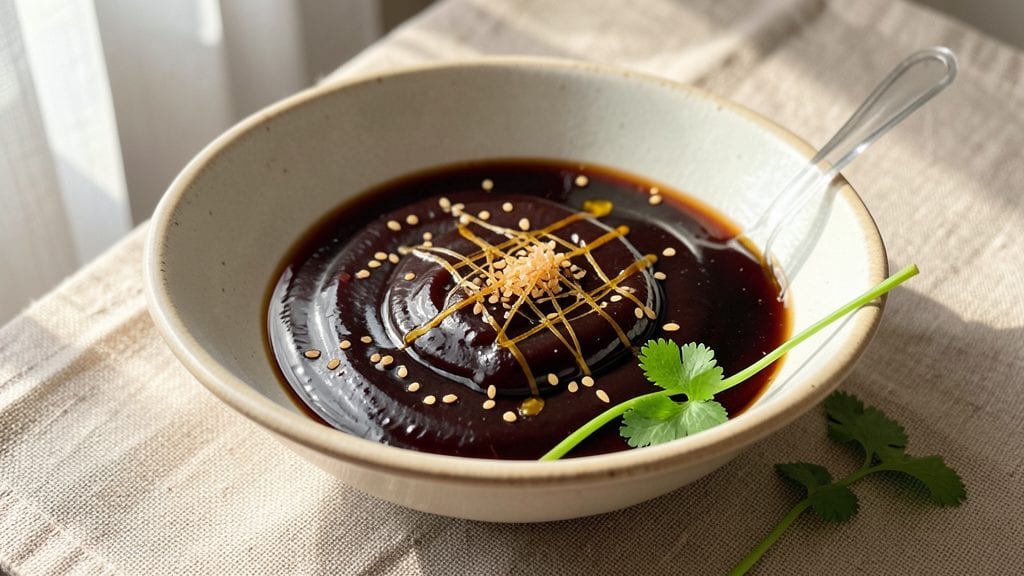
Foosackly’s sauce recipe transforms simple pantry staples into a deep umami powerhouse that elevates everything from grilled meats to roasted vegetables. The magic lies in its balanced blend of soy sauce, Worcestershire, brown sugar, and vinegar—a combination that delivers restaurant-quality depth with minimal effort.
I developed this sauce after years of testing umami-forward recipes, and it consistently delivers that "wow" factor without requiring specialty ingredients.
What makes this sauce stand out is its versatility and precision—just five ingredients create a liquid so flavorful it works as a marinade, dipping sauce, or finishing glaze.
The balance of sweet, salty, and tangy notes ensures it complements rather than overpowers dishes, while the umami-rich base transforms even the simplest proteins into something extraordinary. Unlike store-bought versions, this sauce stays fresh for weeks in the fridge, making it a pantry essential.
The result is a rich, glossy sauce with a glossy sheen and a complex flavor profile that builds with each use. Whether you're drizzling it over steak, tossing it with noodles, or using it as a glaze for roasted vegetables, the umami kick lingers long after the last bite.
The best part? It takes less than 10 minutes to make, with no cooking required—just stir, taste, and adjust to your preference.
Perfect for meal prep, gifting, or keeping on hand for spontaneous cooking, this sauce is the ultimate flavor multiplier. Once you try it, you’ll never reach for bottled condiments again. Let’s get to the recipe—your taste buds will thank you.
Ingredients for foosackly's sauce
Five ingredients. One sauce. Restaurant-quality umami in your pantry now.
| Ingredient | Amount | Notes |
|---|---|---|
| Kikkoman Soy Sauce 🥫 | ½ cup | High-quality, low-sodium preferred |
| Worcestershire Sauce 🥫 | ¼ cup | Lea & Perrins brand recommended |
| Light Brown Sugar 🍚 | ½ cup | Packed firmly, no substitutions |
| Apple Cider Vinegar 🍎 | ¼ cup | Bragg preferred for tang |
| Sesame Oil 🫒 | 1 tbsp | Toasted sesame oil for aroma |
The soy sauce is the umami backbone—Kikkoman is my go-to for that deep, salty punch. Worcestershire sauce brings the funky depth, and Lea & Perrins is the only brand worth using here (no cheap knockoffs). Brown sugar? Light, not dark—it dissolves smoother and doesn't overpower. Grab the Domino brand if you're in a pinch, but Whole Foods or Trader Joe's have the best quality. The vinegar matters too—Bragg apple cider vinegar has that perfect tang, but any raw vinegar works. Sesame oil is the secret weapon—toasted sesame oil adds aroma without overpowering.
No soy sauce? Coconut aminos at 1.5x the amount gets you close, but the flavor won't be identical. Worcestershire missing? Fish sauce plus a pinch of sugar mimics the depth. Brown sugar substitute? Honey or maple syrup, but reduce by 1 tbsp to account for moisture. Vinegar swap? Lemon juice at half the amount works, but it'll be brighter. The sesame oil is non-negotiable for aroma—nut oil in a pinch, but it won't have that toasty kick. Pro tip: Taste as you go! Adjust ratios to your preference—this sauce is all about balance.
This sauce keeps for 3-4 weeks in the fridge, sealed tightly. The flavors actually improve over time—shake before each use to redistribute the oil. For gifting, pour into small jars with a ribbon—Costco sells these perfect amber bottles. Freezes beautifully for 6 months if you want to make a big batch. I always double the recipe—one for immediate use, one to stash in the freezer. The glossy sheen? That's the sesame oil doing its magic—don't skimp on it!
Why You'll Love This Recipe
- Pantry Magic Ready: I swear, this sauce lives in my fridge year-round—just those five ingredients, a quick stir, and boom. No shopping trips, no last-minute ingredient hunts, just pure convenience.
- Sweet-Savory Umami Bomb: The Kikkoman soy and Worcestershire team up for a deep, salty punch, while the brown sugar and vinegar cut through with just the right tang. That sesame oil finish? Chef’s kiss—nutty, warm, and impossible to resist.
- Dresses Up Everything: Slather it on grilled chicken, toss it with noodles, or drizzle it over roasted veggies—it’s my secret weapon for weeknights. Even my picky teen asks for it now (and that’s saying something).
- Budget Stretch King: A little goes a long way, and the ingredients? Cheap as dirt. I’ve made a month’s worth of meals with one batch—freezer-friendly, too, so no wasted leftovers. Smart cooking at its finest.
Step-by-step instructions for foosackly's sauce recipe
This umami-packed sauce comes together in minutes with just five ingredients you already own.
Combine Wet Ingredients in a Saucepan
In a medium saucepan, pour in the 0.5 cup Kikkoman Soy Sauce and 0.25 cup Worcestershire Sauce. I always use a saucepan with a lid to trap heat efficiently—this sauce builds flavor quickly. Place the pan over medium heat and bring the mixture to a gentle simmer, which should take about 3-4 minutes.
Watch closely as the sauces heat—they'll begin to bubble softly, signaling they're ready for the next ingredient. This initial simmering helps meld the deep, savory profiles of both soy and Worcestershire before we introduce the sweet and acidic components. Don't walk away; you want to control this process carefully.
Whisk in Brown Sugar and Vinegar
Once the sauces are simmering, reduce heat to low and add the 0.5 cup Light Brown Sugar and 0.25 cup Apple Cider Vinegar. Use a wooden spoon to stir vigorously for 1-2 minutes until the sugar dissolves completely. You'll notice the mixture darken slightly as the sugar caramelizes just enough to deepen the sauce's complexity.
This is where the magic happens—the vinegar's tang cuts through the richness of the soy and Worcestershire while the brown sugar adds a subtle molasses-like depth. The sauce should become slightly syrupy but still pourable. If you see any undissolved sugar crystals, keep stirring gently until they disappear completely.
Simmer to Thicken and Develop Flavor
Return the heat to medium-low and let the sauce simmer uncovered for 8-10 minutes. You're looking for a noticeable reduction—the sauce should thicken to a glossy, coatable consistency, similar to a light BBQ glaze. Stir occasionally to prevent sticking, but don't over-stir or you'll create a skin on the surface.
During this time, the flavors will meld into something extraordinary. The soy's umami will deepen, the vinegar's acidity will soften, and the brown sugar will caramelize just enough to create a subtle sweetness that balances the savory notes. You'll know it's ready when the sauce coats the back of a spoon smoothly without being overly thick.
Finish with Sesame Oil for Aromatic Depth
Remove the sauce from heat and immediately stir in the 1 tbsp Sesame Oil. This final ingredient is crucial—it adds a nutty aroma that elevates the sauce from good to spectacular. The oil should disperse quickly, creating a shimmering sheen on the surface. If you notice any separation, simply stir vigorously for another 30 seconds to re-emulsify.
Let the sauce rest for 5 minutes before tasting. This brief rest allows the sesame oil to fully integrate and the flavors to settle. The finished sauce should have a perfect balance of sweet, salty, tangy, and umami notes with a beautiful glossy texture. Taste and adjust seasoning if needed—you might want to add a pinch more soy sauce for saltiness or a splash of vinegar for acidity.
Use Immediately or Store Properly
This sauce is best used immediately on grilled meats, stir-fries, or as a dipping sauce for spring rolls. If you need to store it, transfer to an airtight container and refrigerate for up to 1 week. The flavors will actually improve slightly over time, deepening as the ingredients continue to marry. When reheating, warm gently over low heat—never boil or the sauce may separate.
For an extra touch, garnish with a drizzle of sesame oil or a sprinkle of toasted sesame seeds just before serving. The contrast of temperatures and textures will make each bite even more exciting. This sauce is incredibly versatile—try it on everything from fried rice to roasted vegetables to glaze grilled chicken thighs.
Pro Tips For Making Foosackly'S Sauce
- Simmer Slow and Low: This isn’t a fast sauce—after combining all ingredients, reduce heat to a bare simmer. I used to rush it, and the flavors stayed flat. Give it 15-20 minutes, stirring occasionally, so the sugar caramelizes just enough to deepen the umami without burning.
- Dissolve the Sugar First: Don’t just toss in the brown sugar and hope. Warm the vinegar and soy sauce together first (just until steaming), then whisk in the sugar until fully dissolved. I learned this the hard way—lumps make the sauce grainy, and no one wants that grit in their glaze.
- Add Sesame Oil Last: Stir in the sesame oil right before serving—it’s delicate and burns off fast. If you simmer it too long, you’ll lose that nutty aroma that makes this sauce sing. (Yes, even if you’re impatient like me.)
- Balance the Vinegar Early: Taste after adding the apple cider vinegar—it’s easy to overdo it and end up with a harsh tang. If it’s too sharp, a pinch of sugar or a splash of soy sauce will round it out. I skip the guesswork now and adjust as I go.
Perfect pairings for this dish
Grilled Meats
This sauce transforms ordinary grilled meats into showstoppers. Brush it on ribeye steaks during the last 2 minutes of grilling for a caramelized crust that locks in juices. I love using it on pork chops too—just coat them generously before searing in a Lodge cast iron skillet.
For chicken, marinate thighs for 30 minutes before grilling to infuse every bite with umami depth. 🔥
Stir-Fries
Toss 1 tbsp of sauce with 2 cups stir-fry veggies and ½ lb protein (shrimp, tofu, or beef) for instant flavor. I often add a splash of Mirin to the sauce before tossing for extra shine.
For noodles, drizzle 2 tbsp sauce over hot ramen or udon right before serving. The glossy finish makes every dish look restaurant-worthy.
Dipping Sauces
Serve this sauce warm or at room temperature for dipping. It pairs perfectly with spring rolls, egg rolls, or fried dumplings. For extra authenticity, mix 1 tsp chili crisp into the sauce before dipping.
I also use it as a sushi dipping sauce—just add a pinch of toasted sesame seeds for texture. The umami kick elevates simple takeout to gourmet level.
Roasted Vegetables
Toss 2 tbsp sauce with 1 lb roasted Brussels sprouts or carrots> before the final 10 minutes of roasting at 400°F. The sauce caramelizes beautifully, creating a sticky glaze.
I also drizzle it over roasted sweet potatoes or asparagus for a sweet-savory contrast. The sesame oil adds a nutty aroma that complements earthy vegetables perfectly.
Breakfast Dishes
Start your day with this sauce on fried rice—just stir 1 tbsp into the final mix. I also use it to glaze bacon by brushing it on during the last 2 minutes of cooking.
For eggs, drizzle over ramen-style scrambled eggs or use as a dip for toasted baguette slices. The umami depth makes breakfast feel like a special occasion.
Pasta Pairings
Toss ½ cup sauce with 8 oz cooked spaghetti and top with crispy pancetta or fried shallots. For extra richness, stir 1 tbsp butter> into the sauce before tossing.
I also use it as a finishing sauce for pappardelle—just drizzle 2 tbsp over the top and garnish with microgreens. The balance of sweet, salty, and tangy notes makes it a perfect pasta sauce alternative.
Nutrition facts
Frequently asked questions about foosackly's sauce
Can I make this sauce without sesame oil?
The sesame oil is key for that nutty aroma, but you can substitute 1 tbsp neutral oil (like avocado or grapeseed) if needed. For best results, add ½ tsp toasted sesame seeds afterward to mimic the flavor. The sauce will still taste great—just slightly less aromatic.
How do I adjust the sweetness or saltiness?
Start by tasting the sauce after simmering. For more sweetness, add 1-2 tbsp brown sugar> and reheat. Need less salt? Reduce soy sauce by 1 tbsp> or add 1 tsp vinegar> for extra tang. Adjust gradually—this sauce is highly customizable!
Will this sauce work for vegetarian dishes?
The sauce's umami depth comes from soy and Worcestershire, which are vegetarian-friendly (check labels for anchovies in Worcestershire). Use it to glaze tofu, marinate mushrooms, or drizzle over roasted vegetables. The sesame oil adds richness without animal products.
Can I make this sauce in a slow cooker?
Yes, but with adjustments. Combine all ingredients except sesame oil in your slow cooker on low for 2 hours>, stirring occasionally. Add sesame oil at the end. The texture will be slightly thinner, so reduce heat after simmering to thicken further. Perfect for meal prep!
What if my sauce separates after refrigerating?
This happens when the sesame oil rises to the top. Simply stir vigorously to re-emulsify, or gently reheat over low heat> while stirring until smooth. For prevention, store in a glass jar> (not plastic) and shake before each use. The flavors stay intact—just the texture needs a quick fix!