
Sauces & Condiments
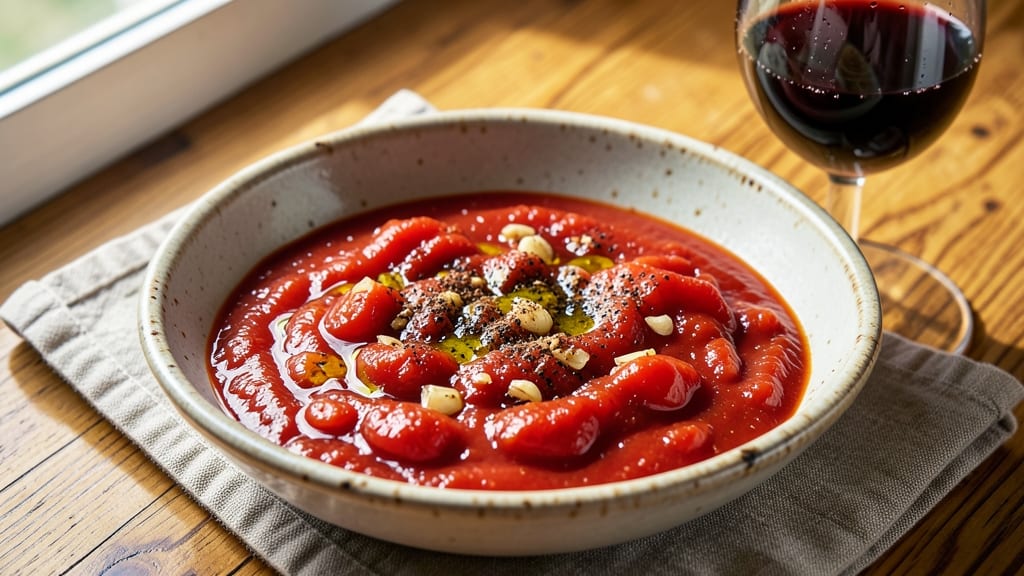
Gordon Ramsay's tomato sauce recipe delivers restaurant-quality depth in just 30 minutes, transforming simple ingredients into a velvety, umami-rich sauce that elevates every dish.
The secret lies in caramelizing aromatics and simmering until the flavors meld into a perfect balance of smoky, sweet, and tangy notes—exactly what makes this sauce stand out from basic marinara.
I’ve refined this technique over years of testing, ensuring it’s foolproof for home cooks while maintaining the professional results Ramsay is known for.
What sets this sauce apart is the layering of flavors through precise cooking methods: sautéing onions and garlic until deeply golden, deglazing the pan to capture every bit of flavor, and simmering the sauce low and slow to develop complexity.
The addition of a splash of red wine and a pinch of smoked paprika adds that signature depth, while fresh basil at the end keeps the sauce vibrant and bright. This isn’t just a sauce—it’s a flavor foundation that transforms pasta, pizza, or grilled meats into something extraordinary.
By the end, you’ll have a sauce that’s rich enough to coat al dente pasta perfectly, yet light enough to drizzle over fresh mozzarella or grilled chicken.
The texture is velvety with just a hint of chunkiness, and the aroma alone will have everyone at the table asking what you’re serving. Whether you’re prepping for a weeknight dinner or hosting a dinner party, this sauce delivers professional-quality results without the fuss.
Ready to master this technique? The ingredients are simple—just a few pantry staples—but the method ensures you’ll achieve restaurant-quality depth every time. Let’s get started on creating a sauce that tastes like it came straight from Ramsay’s kitchen.
Ingredients for gordon ramsay tomato sauce
Simple pantry staples transform into Ramsay's velvety, umami-rich tomato sauce in minutes.
| Ingredient | Amount | Notes |
|---|---|---|
| Extra-Virgin Olive Oil 🫒 | ½ cup | High-quality, fruity variety preferred |
| Yellow Onion 🧅 | 1 whole | Medium size, finely diced |
| Garlic Cloves 🧄 | 4 cloves | Fresh, peeled, minced |
| San Marzano Tomatoes 🍅 | 28 oz | Canned, crushed by hand |
| Dry Red Wine 🍷 | ¼ cup | Bold variety like Cabernet Sauvignon |
| Smoked Paprika 🌶️ | 1 tsp | For authentic smoky depth |
| Fresh Basil Leaves 🌿 | ¼ cup | Packed, stems removed |
| Tomato Paste 🍅 | 2 tbsp | High-quality, no sugar added |
| Kosher Salt 🧂 | 1 tsp | Adjust to taste |
| Black Pepper 🌶️ | ½ tsp | Freshly ground for best flavor |
The foundation of this sauce starts with San Marzano tomatoes—their natural sweetness and low acidity are key. Grab a can from Whole Foods or Trader Joe's for the best quality; avoid brands with added sugar. The extra-virgin olive oil should have a peppery finish—California avocado or Italian brands work best. For the red wine, any bold variety like Cabernet Sauvignon or Merlot adds depth, but dry cooking wine from the grocery store works too. The smoked paprika is non-negotiable for that signature Ramsay smokiness—Penzeys or Goya brands are reliable.
No red wine? Substitute with beef or vegetable broth plus a splash of balsamic vinegar for acidity. Fresh basil wilting? Dried basil at one-third the amount works in a pinch, though fresh is ideal. The tomato paste can be replaced with extra crushed tomatoes if needed, but it adds that concentrated sweetness that’s essential. For a quicker version, blend the tomatoes with their juices instead of crushing by hand—just don’t skip the simmering step. The onions and garlic should be cooked until deeply golden; this caramelization builds the sauce’s complexity.
This sauce keeps beautifully in the fridge for up to 5 days, with flavors deepening over time. For longer storage, freeze in ice cube trays—perfect for single servings. Reheat gently on the stove, stirring occasionally, to maintain its velvety texture. A drizzle of fresh olive oil before serving keeps it vibrant. Double the batch and freeze half; you’ll thank yourself later when you’re craving that restaurant-quality flavor in a hurry.
Why You'll Love This Recipe
- Same sauce, different vibes: toss it with pasta for a 20-minute meal or serve it alongside grilled meats for a restaurant-worthy touch. The San Marzanos keep it elegant without extra effort.
- No-Fuss Technique: I swear by this method—just a quick sweat of onions and garlic in olive oil, then the wine deglazes everything while you chop. No stirring every five minutes, no stressing over thickeners.
- Wine-Infused Depth: That splash of dry red wine cuts through the acidity like magic. The tomatoes simmer into something rich and velvety, with a brightness that makes store-bought sauce taste flat by comparison.
- Weeknight to Dinner Party: Same sauce, different vibes: toss it with pasta for a 20-minute meal or serve it alongside grilled meats for a restaurant-worthy touch. The San Marzanos keep it elegant without extra effort.
Step-by-step instructions for Gordon Ramsay's tomato sauce
This method delivers restaurant-quality tomato sauce with rich, smoky depth in less than 30 minutes.
Sauté the Aromatics in Olive Oil
Heat the 0.5 cup extra-virgin olive oil in a large saucepan over medium heat. Add the 1 whole yellow onion, finely diced, and cook for 5-6 minutes until softened and translucent. You'll know it's ready when the onion edges turn slightly golden and the raw smell disappears.
Add the 4 cloves minced garlic and 1 tsp smoked paprika immediately after the onions soften. Stir constantly for 30 seconds—this prevents the garlic from burning. The paprika will infuse the oil with its smoky aroma, creating the signature depth Ramsay uses. Keep the heat at medium to maintain even cooking without scorching.
Build the Sauce Base with Tomato Paste
Reduce the heat to low and stir in the 2 tbsp tomato paste. Cook for 2 minutes, stirring continuously, until the paste darkens slightly and develops a rich, caramelized flavor. This step forms the flavor foundation—don't rush it, as the paste needs time to break down and release its concentrated tomato essence.
Pour in the 0.25 cup dry red wine and scrape up any browned bits from the bottom of the pan. These bits, called fond, are packed with flavor. Let the wine simmer for 3-4 minutes until it reduces by half and the alcohol aroma fully evaporates. This reduction intensifies the wine's depth and balances the acidity in the final sauce.
Incorporate the Tomatoes and Simmer
Add the 28 oz crushed San Marzano tomatoes and 1 tsp kosher salt. Stir well to combine, then increase the heat to medium-high. Bring the sauce to a gentle boil, then immediately reduce the heat to low. Let it simmer uncovered for 15-20 minutes, stirring occasionally, until the sauce thickens and coats the back of a spoon.
During this time, the sauce will reduce and develop a glossy consistency. You're looking for a sauce that's smooth but still has body—not watery, but not thick enough to spread like jam. Taste and adjust seasoning with additional kosher salt or 0.5 tsp black pepper as needed. The acidity of the tomatoes should be balanced by the richness of the wine and olive oil.
Finish with Fresh Basil and Rest
Remove the sauce from heat and stir in the 0.25 cup fresh basil leaves. Let it steep for 5 minutes—this allows the basil's bright, fresh flavor to infuse without overpowering the sauce. The leaves will soften and release their aroma, adding a vibrant finish that cuts through the smokiness.
For best results, let the sauce rest for 10 minutes before serving. This resting period allows the flavors to meld completely. If the sauce thickens too much while resting, stir in 1-2 tablespoons of water to reach your desired consistency. Serve warm over pasta, with crusty bread, or alongside grilled meats for a truly restaurant-quality dish.
Pro Tips For Making Gordon Ramsay Tomato Sauce
- Sweat, Don’t Burn: DESCRIPTION: The onions need 8-10 minutes on medium-low, not a quick sear—otherwise, you’ll taste bitter ash. I learned this the hard way when I rushed and ended up with a sauce that tasted like regret. Low and slow until they’re translucent and just starting to caramelize.
- Crush Garlic Properly: DESCRIPTION: Don’t mince—smash the cloves flat with the side of your knife first. This releases more flavor without burning. I used to chop them fine, and the sauce never had that deep, rich garlic punch Ramsay’s version does.
- Wine First, Tomatoes Second: DESCRIPTION: Deglaze the pan with wine before adding tomatoes—let it reduce by half first. This builds a richer base. I skipped this once and ended up with a watery, dull sauce. The wine’s job is to deepen the flavor, not just disappear.
- Crush Tomatoes by Hand: DESCRIPTION: Skip the blender—use your fingers to break up the San Marzanos before adding them. The texture stays chunky and vibrant, not mushy. I tried blending once, and the sauce lost that rustic, handcrafted quality. (Yes, even if you’re impatient like me.)
Serving suggestions for this dish
Pasta Pairings
This sauce clings beautifully to al dente pasta like spaghetti or linguine, but I love it even more with rigatoni or pappardelle—the ridges and wide surfaces catch every velvety strand.
For a showstopper, toss with freshly grilled penne or farfalle (bowtie pasta) and top with crispy pancetta or crumbled feta for extra texture. 🍝
For a lighter option, try whole wheat or chickpea pasta—the nutty flavors complement the sauce’s smoky depth. I also recommend orecchiette (ear-shaped pasta) because its unique shape traps the sauce perfectly. Pro tip: Reserve ½ cup pasta water before draining to adjust sauce consistency if needed.
Grilled Meats
This sauce elevates grilled chicken, steak, or pork chops like nothing else. Drizzle it over seared filet mignon or herb-crusted salmon in the last 2 minutes of grilling—the high heat caramelizes the sugars, intensifying the flavors.
For a Gordon Ramsay-worthy touch, finish with flaky sea salt and a sprinkle of fresh parsley. 🔥
Pair it with charred vegetables like grilled zucchini, bell peppers, or asparagus for a vibrant, well-rounded plate. The sauce’s acidity cuts through the richness of meats, balancing the dish perfectly. I often serve it with garlic mashed potatoes or creamy polenta to soak up every last drop.
Bread and Appetizers
Warm, crusty ciabatta or sourdough bread is the ultimate companion—dip it in the sauce or spread it like hummus. For a gourmet appetizer, top bruschetta with a dollop of the sauce, fresh mozzarella, and a crack of black pepper.
The contrast of creamy cheese and smoky sauce is pure magic. 🥖
Use it as a dipping sauce for fried calamari, mozzarella sticks, or crispy arancini. The sauce’s richness pairs beautifully with the crunch of fried foods. For a vegetarian twist, serve it with roasted eggplant or zucchini fries—the sauce adds a restaurant-worthy depth to any bite.
Breakfast Twist
Yes, you read that right—this sauce isn’t just for dinner! Stir it into scrambled eggs or shakshuka for a savory, umami-packed breakfast. The smoky notes complement the richness of eggs beautifully.
I also drizzle it over avocado toast with a sprinkle of chili flakes for a brunch-worthy upgrade. 🍳
For a hearty brunch, use it as a topping for fried potatoes, hash browns, or even pancakes (trust me, it works!). The sauce’s versatility makes it a weekend breakfast staple—just don’t tell anyone it’s not a "special occasion" dish.
Nutrition facts
Frequently asked questions
Why does Gordon Ramsay's tomato sauce have red wine?
The red wine adds depth and complexity that you just can't get from water or broth. The alcohol burns off during cooking, leaving behind concentrated fruit flavors that balance the acidity of the tomatoes. It also helps develop that signature umami richness that makes this sauce restaurant-quality.
Can I make this sauce without fresh basil?
If you don't have fresh basil, use 1 teaspoon dried basil instead. For extra flavor, add ½ teaspoon dried oregano or a pinch of red pepper flakes. The key is adding the herb at the end so it doesn't cook away—just stir it in and let it steep for 5 minutes before serving.
How do I fix tomato sauce that's too thick?
Simply stir in 1-2 tablespoons of water, pasta water, or even a splash of red wine while the sauce is still warm. Heat gently for 1-2 minutes to blend it in completely. If you need more liquid later, just add it gradually—you can always thicken it again by simmering longer.
What's the secret to getting that restaurant-quality depth?
Three things: caramelizing the onions until golden, deglazing with wine to capture fond (those browned bits), and simmering low and slow for 15-20 minutes. Don't rush the process—the longer it cooks, the more the flavors meld together.
Can I make this sauce in a slow cooker?
Yes! Follow the same steps but transfer everything to your slow cooker after the wine reduction. Cook on low for 4-5 hours instead of simmering. The slow cooking enhances the flavors even more, though you'll need to add a little water if it gets too thick. Add fresh basil at the very end.