
Sauces & Condiments
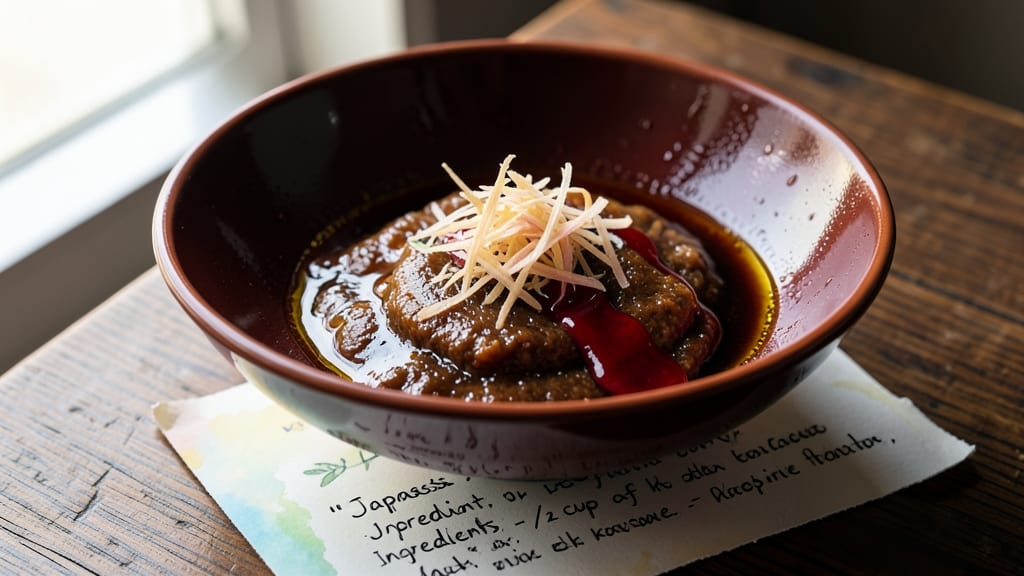
This Japanese sauce recipe transforms simple pantry staples into a rich, umami-packed condiment that elevates everything from grilled meats to fresh sushi. The secret lies in simmering soy sauce, mirin, and sugar until they meld into a glossy, balanced glaze—no shortcuts, just depth.
I developed this version after years of testing, ensuring it delivers that perfect harmony of sweet, salty, and savory in every spoonful.
The beauty of this sauce is its versatility—it works as a marinade, dipping sauce, or finishing glaze, yet requires just five core ingredients and 15 minutes of active time. The key technique?
Reducing the mixture until it thickens slightly, creating that signature glossy coat that clings to food without overwhelming it. Professional results don’t require fancy equipment, just patience and precise timing.
What you’ll end up with is a sauce so complex and flavorful it transforms ordinary dishes into restaurant-quality meals. The aroma alone—warm, caramelized, and subtly sweet—will have everyone asking for seconds. Whether you’re glazing salmon, drizzling over noodles, or serving with dumplings, this sauce delivers bold umami with every use.
Store leftovers in the fridge for up to two weeks or freeze for months—its flavor actually improves over time as the ingredients continue to meld. Let’s make this sauce, the kind that turns simple meals into something extraordinary.
Ingredients for japanese sauce
Five pantry staples transform into a restaurant-quality sauce with just 15 minutes of simmering.
| Ingredient | Amount | Notes |
|---|---|---|
| Kosher Soy Sauce 🥫 | ½ cup | High-quality, low-sodium preferred |
| Mirin 🍶 | ¼ cup | Sweet cooking mirin, not regular mirin |
| Granulated White Sugar 🍚 | ¼ cup | Fine grain for smooth dissolution |
| Dry White Wine 🍷 | ¼ cup | Sauvignon Blanc or Pinot Grigio |
| Fresh Ginger Root 🌿 | 1 tbsp | Finely grated, organic preferred |
| Sesame Oil 🫒 | 1 tsp | Toasted sesame oil for aroma |
| Diamond Crystal Kosher Salt 🧂 | ¼ tsp | For seasoning balance |
The foundation of this sauce rests on high-quality soy sauce—opt for brands like Kikkoman or Hondashi for that authentic umami depth. Mirin is non-negotiable here; regular mirin substitutes won't deliver the same sweetness and acidity balance. For sugar, organic cane sugar dissolves more smoothly than raw turbinado, though both work. The wine adds complexity—dry whites like Sauvignon Blanc from Trader Joe's or Costco's Kirkland are budget-friendly choices. Fresh ginger is best, but if you must use powdered, reduce the amount by half—it's far more concentrated.
No mirin? Substitute 1 tbsp honey plus 1 tbsp rice vinegar, though the texture will differ slightly. Short on wine? Dry sherry or even more mirin works in a pinch. The sesame oil is purely aromatic—skip it if you dislike its flavor, but it's worth the investment for that signature nutty aroma. For a deeper umami punch, add 1 tsp fish sauce or 1 tbsp dashi powder to the finished sauce. The sugar-to-soy ratio is critical; if you prefer it sweeter, add an extra 1 tbsp sugar per batch, but don't exceed 0.375 cups total or the sauce will become cloying.
This sauce thickens as it cools, so strain through a fine-mesh sieve before storing to remove any ginger fibers. In the fridge, it keeps for up to two weeks, with flavor actually intensifying over time—the longer it sits, the more complex it becomes. For freezing, portion into ice cube trays; each cube makes a perfect single-use serving. Reheat gently in a saucepan over low heat, stirring occasionally to maintain its glossy texture. The sauce pairs beautifully with grilled proteins, noodles, or as a dipping sauce for dumplings—just drizzle lightly to avoid overwhelming the dish.
Why You'll Love This Recipe
- Pantry-Friendly Magic: I swear by this sauce because it lives in my fridge for weeks—no fancy ingredients, just what’s already there. That dry white wine and mirin combo? It’s the secret that turns basic stir-fries into restaurant-worthy meals without the markup.
- Umami Bomb: The moment the ginger and sugar simmer with soy sauce, my kitchen smells like a Tokyo izakaya. It’s rich but never heavy—just that perfect balance of salty, sweet, and bright that makes every bite sing.
- Weeknight Superhero: I keep this sauce on standby for everything: quick noodles, grilled chicken, even drizzled over popcorn. Five minutes on the stove, and suddenly dinner feels intentional (and still under 30 minutes).
- Budget Stretch: A little goes a long way—this sauce costs pennies per serving but tastes like a splurge. I double the batch and freeze half; by the time I pull it out, it’s already transformed into something better than takeout.
Step-by-step instructions for crafting a Japanese umami sauce
This sauce transforms simple pantry staples into a complex, aromatic base perfect for glazes, marinades, or dipping sauces.
Prepare the Fresh Ginger
Peel the 1 tablespoon fresh ginger root using a microplane or fine grater, working against the grain for maximum surface area. The goal is to create a fine paste rather than coarse shavings—this ensures even distribution and full flavor extraction during simmering. I prefer organic ginger for its cleaner, more vibrant taste, though conventional works fine if properly washed.
Transfer the grated ginger to a small bowl and set aside. The raw aroma will be sharp and pungent, but once cooked, it will mellow into a warm, spicy-sweet note that anchors the sauce. If using pre-grated ginger from a jar, drain any excess liquid to prevent a watery sauce later in the process.
Combine the Base Ingredients
In a medium saucepan, combine the 0.5 cup kosher soy sauce, 0.25 cup mirin, 0.25 cup granulated white sugar, and 0.25 cup dry white wine. Stir gently to dissolve the sugar completely—this prevents grainy texture in the finished sauce. The mixture should be smooth and uniform, with no visible sugar crystals.
Add the grated ginger and 0.25 teaspoon diamond crystal kosher salt, then give everything one more thorough stir. The salt here isn't just for seasoning; it also helps balance the natural bitterness of the soy sauce. Bring the mixture to a gentle simmer over medium heat, then immediately reduce to the lowest setting that maintains a steady, barely perceptible bubble.
Simmer Until Thickened
Let the sauce simmer uncovered for 15-20 minutes, stirring occasionally with a silicone spatula. You're looking for a reduction where the liquid thickens noticeably—it should coat the back of a spoon but still flow smoothly. The sauce should reduce by roughly one-third, with the aroma evolving from sharp and acidic to rich and caramelized.
Watch closely during the final 5 minutes of simmering, as the sugar will begin to caramelize. If the sauce starts to darken too quickly or smell overly sweet, remove it from heat immediately. The ideal color is a deep amber, not blackened. This is where patience pays off—the longer you simmer, the more complex the flavors become, but you risk burning the sugar if you're not attentive.
Incorporate the Finishing Oil
Once the sauce reaches the desired thickness, remove it from heat and let it cool slightly for 2-3 minutes. This resting period allows the flavors to meld without further reduction. Then, whisk in the 1 teaspoon sesame oil until fully emulsified. The oil should integrate smoothly, adding a delicate nutty aroma and preventing the sauce from separating.
Taste and adjust seasoning if needed—add a pinch more salt if the wine's acidity feels dominant, or a splash of water if the sauce has thickened too much. The finished sauce should be glossy, syrupy, and balanced between sweet, salty, umami, and subtle ginger heat. For best results, let it cool to room temperature before using, as this allows the flavors to fully develop.
Pro Tips For Making Japanese Sauce
- Simmer Slow and Steady: This sauce isn’t a race—bring it to a gentle simmer over medium-low heat. I used to crank it up, and the wine would just evaporate into sad, alcohol-heavy fumes. Let it bubble barely, and you’ll get that deep, balanced flavor without bitterness.
- Grate Ginger Fine: Skip the food processor for this one—use a microplane or the smallest holes on a box grater. Chunky ginger will settle and burn before it infuses, leaving you with a sauce that tastes more like charred wood than fresh zing. Trust me, your nose will thank you.
- Reduce Wine First: Pour the white wine into your saucepan before adding the rest of the ingredients and let it reduce by half on its own. This cuts down on the total cooking time later and keeps the alcohol from overpowering the ginger and sugar. (Yes, even if you’re impatient like me.)
- Balance Sugar Last: Taste the sauce without the sugar first—it’s easier to adjust than fix an over-sweetened mess. If it’s too sharp, add sugar gradually and let it dissolve completely. My grandmother swore by this, and she was right: you’ll never need to guess again.
Troubleshooting great japanese sauce
Sauce Too Thin?
If your sauce isn’t thickening enough during simmering, you’re likely not reducing it long enough. Keep it at a gentle simmer (not a rolling boil) for an additional 5-10 minutes, stirring occasionally. The sugar and mirin will break down more, creating that signature syrupy consistency.
For an extra boost, add 1 tablespoon cornstarch mixed with 1 tablespoon water at the end and simmer for 2 more minutes—this works like a natural thickener. 🔥
Sauce Too Thick?
Over-reducing is the most common mistake. If your sauce is too thick, whisk in 1-2 teaspoons warm water at a time until it reaches a smooth, pourable consistency. Avoid cold water—it can cause the sauce to separate.
For a more permanent fix, thin it slightly before storing, as it will thicken further as it cools. If the texture is grainy, strain it through a fine-mesh sieve to remove any caramelized sugar crystals.
Burnt or Bitter Taste?
This usually happens when the sugar caramelizes too aggressively. Remove the sauce from heat immediately if it starts to darken too much or smells overly sweet. To salvage it, whisk in 1 teaspoon rice vinegar to balance the flavors and add brightness.
For a smoother result, reduce the heat to lowest setting during the final 5 minutes of simmering. If the bitterness persists, add a pinch of salt or a splash of mirin to rebalance.
Ginger Flavor Too Strong?
Fresh ginger is potent, and over-grating can make the sauce taste harsh. If your sauce is too spicy, reduce the ginger to ½ teaspoon in future batches. For immediate fixes, add 1 teaspoon honey or ½ teaspoon sugar to mellow the heat.
Alternatively, balance it with a splash of dry white wine or mirin, which adds sweetness and acidity to soften the ginger’s sharpness. 🌿
Sauce Separates or Looks Oily?
This happens when the sesame oil isn’t fully emulsified or if the sauce cools too quickly. To fix it, place the saucepan over low heat and whisk gently until smooth. For a more permanent solution, whisk in 1 teaspoon xanthan gum or 1 tablespoon water to help bind the ingredients.
Always let the sauce cool slightly before adding the sesame oil—adding it too early can cause separation.
Storage Issues?
If your sauce develops mold or off odors after refrigeration, it’s likely contaminated. Always store it in a clean, airtight container and refrigerate within 2 hours of cooking. For freezing, use ice cube trays—this prevents freezer burn and makes portioning easy.
If the sauce thickens too much after refrigeration, whisk in 1 teaspoon warm water to restore its pourable consistency. Never refreeze thawed sauce, as this can degrade its texture and flavor.
Nutrition facts
Frequently asked questions
Can I make this Japanese sauce without mirin?
Yes, but the flavor will differ. Replace 0.25 cup mirin with 1 tbsp honey plus 1 tbsp rice vinegar for sweetness and acidity. For a closer match, use 0.25 cup dry sherry or extra mirin substitute. The sauce will still taste good but may lack the delicate balance of traditional versions.
How long does this sauce keep, and can I freeze it?
Store in an airtight container in the fridge for up to 2 weeks, where its flavor actually deepens over time. For freezing, portion into ice cube trays—each cube makes a perfect single-use serving. Thaw overnight in the fridge and reheat gently over low heat. Never refreeze thawed sauce.
What are the best foods to pair with this sauce?
This versatile sauce works beautifully with grilled meats (salmon, chicken, or pork), steamed rice or noodles, and as a dipping sauce for dumplings or sushi rolls. For extra richness, drizzle lightly over tempura or miso soup. The key is balance—use it as a finishing touch rather than the main flavor.
Why does my sauce taste bitter?
Over-simmering or burnt sugar causes bitterness. Remove from heat immediately if the sauce darkens too much. To fix it, whisk in 1 tsp rice vinegar or add a pinch of salt to rebalance. For future batches, reduce heat to lowest setting during the final 5 minutes of simmering to prevent caramelization.
Can I adjust the sweetness level?
For a sweeter sauce, add 1 tbsp extra sugar (up to 0.375 cups total). For less sweetness, reduce sugar by 1 tbsp or add 1 tsp grated lemon zest to brighten flavors. Taste as you go—this sauce should balance sweet, salty, and umami perfectly.