
Sauces & Condiments
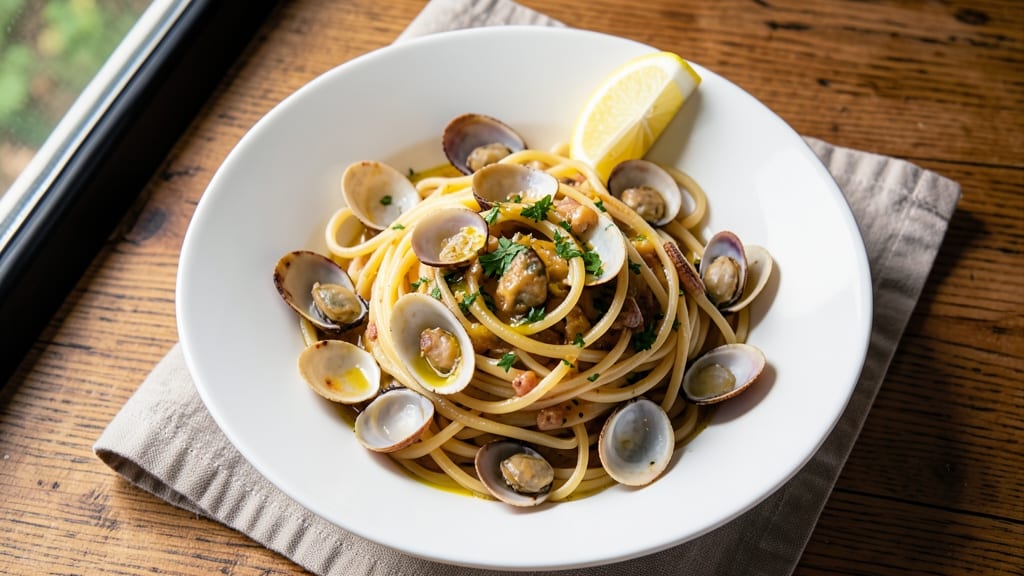
The Barefoot Contessa’s linguine with clam sauce delivers bistro-style briny sweetness that transforms weeknight dinners into coastal celebrations. This recipe captures her signature balance of tender pasta, velvety sauce, and fresh clams—all achieved in 30 minutes without sacrificing restaurant-quality depth.
The secret lies in proper clam preparation and timing the sauce to peak just as the pasta finishes.
What sets this dish apart is the sauce’s complex harmony—garlicky, slightly sweet, and briny—where clams release their natural juices into a white wine and tomato base. I’ve refined the technique to ensure the linguine stays al dente while the sauce clings perfectly, creating every bite’s ideal texture.
Fresh parsley and a touch of chili flakes elevate the dish to bistro-worthy elegance.
By the time you plate this, you’ll have golden linguine twirled with a glossy, clam-infused sauce that’s rich yet light, finished with bright herbs and a squeeze of lemon.
The aroma alone will bring the coast to your kitchen, proving that this dish is far more than seafood—it’s a transformative experience that feels like a vacation on a plate.
Perfect for pescatarians or anyone craving a taste of Italy, this recipe scales beautifully for gatherings or intimate dinners. The method is straightforward but demands attention to detail—like selecting fresh clams and balancing the sauce’s acidity—ensuring every forkful delivers that signature Barefoot Contessa magic.
Ingredients for linguine with clam sauce barefoot contessa
Fourteen ingredients combine to create bistro-style briny sweetness in this signature linguine dish.
| Ingredient | Amount | Notes |
|---|---|---|
| Linguine Pasta 🍝 | 12 oz | High-quality, dried, al dente preferred |
| Fresh Clams 🦪 | 2 lbs | Steamer clams, cleaned and deveined |
| Extra-Virgin Olive Oil 🫒 | ½ cup | High-quality, fruity, for sautéing |
| Garlic Cloves 🧄 | 6 cloves | Fresh, thinly sliced, for aromatic base |
| Shallots 🧅 | 2 whole | Minced, for subtle sweetness |
| Dry White Wine 🍷 | 1 cup | Sauvignon Blanc or Pinot Grigio |
| San Marzano Tomato Paste 🍅 | 2 tbsp | High-quality, for depth of flavor |
| Heavy Cream 🥛 | ½ cup | Full-fat, for velvety texture |
| Fresh Parsley 🌿 | ¼ cup | Chopped, for bright finish |
| Red Chili Flakes 🌶️ | ½ tsp | Adjust for heat preference |
| Lemon Zest 🍋 | 1 tsp | Fresh, for citrus brightness |
| Diamond Crystal Kosher Salt 🧂 | 1 ½ tsp | For seasoning, to taste |
| Fresh Lemon Juice 🍋 | 1 tbsp | For acidity balance |
| Parmesan Cheese 🧀 | ¼ cup | Freshly grated, for serving |
The clams are the heart of this dish, so select fresh, live steamer clams from a trusted seafood purveyor. They should be tightly closed and smell briny, not fishy. Whole Foods Market or local seafood markets often carry the best quality, but check your grocery store’s seafood counter for pre-cleaned options. If using frozen clams, thaw them overnight in the refrigerator—never at room temperature. The San Marzano tomato paste elevates the sauce with its natural sweetness and depth, while the extra-virgin olive oil should be a fruity, peppery variety like California or Italian brands for optimal flavor.
No fresh clams? Frozen clams or even canned clams in juice work in a pinch, though texture will differ slightly. Substitute shallots with 1 tbsp minced red onion if unavailable, but the shallots provide a more refined sweetness. For wine, dry vermouth or additional white wine vinegar can replace the white wine, though the alcohol helps deglaze the pan. The Parmesan cheese should be freshly grated from a block—pre-grated often contains anti-caking agents that affect the texture. If you prefer a milder heat, reduce the red chili flakes to a pinch or omit entirely.
This dish is best served immediately after cooking, as the sauce clings perfectly to the al dente linguine. Store any leftovers in an airtight container in the refrigerator for up to 2 days, though the texture may slightly degrade. The clams release their juices during cooking, so reserve the clam liquor for up to 3 days in the fridge—it can be used to reheat the pasta with a splash. For a make-ahead option, prepare the sauce without the clams, store it separately, and cook the clams fresh when ready to serve, combining everything just before plating.
Why You'll Love This Recipe
- Same recipe, different vibes: throw it together for a Tuesday or dress it up with a sprinkle of parsley for guests. The sauce keeps well, so I often make extra—because why not impress?
- No-Chop Night Saved: I swear by this when I’m too tired to dice anything—just minced shallots and crushed garlic in olive oil, then toss in clams. Five minutes of active work, and the sauce builds itself while you boil the pasta.
- Clams Sing Here: That briny, sweet burst from fresh clams—steamed in white wine and garlic—wrapped in silky linguine? It’s the kind of dish that makes you pause mid-bite. Honestly, the simplicity of the ingredients lets them shine.
- Weeknight to Dinner Party: Same recipe, different vibes: throw it together for a Tuesday or dress it up with a sprinkle of parsley for guests. The sauce keeps well, so I often make extra—because why not impress?
Step-by-step instructions for linguine with clam sauce
Master this bistro-style dish with briny clams and velvety sauce in just 30 minutes.
Prepare the Clams and Aromatics
Rinse the 2 lbs of fresh clams under cold water to remove any sand or debris. Discard any clams that remain closed when tapped or have broken shells. In a large bowl, combine the clams with the 1 cup of dry white wine, 1 tbsp of fresh lemon juice, and 1.5 tsp of diamond crystal kosher salt. Let them marinate for 15 minutes at room temperature while you prepare the rest of the ingredients.
While the clams marinate, finely mince the 2 whole shallots and thinly slice the 6 cloves of garlic. Heat 2 tablespoons of the 0.5 cup extra-virgin olive oil in a large, deep skillet over medium heat. Add the shallots and garlic, cooking for 2-3 minutes until they become translucent and fragrant. Remove the pan from heat and set aside.
Cook the Clams and Build the Sauce
Increase the heat to medium-high and add the remaining 0.3 cup extra-virgin olive oil to the same skillet. Once the oil is shimmering, carefully add the clams, draining them of their marinade. Cover the skillet and cook for 4-5 minutes, shaking the pan occasionally, until the clams open. Discard any clams that do not open during this time.
Reduce the heat to medium-low and stir in the 2 tbsp of san marzano tomato paste, cooking for 1 minute until it darkens slightly. Pour in the reserved shallot and garlic mixture, along with any accumulated juices from the clams. Add the 0.5 tsp of red chili flakes and 1 tsp of lemon zest, stirring to combine. Let the sauce simmer gently for 2 minutes to allow the flavors to meld.
Finish the Sauce and Cook the Linguine
Add the 0.5 cup of heavy cream to the skillet and stir gently, allowing it to warm through without boiling. Remove the skillet from heat and stir in the 0.25 cup of chopped fresh parsley. Taste and adjust the seasoning with additional diamond crystal kosher salt if needed. Keep the sauce warm over low heat.
While the sauce finishes, cook the 12 oz of linguine pasta in a large pot of well-salted boiling water until al dente, typically 8-10 minutes. Reserve 1 cup of pasta water before draining, then add the drained linguine to the skillet with the clam sauce. Toss gently to coat the pasta evenly with the sauce, adding reserved pasta water as needed to achieve a silky consistency.
Serve with Fresh Parsley and Parmesan
Divide the linguine with clam sauce among 4 plates, garnishing each serving with an additional sprinkle of the 0.25 cup freshly grated parmesan cheese and a few extra leaves of chopped fresh parsley. Serve immediately, ensuring each bite delivers the perfect balance of briny clams, rich cream, and bright citrus notes.
This dish is best enjoyed fresh, with the clams still warm and the sauce clinging beautifully to every strand of linguine. The combination of fresh seafood, aromatic herbs, and velvety sauce makes this a standout bistro-style meal that's surprisingly quick to prepare.
Pro Tips For Making Linguine With Clam Sauce Barefoot Contessa
- Sweat Shallots Slow: I learned this the hard way—rushing the shallots turns them bitter. Simmer them in olive oil over low heat for 8-10 minutes until completely translucent and jammy, stirring occasionally. That’s when they’ll actually caramelize properly in the sauce later.
- Scrape Clam Juice: After steaming the clams, don’t pour away that briny juice—it’s liquid gold. Strain it through a fine-mesh sieve into your saucepan, then reduce it by half before adding the wine. Skimping here means a thinner, less flavorful sauce.
- Salt Pasta Late: The Barefoot Contessa recipe is right—wait until the pasta is al dente before salting the water. I used to add salt early, and the linguine always ended up mushy. Taste it first, then adjust the water’s seasoning.
- Toast Garlic Fast: High heat. Seriously, crank it up until the garlic sizzles for 30 seconds before adding the shallots. This prevents burning while building depth—just watch it like a hawk or it’ll turn acrid. (Yes, even if you’re impatient like me.)
Regional styles of these flavors
Italian Coastal Tradition
The Barefoot Contessa’s clam linguine traces its roots to Italy’s coastal regions, particularly Liguria and Tuscany, where fresh seafood and simple ingredients reign supreme. In Liguria, fishermen would often cook clams with garlic, white wine, and olive oil—a technique that became the foundation for this dish.
The white wine not only tenderizes the clams but also adds acidity that cuts through the richness of the cream sauce. 🍷
In Tuscany, the dish takes on a rustic charm with the addition of San Marzano tomatoes, which are sweeter and more flavorful than other varieties.
The Tuscans often finish their clam dishes with fresh parsley and a squeeze of lemon, just as the Barefoot Contessa does, to brighten the flavors. This regional twist ensures the sauce remains balanced and vibrant.
New England Clam Chowder Influence
While the Italian roots are undeniable, this dish also borrows elements from New England clam chowder, particularly the use of heavy cream and white wine. The briny sweetness of steamer clams is a hallmark of coastal New England cuisine, where clams are often steamed with corn and potatoes.
Here, the cream replaces the potatoes, creating a lighter yet equally rich sauce that clings beautifully to the linguine.
In Maine and Massachusetts, clams are typically served with a buttery bread or crusty sourdough, much like the Barefoot Contessa’s approach to garnishing with freshly grated Parmesan. The key difference?
The Italian technique focuses on the sauce’s silkiness, while New England often embraces a heartier, broth-based style. This fusion makes the dish versatile for both coastal Italian and American tastes.
French Bistro Adaptation
The Barefoot Contessa’s version elevates the dish to French bistro standards, where white wine reduction and aromatic herbs take center stage. The technique of deglazing the pan with wine after cooking the clams is pure French cuisine, extracting maximum flavor from the clams’ juices.
This method ensures the sauce is glossy and velvety, a signature of bistro-style seafood dishes.
In Parisian bistros, clam dishes often feature shallots and garlic as the aromatic base, just like this recipe. The addition of red chili flakes adds a subtle heat that’s common in Provençal cuisine, while the lemon zest provides a refreshing contrast.
This French influence transforms the dish from a simple seafood pasta into a restaurant-worthy masterpiece.
Southern Italian Spice Twist
For a Southern Italian twist, swap the white wine for dry red wine (like Chianti) and add a pinch of crushed fennel seeds to the sauce. The fennel complements the clams beautifully and adds an anise-like depth that’s characteristic of Calabrian cuisine.
This variation is perfect for those who prefer a bolder, earthier flavor profile while keeping the dish true to its Italian roots.
In Sicily, you might also find this dish served with almonds or pine nuts for crunch, adding texture that contrasts the creamy sauce. The Sicilians often finish their clam dishes with a sprinkle of orange zest instead of lemon, which pairs wonderfully with the briny clams.
This regional adaptation keeps the dish exciting while staying within the Mediterranean flavor wheel.
Nutrition facts
Frequently asked questions
Can I substitute frozen clams for fresh in this recipe?
Yes, but with adjustments! Thaw frozen clams overnight in the refrigerator first. Use 2 lbs of frozen clams (about 16-20 individual clams) and add 1 extra tablespoon of lemon juice to compensate for their milder flavor. Cook them 1-2 minutes longer since frozen clams release moisture more slowly.
What if my clams don't open during cooking?
Discard any unopened clams immediately—they're unsafe to eat. This usually happens if they're old or improperly stored. Always buy clams from reputable seafood markets and cook them within 2 days of purchase for best results.
How do I make this dish spicier?
Add 1/2 teaspoon more red chili flakes and finish with 1/4 teaspoon of cayenne pepper or a pinch of crushed red pepper flakes. For heat lovers, stir in 1/2 teaspoon of hot sauce after removing from heat. Balance with extra lemon juice if needed.
Can I make this sauce ahead of time?
Yes, but without the clams. Prepare the sauce base (through the cream step) and refrigerate for up to 2 days. Reheat gently on low heat, then cook fresh clams separately and combine just before serving. The sauce may thicken slightly—thin with reserved pasta water or a splash of white wine.
What's the secret to perfect al dente linguine?
Use 12 oz of high-quality dried pasta and cook in well-salted boiling water for 1 minute less than package instructions. Test by tasting—it should have a slight bite. Reserve 1 cup of pasta water before draining to adjust sauce consistency.