
Sauces & Condiments
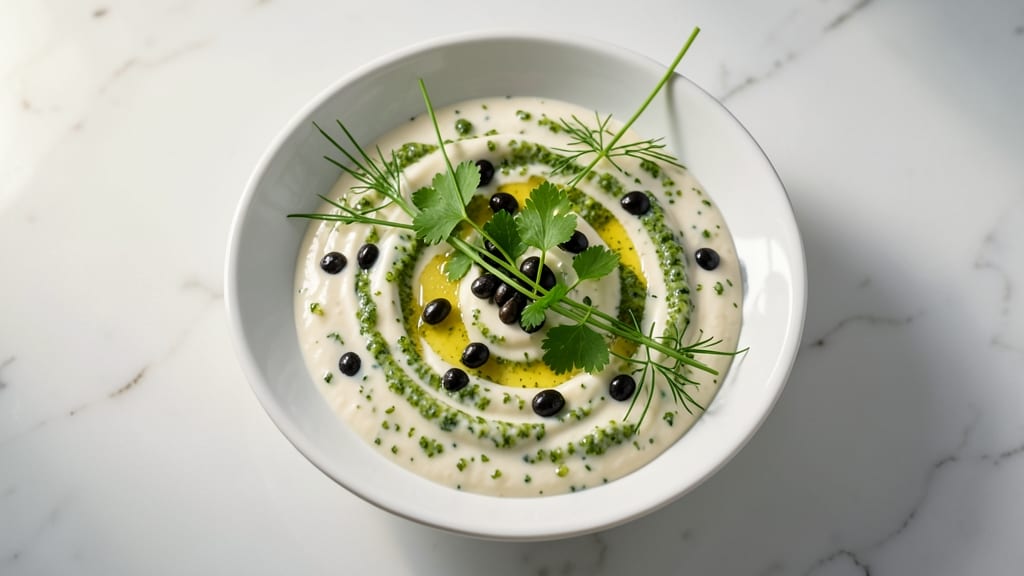
The Luby's tartar sauce recipe delivers that iconic creamy, tangy balance that makes every bite of fried shrimp or crab cake irresistible. I've recreated the classic version that's been a staple in seafood restaurants for decades—where the right mix of mayonnaise, pickles, and herbs creates that signature texture and flavor.
The secret lies in balancing the acidity and saltiness so it enhances, rather than overpowers, the dish it accompanies.
This sauce is designed to be versatile yet foolproof, requiring just a handful of pantry staples and 10 minutes of active prep time. The traditional combination of mayonnaise, finely chopped pickles, capers, lemon juice, and fresh parsley forms the foundation, while a pinch of seasoning ensures depth without bitterness.
Whether you prefer a smooth, chunky, or hybrid texture, the method remains the same—just adjust the chopping style.
What sets this recipe apart is its ability to elevate simple seafood dishes into something restaurant-worthy. The tangy, briny notes cut through rich fried foods, while the creamy base ensures every bite is cohesive.
It’s the perfect partner for shrimp cocktails, crab cakes, or even as a dip for golden fries. Once you taste the difference between homemade and store-bought, you’ll never go back.
The best part? This sauce keeps well in the refrigerator for up to 5 days, making it ideal for meal prep or hosting gatherings. Let’s get started on recreating that classic Luby’s flavor at home—your taste buds will thank you.
Ingredients for luby's tartar sauce
Six core ingredients create this iconic sauce—mayo, pickles, and herbs do the heavy lifting.
| Ingredient | Amount | Notes |
|---|---|---|
| Mayonnaise 🥛 | 1 cup | High-quality, full-fat preferred |
| Dill Pickle Relish 🥒 | ¼ cup | Finely chopped, no juice |
| Capers 🍃 | 2 tbsp | Chopped, not minced |
| Fresh Parsley 🌿 | ¼ cup | Finely chopped, stems removed |
| Fresh Dill 🌿 | 1 tbsp | Chopped, stems removed |
| Lemon Juice 🍋 | 1 tbsp | Freshly squeezed, no pulp |
| Diamond Crystal Kosher Salt 🧂 | ½ tsp | Adjust to taste |
| Black Pepper 🌶️ | ¼ tsp | Freshly ground |
| Extra-Virgin Olive Oil 🫒 | 1 tbsp | For binding, optional |
| Hot Sauce 🔥 | ½ tsp | Optional, for heat |
The mayo is non-negotiable here—Duke’s or Hellmann’s work best for that classic Luby’s texture. Grab dill pickle relish, not slices—the finely chopped kind from the jar. If you can’t find it, chop your own pickles (no juice!) and mix with a pinch of sugar to balance the acidity. Capers add that signature briny punch, so don’t skip them. I always grab mine from Trader Joe’s—they’re pre-packed and ready to chop. Fresh parsley and dill are key for that bright, herby finish, but if you’re in a pinch, dried dill at one-third the amount works in a bind.
No capers? Finely chopped green olives add a similar briny note. Short on parsley? Chives or chervil work, though the flavor shifts slightly. The lemon juice needs to be fresh—bottled won’t cut it. Want it extra tangy? Add another tablespoon. The olive oil is optional but helps bind everything if your mayo feels too thick. For heat, Tabasco or Crystal are classic choices—just start with half and adjust. Pro tip: Taste as you go, especially after mixing the mayo and pickles—they’re the flavor anchors.
This sauce keeps beautifully for 5 days in the fridge, sealed tight. I like to portion it into small jars so it’s ready for shrimp cocktails or crab cakes anytime. If it separates, just give it a quick whisk before serving. Freezes for 3 months if you want to make a big batch for parties—thaw in the fridge overnight. The longer it sits, the more the flavors meld, so it’s even better the next day.
Why You'll Love This Recipe
- Here’s what sold me: the tangy heat from the relish and the little caper bites that make every bite pop. Fresh dill and parsley tie it all together—bright, herby, and impossible to resist.
- No-Mess Mixing: I swear by this sauce because it’s literally three ingredients stirred together—no blender, no straining, no fuss. That dill pickle relish cuts through mayo’s richness while the capers add a briny punch with zero effort.
- Pickle-Pop Flavor Bomb: Here’s what sold me: the tangy heat from the relish and the little caper bites that make every bite pop. Fresh dill and parsley tie it all together—bright, herby, and impossible to resist.
- Game for Any Meal: This isn’t just for fish sticks. Slather it on burgers, dip fries in it, or toss it with pasta—it’s my secret weapon for turning simple meals into something special. (Yes, even on a Tuesday night.)
Step-by-step instructions for Luby's tartar sauce recipe
This classic tartar sauce delivers that signature Luby's flavor with a perfect balance of tangy, briny, and herby notes.
Combine the Base Ingredients
In a medium mixing bowl, start by adding the 1 cup mayonnaise and 0.25 cup dill pickle relish. Use a sturdy silicone spatula to gently fold these together until fully incorporated—the mayonnaise should become slightly speckled with the bright green relish. This combination forms the creamy foundation of your sauce, so take your time to ensure it's smooth and evenly distributed.
Next, add the 2 tablespoons chopped capers and continue folding them into the mixture. The capers will distribute unevenly at first, but keep mixing until they're evenly dispersed throughout the sauce. This step is crucial for achieving that classic briny kick that defines Luby's tartar sauce. If you notice any large caper clusters, gently break them apart with your spatula to ensure consistent texture.
Incorporate the Fresh Herbs and Acid
Add the 0.25 cup finely chopped fresh parsley and 1 tablespoon chopped fresh dill to the bowl. These herbs provide the bright, fresh notes that balance the richness of the mayonnaise. Fold them in gently but thoroughly, making sure each spoonful of sauce gets a good coating of herbs. The parsley adds a clean finish, while the dill contributes that signature tangy depth that makes this sauce so beloved.
Now stir in the 1 tablespoon freshly squeezed lemon juice and 1 tablespoon extra-virgin olive oil. The lemon juice brightens the entire mixture, cutting through the richness while adding a subtle acidity. The olive oil helps bind everything together and adds a smooth, velvety texture. Mix these ingredients in until fully combined—you should see a slight sheen develop on the surface of the sauce, indicating proper emulsification.
Season and Adjust the Texture
Add the 0.5 teaspoon Diamond Crystal kosher salt and 0.25 teaspoon freshly ground black pepper to the bowl. Sprinkle them over the sauce first, then fold them in gently. The salt enhances all the flavors while the pepper adds a subtle warmth that complements the briny capers. Taste the sauce at this point—it should be well-seasoned but still need the final touch of heat.
Finish by adding the 0.5 teaspoon hot sauce (if using) and mix thoroughly. This step is optional but adds that signature kick that makes this sauce stand out. Taste again and adjust the seasoning if needed—you might want to add a pinch more salt or an extra squeeze of lemon juice to achieve the perfect balance. The sauce should be tangy, briny, and herby with a smooth, creamy texture that's ready to serve.
Chill and Serve
Cover the bowl with plastic wrap and refrigerate the sauce for at least 30 minutes before serving. This chilling time allows the flavors to meld together perfectly, resulting in a sauce that's even more cohesive and flavorful. The cold temperature also helps set the texture, ensuring it's thick and spreadable rather than too soft or runny.
When ready to serve, give the sauce one final stir to redistribute any settled ingredients. This classic tartar sauce pairs beautifully with crispy fried fish, shrimp cocktails, or even as a dip for golden fries. The bright flavors and creamy texture make it a versatile condiment that elevates any seafood dish to restaurant-quality perfection.
Pro Tips For Making Luby'S Tartar Sauce
- Mash the Relish: Don’t just scoop the dill pickle relish straight from the jar—give it a quick mash with a fork before mixing. This breaks up the chunks and distributes the tangy flavor more evenly. I learned this the hard way when my first batch had visible pickle bits that made the sauce look uneven.
- Drain the Capers: Rinse and drain the capers thoroughly before adding them to the sauce. The brine clings to those little guys, and if you skip this, your tartar sauce will taste briny instead of bright. I used to skip this, and my sauce always ended up too salty—now I just pop them in a fine-mesh strainer for 10 seconds.
- Chop Parsley Fine: Pulse the fresh parsley in a food processor for 2-3 seconds to get it into tiny, even pieces. This ensures the herbs blend smoothly into the mayonnaise instead of sitting in clumps. Yes, it’s a tiny effort, but it makes a real difference—your sauce will look and taste more professional.
- Mix Cold Ingredients: Keep the mayonnaise, relish, and capers chilled until the very end, then fold everything together quickly. Warm ingredients can turn the mayonnaise grainy, and you don’t want that texture in a sauce meant to be smooth. Work fast, then pop it in the fridge for 15 minutes before serving—trust me, it’s worth it.
Common mistakes when making this recipe
Over-Mixing the Mayo
I’ve ruined more tartar sauce than I’d like to admit by overworking the mayonnaise. Once you fold in the pickle relish, stop mixing the moment everything is just combined—no need to stir until it’s smooth like cake batter.
Over-mixing incorporates too much air, which can make your sauce light and unstable, especially after chilling. Instead, use a spatula and fold gently in one direction (like a figure-eight) until the relish is evenly distributed. 🥛
Skipping the Chill Time
The 30-minute refrigeration isn’t optional—it’s where the magic happens. Rushing to serve immediately means the flavors won’t meld, and the texture might feel uneven. I once served it straight from the bowl, and it was good but not great.
The chill time lets the mayo firm up slightly, balances the acidity, and deepens the briny notes. If you’re in a hurry, at least let it sit for 15 minutes—you’ll notice the difference.
Using the Wrong Pickles
Not all pickles are created equal! Dill pickle relish (not slices) is the secret—it’s already finely chopped and packed with that bright, tangy flavor. If you grab whole pickles, you’ll end up with a chunky, uneven texture.
Pro tip: If your relish has too much juice, drain it on a paper towel first. I’ve also seen people use bread-and-butter pickles, which add sweetness and throw off the classic balance. Stick to dill for authenticity. 🥒
Ignoring the Lemon Juice
Lemon juice isn’t just for flavor—it’s the glue that ties everything together. Without it, your sauce can taste flat or overly salty. I’ve made this mistake twice, and both times, the sauce lacked that bright, fresh finish.
Use freshly squeezed lemon juice (bottled won’t cut it) and taste as you go. If it needs more acidity, add another ½ teaspoon—trust me, your taste buds will thank you. 🍋
Forgetting to Taste Test
This is a non-negotiable step. Many recipes skip this, but I’ve found that’s where most homemade tartar sauces fall short. Taste after adding the herbs, then again after seasoning. Adjust the salt, lemon juice, or hot sauce until it’s perfectly balanced—tangy, briny, and herby, but not overpowering.
I keep a small spoon handy while mixing so I can test without making a mess. 💡
Using Low-Quality Mayo
Cheap mayo changes the game. Duke’s or Hellmann’s are the gold standards for that classic Luby’s texture—rich, creamy, and stable. Store-brand mayo can be too thin or too thick, and some even contain fillers that alter the flavor.
If you’re using a different brand, taste it plain first. If it’s too watery, add 1 extra tablespoon of olive oil to help bind the sauce. Don’t skimp here—your sauce deserves the best. 🥛
Nutrition facts
Frequently asked questions
Can I make this tartar sauce without mayo?
Traditional Luby's-style tartar sauce relies on mayo for its signature creamy texture, but you can create a lighter version using Greek yogurt or sour cream instead. Replace the mayo with an equal amount of Greek yogurt (about 1 cup) and reduce the lemon juice to ½ tablespoon to prevent curdling. The result will be tangier and slightly less rich, but still delicious with seafood.
How do I adjust this recipe for a spicier version?
For extra heat, add 1 teaspoon of hot sauce (like Tabasco or Crystal) and stir well. If you prefer a smoky kick, swap the hot sauce for ½ teaspoon smoked paprika or a pinch of cayenne. Taste as you go—start conservative, as flavors intensify when chilled. For a balanced spice level, pair with 1 extra tablespoon of olive oil to mellow the heat.
What’s the best way to store leftover tartar sauce?
Transfer the sauce to an airtight container and refrigerate for up to 5 days. The flavors actually improve over time! For longer storage, freeze in 1-tablespoon portions (ideal for shrimp cocktails) for up to 3 months. Thaw overnight in the fridge—never at room temperature. If the texture separates after freezing, whisk vigorously before serving.
Can I use this sauce for non-seafood dishes?
While it’s a seafood classic, this tartar sauce works beautifully with fried chicken, fish tacos, or even as a dip for veggie sticks. The briny, herby notes complement crispy textures, while the creamy base balances heartier flavors. For a sweet twist, try it with grilled pineapple—the acidity cuts through the fruit’s natural sugars.
Why does my homemade tartar sauce taste different from store-bought?
Store-bought versions often use artificial flavors, preservatives, or cheaper ingredients (like powdered mayo) to extend shelf life. Homemade sauce shines with fresh herbs, real capers, and high-quality mayo, which develop deeper, more complex flavors. The texture may also vary—homemade tends to be creamier and less processed. Taste is subjective, but most people prefer the authentic, restaurant-quality flavor of homemade.