
Sauces & Condiments
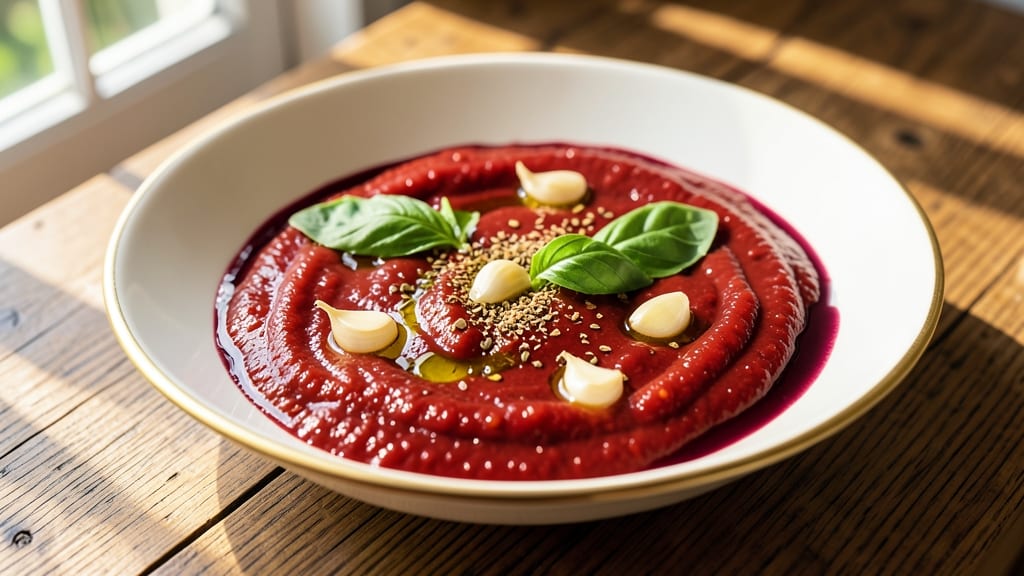
Creating a rich marinara sauce with canned tomato sauce proves you don’t need fresh tomatoes to achieve restaurant-quality flavor. This 20-minute pantry solution delivers depth through aromatic garlic, fresh herbs, and a touch of sweetness that balances acidity—transforming simple ingredients into a versatile sauce perfect for pasta, pizza, or dipping.
The secret lies in proper simmering and seasoning adjustments, ensuring every batch tastes homemade, not canned.
What sets this marinara apart is its professional-level texture and balance, achieved without blending. Aromatic garlic sautéed in olive oil forms the foundation, while a splash of red wine (or broth) deepens the flavor profile during the simmer.
Fresh basil and oregano add brightness, while a pinch of sugar rounds out the acidity from the canned tomatoes. The result? A smooth, velvety sauce with just enough body to coat noodles or crust without overwhelming them.
This marinara works equally well as a quick weeknight dinner base, a pizza sauce, or a dipping sauce for garlic bread. The foolproof method ensures consistent results—no lumps, no bitterness—while keeping prep under 20 minutes.
Whether you're feeding a family or meal prepping for the week, this sauce delivers restaurant-quality richness with minimal effort. Ready to elevate your pantry staples?
For even more versatility, adjust the seasoning to suit your taste—add a pinch of red pepper flakes for heat or a splash of cream for extra richness. The beauty of this recipe is its adaptability while maintaining that authentic Italian flavor we all crave. Let’s get cooking!
Ingredients for marinara sauce recipe with canned tomato sauce
Eight pantry staples transform into restaurant-quality marinara in under twenty minutes.
| Ingredient | Amount | Notes |
|---|---|---|
| Extra-Virgin Olive Oil 🫒 | ½ cup | High-quality, fruity variety preferred |
| Canned Tomato Sauce 🍅 | 2 cups | San Marzano preferred, no salt added |
| Garlic Cloves 🧄 | 4 cloves | Freshly minced, aromatic |
| Red Wine 🍷 | ¼ cup | Dry, bold variety like Cabernet |
| Fresh Basil Leaves 🌿 | ½ cup | Packed, stems removed |
| Dried Oregano 🍃 | 1 tsp | Mexican oregano if available |
| Granulated Sugar 🍚 | 1 tbsp | Balances acidity |
| Salt 🧂 | 1 tsp | Diamond Crystal preferred |
| Black Pepper 🌶️ | ½ tsp | Freshly cracked |
| Beef Broth 💧 | ½ cup | Low-sodium preferred |
The San Marzano canned tomato sauce makes all the difference—its natural sweetness and low acidity create a smoother base. Trader Joe's and Whole Foods carry it, or look for 'whole peeled tomatoes' if you prefer to crush them yourself. Fresh garlic is non-negotiable here; roasted garlic works in a pinch but lacks the aromatic punch. For the red wine, Cabernet Sauvignon or Merlot add depth without overpowering—whatever's open in your fridge. The extra-virgin olive oil should have a peppery finish; California Avocado Ranch is my go-to for that fruity kick.
No red wine? Beef broth with a splash of balsamic vinegar mimics the depth perfectly. Fresh basil wilting? Dried basil at one-third the amount works, but nothing beats the real thing. The sugar might seem odd, but it's essential—1 tbsp balances the acidity from the canned tomatoes. For extra richness, stir in 2 tbsp heavy cream at the end. Want heat? Add ½ tsp red pepper flakes with the oregano. The beef broth can be swapped for vegetable broth for a lighter version, but keep it low-sodium to avoid over-salting.
This sauce peaks after 3-4 days in the fridge—flavors meld beautifully. Freeze in ice cube trays for single servings or silicone molds for larger batches. Portion into glass jars for long-term storage; it keeps for up to 6 months in the freezer. Reheat gently on the stove, stirring occasionally, to prevent skin formation. Leftovers make fantastic pizza sauce or pasta topping—just thin with a splash of water if needed.
Why You'll Love This Recipe
- Pantry to Plate Fast: I swear by this—open the can, dump in the wine and garlic, and let it simmer. No chopping, no fuss, just 20 minutes of hands-off magic while you toss a salad or set the table.
- Wine-Infused Depth: That splash of red wine? It’s not just for show—it softens the acidity and adds this earthy richness that turns basic canned sauce into something restaurant-worthy. Honestly, the first time I tasted it, I thought, "Wait, I made this?"
- Weeknight & Weekend: Slap it on spaghetti for Tuesday dinners or use it as a pizza base for Sunday family gatherings. The same sauce works for both—just adjust the herbs or add a pinch of sugar if you’re feeling fancy. (Yes, even on a Tuesday night.)
- Budget-Friendly Leftovers: A single can stretches to four meals, and the flavor actually improves the next day. Freeze half for lazy nights, and you’ve got a pantry staple that costs pennies but tastes like you spent hours. My wallet and I are forever grateful.
Step-by-step instructions for marinara sauce with canned tomato sauce
This method transforms pantry staples into a restaurant-worthy marinara in record time.
Sauté Garlic in Olive Oil Until Fragrant
Heat the 0.5 cup extra-virgin olive oil in a medium saucepan over medium heat until shimmering but not smoking. Add the 4 minced garlic cloves and sauté for 1-2 minutes until they release their aromatic oils and become light golden—never let them brown. This step builds the sauce's flavor foundation, so don't rush it. If the garlic starts to darken too quickly, reduce the heat slightly and continue cooking.
Here's the thing—garlic burns faster than you think. I've learned the hard way that constant attention during this step prevents bitterness. The moment you smell that sweet, nutty aroma, you're ready for the next ingredient. Remove the pan from heat briefly if needed to prevent color change, but aim to keep it cooking continuously.
Deglaze with Red Wine and Add Tomato Sauce
Return the pan to medium heat and immediately pour in the 0.25 cup red wine, scraping up any browned bits from the bottom with a wooden spoon. This deglazing step captures all the flavor you've built so far. Let the wine simmer for 2-3 minutes until reduced by about half and slightly thickened.
Now stir in the 2 cups canned tomato sauce and bring the mixture to a gentle simmer. The sauce should bubble softly but not vigorously. Add the 1 tbsp granulated sugar, 1 tsp salt, and 0.5 tsp black pepper, stirring to dissolve completely. The sugar will help balance the acidity of the tomatoes while enhancing their natural sweetness. Let the sauce simmer uncovered for 5 minutes to allow the flavors to meld.
Build Depth with Beef Broth and Herbs
Pour in the 0.5 cup beef broth and the 1 tsp dried oregano, stirring well to combine. Increase heat to medium-low and let the sauce simmer gently for 8-10 minutes. This slow cooking allows the flavors to develop and the sauce to thicken naturally. Stir occasionally to prevent sticking, but don't over-stir—this can break down the sauce's texture.
Real talk: This is where the sauce transforms from basic to extraordinary. The beef broth adds umami depth that elevates it beyond simple tomato sauce. If the sauce becomes too thick during this time, add 1-2 tablespoons of water to reach your desired consistency. The sauce should coat the back of a spoon but still flow smoothly.
Finish with Fresh Basil and Adjust Seasoning
Remove the sauce from heat and stir in the 0.5 cup fresh basil leaves, tearing them between your fingers first to release their oils. Let the sauce sit for 5 minutes off the heat to allow the basil to infuse completely. The fresh basil adds bright, herbal notes that cut through the richness of the other ingredients.
Taste the sauce and adjust seasoning if needed. You might need a pinch more salt or a crack of black pepper to achieve perfect balance. The sauce should be vibrant, flavorful, and slightly tangy with just a touch of sweetness. If you're serving it immediately, you can proceed to the next step. For best results, let it rest at room temperature for 10-15 minutes before serving—this allows the flavors to fully develop.
Pro Tips For Making Marinara Sauce Recipe With Canned Tomato Sauce
- Sear the Garlic: DESCRIPTION:
- Deglaze with Wine: DESCRIPTION:
- Simmer, Don’t Boil: DESCRIPTION:
- Finish with Fresh Basil: DESCRIPTION:
Pro cooking tips for perfect results
Garlic Mastery
Freshly minced garlic is the flavor anchor of your marinara, so handle it with care. Sauté the 4 cloves in 0.5 cup olive oil over medium heat for exactly 1-2 minutes—any longer risks bitterness.
I like to use a microplane for quick, even mincing. For extra depth, add ½ tsp onion powder with the garlic to mimic caramelized onion flavor. 🧄
Wine Reduction Trick
The 0.25 cup red wine isn't just for flavor—it's a thickening agent. Simmer it until reduced by half before adding tomatoes, which concentrates its flavor and adds body.
No wine? Use 0.25 cup beef broth + 1 tbsp balsamic vinegar for similar depth. Always deglaze immediately after garlic to capture those precious fond bits.
Texture Control
For a silky-smooth sauce, simmer uncovered on medium-low heat. If it thickens too much, add 1 tbsp water at a time until it reaches a pasta-coating consistency. I test by dipping a wooden spoon—it should leave a light trail.
For chunkier texture, blend half the sauce before mixing back in, but I prefer the rustic look of whole tomatoes.
Herb Timing Matters
Add fresh basil only at the end—cooking destroys its delicate flavor. Tear leaves between fingers to release oils, then let sauce sit 5 minutes off heat for full infusion.
For dried basil, use ⅓ the amount (about ⅓ tsp) and add with oregano during simmering. Mexican oregano adds earthy notes that pair perfectly with tomato.
Acidity Balance
The 1 tbsp sugar is non-negotiable—it neutralizes canned tomato acidity. Taste after simmering: if too sharp, add ½ tsp more sugar or 1 tsp tomato paste. For tangy balance, a splash of lemon juice at the end works wonders.
I keep a small bowl of sugar on hand to adjust as I go—this sauce should taste vibrant, not flat.
Pro Equipment
Use a heavy-bottomed saucepan (like All-Clad) to prevent scorching. A wooden spoon prevents scratching, and a fine-mesh strainer helps remove basil stems. For large batches, a slow cooker on low for 2 hours develops deeper flavor—just stir occasionally. The right tools make all the difference in professional results. 🍴
Nutrition facts
Frequently asked questions
Can I make this marinara sauce without red wine?
Replace the 0.25 cup red wine with 0.25 cup beef broth + 1 tbsp balsamic vinegar for similar depth. The balsamic adds acidity and complexity, while the broth maintains the umami base. For a vegetarian version, use vegetable broth + 1 tsp soy sauce instead. This substitution works perfectly without sacrificing flavor.
Why does my homemade marinara taste different from store-bought?
Homemade marinara has fresh, layered flavors that canned versions can't replicate. The garlic sautéed in olive oil and fresh basil add aromatic depth, while the slow simmer with herbs develops complexity. Store-bought sauces often contain preservatives and artificial flavors, while this recipe focuses on natural ingredients. The sugar balances acidity, and the wine/broth adds richness you won't find in basic canned sauces.
How do I prevent my marinara from getting too thick?
Simmer the sauce uncovered on medium-low heat and stir occasionally. If it thickens too much, add 1-2 tablespoons of water or broth at a time until it reaches a smooth, coating consistency. The sauce should coat the back of a spoon but still flow freely. For extra insurance, reduce the simmering time to 7-8 minutes instead of 10. This method keeps the sauce perfectly balanced for pasta or pizza.
Can I use crushed tomatoes instead of canned tomato sauce?
Yes, but you'll need to adjust the cooking time. Use 2 cups crushed tomatoes and simmer uncovered for 12-15 minutes to thicken naturally. The texture will be slightly chunkier, which works beautifully for rustic-style dishes. If you prefer a smoother sauce, blend half the mixture before mixing it back in. The flavor profile remains rich, but the texture will differ from the original recipe.
How long will this marinara sauce last in the fridge?
This marinara sauce stays fresh in the refrigerator for 3-4 days in an airtight container. For longer storage, freeze in ice cube trays or silicone molds for single servings, or in glass jars for larger batches. It keeps for up to 6 months in the freezer. Thaw overnight in the fridge and reheat gently on the stove, stirring occasionally to prevent skin formation. The flavors actually improve after resting!