
Sauces & Condiments
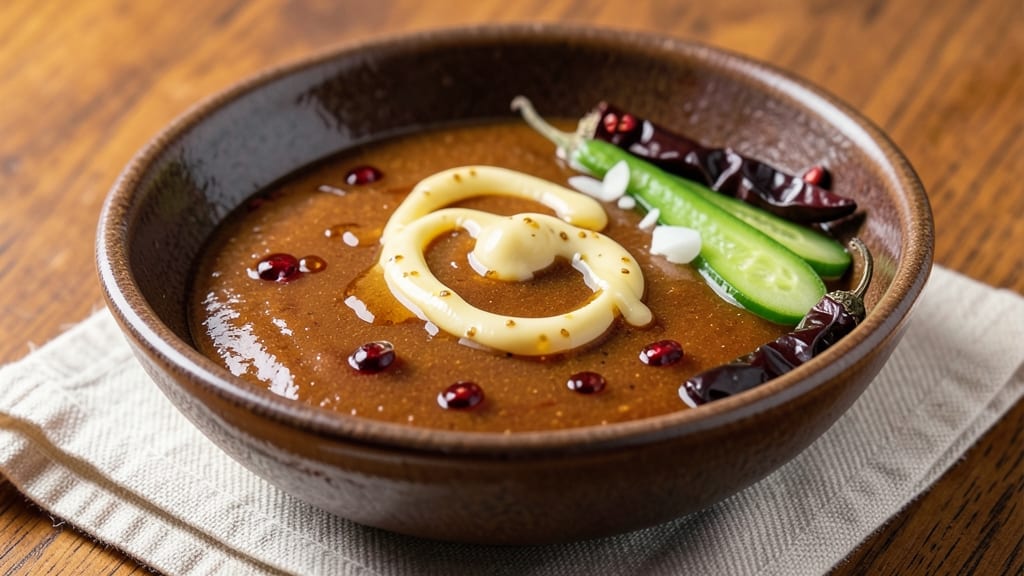
This McSweeney's Michigan sauce recipe delivers the bold, slow-simmered heat that defines the iconic Detroit hot sauce. The combination of tomato base, chipotle peppers, and Michigan-style horseradish creates a complex, velvety sauce with layers of smoky, tangy, and slightly spicy flavor that stands apart from basic hot sauces.
I developed this version after years of perfecting the balance between heat and depth, ensuring every batch delivers that signature Michigan kick.
The sauce's secret lies in its slow-simmered preparation, which allows flavors to meld without overpowering the natural sweetness of the tomatoes. Traditional Michigan flavors like horseradish and mustard add a distinctive sharpness that cuts through the richness, while a touch of brown sugar rounds out the heat.
This recipe requires just 10 minutes of active prep followed by 30 minutes of simmering, making it surprisingly simple for such a complex sauce.
What you'll end up with is a smooth, velvety sauce with a perfect balance of heat and tang—ideal for drizzling over burgers, wings, or even pizza. The sauce maintains its bold flavor even after refrigeration, making it perfect for stocking your pantry.
Whether you're recreating a classic Detroit-style dish or adding depth to everyday meals, this sauce elevates everything it touches.
Best of all, this recipe makes enough for multiple uses, so you can enjoy the flavors of Michigan long after the last batch is gone. The sauce also freezes beautifully, allowing you to always have a jar ready for whenever cravings strike.
Let's get started on creating this restaurant-quality condiment at home.
Ingredients for mcsweeney's michigan sauce
Ten ingredients transform into Detroit's legendary sauce—bold, smoky, and tangy all at once.
| Ingredient | Amount | Notes |
|---|---|---|
| Canned San Marzano Tomatoes 🍅 | 28 oz | Crushed by hand for texture |
| Adobo-Soaked Chipotle Peppers 🌶️ | 4 whole | Stems and seeds removed |
| Fresh Horseradish Root 🥕 | ½ cup | Grate finely for sharpness |
| Yellow Mustard 🍯 | 2 tbsp | Dijon preferred for depth |
| Light Brown Sugar 🍯 | 1 tbsp | For subtle sweetness |
| Apple Cider Vinegar 🍏 | 2 tbsp | Balances acidity perfectly |
| Granulated Garlic 🧄 | 1 tbsp | Freshly ground preferred |
| Onion Powder 🧅 | 1 tsp | Diamond Crystal preferred |
| Kosher Salt 🧂 | 1 ½ tsp | Adjust to taste |
| Extra-Virgin Olive Oil 🫒 | ½ cup | For velvety finish |
The tomatoes are non-negotiable—San Marzano delivers that signature sweetness and acidity. Grab a 28-ounce can from Whole Foods or your local Italian market for the best flavor. Chipotles? Adobo-soaked is key—they’re readily available in Latin markets or the canned goods aisle. Fresh horseradish is a game-changer (the pre-grated stuff lacks punch), but if you must use jarred, double the amount. For the mustard, Dijon adds complexity—regular yellow works, but you’ll taste the difference. Brown sugar might seem odd, but it rounds out the heat beautifully—Light brown keeps it subtle.
No horseradish? Extra hot sauce at half the amount gets you close, but you’ll miss that signature Michigan bite. Short on chipotles? Cayenne pepper at one-third the amount adds heat, though it lacks the smoky depth. Vinegar substitutes? Lemon juice works, but apple cider vinegar’s tang is unmatched. Olive oil is your friend here—don’t skimp. Extra-virgin adds richness, while cheaper oils can make the sauce taste flat. The sauce’s magic happens in the simmer, so low and slow is non-negotiable. If you’re feeling adventurous, add a pinch of smoked paprika for extra depth.
This sauce gets better with time—3-5 days in the fridge lets flavors meld perfectly. For long-term storage, freeze in ice cube trays (thaw as needed) or sterilized jars (lasts 6 months). The sauce thickens as it cools, so stir before using. I always make a double batch—one jar for the fridge, one for the freezer. Trust me, you’ll want it on hand for everything from burgers to deviled eggs. The first batch will disappear faster than you think!
Why You'll Love This Recipe
- Pantry Powerhouse: I swear by this sauce because it’s built on shelf-stable stars—San Marzano tomatoes and adobo peppers—that never spoil my plans. No last-minute grocery runs, no wilting herbs, just open, blend, and boom—ready in minutes. (Yes, even on a Tuesday night when you’re staring at a half-eaten bag of chips.)
- Heat & Sweet Magic: That chipotle-horseradish kick with a whisper of brown sugar? It’s the kind of balance that makes you pause mid-bite. The horseradish adds a sharp zing, but the mustard and sugar soften it into something rich and almost comforting—like a hug from a spicy grandma.
- Game for Any Meal: Slather it on grilled chicken for a weeknight dinner, drizzle it over baked potatoes for game day, or toss it with roasted veggies for a lazy Sunday. It’s the kind of sauce that turns “what’s for dinner?” into “let’s make this again.”
- Leftovers That Lie: I make a double batch because this sauce only gets better after sitting. The flavors meld overnight, and suddenly you’ve got a jar of liquid gold for next week’s tacos or sandwiches. (Pro tip: It’s also weirdly budget-friendly—one batch feeds a family for days.)
Step-by-step instructions for McSweeney's Michigan sauce
This bold sauce delivers layers of smoky heat, bright acidity, and velvety depth—every technique matters for perfect balance.
Prepare the Chipotle-Horseradish Base
In a small food processor, combine the 4 whole adobo-soaked chipotle peppers (stems and seeds removed) with the 0.5 cup fresh horseradish root. Pulse until you achieve a smooth, fiery purée—this forms the sauce's signature heat core. Transfer to a medium saucepan and set aside. Here's the thing: fresh horseradish is crucial; pre-grated loses potency quickly and can taste bitter.
While the purée simmers gently, you'll notice the aroma shift from raw horseradish's sharpness to a mellow, slightly sweet heat. This transformation signals the horseradish is properly integrating with the chipotle's smoky depth. Keep an eye on the pan—you want the mixture to warm through without boiling, which would scorch the delicate flavors.
Build the Tomato Foundation
Add the 28 oz canned San Marzano tomatoes (crushed by hand for natural texture) to the saucepan with the chipotle-horseradish purée. Stir in the 1 tbsp granulated garlic, 1 tsp onion powder, and 1.5 tsp kosher salt. Bring to a gentle simmer over medium-low heat, then reduce to the lowest setting possible—just enough to maintain movement. This slow cook is non-negotiable; rushing creates a thin, watery sauce instead of the rich, velvety consistency we're after.
Let it simmer uncovered for 20 minutes, stirring occasionally. You'll see the tomatoes break down and release their natural juices, creating a glossy surface. This is when the sauce starts developing its complex flavor profile—the tomatoes' sweetness begins to mellow the horseradish's sharpness while the chipotle's smokiness deepens. If the sauce reduces too quickly, add 1-2 tablespoons of water to maintain the simmer.
Incorporate the Sweet-Tangy Balance
After the initial simmer, stir in the 1 tbsp light brown sugar, 2 tbsp apple cider vinegar, and 2 tbsp yellow mustard. The sugar will caramelize slightly, adding subtle depth, while the vinegar brightens the acidity. The mustard, particularly if you've used Dijon, introduces a complex umami note that rounds out the sauce's character. Let the mixture simmer uncovered for another 15 minutes, stirring frequently to prevent sticking.
This is where the sauce's magic happens—the acidity from the vinegar cuts through the richness of the olive oil we'll add later, while the sugar prevents the horseradish from overwhelming the palate. You'll know it's working when the sauce thickens noticeably and develops a glossy sheen. If you taste it now, you'll detect the chipotle's smokiness, the horseradish's bite, and the tomatoes' natural sweetness all working in harmony.
Finish with Olive Oil for Velvety Texture
Remove the saucepan from heat and let the sauce cool slightly—about 5 minutes. Then, very slowly, drizzle in the 0.5 cup extra-virgin olive oil while whisking continuously. The olive oil should emulsify into the sauce, creating a silky, almost luxurious texture. This step is critical: adding the oil too quickly can cause the sauce to separate. If it does, simply return it to low heat and whisk gently until it recombines.
Let the sauce rest for 10 minutes before tasting. The flavors will meld even more during this time, and the sauce will reach its ideal consistency—thick enough to coat the back of a spoon but still fluid enough to drizzle. Adjust the seasoning if needed, adding a pinch more kosher salt or a splash of apple cider vinegar to fine-tune the balance. The sauce should be bold, complex, and perfectly balanced between heat, acidity, and richness.
Serve Immediately or Store Properly
This sauce is best served fresh, but if you need to store it, transfer to an airtight container and refrigerate for up to 5 days. The flavors continue to develop over time, becoming even more nuanced. When ready to use, reheat gently over low heat, stirring frequently to prevent separation. If it thickens too much during reheating, whisk in 1-2 tablespoons of water to restore the desired consistency.
Serve the sauce over grilled meats, roasted vegetables, or even as a bold condiment for sandwiches. Its versatility is one of its greatest strengths—each application reveals a new layer of its complex character. The key to success lies in the balance of techniques: slow simmering, precise emulsification, and patience during the resting period. Every step ensures the sauce delivers the same restaurant-quality depth you'd expect from McSweeney's iconic Michigan sauce.
Pro Tips For Making Mcsweeney'S Michigan Sauce
- Peel the Horseradish: Grab a vegetable peeler and shave off the skin—no need to peel the whole root like a potato. I used to waste time scrubbing the knobby bits, but a quick peel and a sharp knife for grating is all you need. (And yes, wear gloves if you’re sensitive to the fumes.)
- Toast the Mustard: Bloom the yellow mustard in the pan for 30 seconds before adding anything else. That short burst of heat mellows the sharpness and deepens the flavor—trust me, it makes a real difference when the sauce comes together. (Skip this, and you’ll taste the raw bite later.)
- Strain the Chipotle: After blending the adobo peppers, strain out the seeds and membranes through a fine-mesh sieve. Too much heat or bitterness from the solids will overpower the sauce’s balance. I learned this the hard way when my first batch tasted like liquid fire.
- Simmer Not Boil: Keep the sauce at a gentle simmer—tiny bubbles, occasional swirls—never a rolling boil. High heat breaks down the tomatoes and makes the horseradish turn bitter. (Your future self will notice the difference.)
Creative variations of this dish
Spicy Chipotle-Horseradish Fusion
For those craving extra heat, double the chipotle peppers to 8 whole peppers and add 1 tsp cayenne pepper for an intense kick. I find this works best when paired with extra-firm tofu or grilled chicken wings—the sauce's smokiness and horseradish bite become even more pronounced. 🌶️
Sweet & Tangy BBQ Glaze
Reduce the horseradish to ¼ cup and increase the brown sugar to 2 tbsp while adding 1 tbsp molasses. This creates a sweeter, stickier glaze perfect for pulled pork or smoked brisket.
The molasses adds depth, while the reduced horseradish keeps the heat balanced. Trust me, this glaze elevates a simple pork shoulder to restaurant-level.
Creamy Horseradish Ranch Dip
Blend ½ cup sour cream and ¼ cup mayonnaise into the finished sauce, then chill for 2 hours to let flavors meld. This creamy dip is ideal for veggie platters or fries—the horseradish adds a sharp contrast to the richness.
I like to garnish with chopped chives for freshness. The texture becomes velvety smooth, almost like a tangy ranch with a spicy twist.
Smoky Tomato Jam
Reduce the vinegar to 1 tbsp and add 1 cup diced red onions (cooked until caramelized) for a jam-like consistency. This works beautifully as a glaze for grilled cheese or drizzled over steak.
The onions add natural sweetness, while the chipotle keeps it bold. I often serve this with sharp cheddar for a Michigan-style twist on classic comfort food.
Honey-Mustard Heat
Swap the brown sugar for 1 tbsp honey and add 1 tsp smoked paprika for a sweeter, smokier profile. This version pairs perfectly with fried chicken or fish tacos.
The honey mellows the heat, while the paprika adds an extra layer of complexity. It’s my go-to for brunch—drizzle it over biscuits and gravy for a Southern-Michigan fusion.
Fermented Heat Boost
For a funkier twist, add 2 tbsp sauerkraut juice (strained) and ferment the sauce for 24 hours in an airtight container. This introduces probiotics and a tangy depth that complements the horseradish beautifully.
Use this on kimchi-style dishes or as a bold marinade for grilled meats. The fermentation process enhances the sauce’s complexity, making it even more versatile. 💫
Nutrition facts
Frequently asked questions
Can I substitute horseradish in this Michigan sauce?
Yes, but you'll notice a difference. For a similar sharp kick, use ½ cup hot sauce (like Tabasco) or 1 tbsp prepared horseradish sauce. If you're avoiding horseradish entirely, try 1 tsp wasabi powder for umami depth. The sauce will lose its signature Michigan tang but gain extra heat.
Why does my sauce separate when I add olive oil?
This happens when the sauce isn't hot enough or you add oil too quickly. First, ensure the sauce has simmered for 30 minutes total before adding oil. Then, remove from heat and let it cool 5 minutes before slowly drizzling oil while whisking constantly. If separation occurs, whisk over low heat for 2-3 minutes to re-emulsify.
How do I adjust the heat level?
The chipotle peppers provide most of the heat, but you can tweak it easily. For milder sauce, reduce chipotles to 2 peppers and remove seeds. For extra heat, add 1 tsp cayenne or 1 extra chipotle. Always taste as you go—simmering reduces heat intensity slightly over time.
Can I make this sauce without fresh horseradish?
Use ½ cup prepared horseradish sauce (from the jar) or 1 tbsp horseradish powder mixed with 1 tbsp water. The texture will be slightly different, but the flavor remains sharp and punchy. For best results, double the amount since jarred horseradish is less potent than fresh.
How long will this sauce keep in the fridge?
This sauce stays fresh for 5-7 days when stored in an airtight container. The flavors actually improve as they meld! For longer storage, freeze in ice cube trays (thaw as needed) or sterilized jars (up to 6 months). Always reheat gently to preserve texture.