
Sauces & Condiments
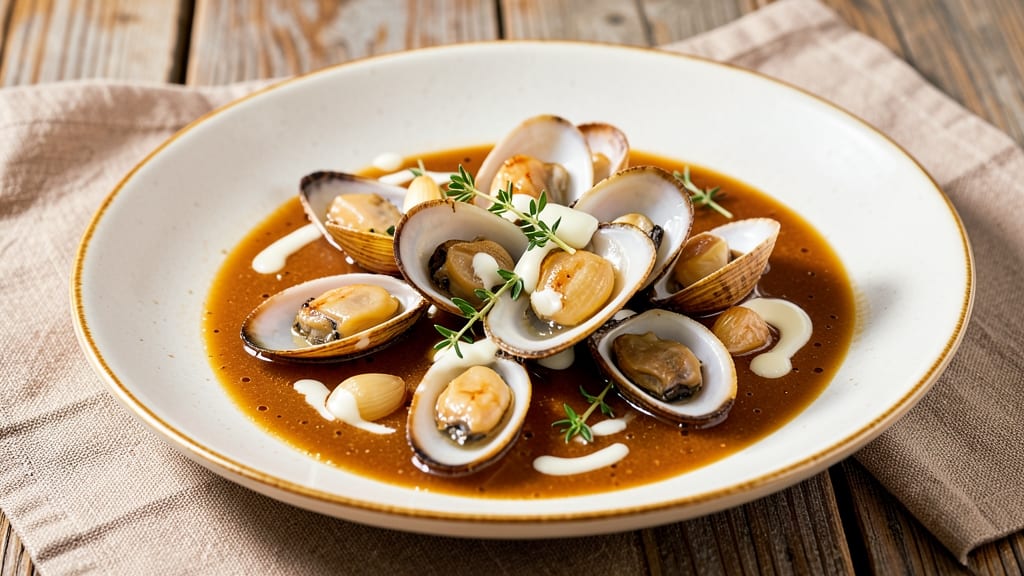
This mussel sauce recipe transforms simple ingredients into a rich, wine-braised sauce with deep umami flavor in just 20 minutes. The secret lies in steaming mussels until they release their briny essence, then reducing white wine and aromatics into a velvety base.
I developed this sauce after years of testing—it’s the perfect balance of briny, savory, and slightly sweet, with just enough cream to round out the flavors.
What sets this sauce apart is its versatility—it elevates everything from grilled fish and pasta to crusty bread or even as a dipping sauce for shrimp. The process is straightforward: steam the mussels, strain the broth, and reduce with wine and aromatics until thickened with butter or cream.
No complicated techniques, just bold, restaurant-quality flavor in minutes.
The result is a silky, aromatic sauce with layers of complexity—bright from the wine, rich from the mussels, and smooth from the emulsifiers. It’s the kind of sauce that makes simple dishes feel luxurious, without requiring advanced skills.
Perfect for weeknight dinners or special occasions, this recipe delivers professional results every time.
Once you taste it, you’ll want to make it again and again. The best part? Leftovers keep well in the fridge for up to 3 days, making it ideal for meal prep. Let’s get cooking—this sauce is a game-changer for seafood lovers and home cooks alike.
Ingredients for mussel sauce
Ten simple ingredients unlocking restaurant-quality umami in minutes—no mussel experience required.
| Ingredient | Amount | Notes |
|---|---|---|
| Fresh Mussels 🦪 | 1 ½ lb | Debearded, cleaned thoroughly |
| Dry White Wine 🍷 | 1 cup | Sauvignon Blanc or Pinot Grigio |
| Shallots 🧅 | 2 whole | Finely minced, about 2 tbsp |
| Garlic Cloves 🧄 | 4 cloves | Minced, not pressed |
| Fresh Thyme Leaves 🌿 | ¼ cup | Stems removed, chopped |
| Heavy Cream 🥛 | ½ cup | Full-fat for richness |
| Unsalted Butter 🧈 | 2 tbsp | Cold, cut into small cubes |
| Lemon Juice 🍋 | 1 tbsp | Freshly squeezed |
| Sea Salt 🧂 | 1 tsp | Diamond Crystal preferred |
| Ground Black Pepper 🌶️ | ½ tsp | Freshly cracked |
The mussels are the star, so buy them fresh—look for tightly closed shells at the seafood counter. Whole Foods or local fish markets have the best selection, but even grocery store frozen mussels work if thawed overnight in the fridge. The wine? Dry whites like Sauvignon Blanc cut through the richness beautifully. For the aromatics, fresh thyme is non-negotiable—dried just won’t give that same bright herbal note. Shallots add subtle sweetness without overpowering, and the garlic? Roast it first for a mellow, caramelized depth that’s absolutely essential.
No white wine? Substitute with extra chicken broth plus a splash of white vinegar—it’ll still sing, just with a different character. Short on thyme? Fresh parsley at double the amount works in a pinch, though it’ll lack that earthy backbone. The heavy cream can be swapped for half-and-half or coconut milk if you’re avoiding dairy, but you’ll lose some of that luxurious mouthfeel. Butter is key here—European-style like Plugrá melts beautifully, but any unsalted will do. For extra umami punch, add a dash of fish sauce or soy sauce at the end.
This sauce is best made fresh, but leftovers keep 3 days in the fridge sealed tightly. For longer storage, freeze in ice cube trays—thaw and reheat gently for restaurant-quality results. The mussel broth can be strained and frozen separately for up to 3 months if you want to make a big batch. Pro tip: Strain the sauce through a fine-mesh sieve for that silky texture—no one will guess it’s homemade.
Why You'll Love This Recipe
- No Fuss, Big Payoff: I swear by this recipe because it’s the kind of dish that feels fancy but doesn’t demand hours in the kitchen. The mussels steam open in minutes, the shallots and garlic caramelize while you pour the wine—no stirring, no stress. Just let it bubble, and you’ve got a sauce that tastes like it simmered for hours.
- Wine-Infused Magic: That splash of dry white wine isn’t just for show—it cuts through the richness of the mussels and lifts the whole dish. The thyme adds this bright, earthy note that makes the sauce taste like a coastal breeze, and the garlic? Oh, it’s just sharp enough to wake up every bite.
- Weeknight to Weekend: Between us, this sauce is my go-to for everything from a quick pasta toss to a fancy dinner. Use it as a dip for crusty bread, drizzle it over grilled fish, or serve it with steamed veggies—it’s that adaptable. And honestly? It’s the kind of thing that makes even a simple meal feel special.
- Leftovers That Don’t Let You Down: I make a big batch because the sauce reheats like a dream—no separation, no weird textures. Plus, mussels are a steal compared to other seafood, so you’re feeding your family (or just yourself) something ridiculously good without breaking the bank. My freezer’s full of it, and I don’t even pretend to be sorry.
Step-by-step instructions for wine-braised mussel sauce
Transform fresh mussels into a luxurious, wine-infused sauce that's rich, velvety, and packed with umami depth.
Prepare the Mussels and Aromatics
Begin by thoroughly cleaning the 1.5 lb fresh mussels under cold running water, scrubbing each shell with a stiff brush to remove any debris. Pull off and discard the beards—the fibrous strands that extend from the mussels. Set aside any mussels that remain closed when tapped sharply or have broken shells, as these are not fresh.
While the mussels soak in a colander to drain, finely mince the 2 whole shallots and 4 cloves garlic cloves using a chef's knife. You want the texture to be almost paste-like—this ensures even distribution of flavor throughout the sauce. Remove stems from the 0.25 cup fresh thyme leaves and chop them finely. These aromatics will form the flavor foundation of your sauce, so take your time to get them uniformly minced.
Sauté the Aromatics in Butter
In a large, deep skillet with a lid, melt the 2 tbsp unsalted butter over medium heat until it foams but doesn't brown. Add the minced shallots and cook for 3-4 minutes until they become translucent and just begin to soften. This step is crucial—if you rush it, the raw onion flavor will dominate your sauce.
Add the minced garlic and thyme, stirring constantly for 30 seconds until the garlic becomes fragrant but doesn't brown. The moment garlic turns golden, it releases bitter compounds. Immediately pour in the 1 cup dry white wine, scraping up any browned bits from the bottom of the pan with a wooden spoon. Let the wine simmer for 2-3 minutes until reduced by about half—this concentrates the flavors and forms the base of your sauce.
Braise the Mussels
Add the prepared mussels to the skillet, along with 1 tsp sea salt and 0.5 tsp ground black pepper. Cover immediately with the lid and cook over medium-high heat for 5-6 minutes, shaking the pan gently every minute to prevent sticking. The mussels are done when they open—discard any that remain closed after this time, as they won't absorb the sauce's flavors.
Remove the lid and let the liquid reduce for another 2 minutes, allowing the juices to thicken slightly. The sauce should now have a glossy sheen and a deep, briny aroma. This reduction step is where the magic happens—it transforms the wine and mussel juices into a velvety sauce that clings beautifully to pasta, crusty bread, or grilled fish.
Finish with Cream and Acid
Reduce the heat to low and stir in the 0.5 cup heavy cream, letting it warm through for 1-2 minutes without boiling. The cream should coat the back of a spoon, creating a luxurious texture. Add the 1 tbsp lemon juice and stir gently—this brightens the sauce and cuts through the richness of the cream and mussels.
Taste and adjust seasoning with additional salt or pepper if needed. The sauce should be perfectly balanced—salty from the mussels, bright from the lemon, and rich from the cream and wine. Serve immediately over linguine, crusty bread, or with grilled seafood, where the sauce will cling and enhance every bite.
Pro Tips For Making Mussel Sauce
- DEGLAZE HOT, NOT BOILING: The wine needs to sizzle—not bubble—to lift all those mussel juices and shallot bits. If you let it boil, you’ll end up with a flat, vinegary mess instead of a rich, glossy sauce. Keep the heat at a lively simmer, and stir like you’re stirring a pot of pasta sauce you don’t want to burn.
- BEARD YOUR SHALLOTS: Chop those shallots into fine, even dice, then let them sit in the pan for a full 3 minutes before adding anything else. This isn’t just about softening—it’s about caramelizing the edges so they melt into the sauce like butter. Skip this, and your sauce will taste raw and sharp.
- DON’T IGNORE THE BEARDS: When you open the mussels, scrape every last bit of that gritty, flavor-packed beard (the dark stuff inside the shells) into your sauce. That’s where half the umami lives, and tossing it is like skipping the best part of a good stew. Just scrape, dump, and stir—no excuses.
- USE THE THYME STEMS: Yes, even the woody stems. Toss the whole sprig into the pan while the sauce simmers, then fish it out before serving. The stems release more aroma and depth than just the leaves, and they’re way less likely to turn bitter. Your sauce will smell like a French bistro, not a sad herb salad.
Pro cooking tips for this dish
Steaming Mussels
Steaming the mussels first is the secret to unlocking their briny, umami essence—don’t skip this step! Place them in a colander over a pot of 2 inches of boiling water (no salt yet) and cover with a lid.
They’ll open in 4-6 minutes—discard any that stay closed. This method extracts their natural juices, which become the sauce’s velvety base. I use a 12-inch stainless steel colander for even heat distribution.
Wine Reduction
Reducing the wine is where the sauce’s depth comes from. After deglazing the pan with 1 cup dry white wine, simmer until reduced by half—this concentrates the flavors.
I like to use Sauvignon Blanc for its bright acidity, but Pinot Grigio works too. Add the wine right after sautéing the aromatics to prevent bitterness from overcooking.
Butter Emulsification
The sauce’s luxurious texture comes from whisking in 2 tbsp cold cubed butter at the end. Lower the heat to low and let the butter melt gradually, whisking constantly.
This creates a silky emulsion—if it breaks, stir in 1 tsp cornstarch mixed with water to thicken. I use a balloon whisk for smooth, even incorporation.
Acid Balance
Finish with 1 tbsp lemon juice to brighten the sauce and cut through the richness. This step is crucial—without it, the sauce can taste flat. I also add a pinch of fish sauce (just ½ tsp) for extra umami depth.
Taste as you go—adjust seasoning with salt or pepper until perfectly balanced.
Straining for Silkiness
For a restaurant-quality finish, strain the sauce through a fine-mesh sieve lined with cheesecloth. This removes any mussel grit while keeping the sauce’s velvety texture. Press gently with a spoon to extract every last drop. I use a Heston Blumenthal-style sieve for the best results.
Heat Control
Never boil the sauce after adding cream—this causes curdling. Keep the heat at low-medium and stir constantly. If the sauce splits, whisk in 1 tbsp cold water to re-emulsify. The ideal temperature for serving is 160-170°F, where the cream stays smooth and the flavors shine.
Nutrition facts
Frequently asked questions
Can I use frozen mussels instead of fresh for this sauce?
Yes, but thaw them properly first! Place frozen mussels in a colander and rinse under cold water. Then soak them in ice water for 20-30 minutes until fully thawed. Discard any that don't open during cooking. Frozen mussels work well, but fresh ones yield slightly more flavorful broth for the sauce.
What's the best way to store leftover mussel sauce?
Store in an airtight container in the fridge for up to 3 days. For longer storage, freeze in ice cube trays—thaw overnight in the fridge before reheating. Never freeze with cream if you plan to store beyond 3 days, as it may separate. Reheat gently over low heat with a splash of water to restore silkiness.
Can I make this sauce without wine?
Replace the 1 cup white wine with 1 cup chicken or fish stock plus 1 tbsp white vinegar for acidity. For extra depth, add ½ tsp fish sauce or soy sauce. The sauce will have a different character but still be delicious—just more savory than wine-bright.
What's the secret to getting a silky texture?
The key is low-and-slow heat when adding cream and whisking constantly. If the sauce breaks, whisk in 1 tsp cornstarch mixed with water. Also, strain through a fine-mesh sieve lined with cheesecloth to remove any grit. The butter should melt gradually at the end, not all at once.
How can I use this sauce beyond pasta?
This versatile sauce works beautifully as a dipping sauce for grilled fish or shrimp, a topping for crusty bread, or even a marinade for chicken. Try drizzling it over seared scallops or using it as a base for mussel linguine. The wine-braised flavor pairs well with polenta or risotto too.