
Sauces & Condiments
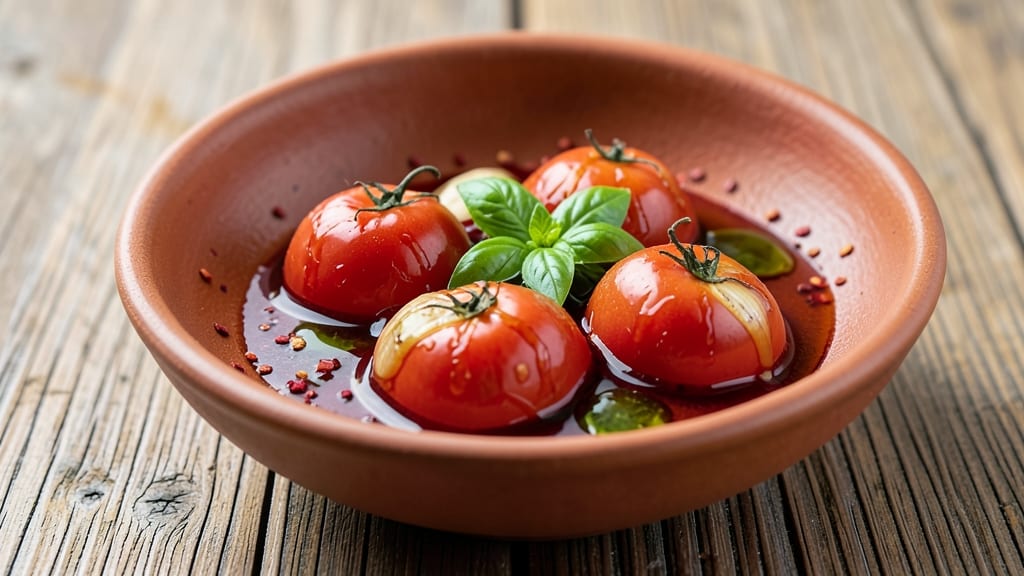
This Napolitana sauce recipe transforms simple ingredients into a velvety tomato-basil masterpiece that elevates any dish—its secret lies in a slow-simmered garlic technique that builds deep, layered flavor without overpowering.
The result is a sauce so rich and aromatic it feels like a taste of Naples, yet requires just 30 minutes of hands-off time.
What makes this version stand out is the balance: fresh basil brightens the acidity of tomatoes, while garlic infuses warmth without bitterness, creating a harmony that's both traditional and foolproof for home cooks.
The foundation of authentic Napolitana sauce begins with quality canned tomatoes, simmered low and slow to intensify their natural sweetness while developing a velvety texture. The hidden trick?
Adding minced garlic to the olive oil first, letting it bloom gently before tomatoes join—this prevents harsh flavors and creates a fragrant base that carries through the entire sauce. Professional chefs swear by this method, and now you can replicate it at home with minimal effort.
By the time you're done, you'll have a sauce so vibrant it transforms simple pasta into a restaurant-worthy meal—think al dente strands coated in a glossy, basil-speckled sauce with just the right balance of acidity and sweetness. The aroma alone will have everyone asking for seconds, and the best part?
This sauce keeps beautifully in the fridge for up to 5 days, making it perfect for meal prep or gifting to neighbors who love homemade flavors.
For those who want to explore variations, a splash of red wine or a pinch of chili flakes can add complexity, while anchovies (if you're feeling adventurous) introduce umami depth.
The beauty of this recipe is its versatility—use it on pasta, drizzle it over grilled meats, or serve it as a dip with crusty bread. Here's everything you need to make it shine.
Ingredients for napolitana sauce
Nine ingredients. One slow-simmered secret. Restaurant-quality sauce in 30 minutes.
| Ingredient | Amount | Notes |
|---|---|---|
| Extra-Virgin Olive Oil 🫒 | ½ cup | High quality, fruity preferred |
| Garlic Cloves 🧄 | 6 cloves | Freshly minced, not pre-minced jarred |
| San Marzano Whole Canned Tomatoes 🍅 | 28 oz | Crushed by hand, no salt added |
| Fresh Basil Leaves 🌿 | ½ cup | Packed, stems removed |
| Red Wine 🍷 | ¼ cup | Dry, bold variety |
| Red Pepper Flakes 🌶️ | ½ tsp | Adjust for heat preference |
| Salt 🧂 | 1 tsp | Diamond Crystal preferred |
| Black Pepper 🌶️ | ¼ tsp | Freshly ground preferred |
| Anchovy Fillets 🐟 | 2 whole | Optional, for umami depth |
| Sugar 🍯 | ½ tsp | Balances acidity |
The tomatoes make or break this—San Marzano is non-negotiable for that sweet, rich flavor. Grab a can from Trader Joe's or your local Italian market if you can't find them at the grocery store. Fresh basil? Farmers market leaves are brighter than the sad plastic containers at the store. The garlic is where the magic happens—mince it yourself (not the pre-minced jar stuff) and let it bloom in the olive oil for 30 seconds before adding tomatoes. That's the trick that makes it taste like Naples. For the olive oil, Californian or Italian brands work best—they've got that fruity kick that cheap oil lacks.
No red wine? Substitute with extra tomato paste—just 1 tbsp of that thick stuff per cup of tomatoes. Skip the anchovies? Add a pinch of fish sauce or extra Parmesan later. Short on basil? Fresh parsley works at double the amount, though it won't be quite the same. The sugar balances the acidity—skip it if your tomatoes are already sweet. For heat, crushed dried chili flakes work in a pinch, but fresh red pepper flakes give the best texture. Pro tip: if you're making this ahead, add the basil last when reheating—keeps it vibrant.
This sauce tastes even better the next day as flavors meld. Keeps in the fridge for 5 days sealed in a jar, or 3 months frozen in ice cube trays for perfect portions. Double the batch—freeze half and give the other to your neighbor who 'loves homemade food.' The basil wilts fast, so store it wrapped in damp paper towels in a baggie. And if you're feeling fancy, finish with a drizzle of high-quality olive oil before serving—trust me, it's worth it.
Why You'll Love This Recipe
- Five-Ingredient Magic: I swear by this—just oil, garlic, tomatoes, basil, and a splash of wine. That’s it. No blender, no fancy gadgets, just a pot and 20 minutes of your time. Honestly, the hardest part is waiting for the tomatoes to soften.
- Wine-Infused Depth: Between us, the red wine does something serious to the flavor. It’s not just sweet—there’s this bright, almost citrusy edge that cuts through the richness, and the basil? It finishes with a freshness that makes you want to lick the spoon.
- Pasta Party Ready: This sauce is my go-to for everything—dinner with friends, lazy Sundays, or when I’m too tired to think. Toss it with spaghetti, drizzle over grilled chicken, or even slather it on bruschetta. (Yes, even on a Tuesday night.)
- Make-Ahead Money-Saver: I double the batch every time because it tastes better the next day. The flavors meld, and it’s cheaper than takeout—plus, you can freeze half for when you’re too busy to cook. My wallet and future self thank me.
Step-by-step instructions for tomato-basil velocity with hidden garlic trick
Here's how to build the perfect Napolitana sauce with layers of flavor and a secret garlic technique.
Sauté Garlic Until Golden and Fragrant
Heat the 0.5 cup extra-virgin olive oil in a heavy saucepan over medium-low heat. Add the 6 cloves freshly minced garlic cloves and cook them gently, stirring constantly, until they turn a beautiful golden color—about 3-4 minutes. This slow cooking brings out their sweetness without burning, which is key for that authentic Napolitana flavor.
Here's the trick: don't walk away. Garlic burns faster than you think, and burnt garlic makes the whole sauce bitter. You'll know it's ready when the aroma fills your kitchen and the garlic looks like tiny golden coins. Remove the pan from heat immediately after they're golden—this preserves their flavor.
Deglaze with Red Wine for Depth
Return the pan to medium heat and carefully pour in the 0.25 cup red wine. Let it simmer for 2-3 minutes, stirring occasionally, until it reduces by about half. This step is where the sauce gets its complexity—the wine cuts through the richness of the oil and prepares the base for the tomatoes.
If you're using the 2 whole anchovy fillets, add them now and let them dissolve completely into the wine. They'll add a subtle umami depth that balances the acidity of the tomatoes. Stir well and let the mixture cook down until it's nearly dry—this ensures maximum flavor extraction.
Build the Tomato Base with Sugar and Spices
Add the 28 oz San Marzano whole canned tomatoes (crushed by hand) to the pan. Stir in the 0.5 tsp sugar, 1 tsp salt, 0.25 tsp black pepper, and 0.5 tsp red pepper flakes. The sugar is crucial here—it balances the acidity of the tomatoes and helps develop a richer, more complex flavor profile.
Bring the mixture to a gentle simmer over medium heat. Let it cook uncovered for 20-25 minutes, stirring occasionally, until the sauce thickens slightly. You're looking for a consistency where the sauce coats the back of a spoon but isn't gluey. This slow cook time allows the flavors to meld together beautifully.
Finish with Fresh Basil for Brightness
Remove the pan from heat and stir in the 0.5 cup fresh basil leaves (packed, stems removed). The basil adds a fresh, bright note that cuts through the richness of the tomatoes and garlic. Let the sauce sit off the heat for 5 minutes—this allows the basil to infuse without wilting completely.
Taste and adjust the seasoning if needed. If the sauce is too acidic, a pinch more sugar will help. If it's too mild, add a bit more salt or red pepper flakes. The sauce should be vibrant, slightly sweet, and packed with layers of flavor—this is what makes Napolitana sauce so special.
Rest and Serve at Peak Flavor
Let the sauce rest for 10-15 minutes before serving. This resting period allows the flavors to fully develop and the sauce to thicken slightly. The longer it sits, the better it tastes—this is when the magic happens.
Serve the sauce warm over pasta, with crusty bread, or as a dipping sauce for bruschetta. The texture should be velvety yet still have a bit of body, with bright tomato flavor and aromatic garlic and basil notes. Enjoy it while it's fresh—this sauce tastes best when served immediately!
Pro Tips For Making Napolitana Sauce
- CRUSH THE GARLIC: Start with three whole cloves, peeled but left intact—no mincing. After 30 seconds of sizzling in olive oil, smash them flat with the back of your knife. This releases more flavor without burning, and you won’t end up with bitter, blackened garlic that turns your sauce acrid. (Yes, I’ve done it. More than once.)
- SIMMER LOW AND LONG: Napolitana isn’t a race. After adding tomatoes and wine, reduce heat to the lowest setting—just enough to keep a gentle bubble. Let it cook uncovered for 45 minutes, stirring occasionally. Skimp on time, and the sauce will taste raw; rush it, and you’ll get a jammy mess instead of bright, balanced acidity.
- SALT THE TOMATOES FIRST: Drain the San Marzano tomatoes, then sprinkle them with 1 teaspoon of salt and let them sit for 10 minutes. This breaks down their skins slightly, making them release juice more evenly as they cook. (I used to skip this, and the sauce would always feel unevenly textured.)
- STIR IN BASIL LATE: Add the fresh basil only in the last 5 minutes—right when you’re tasting. If you toss it in early, it’ll turn bitter and slimy, no matter how fresh. A handful of leaves at the end keeps it vibrant and aromatic. (Pro move: Tear it by hand instead of chopping—more surface area for flavor, less risk of muddiness.)
Best sauces and condiments for this napolitana sauce
Classic Garlic Oil Base
Start with high-quality extra-virgin olive oil—I recommend California or Italian brands like Colavita or Otto e Mezzo for their fruity notes. Heat it gently over medium-low heat and add 6 cloves of freshly minced garlic (never pre-minced!).
The key is to cook the garlic until it's golden but not browned—this takes about 3-4 minutes of constant stirring. Burnt garlic ruins the sauce, so stay vigilant. This aromatic base is the foundation of Napolitana's rich flavor. 🧄
Wine Reduction Secret
Deglaze the pan with ¼ cup dry red wine, like Chianti or Sangiovese, and let it reduce by half before adding tomatoes. This step adds depth and complexity that plain tomato sauce lacks.
For extra umami, dissolve 2 anchovy fillets in the wine—trust me, you won’t taste the fish, just a subtle richness. If you skip wine, substitute 1 tbsp tomato paste for similar depth. 🍷
Tomato Perfection
Use San Marzano tomatoes—they’re sweeter and less acidic than regular canned tomatoes. Crush them by hand (don’t use a blender!) to maintain texture. Simmer uncovered for 20-25 minutes with ½ tsp sugar, 1 tsp salt, and ½ tsp red pepper flakes.
The sugar balances acidity, while the slow cook time develops a velvety texture. Stir occasionally to prevent sticking. 🍅
Basil Brightness
Add ½ cup fresh basil leaves (packed, stems removed) only at the end—this keeps their vibrant color and fresh flavor. Let the sauce sit off heat for 5 minutes to infuse without wilting.
For extra freshness, add a few whole basil leaves on top when serving. If you’re short on basil, parsley works in a pinch (double the amount). 🌿
Spice Variations
For heat lovers, add 1 tsp crushed chili flakes or a pinch of cayenne. For smokiness, stir in ½ tsp smoked paprika during the tomato simmer.
If you prefer tang, squeeze in 1 tsp lemon juice at the end. Each variation keeps the sauce’s core flavors while adding exciting twists. 🌶️
Finishing Touches
Drizzle with extra-virgin olive oil before serving for a silky finish. For richness, fold in 1 tbsp grated Parmesan or Pecorino Romano. The sauce should coat the back of a spoon but remain saucy—adjust thickness by simmering longer or adding a splash of water.
Serve immediately for peak freshness. ✨
Nutrition facts
Frequently asked questions
Can I make Napolitana sauce without wine?
Skip the wine and substitute with 1 tablespoon tomato paste mixed into the tomatoes. This adds depth without alcohol. For extra richness, use ½ teaspoon balsamic vinegar instead. The sauce will still taste authentic—just slightly less complex.
Why does my sauce taste bitter?
Bitterness usually comes from burnt garlic or overcooked tomatoes. For the garlic, remove it immediately when golden (3-4 minutes). If tomatoes taste bitter, reduce simmering time to 20 minutes and add ½ teaspoon sugar to balance acidity. Always use fresh, high-quality ingredients—San Marzano tomatoes are key.
How do I store Napolitana sauce?
Store in an airtight container in the fridge for up to 5 days. For longer storage, freeze in ice cube trays (perfect for portion control!) or airtight containers for 3 months. Thaw overnight in the fridge—never microwave directly. The flavors actually improve after resting!
Can I use dried basil instead of fresh?
Fresh basil is ideal for its vibrant flavor, but you can substitute with 1 teaspoon dried basil (½ the amount). Add it with the tomatoes and simmer for 15 minutes before finishing with fresh herbs if possible. For best results, use a mix of both—¼ cup fresh + ½ teaspoon dried.
What’s the best pasta to pair with this sauce?
Classic choices are spaghetti or linguine for their long strands that hold the sauce beautifully. For texture contrast, try orecchiette or pennette. Avoid heavy pastas like fettuccine—they can make the sauce taste too rich. Cook pasta al dente and toss immediately with the warm sauce.