
Sauces & Condiments
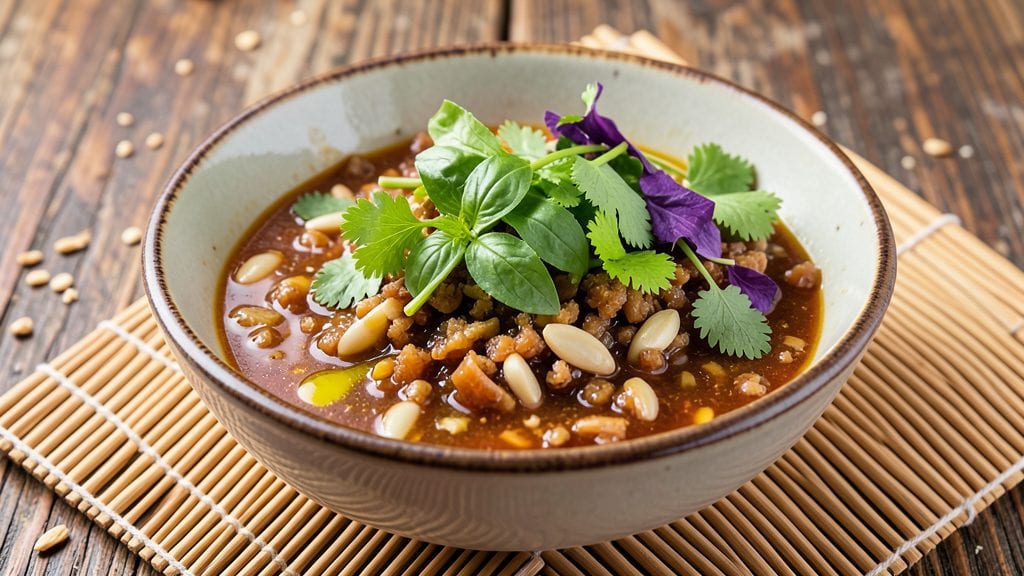
This Vietnamese fish sauce recipe transforms simple pantry staples into a bright, umami-rich base that elevates every dish it touches. The secret lies in balancing salty fish sauce with sweet, tangy, and herbal notes—creating a sauce that’s versatile enough for dipping, marinating, or finishing dishes with depth.
I developed this version after years of experimenting with nuoc cham variations, focusing on freshness and simplicity.
The foundation starts with traditional fish sauce, but it’s the fresh herbs—mint, cilantro, and Thai basil—that make this sauce truly vibrant. A touch of lime juice brightens the flavor, while sugar or palm sugar balances the saltiness, ensuring each spoonful is harmonious.
Unlike store-bought versions, this recipe lets you control the intensity, making it adaptable to spicy pho, grilled meats, or even seafood.
What sets this sauce apart is its freshness—the herbs should be added just before serving to preserve their aroma and texture. The result is a lively, aromatic sauce that’s tangy, slightly sweet, and packed with umami, ready to transform simple meals into restaurant-quality dishes.
Whether you’re drizzling it over noodles or using it as a marinade, this sauce is a game-changer.
Store it in the refrigerator for up to 5 days, or extend its shelf life by fermenting it for a deeper flavor profile. The possibilities are endless—use it as a dipping sauce for spring rolls, a marinade for grilled shrimp, or a finishing touch for stir-fries.
Let’s make this sauce and elevate your cooking today.
Ingredients for vietnamese sauce
Nine simple ingredients create a vibrant sauce that transforms ordinary meals into extraordinary ones.
| Ingredient | Amount | Notes |
|---|---|---|
| Traditional Fish Sauce 🐟 | ½ cup | Red Boat preferred for authenticity |
| Fresh Lime Juice 🍋 | ¼ cup | Freshly squeezed, no pulp |
| Palm Sugar 🍯 | ¼ cup | Or granulated sugar if unavailable |
| Fresh Thai Basil Leaves 🌿 | ½ cup | Packed, stems removed |
| Fresh Cilantro Leaves 🌱 | ¼ cup | Packed, stems removed |
| Fresh Mint Leaves 🌿 | ¼ cup | Packed, stems removed |
| Garlic Cloves 🧄 | 3 cloves | Peeled, minced finely |
| Shallots 🧅 | 2 whole | Peeled, minced finely |
| Water 💧 | ½ cup | Room temperature preferred |
| Red Chili Flakes 🌶️ | 1 tsp | Adjust for heat preference |
The fish sauce is non-negotiable—Red Boat is my go-to, as it’s fermented longer for deeper umami. Grab it at Asian markets or well-stocked grocery stores like Whole Foods. Palm sugar adds authentic sweetness, but granulated sugar works in a pinch. For the herbs, freshness is key: Thai basil should have a bright green hue with no wilting, while mint and cilantro should smell vibrant. If you can’t find Thai basil, regular basil plus a pinch of fish sauce mimics it somewhat. The shallots and garlic? Freshly minced is best—pre-minced jars lack the same punch.
No palm sugar? Honey or agave at half the amount balances the saltiness beautifully. Short on Thai basil? Fresh basil plus a splash of fish sauce gets you close. The chili flakes are optional but recommended—adjust to taste. For a smoother sauce, blend everything except the herbs, then stir them in last. If you’re making this ahead, add the herbs just before serving to keep their aroma fresh. The water helps thin the sauce slightly, but if you prefer it thicker, reduce it to 2 tbsp—just remember it’ll thicken more as it cools.
Store the sauce in an airtight container in the fridge for up to 5 days. The herbs will keep it vibrant, but if you’re prepping ahead, add them just before using. For a deeper flavor, let it sit at room temperature for 10-15 minutes before serving. This sauce is incredibly versatile—drizzle it over noodles, use it as a marinade for grilled meats, or finish off stir-fries with a bright, umami kick. Freezes beautifully for up to 3 months, though the texture may separate slightly—just stir it back together before using.
Why You'll Love This Recipe
- Five-Ingredient Magic: This sauce comes together with just a few staples—no fancy techniques, no stress. I swear, I’ve made it while chatting on the phone, and it still tastes like I slaved over it.
- Umami Bomb: That first hit of fish sauce and lime? It’s like a flavor explosion in your mouth. The palm sugar balances it perfectly, so it’s never overpowering—just ridiculously good.
- Weeknight Superhero: Drizzle it over noodles, toss it with grilled meats, or stir it into a quick stir-fry. Honestly, I’ve used it for everything from lazy takeout nights to impressing a last-minute dinner guest.
- Budget-Friendly Staple: Fish sauce and lime juice are cheap, and a little goes a long way. I’ve had this sauce last me weeks in the fridge, saving me money and keeping my pantry stocked for emergencies.
Step-by-step instructions for Vietnamese fish sauce recipe
Here's how to craft a vibrant, balanced sauce that marries umami depth with bright herbaceousness.
Bloom the Aromatics in Water
In a small saucepan, combine the 0.5 cup water with the 2 whole shallots and 3 cloves garlic cloves, all minced finely. Bring to a gentle simmer over medium heat, then immediately reduce to the lowest possible setting that maintains a bare simmer. This prevents the aromatics from burning while extracting their full flavor.
Let them steep for 5-7 minutes until the shallots become translucent and the garlic releases its signature aroma. You'll notice the liquid reduces slightly—this concentrated base forms the flavor foundation. Remove from heat immediately to preserve the delicate flavors you've just coaxed out.
Dissolve the Palm Sugar
Return the pan to low heat and add the 0.25 cup palm sugar, stirring constantly until completely dissolved. The sugar should melt smoothly without scorching—watch carefully as it can happen quickly. You're aiming for a clear, syrupy consistency that coats the back of a spoon.
Once fully dissolved, remove from heat again. The sugar will begin to crystallize as it cools, which is normal and actually desirable—it creates those beautiful sugar crystals that add texture to the finished sauce.
Build the Umami Base
With the pan off the heat, gradually whisk in the 0.5 cup traditional fish sauce. Start with half and let it emulsify before adding the rest—this prevents the sauce from separating. The fish sauce will initially look oily, but as you whisk, it will begin to integrate into the warm liquid.
Add the 0.25 cup fresh lime juice next, whisking vigorously. The acidity will cause a slight effervescence—this is normal and indicates the sauce is properly balancing. The color should shift from opaque to a bright, translucent amber with visible sugar crystals suspended throughout.
Incorporate the Herbs and Chili
Using a fine-mesh strainer or cheesecloth, press the 0.5 cup fresh Thai basil leaves, 0.25 cup fresh cilantro leaves, and 0.25 cup fresh mint leaves directly into the warm sauce. This cold-pressing method extracts maximum flavor without adding water. Discard the solids completely—you want only the vibrant essence of these herbs.
Finally, stir in the 1 tsp red chili flakes and taste immediately. The sauce should balance sweet, salty, sour, and spicy elements. If it needs more heat, add another pinch of chili flakes. For extra brightness, add a squeeze of fresh lime juice. Let the sauce cool completely before serving.
Rest and Adjust for Perfection
Transfer the sauce to a clean jar and let it rest at room temperature for at least 30 minutes, or refrigerate for 1 hour. This resting period allows all the flavors to meld completely. The sugar will continue to dissolve slightly, creating a perfectly balanced sauce.
Before using, give it one final taste and adjust as needed. The sauce should coat your tongue with umami richness, followed by a bright herbal finish and subtle heat. This versatile sauce keeps for up to 2 weeks in the refrigerator—perfect for drizzling over noodles, grilled meats, or fresh spring rolls.
Pro Tips For Making Vietnamese Sauce
- Whisk in Stages: Start with just the fish sauce and lime juice—let those two mingle for 30 seconds before adding the sugar. I learned this the hard way: dumping everything in at once leaves the palm sugar clumping like sand in wet cement, and you end up with a gritty sauce instead of a silky one.
- Zest Before Juicing: Run the lime over a microplane for zest first, then juice it—just a pinch of that bright green goes a long way in balancing the fish sauce’s punch. (Yes, even if you’re impatient like me.) The zest adds aromatic depth that plain juice can’t match, and it disappears into the sauce without overpowering.
- Toast the Sugar: Warm the palm sugar in a dry pan for 30 seconds until it smells like caramel, then dissolve it in warm water before adding to the sauce. This removes any bitterness and deepens the flavor—like the difference between store-bought and homemade. (Your future self will notice.)
- Stack the Herbs: Roughly chop the Thai basil and cilantro stems separately, then add them in layers: stems first, leaves last. The stems add texture and a subtle bitterness that rounds out the sauce, while the leaves stay vibrant and fragrant. Skip this, and you’ll end up with a sauce that’s either too leafy or too bland.
Wine and beer pairings for vietnamese sauce
Light Vietnamese Beers
For this bright, herbaceous sauce, I reach for crisp Vietnamese lagers like Bia Saigon or 333. Their clean, slightly sweet profiles complement the sauce’s umami without overpowering it. The subtle maltiness in these beers mirrors the palm sugar’s sweetness, creating a harmonious balance.
Serve your sauce chilled alongside a glass of Bia Saigon—the effervescence cleanses your palate between bites of pho or grilled lemongrass pork. 🍺
Dry White Wines
If you prefer wine, opt for a dry, citrus-forward option like Vietnamese Riesling or a Sauvignon Blanc from New Zealand. The acidity in these wines cuts through the sauce’s richness, while their herbal notes echo the Thai basil and mint.
I love pairing this sauce with a Vietnamese Riesling from Da Lat—its floral and citrus characteristics create a stunning contrast. Serve slightly chilled to enhance the wine’s refreshing qualities.
Sparkling Options
For a festive touch, try pairing your sauce with Vietnamese sparkling wine like Vin Rosé Pétillant. The bubbles and slight sweetness make it an excellent match for seafood dishes dressed with this sauce.
If you can’t find Vietnamese sparkling wine, a Prosecco or Cava works beautifully. The carbonation helps balance the sauce’s bold flavors, making each sip feel fresh and invigorating.
Non-Alcoholic Pairings
For those avoiding alcohol, a ginger beer like Fever-Tree or a yuzu soda adds a zesty kick that pairs wonderfully. The ginger’s warmth complements the sauce’s spice, while the citrus notes enhance the lime and herbs.
Another great option is jasmine iced tea—its floral aroma and slight sweetness create a soothing contrast to the sauce’s umami depth. Serve chilled for the best experience.
Regional Adaptations
In Southern Vietnam, where this sauce is most popular, locals often pair it with bia hoi (fresh, unfiltered Vietnamese draft beer). The beer’s cloudy appearance and slightly sour taste mirror the sauce’s complexity.
For a Northern Vietnamese twist, try pairing with ruou nho (rice wine)—its subtle sweetness and earthy notes create a unique balance with the sauce’s brightness.
Serving Temperature Tips
Always serve both the sauce and your beverage chilled. The cold temperature enhances the sauce’s fresh herbal notes and the drink’s crispness. For beer, aim for 40-45°F, while wine should be served at 50-55°F.
If using sparkling wine or ginger beer, keep it well-chilled at 38-42°F to preserve its effervescence and flavor. The contrast between the cold drink and the sauce’s vibrant flavors elevates the entire dining experience. ✨
Nutrition facts
Frequently asked questions
Can I substitute palm sugar with regular sugar?
Yes, you can use granulated sugar in a 1:1 ratio, but palm sugar adds a subtle caramel-like depth that enhances the sauce's authenticity. For a closer match, try light brown sugar instead—it contains molasses that mimic palm sugar's complexity. The texture will be slightly grainier, but the flavor will be very similar.
How do I make this sauce less salty?
Start by reducing the fish sauce to 0.375 cup instead of 0.5 cup. If it's still too salty after tasting, balance it with an extra 1-2 tablespoons of lime juice or add 1 tablespoon of honey to counteract the saltiness. The acidity and sweetness will help create harmony in the flavors.
Can I make this sauce without fresh herbs?
While fresh herbs are ideal for maximum flavor, you can use dried herbs in a pinch. Use 1/4 teaspoon dried Thai basil, 1/4 teaspoon dried mint, and 1/4 teaspoon dried cilantro per tablespoon of fresh herbs called for. For best results, toast the dried herbs lightly in a dry pan before adding them to the warm sauce.
Why does my sauce separate when I refrigerate it?
This happens when the fat from the fish sauce rises to the top. Simply stir it vigorously before using—this emulsifies the sauce and brings everything back together. For a smoother texture, blend the cooled sauce briefly before storing. If it continues to separate, try adding 1 teaspoon of cornstarch mixed with 1 tablespoon water to stabilize it.
What are the best ways to use this sauce?
This versatile sauce works beautifully as a dipping sauce for spring rolls, a marinade for grilled shrimp or chicken, or a finishing drizzle for pho or noodle bowls. It also enhances stir-fries, rice dishes, or even grilled vegetables. For extra depth, let it sit on the food for 5-10 minutes before serving to let the flavors meld.