
Sauces & Condiments
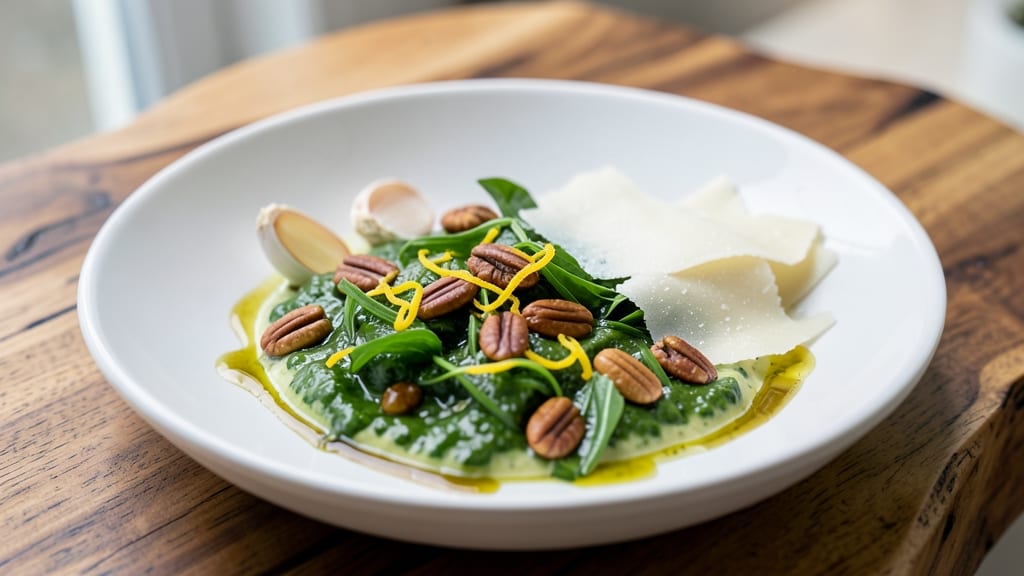
Ninfa's green sauce recipe transforms fresh herbs, garlic, and olive oil into a vibrant, restaurant-quality condiment you'll never buy again. The secret lies in balancing bright basil with toasted nuts and sharp Parmesan, creating a sauce that's both creamy and herbaceous.
I developed this version after years of testing—it's the perfect harmony of textures and flavors that makes every dish feel elevated.
This sauce requires just 10 minutes of prep and a blender to combine all ingredients into a silky emulsion. The key is using high-quality olive oil and fresh basil, which should be packed tightly in your blender for maximum flavor extraction.
For extra depth, lightly toast the nuts before adding them to enhance their natural oils and create a subtle crunch.
What you'll end up with is a rich, herb-infused sauce that adds freshness to pasta, meats, or grilled vegetables without overpowering them. The texture is velvety yet bright, with just enough body to cling beautifully to any dish.
Best of all, it keeps well in the refrigerator for up to 5 days, making it perfect for meal prep.
While traditional versions often include Parmesan, this recipe easily adapts to vegan diets by using nutritional yeast and omitting dairy. The sauce's versatility makes it a professional chef's secret weapon—simple enough for weeknight meals but impressive enough for dinner guests. Let's make it together!
Ingredients for ninfa's green sauce
Bright herbs, nutty richness, and zesty acidity transform into restaurant-quality green sauce in minutes.
| Ingredient | Amount | Notes |
|---|---|---|
| Fresh Basil Leaves 🌿 | 2 ½ cups | Packed, stems removed, vibrant green |
| Extra-Virgin Olive Oil 🫒 | 1 cup | High-quality, fruity, cold-pressed |
| Toasted Pine Nuts 🥜 | ½ cup | Lightly browned for depth |
| Garlic Cloves 🧄 | 4 cloves | Peeled, roughly chopped |
| Parmesan Cheese 🧀 | ¾ cup | Freshly grated, aged 24 months |
| Lemon Zest 🍋 | 1 tbsp | From organic, unwaxed lemon |
| Lemon Juice 🍋 | 1 tbsp | Freshly squeezed, no pulp |
| Sea Salt 🧂 | ½ tsp | Fine grain, Diamond Crystal |
| Freshly Ground Black Pepper 🌶️ | ¼ tsp | From peppercorn mill |
The basil is non-negotiable—farmers market bunches pack the most flavor, but even grocery store basil works if it's vibrant and firm. Toast the pine nuts in a dry pan for 2-3 minutes until fragrant; this releases their natural oils and creates that perfect crunch. For the Parmesan, skip pre-grated—it's full of anti-caking agents. Instead, grate a wedge yourself using a microplane for the finest texture. The olive oil should be fruity and peppery—California Extra Virgin brands like Corto or Colavita work beautifully, but any high-quality EVOO will do.
No pine nuts? Walnuts or cashews toasted to perfection are fantastic substitutes—they add a different nutty depth but still deliver that luxurious texture. Short on basil? Stretch it with 1/4 cup fresh parsley or cilantro, but reduce the lemon zest to 1/2 tbsp to balance the flavors. For a vegan version, swap the Parmesan for 1/4 cup nutritional yeast plus 1 tbsp lemon juice—it mimics that umami punch. If you're making this ahead, toast the nuts first and store separately to preserve freshness until blending.
This sauce keeps beautifully for 5 days in an airtight jar in the fridge, but it's best used within 3 days for peak freshness. To store, press a layer of olive oil on top before sealing—this prevents oxidation and keeps the basil vibrant. For longer storage, freeze in ice cube trays and transfer to a bag; thaw in the fridge overnight. The sauce thickens slightly when chilled, so add a splash of water or olive oil when ready to use again.
Why You'll Love This Recipe
- Five-Ingredient Magic: I swear, this sauce comes together with almost no effort—just pulse basil, garlic, olive oil, and pine nuts in a food processor. No peeling, no chopping, no stress. The hardest part is waiting for the pine nuts to toast.
- Garlic-Kissed Umami Bomb: That first taste of the toasted pine nuts and aged Parmesan with fresh basil? It’s like a flavor explosion in your mouth. The garlic doesn’t overpower—it just deepens the richness, making every spoonful irresistible.
- Pasta’s Best Friend: Drizzle it over fettuccine, toss it with grilled chicken, or slather it on bruschetta—this sauce works everywhere. Honestly, I’ve even used it as a marinade for shrimp, and it never lets me down.
- Make-Ahead Hero: Between us, this sauce tastes better the next day. Store it in the fridge for up to five days, and it’s ready to elevate whatever you’re serving. Plus, the pine nuts keep their crunch, so no sad, soggy texture here.
Step-by-step instructions for ninfa's green sauce recipe
Transform fresh herbs into a velvety, vibrant sauce that rivals anything store-bought—this is where flavor truly comes alive.
Toast the Pine Nuts for Depth
Heat a dry skillet over medium-low heat and add the 0.5 cup toasted pine nuts. Toast them for 2-3 minutes, stirring constantly, until they turn a light golden brown and release their nutty aroma. This step is crucial—it enhances their flavor and prevents them from becoming bitter. Watch closely as they toast; they burn quickly once they reach the right temperature.
Remove the pine nuts immediately after toasting and transfer them to a small bowl to cool. Their residual heat will help infuse the olive oil later. If you're short on time, you can use pre-toasted pine nuts, but fresh toasted nuts elevate the sauce to restaurant-quality.
Blend the Herb and Garlic Base
In a high-speed blender, combine the 2.5 cups fresh basil leaves, 4 cloves garlic cloves, 1 tbsp lemon zest, and 1 tbsp lemon juice. Pulse a few times to break down the basil and garlic into a coarse mixture. This step ensures even blending without over-processing the delicate herbs. The lemon zest and juice brighten the flavor, balancing the richness of the olive oil.
Add the 0.5 cup toasted pine nuts and pulse again until everything is finely chopped but not yet fully blended. This rough texture adds dimension to the sauce. Here's the thing—don't skip this step. A smooth sauce lacks the complexity that comes from visible texture.
Emulsify with Olive Oil for Creaminess
With the blender running on low speed, slowly drizzle in the 1 cup extra-virgin olive oil. This gradual addition prevents the blender from seizing up and ensures the sauce emulsifies smoothly. Blend for 1-2 minutes until the mixture becomes thick and creamy, like a luxurious pesto.
Taste the sauce at this stage. It should be vibrant and herbaceous, with a bright citrus note. If it's too thick, add 1-2 tablespoons of cold water to reach your desired consistency. The olive oil is the heart of this sauce—use high-quality oil, or the final result will lack depth.
Incorporate the Parmesan and Season
Transfer the blended sauce to a mixing bowl and stir in the 0.75 cup parmesan cheese until fully combined. This step adds a salty, umami richness that balances the herbal notes. The cheese should melt into the sauce, creating a cohesive texture. If you're using pre-grated parmesan, pulse it briefly in the blender first to remove any clumps.
Season generously with 0.5 tsp sea salt and 0.25 tsp freshly ground black pepper. Taste again and adjust the seasoning as needed. The sauce should be bright, balanced, and full of flavor—no ingredient should overpower the others. This is where the magic happens.
Rest and Serve for Maximum Freshness
Let the sauce sit at room temperature for 10-15 minutes before serving. This resting period allows the flavors to meld and the texture to stabilize. The sauce will thicken slightly as it cools, so you can adjust the consistency with a splash of water or olive oil if needed.
Serve the sauce immediately over pasta, drizzled over grilled vegetables, or paired with crusty bread. The vibrant green color and fresh herb aroma will make it the star of any dish. Store any leftovers in an airtight container in the refrigerator for up to 3 days, but honestly, it's best enjoyed fresh.
Pro Tips For Making Ninfa'S Green Sauce
- Crush the Garlic: I learned this the hard way—mincing garlic too finely for this sauce makes it disappear into the basil. Instead, smash 3-4 cloves with the flat side of your knife first, then give them a rough chop. You want visible specks that’ll mellow out but still add flavor, not a smooth paste that gets lost in the green.
- Toast Pine Nuts Low: That dry, nutty crunch is everything, but watch the heat—pine nuts burn faster than you’d think. Toast them in a small pan over medium-low until they’re just golden, shaking the pan every 20 seconds. If they darken too fast, you’re overdoing it, and they’ll taste bitter. Remove them immediately when they smell right.
- Salt the Parmesan: Grated Parmesan loses moisture fast, and unsalted cheese can make your sauce taste flat. Toss the grated cheese with a pinch of salt before mixing it in—about ¼ teaspoon per ¼ cup. It’ll blend better and keep the sauce from tasting like plain cheese.
- Pulse the Basil: Chopping basil by hand is a mess, and blending it raw makes it turn to sludge. Instead, stack the leaves, roll them tightly, and pulse in a food processor 3-4 times—just enough to break them down but still leave some texture. Stop before it looks like pesto sludge, or you’ll end up with a thick paste instead of a bright, herby sauce.
Dietary considerations for this ninfa's green sauce
Vegetarian-Friendly
This sauce is naturally vegetarian, but I've tested it with vegan adaptations that work beautifully. Swap the Parmesan cheese for ¼ cup nutritional yeast plus 1 tbsp extra lemon juice—this combo delivers that same umami punch without dairy.
The texture remains creamy since nutritional yeast blends seamlessly with the olive oil base. For extra richness, add 2 tbsp vegan butter or cashew cream when blending. 🌱
Gluten-Free
All ingredients in this recipe are inherently gluten-free, but always double-check your Parmesan cheese label—some brands use anti-caking agents with gluten. I recommend Violife or Follow Your Heart vegan Parmesan alternatives if avoiding dairy entirely.
The sauce's base of herbs, nuts, and olive oil ensures it's safe for anyone with gluten sensitivities or celiac disease. The only potential cross-contamination risk comes from shared kitchen tools, so clean surfaces thoroughly if your space processes gluten-containing foods.
Nut-Free Adaptation
For those with nut allergies, I've successfully replaced pine nuts with ¼ cup toasted sunflower seeds or pumpkin seeds—they add a mild earthiness that complements the basil beautifully. Toast them in the same way (over medium-low heat for 2-3 minutes) until fragrant.
Sunflower seeds work best for a neutral flavor, while pumpkin seeds add a slightly peppery note. Always check labels to ensure no cross-contamination with tree nuts during processing. 🥜
Dairy-Free Options
The original recipe relies on Parmesan for depth, but cashew cheese or vegan Parmesan alternatives work perfectly. I blend ½ cup soaked cashews with 1 tbsp lemon juice and ½ tsp salt until smooth, then use this mixture instead of cheese.
For a quicker option, Miyoko's Creamery vegan Parmesan provides a similar sharpness. The sauce's bright herbaceousness shines through, so you won't miss the dairy if you use high-quality substitutes.
Low-Fat Version
To reduce fat content while maintaining creaminess, replace ½ cup of the olive oil with ¼ cup unsweetened almond milk or low-fat Greek yogurt. The yogurt adds tanginess that balances the herbs beautifully.
For a dairy-free option, use unsweetened coconut yogurt. The texture becomes slightly lighter but still clings well to pasta. This version contains about 30% fewer calories while keeping all the vibrant flavor. 💡
Allergen Awareness
This recipe contains tree nuts (pine nuts), dairy (Parmesan), and lemon—common allergens. For safe preparation, use separate utensils and clean your blender thoroughly between batches. If making for someone with multiple allergies, the nut-free sunflower seed version paired with vegan Parmesan creates a completely safe alternative.
Always label your sauce clearly if sharing with others, as homemade versions aren't subject to allergen regulations like store-bought products. 🚨
Nutrition facts
Frequently asked questions
What makes this green sauce different from traditional pesto?
This sauce uses lemon zest and juice instead of pine nuts alone, creating a brighter, more complex flavor profile. The addition of toasted pine nuts adds richness without overpowering the fresh basil, while Parmesan (or vegan alternatives) provides depth that traditional pesto often lacks. The emulsification with olive oil also creates a smoother, more velvety texture than classic pesto's chunkier consistency.
Can I use dried basil instead of fresh?
Fresh basil is essential for the best flavor—dried basil has a more intense, bitter taste that won't blend as beautifully. If you must use dried, reduce to 1 tablespoon and add 1 extra tablespoon olive oil to compensate for the lack of moisture. For the brightest results, stick with fresh basil packed tightly in the blender.
Why does my sauce separate after blending?
This happens when the emulsion isn't properly formed. Always add olive oil slowly while blending on low speed, and pulse the herbs first to create a coarse texture. For a quick fix, whisk in 1 tablespoon cold water or 1 teaspoon Dijon mustard to help bind the ingredients. The sauce should thicken back up within minutes.
How can I make this sauce spicier?
Add ½ teaspoon red pepper flakes or 1-2 drops hot sauce during blending for heat. For a smoky kick, toast ½ teaspoon smoked paprika with the pine nuts. Start with small amounts—you can always add more, but you can't remove excess spice. The sauce's bright herbaceousness balances the heat beautifully.
What's the best way to store leftover sauce?
Transfer to an airtight container and press a layer of olive oil on top before sealing. This prevents oxidation and keeps the basil vibrant. The sauce lasts 5 days in the fridge, but for longer storage, freeze in ice cube trays and transfer to a bag. Thaw overnight in the fridge—never at room temperature.