
Sauces & Condiments
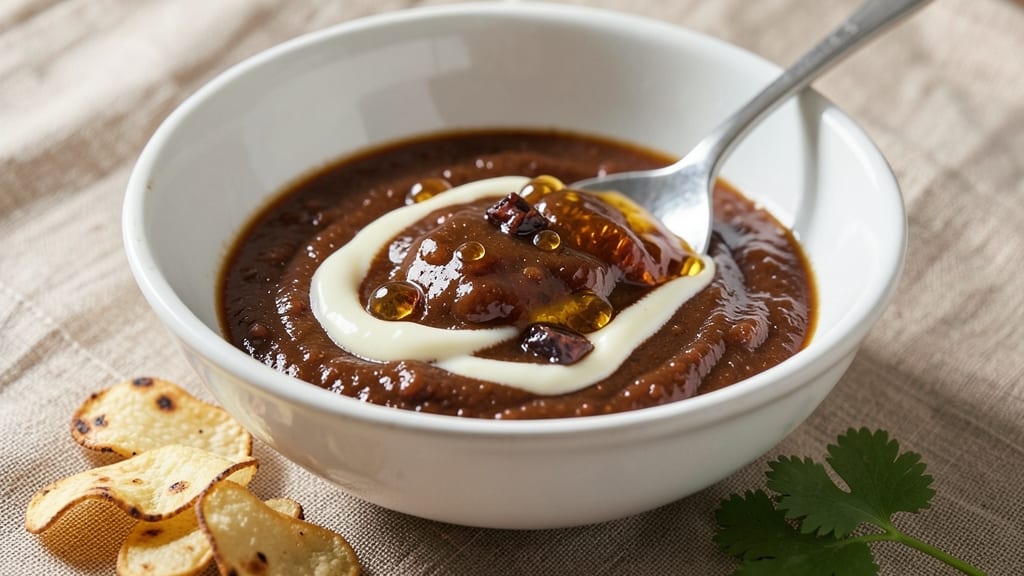
This Oscar sauce recipe transforms simple pantry staples into a smoky, tangy condiment that elevates everything from burgers to tacos. The secret lies in balancing chipotle heat with tomato richness, creating depth without overpowering.
I developed this version after years of tweaking restaurant-style recipes at home—now you can achieve the same bold flavor profile with just 10 minutes of prep.
The foundation starts with ketchup and Worcestershire sauce, but it’s the chipotle peppers in adobo that bring the signature smoky kick. A splash of apple cider vinegar brightens the mix, while garlic and onion powder add aromatic layers.
This sauce isn’t just for dipping—it’s a versatile flavor booster that works as a marinade, glaze, or even a pizza sauce base.
What you’ll end up with is a smooth, velvety sauce with just the right balance of heat and sweetness. The chipotle peppers infuse the tomato base with smoky depth, while the vinegar keeps it from becoming too heavy.
It thickens slightly as it cools, making it ideal for drizzling or brushing onto grilled meats.
Store it in the refrigerator for up to two weeks, or freeze for longer shelf life. The flavors actually improve over time, developing richer complexity. Whether you’re slathering it on fries, mixing it into pasta, or using it as a burger topping, this sauce delivers restaurant-quality results with minimal effort.
Ingredients for oscar sauce
Nine pantry staples turn into smoky, tangy Oscar sauce perfect for burgers, tacos, or grilled meats.
| Ingredient | Amount | Notes |
|---|---|---|
| Ketchup 🍅 | ½ cup | High-quality for tomato depth |
| Chipotle Peppers in Adobo 🌶️ | 2 whole | With sauce, finely chopped |
| Worcestershire Sauce 🥫 | 2 tbsp | Anchor brand preferred |
| Apple Cider Vinegar 🍋 | 1 tbsp | For tangy brightness |
| Garlic Powder 🧄 | 1 tsp | Freshly ground preferred |
| Onion Powder 🧅 | 1 tsp | For aromatic base |
| Granulated Sugar 🍚 | 1 tbsp | Balances heat and acidity |
| Salt 🧂 | ½ tsp | Kosher or sea salt |
| Black Pepper 🌶️ | ¼ tsp | Freshly ground for warmth |
The chipotle peppers are the heart of this sauce—look for the brand in adobo sauce at Mexican markets or the Latin aisle. Trader Joe's carries them canned, which saves time. If you can't find them fresh, the canned ones work perfectly. The ketchup should be a good quality brand like Heinz—none of that watery stuff. Worcestershire sauce is non-negotiable here; Lea & Perrins is the gold standard, but Anchor works too. I always double-check the expiration date on spices like garlic and onion powder—they lose punch fast once opened.
No chipotle peppers? Substitute 1 teaspoon smoked paprika plus 1/2 teaspoon cayenne for heat, but you'll miss that smoky depth. Skip the vinegar? A splash of lemon juice adds brightness, but apple cider gives that signature tang. For the sugar, honey or maple syrup works in a pinch, though it changes the texture slightly. The ketchup can be swapped for tomato paste mixed with 2 tbsp water—just don't use watery tomato sauce. If you're sensitive to heat, reduce the chipotle to 1 pepper and add a pinch more sugar to balance.
This sauce thickens as it sits, so shake it well before using. Keeps in the fridge for 2 weeks—the flavors actually get better over time. For longer storage, freeze in ice cube trays. Thaw overnight in the fridge, then stir before using. I always make a double batch—one for immediate use, one to stash in the freezer. The sauce reheats beautifully; just microwave for 20 seconds and stir. Perfect for drizzling, dipping, or brushing onto hot grills.
Why You'll Love This Recipe
- Here’s what sold me: I made a big batch once, and by day three, it was still the star. The flavors get richer, not weird, and the vinegar keeps it from going flat. Plus, it’s cheap—I’ve fed a crowd for under $5 with this stuff. Budget win.
- Pantry Magic: I swear by this sauce because it uses stuff I already have—no special trips to the store. That can of chipotles in adobo? Lingering in your fridge? The ketchup you bought "just in case"? Boom, instant smoky-sweet depth.
- Smoky-Sweet Kick: The chipotles and apple cider vinegar give it a warm, tangy punch that sticks with you. Honestly, I’ve seen people drizzle this on everything from fries to eggs, but it’s especially good when it caramelizes on a burger—like a secret weapon in a glass bottle.
- Game for Any Meal: Between us, this sauce is my go-to for lazy nights and unexpected guests. Slather it on tacos, mix it into pasta, or even toss it with roasted veggies. (Yes, even on a Tuesday night.) It’s the kind of thing that makes you look like a chef without trying.
Step-by-step instructions for smoky tomato-chipotle velocity sauce
Here's how to blend bold flavors into a velvety sauce using just pantry staples.
Finely Chop the Chipotle Peppers
Remove the 2 whole chipotle peppers in adobo from their jar and pat them dry with a paper towel. This step is crucial—the peppers' sauce contains sugar that can burn easily. Using a sharp chef's knife, finely chop the peppers, including their sauce. You'll want pieces so small they're nearly invisible, about the size of a grain of rice. This ensures the sauce blends smoothly without any noticeable texture.
Here's the thing—if you leave the peppers whole or chop them too coarsely, you'll get uneven heat distribution. The goal is a subtle, smoky warmth that enhances the sauce without overpowering it. Set the chopped peppers aside in a small bowl until ready to use.
Combine Wet Ingredients in a Saucepan
In a medium saucepan, combine the 0.5 cup ketchup, 2 tablespoons Worcestershire sauce, 1 tablespoon apple cider vinegar, and the finely chopped chipotle peppers with their sauce. Place the saucepan over medium heat and bring the mixture to a gentle simmer. You'll see small bubbles forming around the edges—this is your signal that the liquid is heating through.
Let the mixture simmer uncovered for 5 minutes. This allows the flavors to begin melding together while the vinegar's acidity starts to mellow. Stir occasionally with a wooden spoon, scraping up any bits that cling to the bottom of the pan. These browned bits are packed with flavor, so don't miss them!
Add Dry Ingredients and Sweeten
Reduce the heat to low and sprinkle in the 1 tablespoon granulated sugar, 1 teaspoon garlic powder, 1 teaspoon onion powder, 0.5 teaspoon salt, and 0.25 teaspoon black pepper. Stir constantly for 2-3 minutes until the sugar dissolves completely and the mixture thickens slightly. You're looking for a consistency that coats the back of a spoon but isn't gluey.
This is where the magic happens—the sugar balances the acidity of the vinegar and the heat from the chipotle, while the spices deepen the sauce's complexity. If you notice the sauce separating or looking too thin, increase the heat just slightly to help it come together. The goal is a smooth, velvety texture that's neither too thick nor too runny.
Simmer Until Perfectly Balanced
Continue simmering the sauce gently for an additional 8-10 minutes. Taste it occasionally—you're aiming for a perfect balance of smoky heat, tangy brightness, and sweetness. If the sauce tastes too sharp, add a pinch more sugar. If it needs more depth, a splash of apple cider vinegar can help. Remember, you can always adjust the heat later by adding more chopped chipotle peppers.
When the sauce reaches your desired consistency and flavor balance, remove it from the heat. Let it cool slightly before tasting again—flavors often meld more beautifully as the sauce sits. This sauce is incredibly versatile, so don't be afraid to experiment with it on everything from grilled meats to roasted vegetables or even as a marinade.
Pro Tips For Making Oscar Sauce
- STRAIN THE ADOBO: Chipotle peppers in adobo sauce come packed in a thick, smoky liquid that’s half the battle for a balanced Oscar sauce. I learned this the hard way—skipping the strain means a sauce that’s murky, uneven, and fights for flavor. Use a fine-mesh sieve or cheesecloth, press the peppers, and reserve that liquid. It’s where the real depth lives.
- SIMMER LOW AND Slow: Oscar sauce isn’t about fast reductions—it’s about letting flavors marry. I used to crank the heat, and the vinegar would burn before the ketchup and Worcestershire could soften. Keep it at a gentle simmer (tiny bubbles, occasional stir) for at least 15 minutes. Patience here turns sharpness into harmony.
- TAMP THE GARLIC POWDER: Garlic powder is finicky—it floats like dust and clumps like drama. Before adding it, press it into the sauce with the back of a spoon or a fork. This ensures it dissolves evenly instead of settling at the bottom like a lazy afterthought. (Yes, even if you’re impatient like me.)
- BALANCE THE VINEGAR: Apple cider vinegar brightens the sauce, but add it in stages—start with half the recipe’s amount, taste, then adjust. Too much upfront, and the chipotle’s smokiness gets drowned out. I was skeptical until I tried it: the sauce tastes intentional, not sour. (Your future self will thank you.)
Troubleshooting this recipe
Uneven Heat Fix
If your sauce tastes too spicy or the heat is uneven, you’ve likely chopped the chipotle peppers too coarsely. The solution? Blend the sauce until completely smooth using an immersion blender or transfer it to a countertop blender.
Run it for 15-20 seconds—this ensures even distribution of heat and a silky texture. For immediate adjustments, add ½ teaspoon sugar to balance the heat while you blend. 🌶️
Thinning or Thickening
Too thick? Thin with 1 teaspoon water or apple cider vinegar at a time, stirring constantly. Too thin? Simmer uncovered for an extra 3-5 minutes to reduce. If it separates, whisk in ½ teaspoon cornstarch mixed with 1 teaspoon cold water until smooth.
Pro tip: A splash of tomato paste (1 teaspoon) can thicken without altering flavor. Always taste as you go!
Burnt or Bitter Flavor
Burnt taste? You likely simmered too long or used peppers with excess adobo sugar. Next time, pat the peppers completely dry before chopping and simmer on low heat (never boiling). For a quick fix, stir in ½ teaspoon honey or maple syrup to mellow the bitterness.
If the sauce tastes overly smoky, add a pinch of salt to round out the flavors.
Sauce Separates
Separation happens when fats (from chipotle) and liquids split. Stir in 1 teaspoon Dijon mustard or 1 tablespoon mayonnaise to emulsify. For a smoother fix, blend again or whisk vigorously for 2 minutes.
If stored improperly, refrigerate in a glass jar (not plastic) to prevent future separation. The sauce should thicken slightly as it cools—this is normal!
Muted Flavor Profile
Weak flavors? Your spices may be old or the chipotle peppers weren’t fresh. Boost depth by adding ½ teaspoon smoked paprika or 1 extra chipotle pepper (finely chopped). For brightness, increase the apple cider vinegar to 1½ tablespoons.
If the sauce tastes flat, simmer for 5 more minutes to concentrate the flavors. Fresh ingredients make all the difference!
Storage Issues
Sauce spoiling too quickly? It’s likely contaminated with bacteria from improper storage. Always transfer to a clean, airtight glass jar and refrigerate within 2 hours of cooking. For longer shelf life, freeze in ice cube trays—thaw overnight in the fridge.
If mold appears, discard immediately. The sauce should smell tangy and slightly smoky, never sour or off. 💡
Nutrition facts
Frequently asked questions
What's the best way to store leftover Oscar sauce?
Transfer to an airtight glass jar and refrigerate for up to 2 weeks. For longer storage, freeze in ice cube trays—thaw overnight in the fridge. The sauce actually improves with time, developing deeper flavors. Always check for proper sealing to prevent contamination.
Can I make this sauce without chipotle peppers?
Yes! Substitute with 1 teaspoon smoked paprika plus ½ teaspoon cayenne for heat, though you'll lose some smoky depth. For a milder version, use ½ teaspoon chipotle powder instead of fresh peppers. The sauce will still be flavorful, just with a different profile.
How do I adjust the heat level in this sauce?
For more heat, add ½ teaspoon extra chipotle powder or a pinch of cayenne. To mellow it, stir in ½ teaspoon sugar or honey while blending. Always taste as you go—you can adjust even after simmering. The key is balancing the smoky-sweet-tangy notes.
What are the best uses for this sauce beyond dipping?
This versatile sauce works as a marinade for grilled meats, a glaze for roasted veggies, or a pizza sauce base. Try it on tacos, burgers, or even as a drizzle for deviled eggs. The smoky-sweet profile elevates almost any dish.
Why did my sauce separate after refrigerating?
Separation happens when fats (from chipotle) and liquids split. Fix it by whisking in 1 teaspoon Dijon mustard or blending again. Store in a glass jar next time—plastic can cause reactions. The sauce should thicken slightly when cold, which is normal.