
Sauces & Condiments
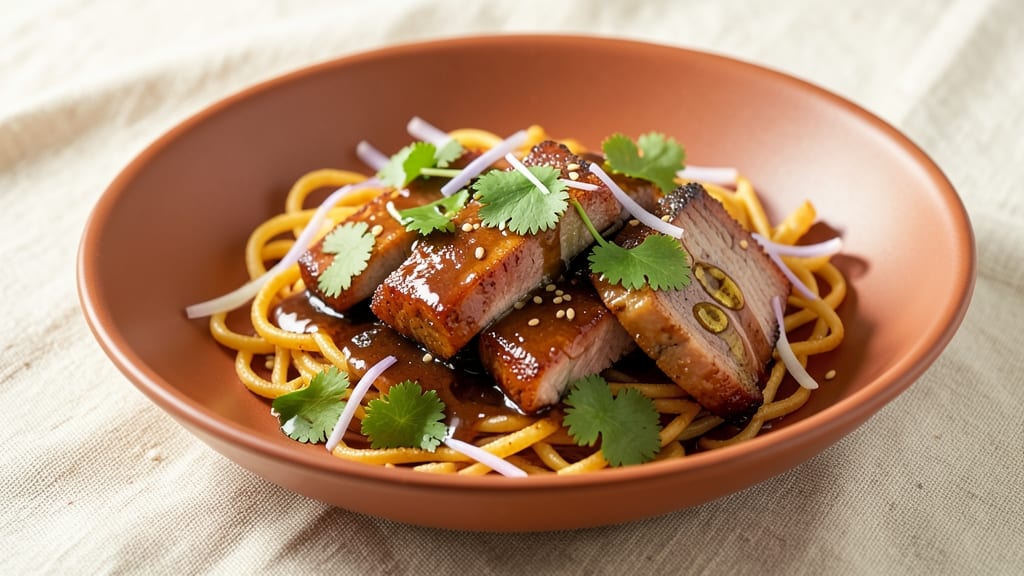
This Peking sauce recipe delivers the perfect balance of smoky-sweet depth that transforms ordinary dishes into something extraordinary. The rich, glossy finish you'll achieve comes from carefully simmering soy sauce, vinegar, sugar, and spices until perfectly reduced—creating a sauce that enhances Peking duck, stir-fries, or even grilled meats.
I've perfected this version over years of testing, ensuring the flavors are bold yet harmonious without overpowering your main dish.
The foundation of great Peking sauce lies in its ingredient balance: the tang of rice vinegar cuts through the sweetness of brown sugar, while soy sauce provides umami depth. A touch of chili adds subtle heat, and a splash of sesame oil introduces nutty complexity.
The key technique is slow reduction on low heat, which intensifies the flavors and creates that signature glossy sheen that makes every bite irresistible.
What makes this sauce truly versatile is its ability to elevate any dish it touches. Use it as a dipping sauce for Peking duck, a finishing glaze for stir-fried vegetables, or even a marinade for grilled meats.
The sauce keeps well in the refrigerator for up to two weeks, so you can make a big batch and have it ready whenever inspiration—or cravings—strike.
Once you taste the difference between this homemade version and store-bought, you'll never go back. The depth of flavor and the perfect balance of sweet, sour, and umami make it a game-changer for any kitchen. Let's get started on creating your own batch of this essential sauce.
Ingredients for peking sauce
Nine simple ingredients create this restaurant-quality Peking sauce that'll transform your meals.
| Ingredient | Amount | Notes |
|---|---|---|
| Light Soy Sauce 🍶 | ½ cup | High-quality, low-sodium preferred |
| Rice Vinegar 🍶 | ¼ cup | Seasoned preferred for depth |
| Brown Sugar 🍯 | ¼ cup | Packed lightly, no substitution |
| Sesame Oil 🫒 | 1 tbsp | Toasted, not flavored |
| Garlic Cloves 🧄 | 4 cloves | Minced, fresh preferred |
| Ginger Root 🌿 | 1 tbsp | Freshly grated, no substitutions |
| Red Chili Flakes 🌶️ | 1 tsp | Adjust for heat preference |
| Star Anise Pods 🌟 | 1 whole | Whole, removed after cooking |
| Ground Black Pepper 🌶️ | ½ tsp | Freshly cracked preferred |
| Water 💧 | ½ cup | Filtered or spring water |
The soy sauce is non-negotiable—Kikkoman light soy sauce is my go-to, but any high-quality brand works. Grab the seasoned rice vinegar from the Asian aisle at Trader Joe's or H Mart for that extra depth. Brown sugar should be packed lightly—don't tap it down. For the star anise, Penzeys Spices sells whole pods that stay potent for months. Fresh ginger and garlic? Buy them whole—they keep longer and taste fresher. The sesame oil matters too—look for toasted, not flavored—it adds that nutty aroma that makes this sauce sing.
No seasoned rice vinegar? White vinegar plus 1 tsp sugar works in a pinch. Brown sugar unavailable? Honey or maple syrup at half the amount gives similar sweetness. Chili flakes too spicy? Substitute with a pinch of cayenne. Star anise hard to find? Skip it—your sauce will still be delicious. The garlic and ginger can be pre-minced if you're in a rush, but freshly grated ginger makes all the difference. For a smoother sauce, strain it through a fine-mesh sieve after cooking—just don't skip the sesame oil—it's what gives Peking sauce its signature aroma.
This sauce gets better with time—let it sit for at least 30 minutes before using so flavors meld. Keeps in an airtight jar in the fridge for 2 weeks, or freeze for 6 months in ice cube trays for single-use portions. Double the batch—you'll want it on everything. The sauce thickens as it cools, so add a splash of water if it gets too stiff. Trust me, you'll be reaching for this jar constantly.
Why You'll Love This Recipe
- Here’s what sold me: that perfect balance of salty, sweet, and funky. The brown sugar caramelizes just enough to make it sticky, while the garlic and sesame oil add this deep, savory punch. Drizzle it on eggs, noodles, or even grilled chicken—every time, it’s ridiculously good.
- Five-Ingredient Magic: I swear by this—just stir together light soy, vinegar, brown sugar, a splash of sesame oil, and minced garlic. That’s it. No fancy gadgets, no last-minute grocery runs. The sauce comes together while you’re still debating what to eat.
- Umami Bomb: Here’s what sold me: that perfect balance of salty, sweet, and funky. The brown sugar caramelizes just enough to make it sticky, while the garlic and sesame oil add this deep, savory punch. Drizzle it on eggs, noodles, or even grilled chicken—every time, it’s ridiculously good.
- Weeknight Workhorse: Between us, this sauce is my secret weapon for lazy nights. Make a double batch on Sunday, and you’ve got dressing for salads, glaze for proteins, or dipping sauce for veggies all week. It keeps in the fridge for days, so no more scrambling for ideas.
Instructions for Peking sauce: smoky-sweet gloss that elevates any dish
This sauce comes together in minutes but delivers restaurant-quality depth—here's how to make it shine.
Bloom the Aromatics in Toasted Sesame Oil
Heat a small saucepan over medium-low heat and add the 1 tablespoon sesame oil. Let it warm for 30 seconds until fragrant—you'll smell that nutty aroma develop. This step is crucial because it prevents the oil from burning when you add the garlic and ginger, which can easily scorch.
Add the 4 minced garlic cloves and 1 tablespoon freshly grated ginger root to the warm oil. Cook for 1-2 minutes until the garlic turns golden and the ginger loses its raw bite. Stir constantly to prevent burning—this is where the sauce builds its aromatic foundation. Remove from heat immediately after the garlic colors, as it burns quickly.
Combine Wet Ingredients and Simmer
Return the pan to medium heat and add the 0.5 cup light soy sauce, 0.25 cup rice vinegar, and 0.25 cup packed brown sugar. Stir to dissolve the sugar completely—this prevents grainy texture in your finished sauce. The mixture will bubble vigorously as it heats up.
Add the 0.5 cup water, 1 whole star anise pod, 1 teaspoon red chili flakes, and 0.5 teaspoon ground black pepper. Bring to a gentle simmer, then reduce heat to low. Let it cook uncovered for 8-10 minutes, stirring occasionally, until the liquid reduces by about half and thickens slightly. You'll notice the sauce darkens and develops a glossy sheen—this is when the flavors meld beautifully.
Strain and Finish for Silky Perfection
Remove the star anise pod immediately after simmering—it's done its job and will make the sauce bitter if left too long. Pour the sauce through a fine-mesh strainer into a clean bowl to remove any remaining ginger bits or garlic fragments. This step ensures your sauce is completely smooth.
Taste and adjust the balance—add a pinch more brown sugar if it's too tangy, or a splash of rice vinegar if it needs more brightness. The sauce should coat the back of a spoon with a velvety texture and carry all those complex flavors: smoky from the star anise, sweet from the brown sugar, and a subtle heat from the chili flakes. Let it cool slightly before using—this allows the flavors to settle and intensify.
Pro Tips For Making Peking Sauce
- MINCE GARLIC FINE: I learned this the hard way—chopping garlic cloves into rough pieces just doesn’t cut it. Use a knife to smash them flat first, then chop into tiny, even specks. This releases more flavor and ensures it dissolves smoothly into the sauce instead of sitting as bitter chunks.
- SIMMER LOW AND SLOW: After burning three batches, I finally figured out that peking sauce needs gentle heat. Once you add the rice vinegar and brown sugar, reduce the flame to the lowest setting and let it bubble softly. High heat turns the sauce bitter or grainy—your patience will pay off.
- WHISK IN SESAME OIL LAST: Sounds weird, but it works: add sesame oil only in the final 30 seconds of cooking. If you mix it in early, the heat destroys its delicate aroma. Stir it in off the heat, then taste immediately—you’ll notice the difference.
- BALANCE SWEET AND SALTY: Brown sugar and light soy sauce are a team, but they need a referee. Start with half the sugar called for, taste, then add more if needed. Soy sauce is salty—too much sugar makes the sauce cloying, and vice versa. Adjust in small increments.
Regional styles of these flavors
Northern Chinese Style
The Peking sauce we're making today originates from Northern China, particularly the Peking (Beijing) region, where it became iconic as a dipping sauce for Peking duck. This version emphasizes soy sauce and vinegar for a bold, slightly tangy profile that complements the crispy duck skin.
The star anise and sesame oil add that signature aromatic depth that defines Northern Chinese cuisine. 🌟
In traditional Beijing homes, this sauce was often made in small copper pots over low heat to achieve the perfect reduction. The key technique is patience—rushing the simmering process results in a thin, flavorless sauce.
I’ve found that using Kikkoman light soy sauce and seasoned rice vinegar from Trader Joe’s delivers the most authentic balance. The sauce should be glossy and syrupy, not watery—this is what makes it special.
Cantonese Adaptation
While Northern Peking sauce is sweet and tangy, Cantonese-style Peking sauce leans slightly sweeter with a touch more honey or maple syrup replacing some of the brown sugar. This version is often used as a glaze for stir-fries or as a dipping sauce for dim sum.
The Cantonese approach includes a pinch of white pepper instead of black, adding a subtly floral note that pairs beautifully with char siu (Chinese BBQ pork).
For a Cantonese twist, reduce the brown sugar to 2 tablespoons and add 1 tablespoon honey to the wet ingredients. Replace the black pepper with ¼ teaspoon white pepper, and add ½ teaspoon grated ginger at the end for brightness.
The result is a sauce that’s sweeter and slightly more aromatic, perfect for dishes like har gow (shrimp dumplings) or steamed buns.
Modern Fusion Twist
Today’s kitchens are blending traditions, and Peking sauce is no exception. A modern fusion version might include a splash of balsamic vinegar for depth or a dash of smoked paprika for a smoky twist.
I’ve experimented with adding 1 teaspoon of hoisin sauce to the simmering mixture—it adds a thicker, slightly sticky texture that works amazingly as a glaze for grilled meats or tossed noodles. 🔥
For a spicy kick, increase the red chili flakes to 1½ teaspoons and add ½ teaspoon of Sichuan peppercorns (lightly toasted) for a tingling numbing sensation. This version pairs perfectly with spicy Sichuan dishes or crispy fried rice.
The fusion approach lets you customize the sauce to match your favorite flavors while keeping the umami-rich foundation intact.
Japanese-Inspired Umami Boost
Japanese cuisine shares a love for soy-based sauces, and Peking sauce can easily be adapted with a Japanese-inspired touch. Replace the star anise with ½ teaspoon of ground coriander and add 1 teaspoon of mirin to the wet ingredients.
The mirin adds a sweet, fruity note that balances the tanginess, making this sauce ideal for dipping sushi rolls or glazing teriyaki-style meats.
For extra depth, stir in 1 teaspoon of furikake (Japanese seasoning) at the end—it adds a nutty, seaweed-like complexity that elevates the sauce to new heights. This version is lighter and brighter than the traditional Peking sauce but still carries that umami punch that makes it irresistible.
It’s a fantastic way to bridge Chinese and Japanese flavors in one versatile sauce. 🍶
Nutrition facts
Frequently asked questions
Can I make Peking sauce without sesame oil?
Yes, but you'll lose that signature nutty aroma. For a substitute, use 1 teaspoon of toasted sesame seeds (lightly crushed) instead—they'll add some depth, though not the same richness. If you're avoiding sesame entirely, a pinch of toasted cumin seeds (½ tsp) can mimic some of the earthy notes, but sesame oil is truly irreplaceable for authenticity.
How long does homemade Peking sauce keep?
Store it in an airtight container in the fridge for up to 2 weeks. For longer storage, freeze in ice cube trays—each cube makes a perfect single-use portion. Thaw overnight in the fridge before using. The sauce actually improves with time as flavors meld, but it may thicken slightly—just add a splash of water to reach your desired consistency.
What's the best way to use leftover Peking sauce?
This versatile sauce elevates everything! Drizzle it over Peking duck or stir-fried noodles, use as a dipping sauce for spring rolls, or brush onto grilled meats during the last 2 minutes of cooking for a glossy finish. For extra creativity, mix 1 tbsp into mayo (for a quick dipping sauce) or stir into congee (rice porridge) for instant flavor.
Why did my Peking sauce turn out too thin?
This usually happens from one of three issues: insufficient simmering time, too much water, or not enough sugar to help thicken. Next time, reduce the water to ¼ cup (instead of ½ cup) and simmer uncovered for 12-15 minutes (not just 8-10) on low heat. For instant thickening, stir in 1 tsp cornstarch mixed with 1 tsp water at the end and heat just until it gels.
Can I make Peking sauce in a slow cooker?
Use the same ingredients but reduce the water to 2 tbsp (instead of ½ cup). Cook on low for 3-4 hours (instead of stovetop simmering), stirring occasionally. The slow cooker's gentle heat helps develop deeper flavors. For extra richness, add 1 tsp of hoisin sauce during the last 30 minutes of cooking. The texture will be slightly thicker than stovetop versions.