
Sauces & Condiments
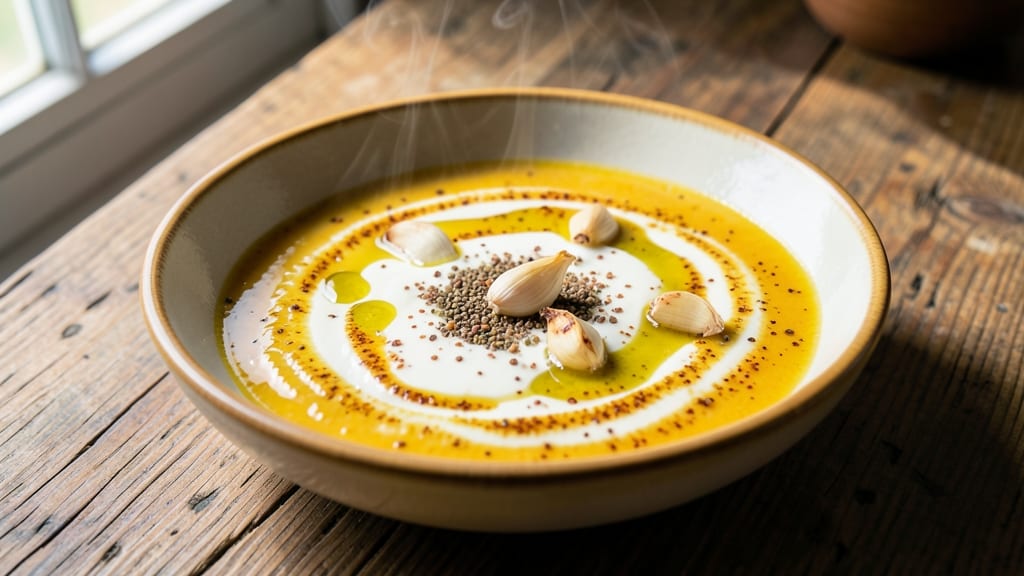
Transforming simple pantry staples into smoky ají amarillo velocity sauce is how I bring Peruvian flavors to everyday meals—this vibrant, slightly spicy sauce elevates grilled meats, roasted potatoes, or even rice dishes with minimal effort.
The key lies in balancing the bright yellow ají amarillo paste with creamy milk and earthy spices like garlic and cumin, creating a sauce that’s both complex and approachable. Unlike store-bought versions, this recipe delivers a fresh, homemade depth that clings to every bite.
What sets this sauce apart is its versatility—it starts as a smooth, velvety base but can be adjusted to a thicker paste for dipping or drizzling. The process is straightforward: blend the paste with milk and spices, then simmer until the flavors meld into a harmonious balance.
No special equipment is needed beyond a blender and a saucepan, making it perfect for home cooks who want restaurant-quality results without the fuss.
The result is a sauce that’s bright, slightly spicy, and deeply aromatic, with a smoky undertone that lingers on the palate. It’s the kind of condiment that transforms simple dishes into something extraordinary—think crispy chicken, tender potatoes, or even a bowl of rice—all infused with that signature Peruvian warmth.
Once you taste it, you’ll never reach for bottled sauce again.
Best of all, this sauce keeps well in the refrigerator for up to a week or can be frozen for longer storage, ensuring you always have a flavorful backup for spontaneous meals. Let’s get cooking—your taste buds will thank you.
Ingredients for peruvian sauce
Pantry staples meet Peruvian magic—just ten ingredients transform into vibrant sauce.
| Ingredient | Amount | Notes |
|---|---|---|
| Aji Amarillo Paste 🌶️ | ½ cup | High-quality, not watered-down |
| Whole Milk 🥛 | 1 cup | Full-fat for creaminess |
| Extra-Virgin Olive Oil 🫒 | ¼ cup | Fruity, not bitter |
| Garlic Cloves 🧄 | 4 cloves | Freshly minced, not pre-minced |
| Ground Cumin 🌿 | 1 tsp | Toasted for depth |
| Ground Coriander 🌿 | ½ tsp | Freshly ground preferred |
| Salt 🧂 | ½ tsp | Diamond Crystal preferred |
| Black Pepper 🌶️ | ¼ tsp | Freshly cracked |
| Lemon Juice 🍋 | 1 tbsp | Freshly squeezed |
| Water 💧 | ¼ cup | Room temperature |
The aji amarillo paste is non-negotiable—look for brands like La Costeña or Pisco Peru at Latin markets or well-stocked grocery stores. If you can only find watered-down versions, add a pinch of smoked paprika (about 1/4 tsp) to mimic the smokiness. The milk should be full-fat for that creamy texture, but half-and-half works too if you're watching calories. I always grab extra garlic at Trader Joe's—it's cheaper and fresher than most stores. Toast your cumin and coriander in a dry pan for 30 seconds before grinding if you want to take it to the next level (trust me, it makes a difference).
Milk substitute? Coconut milk adds richness but changes the flavor profile—use it if you're making this vegan. No fresh garlic? Garlic powder at half the amount works, but it won't have the same depth. The lemon juice brightens everything up, so don't skip it—if you're out, a splash of lime works too. For extra smokiness, add a dash of liquid smoke (about 1/8 tsp), but go easy—you can always add more. The water helps thin the sauce if it gets too thick during simmering, but you can adjust based on your preferred consistency.
This sauce keeps beautifully—store it in a clean glass jar in the fridge for up to 1 week. For longer storage, portion into ice cube trays, freeze, then transfer to a bag for 3 months. The flavor actually improves after a day or two as everything melds together. I like to make a big batch and drizzle it on everything from grilled chicken to roasted sweet potatoes. It reheats perfectly—just warm it gently on the stove or microwave until hot. If it separates, stir in a splash of milk or water to bring it back together.
Why You'll Love This Recipe
- Five-Ingredient Magic: I swear by this—just heat oil, crush garlic, stir in that bright aji amarillo paste, add milk, and boom. No chopping, no peeling, no fuss. My lazy Sundays just got a glow-up.
- Sunshine in a Jar: That aji amarillo paste? It’s like liquid sunshine—fruity, tangy, with just enough heat to wake up your taste buds. The milk softens it into something velvety, and the cumin? Pure magic. I’ll never go back to bland sauces.
- Dresses Up Everything: This sauce is my secret weapon for rice, eggs, roasted veggies—even grilled chicken. Honestly, I’ve drizzled it on toast when I was really hangry, and it didn’t judge me. (Yes, even on a Tuesday night.)
- Leftovers That Don’t Suck: Unlike so many sauces that turn gloopy or weird in the fridge, this one actually improves overnight. Thicker, richer, and ready to jazz up whatever’s left in your fridge. I’ve had it last a full week—still delicious. Budget win.
Step-by-step instructions for Peruvian aji amarillo sauce
Here's how to make this vibrant, smoky sauce with simple pantry staples.
Bloom the Spices in Olive Oil
Heat the extra-virgin olive oil in a medium saucepan over medium-low heat. Add the 4 cloves garlic cloves and let them sizzle gently for 30 seconds until fragrant but not browned. Immediately add the 1 teaspoon ground cumin and ½ teaspoon ground coriander, stirring constantly for 1 minute until the spices release their aroma.
This step develops the sauce's depth. If the garlic starts to brown too quickly, reduce the heat slightly. You'll know it's ready when the spices smell warm and earthy, not burnt. Keep the pan on heat for the next step to maintain temperature.
Add the Aji Amarillo Paste
Lower the heat to low and add the ½ cup aji amarillo paste, stirring continuously with a wooden spoon. Let it cook for 3-4 minutes until the mixture begins to bubble gently and thicken slightly. The paste will darken as it cooks, creating that signature smoky color.
Here's where the magic happens: the paste's natural oils release, and the sauce starts to emulsify. If it looks too thick, we'll adjust it later with milk. Don't walk away—this step requires attention to prevent burning. You'll see the sauce transform from a thick paste to a smoother, glossy base.
Incorporate the Milk and Seasonings
Pour in the 1 cup whole milk all at once and stir vigorously for 2-3 minutes until the sauce smooths out completely. Add the ½ teaspoon salt, ¼ teaspoon black pepper, and 1 tablespoon lemon juice, stirring well after each addition. The sauce should now have a velvety texture with no lumps.
This is the moment that matters: the milk creates the sauce's signature creaminess while the lemon juice brightens the flavors. If the sauce looks too thin, we'll thicken it in the next step. Taste it now—it should be tangy, slightly sweet, and developing that unmistakable Peruvian warmth.
Adjust Consistency and Finish
If the sauce is too thin, increase heat to medium-low and let it simmer uncovered for 3-4 minutes, stirring occasionally. For a thicker sauce, reduce heat to low and simmer for 5-6 minutes. Add the ¼ cup water if needed to reach your preferred consistency—it should coat the back of a spoon but still be pourable.
Real talk: the sauce will thicken more as it cools, so aim for a slightly thinner consistency when hot. Give it one final taste and adjust seasoning if needed. The sauce should be balanced—bright from the lemon, smoky from the aji amarillo, and creamy from the milk. Remove from heat immediately after reaching your desired consistency.
Rest and Serve
Transfer the sauce to a clean bowl and let it rest for 10 minutes at room temperature. This resting period allows the flavors to meld completely and the sauce to reach its ideal texture. The color will deepen slightly as it cools, and the smoky aroma will become more pronounced.
Serve immediately over grilled meats, rice, or potatoes. The sauce keeps well in the refrigerator for 3-4 days—just reheat gently on the stove, stirring constantly to prevent skin formation. I promise, this sauce will elevate any dish it touches with its complex, smoky-sweet profile.
Pro Tips For Making Peruvian Sauce
- Bloom the Aji Amarillo First: Heat the olive oil low and slow—just until it shimmers—then add the paste and let it sit for 30 seconds before stirring. I learned this the hard way: rushing it makes the sauce bitter. The paste needs time to open up its flavor, not burn.
- Use Raw Garlic for Depth: Mince the garlic cloves fresh and toss them into the oil after the aji amarillo has bloomed but before adding milk. Toasting it too long kills its sweetness, but skipping the raw garlic means missing that bright, fresh kick the sauce needs.
- Temper the Milk Gradually: Pour the milk into the hot oil-paste mixture slowly, a splash at a time, while stirring constantly. Dumping it all at once can curdle the sauce—yes, I’ve done it—and you’ll end up with a lumpy, sad mess instead of that silky texture.
- Toast the Cumin Lightly: Dry-toast the ground cumin in the oil for 10 seconds before adding garlic—just until you smell that warm, nutty aroma. Untosted cumin tastes flat, and burning it turns the sauce bitter. (I know, the line is thin, but trust the clock.)
Essential equipment for this recipe
Blender Essentials
You’ll need a high-speed blender to emulsify the sauce smoothly—I use my Ninja BN601 for its powerful motor and sharp blades. Avoid cheap blenders that struggle with thick pastes like ají amarillo; they’ll leave lumps and uneven textures.
If you’re blending by hand, a mortar and pestle works for small batches, but it’s labor-intensive. For the best results, blend the paste and milk together first, then strain through a fine-mesh sieve to remove any grit. 💫
Saucepan Must-Haves
A medium-sized stainless steel saucepan (like my All-Clad 3-quart) is ideal for simmering—it distributes heat evenly and prevents scorching. Avoid nonstick pans; they can’t handle the sauce’s high heat without releasing harmful fumes.
For extra precision, use a thermometer to monitor temperatures between 180-190°F—this ensures the sauce thickens properly without burning. A wooden spoon is a game-changer for stirring; metal spoons can scratch the pan and alter flavors.
Heat Control Tools
Invest in a kitchen torch for optional finishing—it adds a smoky aroma to the sauce’s surface before serving. I use a Weck torch to lightly char the edges of the sauce in the pan, deepening its complexity.
A digital thermometer (like the Thermoworks Thermapen) helps you monitor the sauce’s temperature precisely, especially when adjusting consistency. For low-and-slow simmering, a cast-iron skillet (like Lodge) works well, but stainless steel is still my top pick for even heating.
Storage Containers
Store your sauce in glass jars with airtight lids—I prefer Le Parfait 16-ounce jars for their durability and stackability. For freezing, use silicone ice cube trays to portion out single servings, then transfer to a ziplock freezer bag for easy thawing.
Label everything with the date to track freshness; this sauce keeps for 1 week refrigerated or 3 months frozen. Avoid plastic containers, as they can absorb odors and alter the sauce’s flavor over time.
Optional Upgrades
A food mill (like the OXO Good Grips) helps achieve ultra-smooth textures if you’re using chunky ingredients. For added depth, a smoker box (like the Meater+) lets you infuse the sauce with subtle smokiness during simmering.
If you love texture, a mini food processor can blend in fresh herbs like cilantro or parsley at the end. These tools aren’t essential, but they elevate the sauce to restaurant-quality levels with minimal effort. 🔥
Nutrition facts
Frequently asked questions
What’s the best way to substitute ají amarillo paste?
If you can’t find authentic ají amarillo paste, mix 1/4 cup tomato paste with 1/4 cup yellow bell pepper purée and 1/2 teaspoon smoked paprika for a similar smoky-sweet profile. For heat, add 1/4 teaspoon cayenne pepper. The sauce will lose some depth, but it’ll still work in a pinch.
Can I make this sauce without dairy?
Yes! Replace the milk with 1 cup coconut milk for a creamy, vegan version. The texture will be slightly richer, but the flavors stay balanced. For extra tang, add 1 tablespoon apple cider vinegar instead of lemon juice. The sauce will still cling beautifully to dishes like grilled veggies or rice.
Why did my sauce separate?
Sauces separate when fats (like olive oil) and liquids (milk) aren’t properly emulsified. Stir in 1 tablespoon cornstarch mixed with 2 tablespoons cold water while heating gently, or whisk in a splash of milk until smooth. For prevention, simmer the sauce longer or add 1/2 teaspoon xanthan gum at the end.
How spicy is this sauce?
The heat level depends on the ají amarillo paste—most brands rate mild to medium (2-3 on the Scoville scale). For a milder version, reduce the paste to 1/3 cup or add 1 teaspoon sugar to balance. If you love heat, increase the paste to 2/3 cup and add 1/4 teaspoon cayenne. Always taste as you go!
What dishes pair best with this sauce?
This sauce shines on grilled chicken, roasted potatoes, or rice dishes like arroz chaufa. Drizzle it over tostadas, use it as a dip for fries, or mix into soups for depth. For a showstopper, spoon it over seared scallops or black beans. The creamy texture makes it versatile for both savory and slightly sweet applications.