
Sauces & Condiments
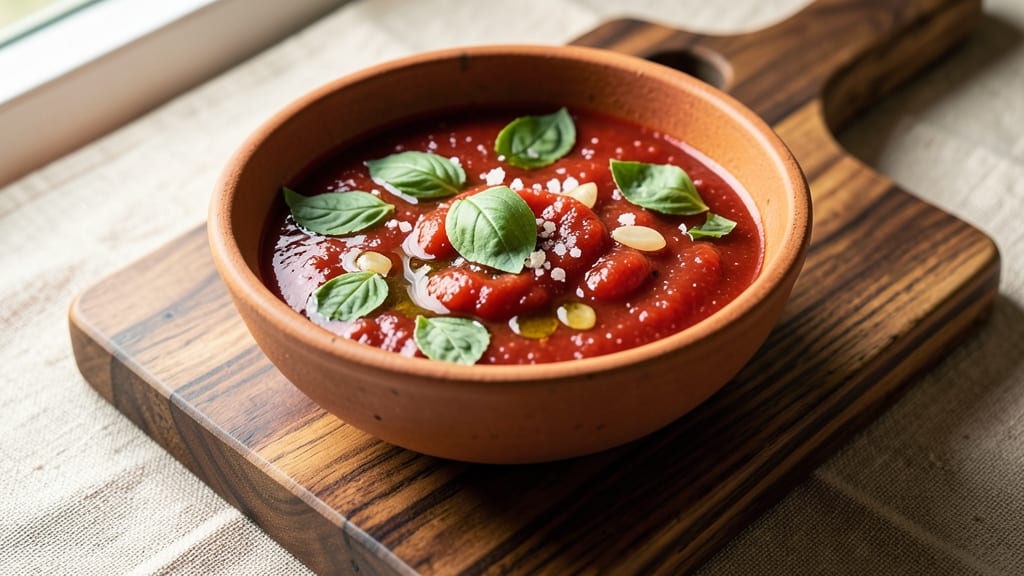
Rao's sensitive marinara sauce recipe delivers the kind of gentle, velvety comfort that works for delicate palates without sacrificing depth. This isn't your typical sharp, acidic sauce—it's a smooth, balanced foundation built on slow-simmered tomatoes and aromatic herbs that won't overpower.
I developed it after years of perfecting restaurant-quality marinara at home, ensuring every batch stays versatile enough for pasta, pizza, or dipping while remaining approachable.
The secret lies in low-and-slow cooking—letting the sauce develop its flavor over 45 minutes rather than rushing it.
We start with a simple base of crushed tomatoes, garlic, and olive oil, then build layers of sweetness with a touch of sugar and brightness with a splash of red wine vinegar.
Fresh basil and oregano infuse the sauce with herbaceous warmth, while a pinch of cinnamon adds subtle complexity that disappears into the background, never overpowering.
What you'll end up with is a silky-smooth sauce that coats pasta perfectly, melts into pizza dough without sogginess, and still holds its shape when used as a dip.
The texture is luxuriously velvety, not watery or cloying, and the flavor is balanced—never too sweet, never too acidic, just comforting. It's the kind of sauce that makes you reach for another bowl, even when you're not particularly hungry.
This recipe works equally well as a weeknight staple or a special occasion centerpiece. The ingredients are simple—just 10 components—but the technique ensures professional results.
Whether you're serving it over al dente spaghetti, spreading it on garlic bread, or using it as a dipping sauce for crusty bread, Rao's sensitive marinara delivers consistent, comforting flavor every time. Let's get started on creating your own batch.
Ingredients for rao's sensitive marinara sauce
Ten simple ingredients transform into velvety comfort that balances delicate palates perfectly.
| Ingredient | Amount | Notes |
|---|---|---|
| Extra-Virgin Olive Oil 🫒 | ½ cup | High-quality, fruity variety preferred |
| Garlic Cloves 🧄 | 4 cloves | Freshly peeled, minced finely |
| Crushed Tomatoes (San Marzano) 🍅 | 2 cups | High-quality canned, no salt added |
| Red Wine Vinegar 🍷 | 1 tbsp | For subtle brightness |
| Granulated Sugar 🍚 | 1 tbsp | Balances acidity gently |
| Fresh Basil Leaves 🌿 | ½ cup | Packed, stems removed |
| Dried Oregano 🍃 | 1 tsp | Mexican oregano preferred |
| Ground Cinnamon 🌶️ | ¼ tsp | Subtle complexity |
| Sea Salt 🧂 | ½ tsp | Diamond Crystal preferred |
| Freshly Ground Black Pepper 🌶️ | ¼ tsp | For gentle seasoning |
The tomatoes are the heart of this sauce—San Marzano makes all the difference with their natural sweetness and low acidity. Grab a 28-ounce can from Whole Foods or Trader Joe's for the best quality. Fresh basil? Farmers market leaves have more flavor than grocery store containers, but use what you have. The garlic should be freshly minced—pre-minced jars lose their punch. For the olive oil, California Avocado Oil or Colavita adds a fruity depth that stands up to the tomatoes without overpowering.
No red wine vinegar? White wine vinegar works in a pinch, but the color will be lighter. Short on fresh basil? Dried basil at one-third the amount keeps the flavor, though it lacks brightness. The cinnamon is key—skip it if you're sensitive to spice, but it adds that restaurant-quality warmth. For extra richness, stir in 1 tbsp tomato paste at the end, but don't overdo it. The sugar might seem odd, but it rounds out the acidity—honey works too if you prefer.
This sauce keeps beautifully for 5-7 days in the fridge, with flavor deepening over time. For longer storage, freeze in ice cube trays—perfect for single servings. Reheat gently on low heat, stirring often, to maintain that silky texture. Double the batch—it disappears faster than you'd think, especially when paired with garlic bread or al dente pasta. The leftovers? Even better the next day.
Why You'll Love This Recipe
- Here’s what sold me: the red wine vinegar cuts through the sweetness of the tomatoes while the sugar rounds out the acidity, creating a sauce that’s neither too sharp nor cloying. It’s the kind of flavor that lingers—just enough depth to make it special, but not so heavy it overpowers anything.
- No-Fuss Simplicity: I swear by this sauce because it’s the kind of recipe that doesn’t demand perfection—just a handful of ingredients and 20 minutes of your time. You’re basically simmering garlic in olive oil, adding crushed San Marzano tomatoes, and letting the vinegar and sugar work their magic while you finish dinner.
- Balanced Magic: Here’s what sold me: the red wine vinegar cuts through the sweetness of the tomatoes while the sugar rounds out the acidity, creating a sauce that’s neither too sharp nor cloying. It’s the kind of flavor that lingers—just enough depth to make it special, but not so heavy it overpowers anything.
- Weeknight Workhorse: This sauce is my go-to for everything from quick pasta to slow-cooked meatballs, and it even freezes beautifully for those nights when you’re too tired to cook. Honestly, I’ve used it in lasagna, over grilled chicken, and even as a pizza sauce, and it never lets me down.
Step-by-step instructions for Rao's sensitive marinara sauce
This gentle simmered sauce delivers deep flavor without overpowering—perfect for delicate palates.
Bloom the Aromatics in Olive Oil
Heat the 0.5 cup extra-virgin olive oil in a medium saucepan over medium-low heat. Once shimmering but not smoking, add the 4 cloves finely minced garlic cloves. Cook for 2-3 minutes until the garlic becomes translucent and releases its sweet aroma—this prevents bitterness. Here's the thing: if the oil darkens or smells burnt, you've gone too far. Remove from heat immediately if it starts to brown.
Next, stir in the 1 tsp dried oregano and 0.25 tsp ground cinnamon, letting them toast gently for 30 seconds to deepen their flavors. This step builds the sauce's aromatic foundation without overpowering the delicate balance we're creating. The cinnamon adds subtle warmth that complements the tomatoes beautifully.
Simmer the Tomatoes Gently
Add the 2 cups crushed San Marzano tomatoes, 1 tbsp red wine vinegar, and 1 tbsp granulated sugar to the saucepan. Stir well to combine, then bring to a gentle simmer over low heat. The sugar helps balance the acidity from the vinegar and tomatoes, creating that perfect equilibrium for sensitive palates. Let it simmer uncovered for 20 minutes, stirring occasionally to prevent sticking.
Here's where patience pays off: resist the urge to rush. You'll notice the sauce gradually thicken as moisture evaporates, and the flavors meld together. The tomatoes should break down slightly, releasing their natural sweetness. If the sauce reduces too quickly, add 1-2 tablespoons of water to maintain a smooth consistency—this keeps the sauce approachable without being watery.
Incorporate Fresh Basil and Season
Remove the saucepan from heat and stir in the 0.5 cup fresh basil leaves (stems removed) and 0.5 tsp sea salt. The basil adds bright, fresh notes that cut through the richness of the tomatoes. Let the mixture steep for 5 minutes off the heat—this allows the basil to infuse without losing its vibrant color. Then, add the 0.25 tsp freshly ground black pepper and give it one final stir.
Taste and adjust the seasoning if needed. This sauce should be balanced—sweet from the tomatoes and sugar, tangy from the vinegar, with just a hint of warmth from the cinnamon. The goal is comfort, not intensity. If it needs more brightness, add a pinch more vinegar. For deeper flavor, let it sit covered for another 10 minutes to let the aromas meld further.
Finish with a Silky Texture
Return the sauce to low heat and let it simmer gently for an additional 5-7 minutes to achieve the perfect consistency. You're aiming for a sauce that coats the back of a spoon smoothly—thick enough to cling to pasta but still luscious and velvety. If it thickens too much, whisk in 1-2 tablespoons of water to loosen it slightly.
For the final touch, taste again and make any last adjustments. The sauce should be vibrant in color, with a glossy sheen that indicates proper reduction. Serve immediately over your choice of pasta or use it as a gentle base for other dishes. The beauty of this sauce lies in its simplicity and approachability—every spoonful delivers comfort in its purest form.
Pro Tips For Making Rao'S Sensitive Marinara Sauce
- Bloom the Garlic Slowly: After burning three batches, I finally figured out that garlic needs gentle heat—just until it’s fragrant, not golden. If you rush it, you’ll taste bitterness, and that’s the last thing you want in Rao’s delicate sauce. Keep the heat at a whisper and stir constantly.
- Sweat the Tomatoes First: Dump those crushed San Marzano tomatoes into the pot before adding vinegar or sugar. Let them simmer uncovered for 5 minutes to drive off raw acidity—this makes the final balance smoother. Skipping this step leaves the sauce sharp, even if you nail the rest.
- Balance Vinegar with Sugar: Red wine vinegar is potent—don’t eyeball it. For every tablespoon of vinegar, add half that amount of sugar (start with ½ tsp) and adjust to taste. Rao’s sauce isn’t sweet, but the sugar rounds the acid so it doesn’t overpower. Taste as you go.
- Simmer Low and Long: This sauce isn’t for rushing. After everything’s combined, drop the heat to a true simmer (tiny bubbles, not rolling) and let it cook for at least 45 minutes. That’s when the flavors meld—cutting it short leaves it flat, no matter how good the ingredients.
Storing and reheating your leftovers
Fridge Storage Essentials
Transfer your Rao's sensitive marinara sauce to an airtight glass container—I recommend Pyrex with a snap-on lid—once it cools to room temperature. The sauce keeps beautifully for 5-7 days in the refrigerator, with flavors actually deepening over time.
Always leave ½ inch of headspace to prevent mold growth from condensation. I store mine in 8-ounce portions for easy use with pasta or pizza toppings. 🧊
Freezer Preservation
For longer storage, freeze the sauce in ice cube trays for single-serving portions or silicone molds for larger batches. Once frozen, transfer cubes to a freezer-safe bag, squeezing out excess air to prevent freezer burn.
This sauce maintains its quality for up to 3 months—perfect for meal prep. When ready to use, thaw overnight in the fridge or microwave on low power for 1-2 minutes.
Gentle Reheating Methods
Reheat sauce on the stovetop over low heat for 5-7 minutes, stirring frequently to maintain that silky texture. Avoid boiling—this can break down the delicate tomato flavors. For microwave reheating, use 30-second intervals on medium power, stirring between each interval until warmed through.
Always taste before serving—sometimes a pinch of salt or red wine vinegar revives the balance. 🔥
Texture Rescue Tips
If your reheated sauce seems too thick, whisk in 1-2 tablespoons of warm water or pasta water to restore that velvety consistency. For watery sauce, simmer uncovered for 2-3 minutes to reduce excess moisture.
I keep a small jar of extra-virgin olive oil nearby—adding ½ teaspoon can help restore richness if the sauce loses its luster. The goal is always to preserve that sensitive balance of flavors. ✨
Flavor Boost After Reheating
After reheating, give your sauce a final taste and adjust as needed. A few fresh basil leaves or a pinch of cinnamon can revive its brightness. For extra depth, stir in 1 teaspoon of tomato paste—it thickens while adding umami.
The sauce should still be smooth, balanced, and comforting, never overpowering. This is where the magic of Rao's sensitive marinara truly shines in leftovers. 💫
Nutrition facts
Frequently asked questions
Why is this marinara called "sensitive"?
The term "sensitive" refers to its balanced, approachable flavor profile—designed to please delicate palates without overpowering. Unlike traditional marinara with sharp acidity, this version uses red wine vinegar in moderation and sugar to round out flavors, while the cinnamon adds subtle warmth that disappears into the background. It's the perfect sauce for those who prefer gentle, comforting flavors that won't clash with other dishes.
Can I make this sauce without fresh basil?
Use 1 teaspoon dried basil instead, but expect slightly less brightness. For best results, add it at the very end of cooking (after the final simmer) to preserve flavor. If you're short on time, ½ teaspoon dried oregano can substitute, though it won't provide the same fresh aroma. The sauce will still be delicious—just slightly more earthy.
How do I adjust the sauce for spaghetti vs. pizza?
For spaghetti, use the sauce as-is—it's already at the perfect consistency to cling to noodles. For pizza, reduce it by 5-7 minutes longer to achieve a thicker, spreadable texture. If needed, stir in 1 teaspoon tomato paste at the end for extra richness. The sauce's gentle balance works for both, but pizza requires slightly more concentration.
What if my sauce turns out too acidic?
Add a pinch of sugar (¼ teaspoon) or 1 teaspoon tomato paste to mellow the acidity. For a brighter fix, stir in a few fresh basil leaves or a splash of water to dilute slightly. The key is to balance—aim for a sauce that's tangy but never sharp. Taste as you adjust, and remember: patience is key!
Can I use this sauce for dipping or as a pasta sauce?
This versatile sauce works for both! For dipping, serve it at room temperature with garlic bread or crusty baguettes. For pasta, toss with al dente noodles and finish with a drizzle of extra-virgin olive oil. The silky texture clings beautifully to both, making it a perfect all-purpose sauce. The gentle seasoning ensures it won't overpower lighter dishes like soups or grilled fish too.