
Sauces & Condiments
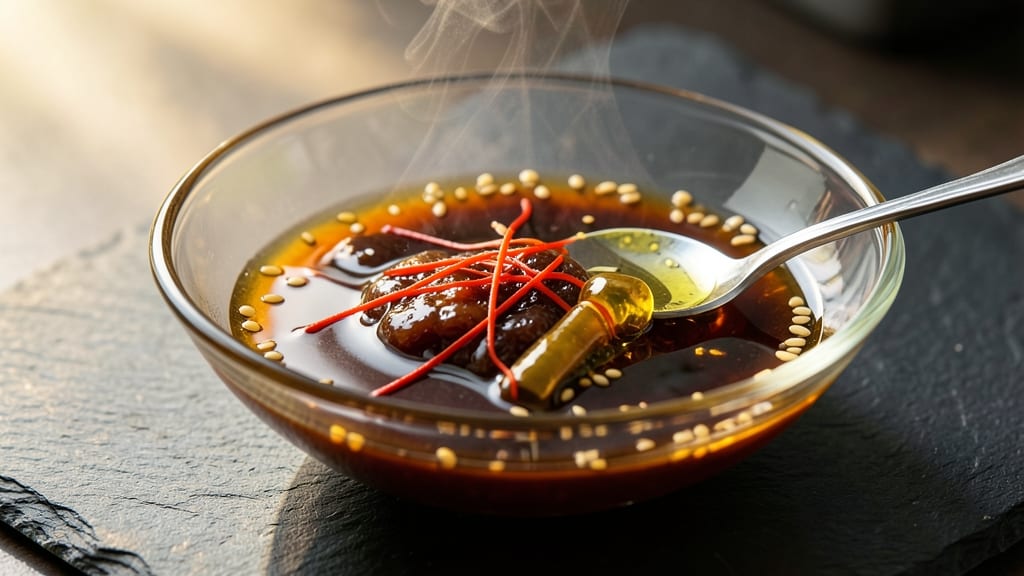
This sashimi sauce recipe transforms simple pantry staples into a bold, umami-rich dip that elevates every bite of raw fish—or grilled dishes. The secret lies in balancing soy sauce, mirin, and sesame oil to create a sauce that’s both savory and subtly sweet, with just the right amount of heat.
I’ve perfected this version over years of testing, ensuring it’s quick to make but packed with restaurant-quality depth.
What makes this sauce special is its versatility—it’s ready in just 5 minutes with ingredients you likely already have, yet it delivers complexity that store-bought versions can’t match.
The key is using high-quality soy sauce and a touch of honey or sugar to round out the flavors, while a splash of rice vinegar adds brightness. This sauce isn’t just for sashimi; it’s a game-changer for grilled shrimp, seared scallops, or even as a marinade.
The result is a glossy, aromatic sauce with layers of umami, a hint of spice, and a smooth finish that clings perfectly to delicate proteins. It keeps well in the fridge for up to a week, making it ideal for meal prep or entertaining.
Whether you’re serving raw fish or grilled favorites, this sauce will take your dish from good to unforgettable.
Pair it with fresh wasabi for extra kick or drizzle it over steamed vegetables for a quick, flavorful upgrade. Here’s how to make it—simple, foolproof, and guaranteed to impress.
Ingredients for sashimi sauce
Five minutes. Nine ingredients. Restaurant-quality dipping sauce that transforms any dish.
| Ingredient | Amount | Notes |
|---|---|---|
| Soy Sauce 🍶 | ½ cup | High-quality, preferably Japanese-style |
| Mirin 🍶 | ¼ cup | Sweet cooking wine, not substitute |
| Sesame Oil 🫒 | 1 tbsp | Toasted sesame oil for aroma |
| Rice Vinegar 🍶 | 1 tbsp | White or seasoned variety |
| Honey 🍯 | 1 tbsp | Or sugar for vegan option |
| Sriracha 🌶️ | ½ tbsp | Adjust for heat preference |
| Fresh Ginger 🌿 | 1 tsp | Finely grated, fresh preferred |
| Garlic Cloves 🧄 | 2 cloves | Minced, fresh preferred |
| Toasted Sesame Seeds 🥜 | 1 tsp | For garnish, optional |
The soy sauce and mirin are your flavor anchors—Kikkoman soy sauce and Hirata mirin are my go-tos, but any good Japanese soy sauce works. Mirin isn't just sweetener; it adds that signature umami depth. Costco or Asian markets usually have both at great prices. Sesame oil is non-negotiable here—skip the light version; you want that toasty aroma. If you're short on time, pre-minced garlic and ginger from the jar works, but fresh is always better. The sesame seeds? Toast them in a dry pan for 30 seconds—they'll smell amazing and add crunch.
No mirin? Dry sherry plus 1 tsp sugar gets you close, though it won't be identical. Sriracha out of stock? Sambal oelek or chili garlic sauce works too. Want less heat? Cut the sriracha in half and add a splash more honey. The honey can be swapped for sugar (1:1), but it dissolves more smoothly. For a vegan version, use agave instead of honey. If you're making this ahead, skip the sesame seeds until serving—they go rancid faster. The sauce thickens as it cools, so don't worry if it looks thin right after mixing.
This sauce keeps beautifully—1 week in the fridge sealed tight. The flavors actually improve overnight as everything melds. For longer storage, freeze in ice cube trays—perfect for single servings. If it thickens too much, just stir in a splash of water. The sesame oil separates sometimes; give it a quick shake before using. I like to make a double batch—one for dipping, one for marinating grilled shrimp. Trust me, you'll want it on everything.
Why You'll Love This Recipe
- Five-Ingredient Magic: I swear, this sauce is the closest thing to effortless I’ve found. Just mix soy sauce, mirin, sesame oil, rice vinegar, and honey—no blending, no straining, just stir and taste. Honestly, I’ve made it wrong twice (too much honey, anyone?), but it’s always forgivable.
- Umami Bomb: That first drop of sesame oil hitting your tongue? Chef’s kiss. The mirin sweetens just enough to balance the soy’s saltiness, while the honey rounds out the sharpness of rice vinegar. It’s the kind of sauce that makes even store-bought sushi taste like a Michelin-starred bite.
- Dip Everything: Between us, this isn’t just for sashimi. I’ve drizzled it over grilled fish, tossed it with noodles, and even used it in a quick stir-fry. (Yes, even on a Tuesday night.) The versatility means I never run out of ways to use it before the bottle does.
- Lasts All Week: I make a big batch on Sundays and it’s still good when I pull it out Friday night. The honey keeps it from spoiling, and the vinegar adds shelf life without sacrificing flavor. Plus, a little goes a long way—so it’s my budget-friendly secret for fancy meals without the fancy price.
Step-by-step instructions for sashimi sauce recipe
This umami-packed sauce comes together faster than you can say "sashimi night."
Combine the Base Ingredients
In a small saucepan, pour in the 0.5 cup soy sauce and 0.25 cup mirin. I like to use a saucepan with a lid because we'll be simmering this mixture shortly. Place the pan over medium-low heat and bring it to a gentle simmer, watching closely so it doesn't boil over. You'll see tiny bubbles forming around the edges—that's your signal it's ready for the next step.
The reason we start with these two ingredients is that the mirin adds natural sweetness while balancing the soy sauce's saltiness. This combination creates the perfect foundation for the complex flavors we're building. Let it simmer for 3-4 minutes until the mixture reduces slightly and becomes slightly thicker in consistency. You'll notice the aroma filling your kitchen—this is where the magic begins.
Add Aromatics and Sweetener
While the soy-mirin mixture simmers, add the 1 tbsp rice vinegar, 1 tbsp honey, 0.5 tbsp sriracha, 1 tsp freshly grated ginger, and 2 minced garlic cloves. Stir everything together gently with a wooden spoon, making sure the honey dissolves completely. The sriracha might make the mixture look slightly streaky at first, but it will blend smoothly as it heats.
Here's where it gets interesting—the ginger and garlic will infuse their flavors into the sauce as it simmers. You'll smell that fresh, zesty aroma developing, which is exactly what we want. Keep the heat at medium-low and let the mixture simmer for another 2-3 minutes, stirring occasionally. You want the sauce to thicken just slightly while maintaining a smooth, glossy appearance.
Incorporate the Finishing Touches
Remove the saucepan from heat and let it cool for 1-2 minutes. This brief cooling period prevents the sesame oil from separating when we add it. Then, slowly drizzle in the 1 tbsp sesame oil while stirring continuously. The oil will give the sauce its characteristic aroma and richness, but adding it too quickly can cause separation. Stir gently until fully incorporated.
Taste the sauce and adjust the seasoning if needed. You might want to add a touch more soy sauce for saltiness or a bit of honey for sweetness. The sriracha can be adjusted too—if you prefer more heat, add another ¼ teaspoon. The sauce should be balanced between sweet, salty, tangy, and slightly spicy with a deep umami flavor that makes your taste buds sing.
Garnish and Serve
Transfer the sauce to a small bowl or serving dish. Sprinkle the 1 tsp toasted sesame seeds on top for that final touch of texture and aroma. The seeds add a nice crunch and visual appeal that makes the sauce look even more inviting. Let the sauce sit for 5 minutes before serving to allow all the flavors to meld together perfectly.
This sauce is best served fresh, but it will keep in the refrigerator for up to 5 days in an airtight container. The flavors actually improve as they sit, developing even more depth. Serve it with your favorite sashimi, sushi rolls, or even as a dipping sauce for grilled meats and vegetables. Each spoonful delivers that perfect balance of sweet, salty, spicy, and umami that makes this sauce truly special.
Pro Tips For Making Sashimi Sauce
- STIR GENTLY AFTER MIXING: The second you add sesame oil, stop stirring like you’re trying to win a race. That stuff separates fast—just a light swirl with a fork or chopstick keeps everything emulsified. I learned this the hard way when my sauce looked like a swamp after 10 minutes of vigorous whisking.
- USE COLD MIRIN: Grab that bottle of mirin straight from the fridge—no, really. Cold mirin blends smoother and doesn’t turn your sauce into a warm, syrupy mess. If you’re impatient like me, at least chill it in the freezer for 10 minutes first. The texture stays silky, not cloying.
- SALT THE SOY SAUCE: Plain soy sauce tastes flat in this sauce. Sprinkle a pinch of flaky salt (about ¼ teaspoon) directly into the soy before mixing—it cuts through the sweetness and adds depth. Skip this, and your sauce will taste like it’s missing something, even if the recipe doesn’t mention it.
- SWAP HONEY FOR SESAME PASTE: Short on honey or want something richer? Swap it 1:1 with toasted sesame paste—just a teaspoon or two. It adds nutty warmth and thickens the sauce naturally, so you won’t need extra rice vinegar to balance it. (Yes, it’s weird, but it works.)
Health benefits of sashimi sauce
Umami & Digestion
This sauce delivers a powerful dose of umami from its soy sauce and mirin base, which supports gut health by stimulating digestive enzymes.
The fermented components in traditional soy sauce contain probiotics that promote a healthy microbiome—just 1 tbsp provides beneficial bacteria similar to what you'd find in fermented foods like miso. 💪
Antioxidant Boost
The sesame oil and ginger in this sauce pack antioxidant power. Sesame oil contains sesamin, which helps reduce oxidative stress, while fresh ginger is rich in gingerol, a compound linked to anti-inflammatory benefits. Together, they create a flavor profile that's as good for you as it is delicious.
Balanced Energy
Mirin provides natural sugars for quick energy, while the ginger adds thermogenic properties that may help with metabolism. The low sodium version (using reduced-sodium soy sauce) makes this a heart-healthy option when paired with raw fish. I often serve it with steamed vegetables to create a complete, nutrient-dense meal.
Protein Synergy
When paired with raw fish like salmon or tuna, this sauce enhances protein absorption through its amino acid profile. The soy sauce contributes all nine essential amino acids, while the sesame oil provides healthy fats that help your body utilize these proteins more efficiently. Perfect for post-workout recovery meals!
Low-Calorie Flavor
With only about 30 calories per tablespoon, this sauce delivers bold flavor without the calorie load. The honey adds sweetness without significant calories, making it ideal for those watching their intake while still wanting rich, complex flavors.
I love using it as a light dressing for salads or drizzling over grilled shrimp.
Blood Sugar Support
The combination of low glycemic index ingredients (ginger, vinegar, sesame oil) helps stabilize blood sugar levels when consumed in moderation. The vinegar also improves insulin sensitivity, making this an excellent choice for anyone managing blood sugar. Just be mindful of portion sizes with the honey component.
Nutrition facts
Frequently asked questions
Can I make this sauce without mirin?
Yes! Swap 0.25 cup mirin with 0.25 cup dry sherry plus 1 tsp sugar for similar sweetness and depth. For a non-alcoholic option, use 0.25 cup white grape juice plus 1 tsp sugar. The sauce will still taste great, though mirin's natural umami can't be fully replicated.
How spicy should this sauce be?
The recipe includes 0.5 tbsp sriracha for mild heat—adjust to taste! For less spice, reduce to 0.25 tbsp or swap for 0.5 tbsp chili garlic sauce. If you love heat, add an extra 0.25 tbsp and let it simmer 1 extra minute to blend flavors.
Can I use this sauce for grilled or cooked seafood?
This sauce works perfectly with grilled shrimp, seared scallops, or even salmon. For cooked seafood, reduce the heat slightly (use 0.25 tbsp sriracha) since the cooking process adds natural flavors. Drizzle over grilled dishes or use as a marinade for 15-30 minutes before cooking.
Why does my sauce separate?
Separation usually happens when sesame oil is added too quickly or the sauce cools too fast. To fix it, gently reheat the sauce over low heat for 1 minute while stirring continuously. For prevention, always add sesame oil slowly to warm (not hot) sauce and stir constantly.
What's the best way to store leftover sauce?
Transfer to an airtight container and refrigerate for up to 1 week. The flavors actually improve over time! For longer storage, freeze in ice cube trays—thaw overnight in the fridge. If the sauce thickens, stir in 1 tsp water to restore consistency.