
Sauces & Condiments
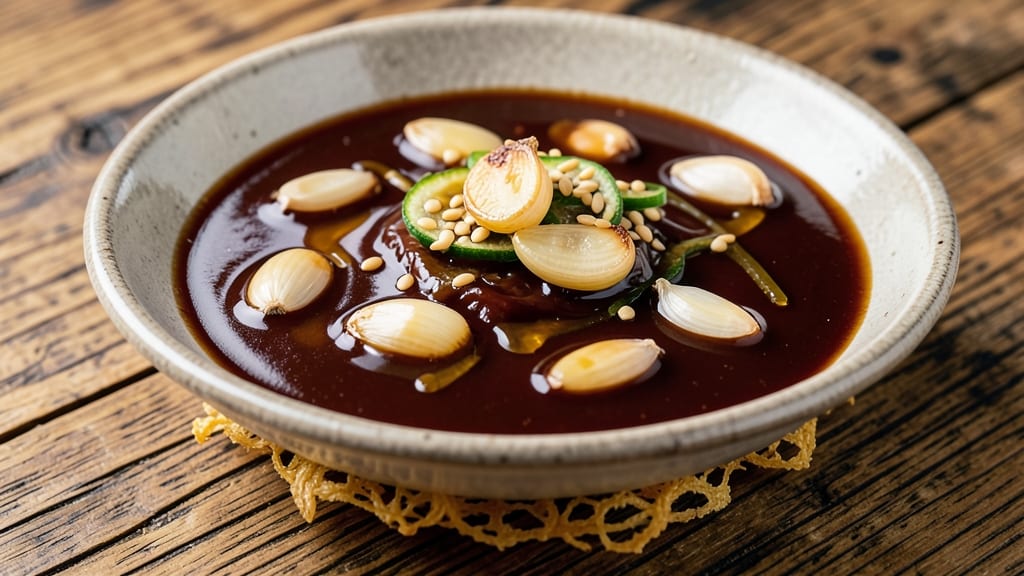
Creating an authentic shabang sauce recipe transforms simple dishes into bold, restaurant-quality meals with just 15 minutes of prep. This vibrant Filipino sauce blends tangy vinegar, savory soy sauce, and fiery chili into a versatile condiment that elevates everything from grilled meats to crispy fries.
The aromatic base of garlic, ginger, and shallots ensures depth, while a quick simmer and blend create that signature silky texture.
What sets this sauce apart is its balance—sweet, salty, tangy, and spicy all at once. The key lies in simmering the aromatics until fragrant before adding vinegar and soy sauce, which builds layers of flavor without overpowering.
It’s designed to be made fresh but stores well in the fridge for up to a week, making it perfect for meal prep or spontaneous cooking.
Use it as a dipping sauce for kwek-kwek or tokneneng, a marinade for adobo, or a glaze for grilled chicken. The sauce’s versatility means it adapts to any dish while keeping its signature punch.
Ready in just 15 minutes, it’s the secret weapon for adding Filipino flair to your cooking.
For extra heat, add more chili; for sweetness, stir in a touch of sugar. The possibilities are endless, but the foundation remains the same—bold, balanced, and impossible to resist.
Ingredients for shabang sauce
Simple ingredients, bold flavors—this sauce transforms any dish into Filipino-inspired perfection.
| Ingredient | Amount | Notes |
|---|---|---|
| Cane Vinegar 🍶 | ½ cup | White or light variety preferred |
| Soy Sauce 🥢 | ½ cup | Light or regular, not reduced |
| Garlic Cloves 🧄 | 6 cloves | Minced for aromatic base |
| Fresh Ginger 🌿 | 2 tbsp | Finely grated, skin removed |
| Shallots 🧅 | 3 whole | Minced for depth of flavor |
| Sugar 🍚 | 2 tbsp | White granulated preferred |
| Red Chili Flakes 🌶️ | 1 tbsp | Adjust for heat preference |
| Fish Sauce 🐟 | 1 tbsp | Red Boat brand recommended |
| Extra-Virgin Olive Oil 🫒 | 2 tbsp | For smooth texture |
| Salt 🧂 | ½ tsp | Kosher or sea salt |
The aromatic trio of garlic, ginger, and shallots is non-negotiable for authentic flavor. Fresh ginger from the produce section at Whole Foods or Trader Joe's delivers the brightest punch, but the frozen section works in a pinch. For garlic, bulk bins are cost-effective and fresher than pre-minced jars. Shallots can be swapped for red onion in a bind, though they add a more delicate sweetness. Red Boat fish sauce is the gold standard—its umami depth elevates the sauce beyond basic soy-based versions. If unavailable, vegetarian fish sauce alternatives work, though the flavor profile shifts slightly.
No cane vinegar? White vinegar or apple cider vinegar are direct substitutes, though cane vinegar’s mild sweetness is ideal. Light soy sauce should be the default—dark soy adds color but overpowers the sauce’s balance. For sugar, brown sugar or honey can replace granulated, but adjust to taste since they add moisture. The chili flakes are adjustable—start with less if you’re sensitive to heat, then add more to taste. Fresh chili peppers can replace flakes for a smoother texture, but remove seeds for less heat. The olive oil isn’t just for texture; it carries the sauce’s silky finish, so high-quality extra-virgin is worth the investment.
This sauce peaks when made fresh but keeps for up to 1 week in the fridge, sealed tightly. For longer storage, freeze in ice cube trays—thaw and stir before use. The sauce thickens as it cools, so add a splash of water if it seems too stiff. Double the batch; it disappears faster than you’d think. Pair with grilled meats, fries, or even as a marinade—its versatility makes it a pantry staple worth repeating.
Why You'll Love This Recipe
- Pantry Magic: I swear by this sauce because it’s the kind of recipe that doesn’t demand a shopping spree—just a few staples you already have. That cane vinegar? It’s the secret weapon that cuts through the richness of soy sauce, giving it this bright, tangy punch without needing fancy ingredients.
- Garlic-Ginger Bomb: Between us, the moment you crush fresh garlic and ginger into that simmering shallot base, you’re in flavor heaven. The heat lingers but balances perfectly with the vinegar’s bite—like a little umami explosion that makes everything taste better.
- Weeknight Workhorse: I’ve drizzled this over stir-fries, slathered it on grilled chicken, even mixed it into rice bowls when I’m too tired to plan. It’s the kind of sauce that turns a simple meal into something special without stealing the spotlight from your main dish.
- Leftovers That Don’t Suck: Honestly, this sauce actually tastes better the next day—if you can resist eating it all at once. Store it in the fridge, and it keeps for days, ready to jazz up whatever you’re craving. No sad, watered-down condiments here.
Step-by-step instructions for shabang sauce
This vibrant sauce comes together quickly with precise technique and bold flavors.
Prepare the Aromatics
Heat the 2 tablespoons extra-virgin olive oil in a medium saucepan over medium heat. Add the 3 whole shallots and cook for 3-4 minutes until softened and translucent, stirring occasionally. Here's the thing—don't let them brown or they'll add bitterness rather than sweetness to your sauce.
Add the 6 cloves garlic cloves and 2 tablespoons fresh ginger to the pan. Cook for another 1-2 minutes until fragrant and the garlic just begins to turn golden at the edges. This ensures you capture all their aromatic potential without burning them. You'll know it's ready when the kitchen smells distinctly garlicky and zesty.
Build the Sauce Base
Reduce the heat to medium-low and add the 0.5 cup cane vinegar and 0.5 cup soy sauce. Stir well to combine and let the mixture simmer gently for 3-4 minutes. This allows the vinegar to mellow slightly while the soy sauce begins to deepen in color and flavor.
Add the 2 tablespoons sugar and 1 tablespoon red chili flakes, stirring constantly. The sugar will help balance the acidity of the vinegar while the chili flakes infuse heat throughout. Let the mixture simmer for another 2-3 minutes until the sugar dissolves completely and the sauce begins to thicken slightly.
Finish with Umami and Season
Remove the saucepan from heat and stir in the 1 tablespoon fish sauce and 0.5 teaspoon salt. The fish sauce adds that essential umami depth that makes this sauce truly sing. Taste the sauce at this point—it should be tangy, slightly sweet, with a good balance of heat and saltiness.
If you prefer more heat, add an additional ½ teaspoon red chili flakes and stir well. For extra richness, you could add 1 tablespoon extra-virgin olive oil at this stage. The sauce should be thick enough to coat the back of a spoon but still pourable. If it's too thick, add 1-2 teaspoons water to reach your desired consistency.
Rest and Serve
Let the sauce rest for 5-10 minutes at room temperature. This allows all the flavors to meld together and the heat from the chili flakes to distribute evenly. The sauce will continue to thicken slightly as it cools, so don't worry if it looks too thin immediately after cooking.
Shabang sauce is incredibly versatile—use it as a dipping sauce for spring rolls, a marinade for grilled meats, or a flavorful addition to noodle dishes. For best results, serve it warm or at room temperature. The sauce keeps well in the refrigerator for up to 5 days, making it perfect for meal prep. When reheating, warm gently over low heat to preserve its complex flavors.
Pro Tips For Making Shabang Sauce
- MINCE THE GINGER: Use a sharp knife and chop it finely—like you’re trying to cut it into dust. I learned this the hard way after my first batch tasted like someone dumped a ginger root in there. For shabang sauce, you want the heat to blend smoothly, not lurk as chunks in every bite.
- LOW AND SLOW: Simmer the sauce on actual low heat—no rushing. After burning three batches, I finally figured out that a gentle bubble (not a boil) lets the flavors marry without turning the cane vinegar into vinegar fumes. Patience here makes the difference between balanced and bitter.
- TOAST THE SHALLOTS: Sauté the shallots in oil until they’re golden, not just soft. My grandmother swore by this, and she was right: caramelized shallots add depth that raw ones can’t. Skip this, and your sauce will taste flat—like someone forgot to season it.
- BALANCE THE VINEGAR: Start with half the cane vinegar called for, taste, then add the rest. Shabang sauce needs acid, but too much turns it harsh. I was skeptical until I tried it—now I adjust by the teaspoon, and the sauce sings instead of stings. (Your future self will thank you.)
Make-ahead tips for leftovers
Batch Prep Strategy
Double the recipe and store in airtight glass jars—I use Mason jars with 16-ounce capacity—to maintain freshness. The sauce thickens as it cools, so leave ½ inch headspace to prevent spillage.
Label with the date and store in the fridge for up to 1 week or freeze in ice cube trays for single-serving portions. 📅
Freezer Adaptations
For long-term storage, freeze the sauce in silicone molds or small jars—this makes thawing easier. When ready to use, transfer to a saucepan and reheat over low heat while stirring constantly.
Avoid microwaving, as it can separate the oil and create a greasy texture. Thawed sauce may need 1-2 teaspoons water to restore consistency. ❄️
Flavor Preservation
The key to keeping shabang sauce vibrant is minimizing oxidation. Seal jars tightly and store in the coldest part of your fridge, ideally below 40°F. If the sauce separates, gently reheat and stir—never shake vigorously, as this can break the emulsion.
For extra insurance, add a small piece of plastic wrap directly on the sauce surface before sealing the jar. 💡
Meal Prep Pairings
Prep grilled chicken thighs or spring rolls alongside the sauce for a complete meal. Marinate the chicken in ½ cup shabang sauce per pound for at least 2 hours before grilling.
For spring rolls, mix 2 tablespoons sauce per cup of filling and chill for 30 minutes to let flavors meld. This turns a simple prep into a restaurant-quality spread. 🍗
Reheating Techniques
For best results, reheat shabang sauce in a small saucepan over low heat—never boil. Add 1-2 tablespoons water if the sauce thickens too much. If using in a marinade, combine equal parts sauce and water or broth before reheating to prevent sticking.
For dipping sauces, warm just until 100°F to preserve texture. 🔥
Flavor Boost After Storage
If the sauce tastes flat after refrigeration, revive it by adding ½ teaspoon fresh ginger juice or 1 teaspoon fish sauce. A splash of rice vinegar can also brighten the tang.
For extra depth, stir in 1 minced garlic clove and let it sit for 10 minutes before using. This trick works wonders for sauces that’ve been stored for 3-5 days. 💛
Nutrition facts
Frequently asked questions
What's the best way to adjust the heat level in shabang sauce?
Start with 1 tablespoon red chili flakes for mild heat, then increase to 2 tablespoons for medium spice. For extra kick, add 1-2 fresh Thai chili peppers (seeds removed for less heat) or ½ teaspoon cayenne pepper. Always taste before serving—you can't easily remove excess heat later!
Can I make shabang sauce without fish sauce?
Yes! Replace the 1 tablespoon fish sauce with 1 teaspoon soy sauce + ½ teaspoon oyster sauce for umami depth. For vegetarian versions, use 1 teaspoon mushroom sauce or coconut aminos—though the flavor will be slightly different. The sauce will still taste great, just with a more plant-forward profile.
Why did my shabang sauce separate after refrigeration?
This happens when the oil and liquid phases separate due to temperature changes. Gently reheat the sauce over low heat while stirring constantly—this helps re-emulsify it. Avoid shaking the jar, as this can make separation worse. If it's still too thick, add 1 teaspoon water and stir well.
How can I use shabang sauce in non-Filipino dishes?
This sauce works beautifully as a marinade for grilled pork chops or tofu skewers. Use it as a dipping sauce for spring rolls, fries, or even pizza crust. For pasta, toss cooked noodles with 2 tablespoons sauce per serving and top with sesame seeds. The tangy-spicy profile pairs surprisingly well with Italian flavors too!
What's the shelf life of homemade shabang sauce?
Freshly made sauce lasts 5-7 days in the fridge when stored in airtight containers. For longer storage, freeze in ice cube trays or small jars—it keeps for up to 3 months. After freezing, thaw in the fridge overnight and stir before using. The flavor remains vibrant if stored properly!