
Sauces & Condiments
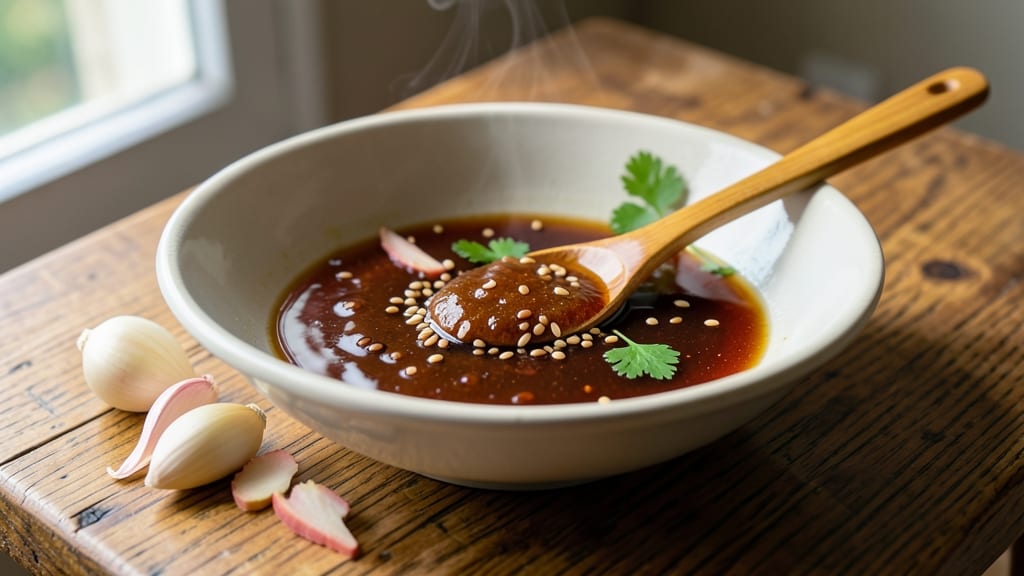
This teriyaki sauce recipe delivers that perfect balance of sweet, savory, and umami that transforms grilled meats, roasted vegetables, and stir-fries into restaurant-quality dishes.
The beauty of this version lies in its simplicity—just five core ingredients that come together in minutes, yet create a sauce that tastes like it simmered for hours. I developed it after years of testing store-bought versions that were either too sweet or lacking depth.
The foundation of great teriyaki sauce is a precise ratio of soy sauce, mirin, and sugar—each playing a critical role in flavor development. A splash of rice vinegar adds brightness, while a touch of ginger and garlic infuse subtle warmth.
This sauce isn't just for glazing; it's a marinade that tenderizes proteins and a dipping sauce that elevates everything from crispy tofu to seared scallops.
What sets this recipe apart is its versatility and longevity. Use it immediately for sizzling stir-fries or let it reduce into a sticky glaze for grilled chicken. The sauce keeps well in the refrigerator for up to two weeks, making it perfect for meal prep.
Whether you're cooking for one or feeding a crowd, this balanced teriyaki sauce will become your go-to pantry essential.
For those who prefer extra richness, a small amount of honey or brown sugar can deepen the caramel notes, while a pinch of sesame oil adds aromatic complexity. The key to success lies in proper reduction—simmering until the sauce thickens just enough to coat without becoming syrupy.
This recipe delivers professional results with minimal effort, proving that exceptional flavor doesn't require complicated techniques.
Ingredients for teryiaki sauce
Five essential ingredients transform into a restaurant-quality teriyaki sauce with depth and balance.
| Ingredient | Amount | Notes |
|---|---|---|
| Soy Sauce 🍶 | ½ cup | High-quality, light or all-purpose |
| Mirin 🍶 | ¼ cup | Sweet cooking rice wine |
| Granulated Sugar 🍚 | ¼ cup | White or light brown |
| Rice Vinegar 🍶 | 2 tbsp | Seasoned or unseasoned |
| Fresh Ginger 🌿 | 1 tbsp | Finely grated, peeled |
| Garlic Cloves 🧄 | 2 cloves | Minced or finely chopped |
| Sesame Oil 🫒 | 1 tbsp | Toasted for aroma (optional) |
| Water 💧 | ¼ cup | For thinning if needed |
The soy sauce forms the umami backbone—Kikkoman or La Choy are reliable choices, but any high-quality brand works. Mirin adds sweetness and complexity; avoid substitutes like dry sherry—the sugar content is crucial for authentic flavor. For ginger, freshly grated delivers the best zing, but powdered works in a pinch at half the amount. Garlic should be minced finely to blend seamlessly. Sesame oil is optional but adds that signature nutty aroma—use toasted sesame oil if available. The sugar dissolves completely during simmering, so light brown sugar can add subtle caramel notes if preferred.
No mirin? Substitute equal parts dry white wine and 1 tsp sugar—it won’t be identical, but it’ll work. Rice vinegar can be swapped for apple cider vinegar, though the flavor profile shifts slightly. Fresh ginger unavailable? Powdered ginger at half the amount (so 0.5 tbsp) gets you close. Garlic powder is a poor substitute—fresh or jarred minced garlic is the next best option. For extra richness, add 1 tsp honey or maple syrup during the final reduction. The sauce thickens as it cools, so thin with water if needed for dipping.
Store in an airtight container in the refrigerator for up to 2 weeks. For longer shelf life, freeze in ice cube trays—perfect for single-use portions. The sauce reduces further when reheated, so add a splash of water if it becomes too thick. Double the batch and freeze half—this sauce is versatile enough for everything from glazing to marinating. Always taste before using; adjust sweetness or salt to your preference.
Why You'll Love This Recipe
- Pantry Magic: I swear by this sauce because it’s made with stuff I always have—soy sauce, mirin, and a little sugar—no fancy shopping required. The ginger adds that zingy kick without needing a whole root; just a quick grating does the trick.
- Sweet-Savory Balance: That perfect harmony of sticky, salty, and just a hint of tang? It’s the rice vinegar and sugar working together. Honestly, it’s the kind of sauce that makes plain grilled chicken taste like a restaurant dish.
- Leftovers That Shine: I make a big batch on Sundays because this stuff keeps for weeks in the fridge. Drizzle it on noodles, toss with veggies, or even glaze tofu—it never gets old, and neither do my leftovers.
- Weeknight Wonder: Simmering it takes less time than waiting for takeout. Five minutes of active work, and boom—you’ve got a sauce that’s ready to elevate whatever’s on the menu. (Yes, even on a Tuesday night.)
Step-by-step instructions for teryiaki sauce
This balanced sweet-savory glaze comes together in minutes with simple pantry staples.
Combine Wet Ingredients in a Saucepan
In a medium saucepan, pour in the 0.5 cup soy sauce, 0.25 cup mirin, and 0.25 cup granulated sugar. Stir constantly over medium heat until the sugar dissolves completely—you'll notice the mixture becoming clear and smooth. This typically takes about 3-4 minutes. The sugar should fully integrate without any graininess remaining.
While stirring, add the 2 tablespoons rice vinegar and 1 tablespoon sesame oil. Continue stirring for another 1 minute to allow the flavors to begin melding. The vinegar adds brightness that cuts through the sweetness, while the sesame oil contributes depth and aroma. Keep the heat at medium to prevent boiling, which could cause the sauce to separate.
Add Aromatics and Simmer
Add the 1 tablespoon finely grated fresh ginger and 2 minced garlic cloves to the saucepan. Stir well to incorporate the aromatics into the mixture. Let the sauce simmer gently for 5-7 minutes, stirring occasionally. You'll notice the aroma deepen as the ginger and garlic infuse their flavors into the sauce.
During this time, the sauce will begin to thicken slightly as the liquid reduces. Pay attention to the color—it should develop a rich amber hue. If the sauce becomes too thick before the 5-7 minutes are up, you can add 1-2 tablespoons of water to maintain the proper consistency for glazing.
Adjust Consistency and Finish
Once the sauce has simmered for 5-7 minutes, taste and adjust the seasoning if needed. If it tastes too sweet, add a splash more soy sauce or rice vinegar to balance the flavors. For extra depth, you can add a pinch of black pepper or a few drops of hot sauce at this stage.
To achieve the perfect consistency for glazing, add the remaining 0.25 cup water if the sauce is too thick. Stir well and simmer for another 2-3 minutes until smooth and glossy. The sauce should coat the back of a spoon easily but not be overly runny. Remove from heat immediately to prevent over-reduction, which can make the sauce too concentrated.
Cool and Store
Transfer the teriyaki sauce to a clean jar or airtight container. Let it cool to room temperature, stirring occasionally to ensure even consistency. The sauce will continue to thicken slightly as it cools, so don't be alarmed if it appears thicker after sitting for 10-15 minutes.
Store the sauce in the refrigerator for up to 2 weeks. Before using, give it a good stir—sometimes the oils separate slightly during storage. This sauce works beautifully as a glaze for grilled meats, stir-fry sauce, or even a dipping sauce for spring rolls. The balance of sweet, savory, and umami makes it incredibly versatile.
Pro Tips For Making Teryiaki Sauce
- Simmer Slow and Steady: I learned this the hard way—teryaki sauce needs patience. Bring it to a gentle boil first, then drop to a low simmer and let it bubble away for at least 10 minutes. Rushing it leaves raw sugar grit and unblended flavors; slow cooking melts everything into a glossy, cohesive sauce.
- Grate That Ginger Fine: Skip the mincer if you’ve got one, but don’t just chop the ginger roughly. Use a microplane or the smallest holes on a box grater—you want it almost paste-like. This ensures the ginger dissolves completely into the sauce instead of sitting as chunks (yes, even if you strain later).
- Balance the Vinegar Last: Add the rice vinegar after the sugar has dissolved, not at the start. The acid cuts through the sweetness, but if you toss it in early, you’ll end up fighting a sour, unbalanced sauce. Taste as you go—adjust with a splash more mirin if it’s too sharp.
- Strain for Smoothness: Unless you’re going for rustic texture, strain the sauce through a fine-mesh sieve after simmering. I used to skip this, but the difference is night and day—no lingering ginger strings or sediment clogging your bottle. Just press with a spoon; don’t rush it.
Storing and reheating this recipe
Refrigerator Storage
Store your homemade teriyaki sauce in an airtight glass jar or container—I prefer Ball mason jars because they’re non-reactive and preserve flavor better. Keep it refrigerated at 40°F or below for up to 2 weeks.
The sauce will continue thickening slightly as it sits, so stir well before each use. If you notice separation (common with sesame oil), simply shake or whisk vigorously to re-emulsify. 💡
Freezing for Long-Term Use
For extended storage, freeze the sauce in ice cube trays—this makes single-use portions perfect for quick glazes or marinades. Once frozen, transfer cubes to a freezer bag with all air removed (use a straw to suck out air).
Thaw overnight in the fridge or microwave for 20-30 seconds on low power. The texture may separate slightly after freezing, so whisk in 1 tsp water to restore smoothness. ❄️
Reheating for Glazing
When reheating teriyaki sauce for glazing, warm it gently in a small saucepan over low heat for 3-5 minutes. Avoid high heat—it can cause the sauce to split or burn.
If the sauce thickens too much, thin with 1-2 tbsp water or mirin to achieve a glossy, coatable consistency. For best results, reheat only what you need to prevent over-reduction. 🔥
Microwave Quick Fix
For fast reheating, transfer 1-2 tbsp sauce to a microwave-safe bowl and heat for 15-20 seconds on 50% power. Stir immediately and repeat if needed—microwaving can cause uneven heating.
This method works best for dipping sauces or quick stir-fry tosses where a perfectly thick glaze isn’t critical. Always taste and adjust sweetness/salt after reheating. ⏰
Reviving Stale Sauce
If your teriyaki sauce tastes flat after storage, revive it by simmering 1 tbsp water with ½ tsp fresh ginger juice (or ¼ tsp powdered ginger) for 2 minutes. The ginger’s freshness cuts through any dullness, while the water rehydrates the sauce.
For extra brightness, add ½ tsp rice vinegar—this restores the sauce’s signature tang. This trick works wonders on sauce that’s been refrigerated for 10-14 days. 🌿
Batch Prep Tips
Double or triple the recipe and freeze half—this sauce is too good to waste! Label containers with the date and store in the freezer for up to 3 months. When ready to use, thaw overnight in the fridge.
For meal prep, keep a small jar in your fridge for quick stir-fries, while frozen portions handle slow-cooked dishes like teriyaki chicken thighs or glazed salmon. 💪
Nutrition facts
Frequently asked questions
Can I make teriyaki sauce without mirin?
Yes! Substitute 2 tbsp dry white wine plus 1 tsp sugar for ¼ cup mirin. The sauce will lack mirin's natural sweetness and depth, but it'll still work well for glazing or marinating. For extra richness, add ½ tsp honey to compensate for the missing sweetness.
How do I adjust the sweetness level?
Start with the recipe as written, then taste and adjust. For less sweetness, add 1 extra tbsp soy sauce or ½ tbsp rice vinegar. For more sweetness, stir in 1 tbsp additional sugar or 1 tsp honey while warm. Remember, flavors meld better when the sauce cools, so wait 10 minutes before final adjustments.
What's the best way to use this sauce for marinating?
Use ½ cup teriyaki sauce per 1 lb protein (chicken, pork, or fish). Marinate for 30-60 minutes in the fridge—no need to exceed 4 hours as soy sauce can make meats mushy. For extra tenderness, add 1 tbsp cornstarch to thicken the marinade. Always reserve 2 tbsp marinade for basting during cooking.
Why did my sauce turn cloudy or separate?
Cloudiness often happens when sugar doesn't fully dissolve or when sesame oil separates. Fix it by whisking vigorously or gently reheating over low heat for 1-2 minutes. If the sauce splits completely, strain it through a fine-mesh sieve to remove any oil separation. For prevention, stir constantly while heating and avoid boiling.
Can I use this sauce for non-meat dishes?
This versatile sauce works beautifully on tofu, vegetables (like broccoli or mushrooms), and even pasta or noodles. For tofu, marinate for 15-20 minutes before pan-frying. On veggies, use it as a finishing glaze after roasting. The sauce's balance of sweet and umami enhances plant-based proteins perfectly.