
Sauces & Condiments
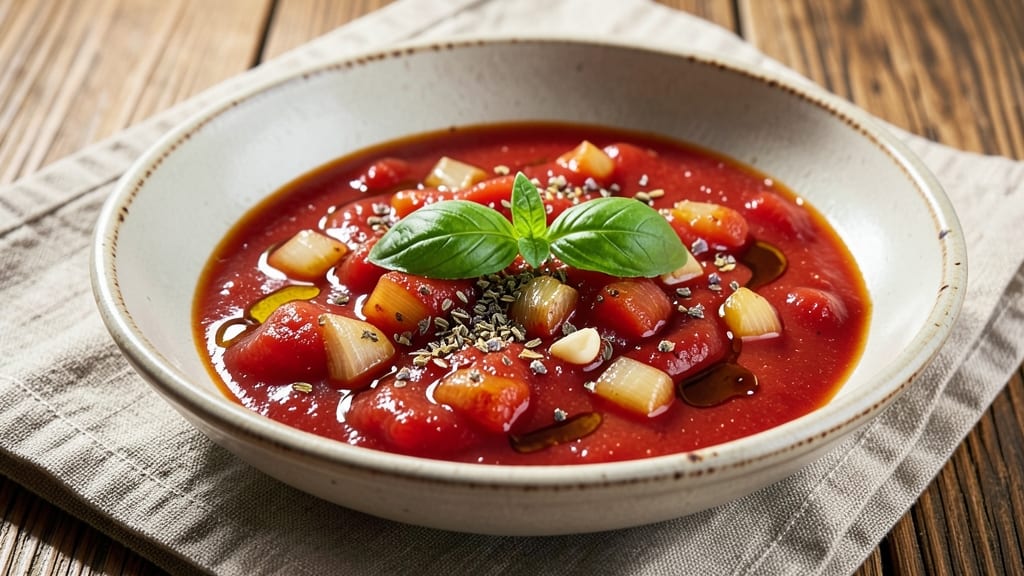
Transforming simple canned Roma tomatoes into a rich, balanced sauce requires just a few pantry staples and careful simmering—a technique I’ve perfected for restaurant-quality results at home. The key lies in balancing acidity, sweetness, and umami through aromatics and proper reduction, ensuring every spoonful delivers depth without bitterness.
This versatile sauce serves as the foundation for countless dishes, from hearty pasta to crispy pizza crusts.
What makes this recipe stand out is its adaptability and foolproof method. You’ll start with basic ingredients—canned tomatoes, onions, garlic, and herbs—but the slow simmering process transforms them into a velvety, flavorful sauce that builds complexity over time.
Unlike store-bought versions, this sauce develops a natural sweetness while maintaining a bright, tangy finish, thanks to the careful addition of vinegar or lemon juice.
The result is a smooth, well-seasoned sauce with a perfect balance of acidity and richness, ready to elevate any meal. Whether you’re tossing it with al dente pasta or using it as a base for braised meats, this sauce delivers professional results with minimal effort.
Let’s get started on creating your pantry’s new essential.
Once you’ve mastered this technique, you’ll find endless ways to customize it—adding crushed red pepper for heat, fresh basil for brightness, or even a splash of red wine for depth. The possibilities are as limitless as your creativity, making this sauce a true game-changer for home cooking.
Ingredients for canned roma tomato sauce
Pantry staples that transform into velvety sauce with just patience and heat.
| Ingredient | Amount | Notes |
|---|---|---|
| Canned Roma Tomatoes 🍅 | 28 oz | San Marzano preferred, crushed by hand |
| Yellow Onion 🧅 | 1 whole | Diced, medium size preferred |
| Garlic Cloves 🧄 | 4 cloves | Peeled, finely minced |
| Extra-Virgin Olive Oil 🫒 | ¼ cup | High-quality, fruity variety |
| Dried Oregano 🌿 | 1 tsp | Mexican oregano preferred |
| Dried Basil 🌿 | ½ tsp | Or 1 tbsp fresh basil leaves |
| White Wine Vinegar 🍋 | 1 tbsp | For acidity balance |
| Granulated Sugar 🍬 | 1 tsp | Balances acidity naturally |
| Diamond Crystal Kosher Salt 🧂 | ½ tsp | Adjust to taste |
| Freshly Ground Black Pepper 🌶️ | ¼ tsp | For subtle heat |
San Marzano tomatoes are the gold standard—they’re sweeter and less acidic, which makes this sauce sing. Trader Joe’s and Whole Foods carry them year-round, but any high-quality canned Roma will work. The key is crushing them by hand (no blender!) to release natural juices without turning the sauce into a puree. For the onions, yellow or red both work, but yellow adds a touch more sweetness as it cooks. If you’re using garlic, peel and mince it fresh—pre-minced garlic loses flavor fast. The olive oil should be fruity and peppery, not harsh. California Extra Virgin or Colavita are reliable brands that won’t overpower the tomatoes.
No San Marzano? Crushed tomatoes in a 28-oz can are fine—just add an extra pinch of sugar to balance acidity. Swapping dried herbs for fresh? Use one-third the amount of dried oregano or basil. Short on vinegar? Lemon juice works 1:1, but it’ll make the sauce slightly brighter. Want more depth? A splash of red wine (about 2 tbsp) adds richness—just reduce it down with the sauce. For heat, crushed red pepper flakes are better than cayenne (they’re more consistent). And if you’re making this ahead, add the vinegar or lemon juice at the end to preserve brightness.
This sauce tastes even better the next day as flavors meld. Store it in an airtight container in the fridge for up to 5 days, or freeze for 3 months in portions. For freezing, use ice cube trays for single servings—just pop them into pasta or soups as needed. If the sauce thickens too much after chilling, a splash of water or broth brings it back to perfection. And here’s a pro tip: Save the juices from the canned tomatoes—they’re packed with flavor and can be used to thin the sauce if needed.
Why You'll Love This Recipe
- No Chopping Nightmare: I swear by this sauce because all I do is open a can, dump, and stir. Those Roma tomatoes? Already peeled and seeded—no peeling, no straining, just pure convenience.
- Garlic Bomb Flavor: That sizzle of minced garlic in olive oil? It’s the secret weapon. The oregano ties it all together with a bright, earthy punch that makes you want to eat it straight from the pot.
- Pantry-to-Table Magic: This sauce works over pasta, on pizza, or as a dip—no fuss. I keep a jar in the fridge for lazy nights when I just need something quick but still feels special.
- Budget-Friendly Staple: A single can of tomatoes and a few pantry basics stretch into meals for days. Honestly, I’ve fed my whole family for under $5 with this—no waste, just flavor.
Step-by-step instructions for canned Roma tomato sauce
Transform simple pantry staples into a velvety, balanced sauce with this foolproof method.
Sauté the Aromatics Until Fragrant
Heat the 0.25 cup extra-virgin olive oil in a medium saucepan over medium heat. Add the 1 whole yellow onion, diced, and cook for 5-6 minutes until softened and translucent, stirring occasionally. Here's the thing—you want the onions to caramelize slightly at the edges without browning too dark.
Add the 4 cloves garlic cloves, finely minced, and cook for another 30 seconds until the raw garlic aroma disappears and you detect a toasty, nutty scent. This step builds the flavor foundation—don't rush it. If the garlic starts to brown too quickly, reduce the heat slightly. You'll know it's ready when the mixture smells like a warm Italian kitchen.
Add Tomatoes and Seasonings
Pour in the 28 oz canned Roma tomatoes, crushing them by hand with your fingers as you add them. This creates a chunkier texture that's more restaurant-quality than store-bought smooth sauces. Stir in the 1 tbsp white wine vinegar, 1 tsp granulated sugar, 1 tsp dried oregano, 0.5 tsp dried basil, 0.5 tsp diamond crystal kosher salt, and 0.25 tsp freshly ground black pepper.
Bring the mixture to a gentle simmer over medium-low heat. The sugar helps balance the acidity from both the tomatoes and vinegar, while the vinegar prevents the sauce from tasting flat. Let it simmer uncovered for 20 minutes, stirring occasionally. You'll see the sauce thicken slightly and the flavors meld together—this is where the magic happens.
Simmer Until Rich and Balanced
Reduce the heat to low and continue simmering for another 15-20 minutes. Here's the crucial part: taste the sauce periodically. You're looking for a perfect balance of acidity, sweetness, and umami. If it needs more salt, add it 0.25 tsp at a time. If the acidity is too strong, add another 0.5 tsp granulated sugar.
The sauce should coat the back of a spoon with a velvety texture, but still have some body—not watery, not thick like paste. If it reduces too much, add 1-2 tablespoons of water to reach your desired consistency. The aroma should be rich and inviting, with layers of tomato, garlic, and herbs. This simmering time allows all the flavors to develop fully.
Adjust and Finish to Perfection
Once the sauce reaches your ideal consistency and flavor balance, remove it from heat. Let it sit at room temperature for 5 minutes—this resting period allows the flavors to settle and the sauce to thicken slightly more. I know it seems counterintuitive to wait, but trust me, this makes a difference.
Taste one final time and adjust seasoning if needed. The sauce should be vibrant, with bright tomato flavor, subtle sweetness, and just enough acidity to cut through the richness. If you're using this for pasta, you might want to add a splash of pasta water later to loosen it slightly. For best results, use the sauce within 3-4 days or freeze for up to 3 months. This homemade version will elevate any dish from ordinary to extraordinary.
Pro Tips For Making Canned Roma Tomato Sauce
- CRUSH THE ONIONS: Use a food processor instead of chopping—just pulse until they’re fine but not paste. I learned this after slaving over a cutting board for years; it cuts prep time by half and keeps the onion from turning bitter while cooking.
- SWEAT THE GARLIC LOW: Add minced garlic to the pot after the onions soften, then simmer on the lowest heat you can tolerate. Garlic burns faster than you’d think, and once it’s bitter, no amount of oregano will fix it.
- DRAIN THE TOMATO JUICE: Pour the canned tomatoes through a strainer to catch the thick juice—then stir it back in. That extra liquid keeps the sauce from clumping, and it gives you more control over the consistency without adding water.
- SALT IN LAYERS: Add a pinch of salt when you crush the tomatoes, another when you add the onions, and a final sprinkle at the end. The sauce absorbs flavor better this way, and you’ll never end up with a bland base that needs rescuing later.
Regional styles of this canned roma tomato sauce
Italian Classic
In Italy, this sauce is the heart of every home kitchen—especially in regions like Campania and Sicily, where tomatoes thrive. The Italians focus on simplicity: San Marzano tomatoes, garlic, and fresh basil take center stage.
I’ve seen nonnas add a splash of red wine during simmering for depth, then finish with fresh basil leaves just before serving. The key difference? They often skip vinegar, relying instead on lemon zest for brightness. 🌿
For an authentic touch, use a heavy-bottomed Dutch oven and simmer the sauce uncovered to develop a rich, caramelized edge. The Italians believe in patience—at least 45 minutes of simmering—letting the flavors meld naturally.
If you’re making this for pasta, toss the sauce with al dente spaghetti and finish with Pecorino Romano for a true Roman-style dish.
Southern U.S. Twist
In the American South, this sauce gets a smoky, spicy upgrade. I love adding 1-2 tbsp of smoked paprika or ½ tsp of chipotle powder for depth, inspired by Texas-style BBQ tomato sauce.
For heat, swap the dried oregano for Mexican oregano and add ½ tsp of crushed red pepper flakes. The Southern approach often includes a pinch of brown sugar to balance acidity, and some cooks even add a splash of apple cider vinegar for tang.
This version works perfectly as a braising liquid for pulled pork or as a base for shepherd’s pie. For extra richness, stir in 2 tbsp of tomato paste at the end of cooking.
The Southern style is heartier, with a thicker consistency, making it ideal for meatloaf or meatball subs. 🔥
Mexican-Inspired Salsa
Mexico transforms this sauce into salsa de tomate, a staple for tacos, enchiladas, and refried beans. The key? Roasting the tomatoes, onions, and garlic over an open flame or under a broiler for a smoky depth.
I recommend roasting the diced onions and minced garlic in a cast-iron skillet until charred, then blending them with the tomatoes for a smoky, earthy flavor. Add 1 tsp of ground cumin and ½ tsp of smoked salt for authenticity.
For a spicier kick, incorporate 1-2 jalapeños or ½ tsp of cayenne pepper. This sauce is often served raw or lightly simmered, with a finish of fresh cilantro and lime juice.
It’s the perfect topping for grilled meats, street tacos, or even as a dip for tortilla chips. The Mexican version is chunkier and fresher, with a bright, tangy profile that cuts through rich dishes beautifully. 🌶️
Mediterranean Herb Blend
In Mediterranean cuisines, especially Greek and Turkish, this sauce incorporates fresh herbs like thyme, rosemary, and parsley. I like adding 1 sprig of fresh rosemary and 1 tsp of dried thyme during simmering, then finishing with chopped fresh parsley.
A splash of red wine vinegar replaces white wine vinegar, and a pinch of cinnamon adds warmth—common in Turkish-style tomato sauces served with lamb or kebabs.
For a Greek twist, stir in 1 tsp of dried oregano and ½ tsp of ground allspice after simmering. This sauce pairs wonderfully with grilled octopus, roasted vegetables, or even as a marinade for chicken.
The Mediterranean approach focuses on herb-forward, aromatic flavors that complement grilled and roasted dishes beautifully. The texture is lighter and more liquid, perfect for drizzling rather than thick coating. 🌿
Nutrition facts
Frequently asked questions
Can I use crushed tomatoes instead of whole canned Roma tomatoes?
Yes, but with adjustments! Crushed tomatoes work fine, but they’re already broken down, so your sauce will be smoother. To mimic the chunky texture, crush 28 oz whole canned tomatoes by hand before adding them. If using pre-crushed, add 1 extra tablespoon of vinegar to balance the extra liquid and prevent flatness.
How do I prevent the sauce from tasting too acidic?
Balance is key! If the sauce tastes too sharp, add ½ teaspoon granulated sugar or 1 extra pinch of salt to round out flavors. For a richer taste, stir in 1 tablespoon tomato paste at the end of simmering. The sugar helps neutralize acidity while enhancing natural sweetness from the tomatoes.
Can I make this sauce in a slow cooker or Instant Pot?
For a slow cooker, combine all ingredients and cook on low for 4-5 hours or high for 2-3 hours, stirring occasionally. For an Instant Pot, sauté onions and garlic first, then add tomatoes and seasonings, and cook on high pressure for 10 minutes before quick-release. Both methods work, but stovetop gives you more control over texture and reduction.
Why does my homemade sauce taste different from store-bought?
Store-bought sauces often contain added preservatives, salt, and sugar to standardize flavor and shelf life. Your homemade version will taste fresher, brighter, and more complex due to fresh herbs, proper simmering, and natural acidity balance. The texture will also be chunkier and less processed—this is a good thing!