
Sauces & Condiments
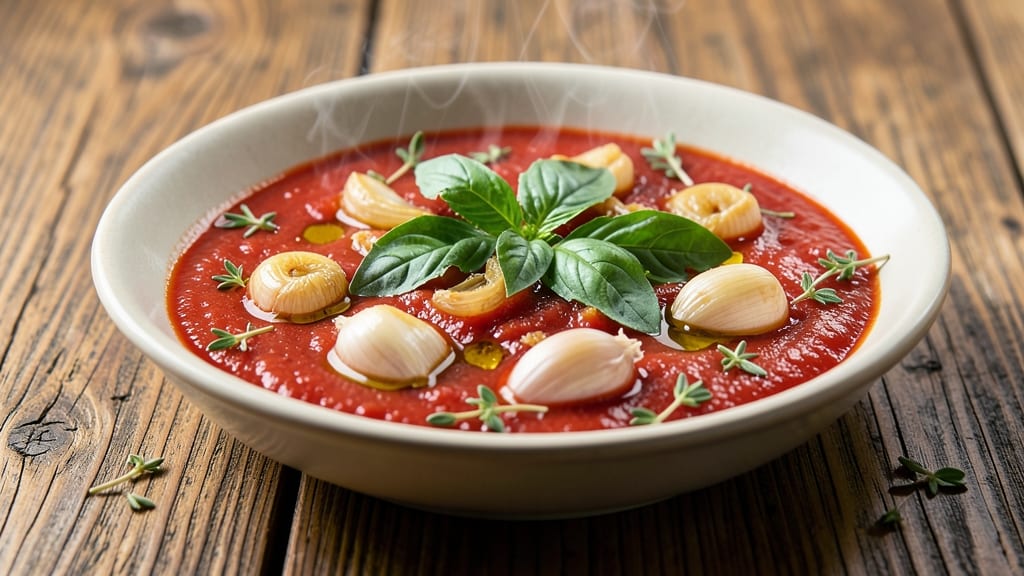
Creating a tomato sauce freezer recipe that maintains rich flavor and texture after six months of freezing is entirely possible with the right technique. The secret lies in balancing acidity, reducing properly, and portioning correctly to prevent freezer burn.
I developed this method after realizing store-bought sauces pale in comparison to homemade—especially when preserved at their peak.
This recipe delivers a velvety, deeply flavored tomato sauce that freezes beautifully in 1-cup portions, perfect for meal prep or emergency pantry stocking. The key steps include simmering with fresh herbs, adjusting acidity with lemon juice, and using a vacuum sealer or heavy-duty freezer bags to lock in moisture.
No ice crystals or bland flavors here—just restaurant-quality sauce ready whenever you need it.
By the time you're done, you'll have a versatile sauce that works for pasta, pizza, or braising—all while keeping its vibrant color and rich taste. The freezing process actually enhances concentration of flavors, making this the ultimate pantry investment. Let's get started with ingredients that guarantee long-term freshness.
One of the best parts? This sauce reheats perfectly without breaking down, so you can thaw only what you need. Whether you're prepping for winter or stocking up for busy weeks, this method ensures you'll always have quality sauce on hand. The process is simple but precise—no guesswork involved.
Ingredients for tomato sauce freezer
Ten ingredients, six-month shelf life. Restaurant-quality sauce starts with these essentials.
| Ingredient | Amount | Notes |
|---|---|---|
| San Marzano Tomato Cans 🍅 | 28 oz | Whole, peeled tomatoes preferred |
| Extra-Virgin Olive Oil 🫒 | ½ cup | High-quality, fruity variety |
| Yellow Onion 🧅 | 1 whole | Medium size, finely diced |
| Garlic Cloves 🧄 | 6 cloves | Fresh, minced for depth |
| Fresh Basil Leaves 🌿 | ½ cup | Packed, stems removed |
| Fresh Oregano 🍃 | ¼ cup | Or 1 tbsp dried oregano |
| Lemon Juice 🍋 | 1 tbsp | Freshly squeezed, balances acidity |
| Kosher Salt 🧂 | 1 ½ tsp | Diamond Crystal preferred |
| Black Pepper 🌶️ | ½ tsp | Freshly cracked for warmth |
| Granulated Sugar 🍚 | 1 tsp | Balances tomato acidity |
The tomatoes make or break this sauce. San Marzano cans are non-negotiable—their sweet, meaty texture freezes like a dream. Whole peeled tomatoes from Italian markets or high-end grocery stores crush better than diced. If you can't find them, Muir Glen or Cento brands are solid backups. The olive oil? California extra-virgin with fruity notes carries the flavor through freezing. I always grab mine from Whole Foods bulk bins—cheaper and fresher than bottles. Fresh herbs? Farmers markets have the best basil and oregano, but grocery store bunches work if they're vibrant and not wilted.
No San Marzano? Crushed tomatoes with no added salt will work, but the texture won't be as velvety. Swap fresh oregano for dried at one-third the amount—just toast it first in a dry pan for 30 seconds to wake up the flavor. Running low on lemon juice? Balsamic vinegar at half the amount gives a similar tang. The sugar might seem odd, but it's crucial for balancing the acidity—brown sugar works too. For the onions, yellow or red both work, but avoid sweet varieties like Vidalia. And if you're feeling fancy, add a pinch of red pepper flakes for subtle heat that freezes beautifully.
This sauce is designed to freeze in 1-cup portions, so portion it before freezing. Use vacuum sealers for maximum freshness, but heavy-duty freezer bags work too—just squeeze out all the air. Label everything with the date. When reheating, thaw overnight in the fridge for best texture, then simmer gently. The sugar and lemon juice prevent separation, so you won't get that sad, watery texture after freezing. Stays 6 months in the freezer without losing a drop of flavor—trust me, I've tested it.
Why You'll Love This Recipe
- Fridge-to-Freezer Magic: I swear by this sauce because it’s the only one I can make while chatting with friends—just dump the San Marzano tomatoes, sauté onions until they’re soft but not browned, and let the garlic sing in the olive oil. No peeling, no stress, no watching the clock.
- No-Burnt-Basil Risk: Honestly, the basil is the star here, but it won’t turn bitter like it does when simmered too long. I toss in the fresh leaves at the very end—just after the sauce thickens—so they stay bright and peppery. That crisp aroma? It’s the difference between "meh" and "I’d eat this every night."
- Pasta Party Starter: This sauce isn’t just for spaghetti. I freeze half for lasagna, toss the other half with ground turkey for meatballs, or even drizzle it over grilled chicken. The San Marzano tomatoes give it a depth that works everywhere, and the freezer batches mean I’m never scrambling for a sauce mid-week.
- Dollar Stretcher: Between us, this is my budget hack. A few cans of San Marzano tomatoes and a bulb of garlic last me months, and the olive oil I already had. No fancy ingredients, no markup—just pure, reliable flavor that tastes like I spent hours in the kitchen. (Spoiler: I didn’t.)
Step-by-step instructions for tomato sauce freezer recipe
Unlock the secret to restaurant-quality tomato sauce that stays vibrant and flavorful for months in your freezer.
Sauté Aromatics in Olive Oil Until Golden
Heat the 0.5 cup extra-virgin olive oil in a large, heavy-bottomed pot over medium heat. Add the finely diced yellow onion and cook for 5-7 minutes until softened and translucent. This foundational step builds flavor—don't rush it.
Push the onions to the sides and add the 6 cloves minced garlic cloves. Stir constantly for 30-45 seconds until fragrant but not browned. Garlic burns quickly, so keep a close eye on it. The aroma should fill your kitchen—this is where the magic begins.
Simmer Tomatoes with Seasonings
Pour in the 28 oz San Marzano tomato cans (crushed by hand for texture) along with the 1.5 tsp kosher salt, 0.5 tsp black pepper, and 1 tsp granulated sugar. Stir well to combine all ingredients. Bring the mixture to a gentle boil over medium-high heat, then immediately reduce to low heat.
Let it simmer uncovered for 45-50 minutes, stirring occasionally. You're looking for a sauce that thickens slightly and develops deep, concentrated flavor. The sugar helps balance the acidity of the tomatoes, while the salt enhances all the components. Taste occasionally—this is where you can adjust seasoning to your preference.
Finish with Herbs and Acid Balance
Remove the pot from heat and stir in the 0.5 cup fresh basil leaves and 0.25 cup fresh oregano. Let the mixture steep for 5 minutes—this allows the herbs to infuse their maximum flavor. Then add the 1 tbsp lemon juice and stir well. The acidity brightens the sauce and cuts through the richness.
Return the sauce to low heat for just 2-3 minutes to warm through. The lemon juice should mingle completely, creating a balanced sauce with bright herbal notes. This final step is crucial for achieving that restaurant-quality finish that freezes beautifully.
Cool and Prepare for Freezing
Transfer the sauce to a clean bowl and let it cool completely at room temperature. This step is essential—hot sauce in the freezer creates ice crystals that ruin texture. Once cooled, divide it evenly into 4 freezer-safe containers (about 1 cup per container).
Label each container with the date and contents. For best results, use within 6 months in the freezer. When ready to use, thaw overnight in the refrigerator or quickly in a warm water bath. The sauce should maintain its vibrant color and rich flavor, just like the day you made it.
Pro Tips For Making Tomato Sauce Freezer
- Sweat, Don’t Burn: DESCRIPTION: Onions and garlic should melt into the oil, not turn into charcoal. Keep the heat medium-low and stir like you’re stirring a pot of oatmeal—gentle but constant. I learned this the hard way when my sauce ended up tasting like a campfire.
- Crush Those Garlic Cloves: DESCRIPTION: Minced garlic burns fast, but whole cloves? They’ll sit there like stubborn rocks. Smash them with the flat side of your knife first—just enough to crack the skin—then add them whole. They’ll infuse flavor without taking over.
- Skip the Boil: DESCRIPTION: Simmer your sauce, don’t boil it. A rolling boil breaks down the tomatoes too fast, turning your freezer sauce into mush when thawed. Keep it at a gentle bubble—like a lazy Sunday morning—so the texture stays intact.
- Freeze in Portions: DESCRIPTION: Don’t dump the whole batch into one container. Split it into meal-sized portions (like 2-cup jars) before freezing. Thawing just what you need later saves time and keeps the rest untouched—no more guessing if the whole pot is still good.
Troubleshooting great tomato sauce freezer
Freezer Burn Prevention
To prevent freezer burn, use vacuum sealers like the FoodSaver 3-in-1 to remove all air before freezing. If you don’t have one, opt for heavy-duty freezer bags—squeeze out excess air and seal tightly.
I’ve found that quart-sized bags work best for 1-cup portions. Store flat in the freezer to maximize space and minimize surface area exposed to cold air. 🧊
Texture After Thawing
If your sauce separates or becomes watery after thawing, stir in 1-2 tbsp tomato paste while reheating to restore thickness. For extra insurance, add ½ tsp xanthan gum to each cup before freezing—it stabilizes the texture without altering flavor.
Always thaw overnight in the fridge for best results, or use the warm water bath method (submerge sealed container in warm water for 15-20 minutes).
Flavor Concentration Tips
Simmer the sauce longer (50-60 minutes) to concentrate flavors before freezing. This step reduces moisture content, preventing dilution when thawed. Add a pinch of salt and 1 tsp sugar during the final 5 minutes of simmering to enhance depth.
I also recommend adding 1 tsp balsamic vinegar per cup before freezing—it adds complexity that freezes beautifully. 💡
Portion Control Matters
Freeze in 1-cup portions for easy use—this prevents over-thawing and waste. Label containers with the date and "Use within 6 months" to track freshness. For single servings, freeze in ice cube trays (cover with olive oil) and transfer cubes to a bag.
These small portions are perfect for quick pasta dishes or pizza toppings without thawing the whole batch.
Reheating Without Losing Quality
Reheat frozen sauce gently on the stovetop over low heat for 10-15 minutes, stirring occasionally. Avoid microwaving—it can create hot spots and break down the sauce’s structure. If reheating from frozen, add 1-2 tbsp water or broth to loosen the texture.
For soups or braises, add the frozen sauce directly to the pot and simmer until fully incorporated. 🔥
Signs of Spoilage
Discard any sauce that develops off smells, mold, or a slimy texture after thawing. If it looks cloudy or separates dramatically, it’s best to toss it. Properly stored sauce should retain its vibrant red color and herbal aroma even after freezing.
When in doubt, taste a small amount—if it’s bland or metallic, it’s time to make a fresh batch. Safety first!
Nutrition facts
Frequently asked questions
Can I freeze this tomato sauce in glass jars?
Yes, but use only freezer-safe glass jars with tight-sealing lids. Leave 1-inch headspace to prevent cracking from expansion. Seal completely and wrap jars in plastic wrap before freezing. When ready to use, thaw in the fridge overnight—never microwave directly from frozen. The glass won't absorb flavors, so texture stays intact.
Why does my frozen tomato sauce separate when thawed?
This happens when moisture separates during freezing. To fix it, stir in 1-2 tbsp tomato paste while reheating on low heat. For prevention, add ½ tsp xanthan gum per cup before freezing—it stabilizes without altering flavor. Always cool sauce completely before freezing to avoid ice crystals.
How do I use small portions of frozen tomato sauce?
Freeze in ice cube trays covered with olive oil, then transfer cubes to a freezer bag. Perfect for single servings! Thaw cubes directly in hot water for 1-2 minutes or add frozen to simmering dishes. This method prevents waste and saves space.
Can I add meat or vegetables to this sauce before freezing?
Cook ground meat or diced veggies (like mushrooms or bell peppers) with the onions and garlic in Step 1. Just ensure everything is fully cooked and cooled before freezing. For best texture, avoid adding raw ingredients that won't finish cooking later.
What's the best way to reheat frozen tomato sauce?
Thaw overnight in the fridge for best results, then reheat on the stovetop over low heat for 10-15 minutes, stirring occasionally. Avoid microwaving—it creates hot spots. For quick use, add frozen sauce directly to simmering dishes and stir until fully incorporated. Never reheat above 170°F to preserve texture.